

Understanding the Overpromise-Underdeliver Cycle
Definition and Common Manifestations of Overpromising
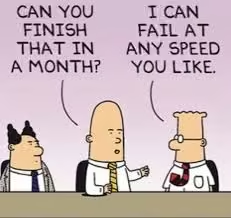
Overpromising happens when individuals or teams commit to delivering more than they can realistically achieve. This can appear as agreeing to unfeasible deadlines, guaranteeing results beyond their current capabilities, or overstating the likelihood of success. Overpromising might seem like a way to impress clients or stakeholders initially. However, it usually leads to failing to meet expectations.
Psychological Factors Driving the Tendency to Overpromise
Several psychological factors contribute to the habit of overpromising. Unrealistic optimism is a key factor; people often believe they can accomplish more than they actually can within a given timeframe. This can stem from a genuine underestimation of the complexity involved in tasks. People-pleasing tendencies also drive overpromising. The desire to make others happy or avoid confrontation can lead individuals to commit to unrealistic demands.
Negative Impacts on Business Relationships and Reputation
The cycle of overpromising and under-delivering can have severe consequences. It erodes trust and damages business relationships. Stakeholders lose confidence in the reliability of those who routinely fail to deliver on their promises. This not only tarnishes reputations but can also lead to lost business opportunities and a decrease in client retention.
Breaking free from this cycle requires a combination of mindfulness, improved time management, and transparent communication.
Identifying Root Causes
Poor Time Estimation and Management Skills
One of the major root causes of the overpromise-underdeliver cycle is poor time estimation and management skills. Inadequate planning and ineffective time allocation can lead to unrealistic deadlines. Often, individuals and teams fail to account for all the tasks and potential disruptions, leading to delays. To break this cycle, it’s essential to develop a more accurate sense of how long tasks truly take and improve overall time management practices.
Unrealistic Optimism and People-Pleasing Tendencies
Another significant factor contributing to overpromising is unrealistic optimism coupled with a desire to please others. Driven by the urge to make a positive impression or out of fear of disappointing clients and stakeholders, individuals often agree to timelines and deliverables that are not feasible. This well-meaning intent can backfire, leading to missed deadlines, rushed work, and ultimately dissatisfaction. Cultivating a balanced and realistic approach to commitments while learning to manage client expectations can mitigate these tendencies.
Lack of Proper Project Scope Assessment
Failure to properly assess the scope of a project is another critical root cause. This includes not fully understanding the complexity, required resources, and potential roadblocks. Without a clear and comprehensive project scope assessment, it is easy to overlook vital components, leading to unrealistic promises. Ensuring thorough assessments and setting achievable goals right from the start can prevent many of the issues associated with overpromising.
By addressing these root causes, businesses can take significant steps toward breaking the overpromise-underdeliver cycle. Enhancing time management skills, adopting a realistic mindset, and conducting detailed project scopes can lay the foundation for consistent and reliable delivery.
Effective Time Management Strategies
Implementing Time Tracking and Analysis Techniques
One of the most effective ways to manage time is by tracking it meticulously. Time tracking tools can provide valuable insights into how much time tasks actually take versus the initial estimates. Various software options are available to simplify this process. By logging hours spent on different tasks, teams can identify patterns, bottlenecks, and areas that require more focus.
Additionally, analyzing this tracked data helps in making informed decisions. For example, if repetitive tasks are taking longer than anticipated, it may indicate a need for streamlining processes or additional training. Regularly reviewing this data ensures that project timelines become more accurate over time.
Building in Buffer Time for Unexpected Challenges
Unexpected challenges are inevitable in any project. Instead of scrambling to address these issues as they arise, it’s prudent to build buffer time into your project plans. This doesn’t mean padding timelines excessively but rather incorporating a realistic margin to accommodate unforeseen delays.
Buffer time can be calculated by analyzing historical project data and identifying typical delays. For instance, if previous projects often faced a 10% delay due to external dependencies, future timelines should account for this. This approach reduces stress, allows for more flexibility, and increases the likelihood of meeting deadlines consistently.
Prioritization Methods for Better Resource Allocation
Effective prioritization is crucial for better resource allocation and overall project success. Techniques such as the Eisenhower Matrix can help distinguish between urgent and important tasks, ensuring that teams focus on what truly matters. Tasks are categorized into four quadrants:
- Urgent and important
- Important but not urgent
- Urgent but not important
- Neither urgent nor important
Teams can manage their time more efficiently by focusing first on tasks that fall into the “urgent and important” category. This approach reduces the risk of bottlenecks. Additionally, methods like the MoSCoW prioritization (Must have, Should have, Could have, Won’t have) can be applied to allocate resources effectively. This ensures that critical tasks receive the necessary attention and resources while less important tasks are addressed later.
Consistent application of these strategies will help break the overpromise and underdeliver cycle. This will lead to better project outcomes. It will also increase stakeholder satisfaction.
Setting Realistic Goals and Expectations
Effective goal-setting is pivotal for breaking the cycle of overpromising and under-delivering. By setting realistic goals and expectations, businesses can build credibility and improve their project success rate. Here’s how to achieve this:
Using SMART Goal-Setting Framework
Using the SMART framework is a proven method to set clear and attainable goals. SMART stands for:
- Specific: Your goals should be clear and specific to guide your focus and efforts.
- Measurable: Define criteria to track progress and understand when the goal is achieved.
- Achievable: Ensure that the goal is realistic and attainable, considering resource constraints.
- Relevant: Goals should align with broader business objectives for greater impact.
- Time-bound: Set deadlines to create urgency and prioritize tasks effectively.
Conducting Thorough Capability Assessments
Understanding your team’s capabilities is crucial to setting realistic goals. Conducting thorough assessments involves:
- Evaluating past project performances to identify strengths and weaknesses.
- Assessing current resource availability including skills, tools, and time.
- Determining workload capacity to prevent overextension of your team.
Regularly revisiting these assessments helps in adjusting goals to match evolving capacities.
Developing Accurate Project Timelines
Creating accurate project timelines is essential for delivering on promises. Strategies include:
- Breaking down projects into smaller, manageable tasks.
- Allocating time for each task based on past project data.
- Incorporating buffer time for potential delays and unforeseen issues.
- Continuously reassessing and adapting timelines as projects progress.
By following these strategies, businesses can avoid the pitfalls of overpromising and under-delivering, setting the stage for long-term success.
Essential to this process is maintaining open communication and clear expectation management with all stakeholders.
Communication and Expectation Management
Techniques for Transparent Communication with Stakeholders
Effective communication is the bedrock of strong stakeholder relationships. Transparency ensures that everyone is on the same page and can prevent misunderstandings. Here are some techniques to achieve this:
- Regular Updates: Set up consistent communication intervals with stakeholders. Weekly or bi-weekly updates can keep everyone informed and aligned.
- Clear Reporting: Use simple and clear project reports that outline progress, setbacks, and upcoming tasks. Tools like Trello or Asana can help in visualizing and tracking progress.
- Honesty: Be upfront about challenges and potential delays. Transparency builds trust, even when delivering less-than-ideal news.
Strategies for Managing Client Expectations
Managing client expectations is crucial to avoid the overpromise-underdeliver cycle. Here’s how to handle it:
- Set Clear Boundaries: Establish what’s achievable within the given time and resources. This avoids scope creep and unrealistic demands.
- Educate: Help clients understand the project requirements, timelines, and potential risks. Informed clients are more likely to have realistic expectations.
- Frequent Check-Ins: Regular meetings allow for adjustments and clarifications on both sides, which helps in aligning expectations sustainably.
How to Say ‘No’ Professionally
Saying ‘no’ can be daunting, but it’s vital for maintaining realistic workloads and delivering quality work. Here’s how to do it professionally:
- Be Polite and Firm: Use a polite but firm tone to decline a request. For example, “I appreciate you thinking of me for this, but I won’t be able to meet that deadline.”
- Offer Alternatives: Suggest other solutions or timelines. This shows willingness to help, even if you can’t comply initially.
- Explain Reasoning: Briefly explain why you’re declining. Providing context can help the other party understand and respect your decision.
By implementing transparent communication, managing client expectations, and knowing when to say ‘no,’ you build a foundation of trust and reliability. This paves the way for consistent delivery and long-term success.
Building Trust Through Consistent Delivery
Creating Accountability Systems
Accountability is foundational to delivering on promises consistently. Establishing clear accountability systems ensures everyone knows their roles and responsibilities. This can be achieved through regular check-ins, performance reviews, and setting up a reliable reporting mechanism. Tools like Asana, Jira, or Trello can help monitor progress and identify potential bottlenecks early. By fostering a culture of accountability, you’re not just holding individuals accountable, but also creating a team environment that values reliability and efficiency.
Establishing Track Record of Reliable Delivery
Creating a track record of reliability involves consistently meeting deadlines and delivering quality work. This requires meticulous planning and a commitment to accountability. Keeping detailed records of past projects, including timelines, challenges, and outcomes, can be invaluable. By showcasing your history of reliable delivery to clients, you build their confidence and trust. Regularly updating clients on progress and any potential delays, while proactively addressing issues, further solidifies your reputation for dependability.
Turning Small Wins into Long-Term Credibility
Every successful project, no matter how small, is an opportunity to build long-term credibility. Celebrate and document these small wins to demonstrate your ability to deliver results consistently. Use these successes as testimonials or case studies to showcase your track record. This not only boosts team morale but also serves as evidence of your reliability to potential clients. Over time, these accumulated small wins create a robust foundation of trust and credibility, essential for sustained business growth and strong client relationships.
You lay the groundwork for a trustworthy business by implementing accountability systems. Consistently delivering reliable results is crucial. Turning small wins into long-term credibility further strengthens the foundation. Subsequently, remaining vigilant in time management and project assessment is essential.



