
Introduction: The Catskills – A Natural Treasure Worth Protecting
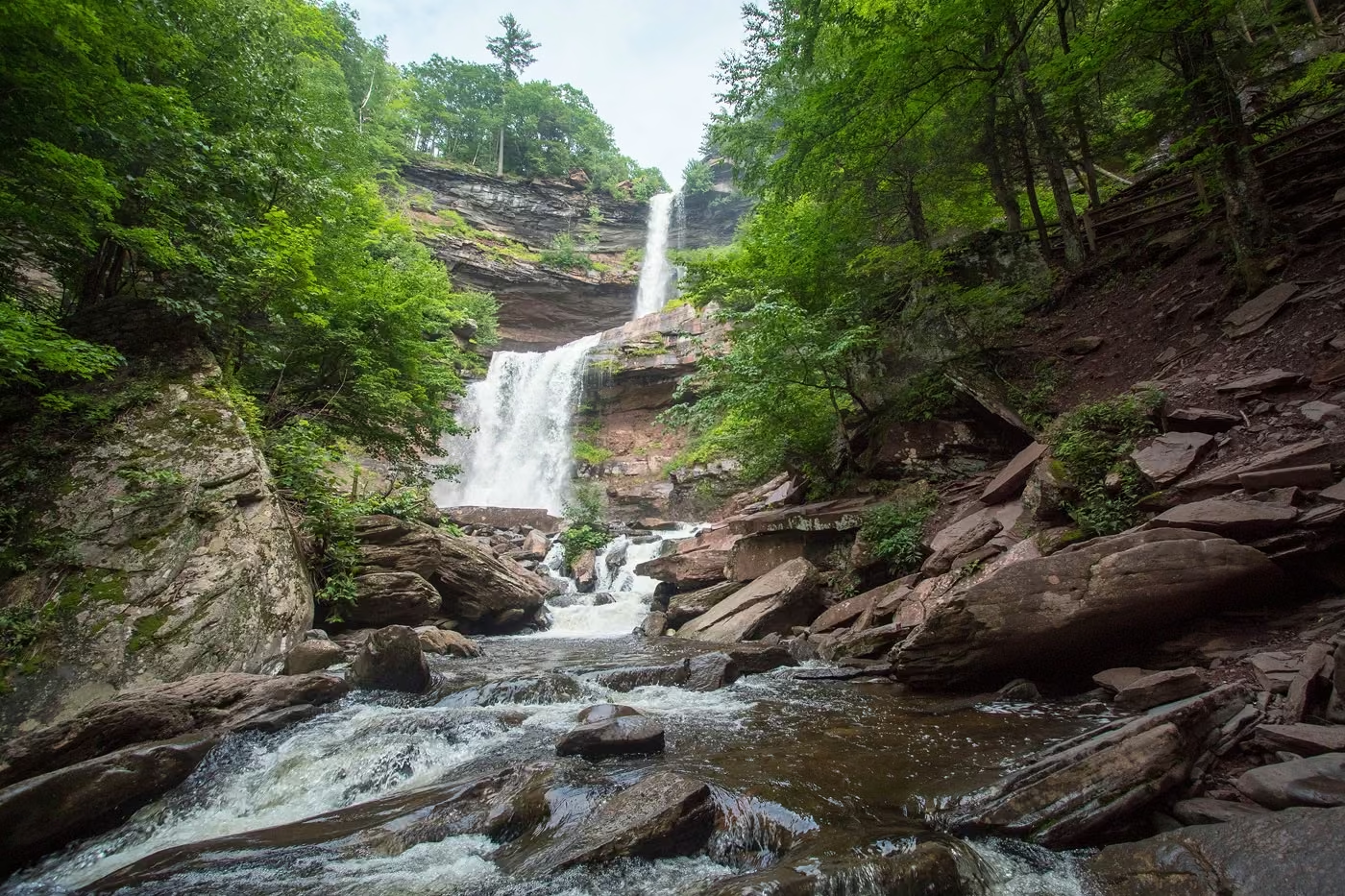
The Catskill Park sits in southeastern New York, offering stunning forests, rugged peaks, and clear streams. Its landscape is home to diverse plants and animals, many found nowhere else in the state. People long recognized these natural wonders, but it took time for the idea of lasting protection to take hold. As hiking and outdoor escapes gained popularity, more visitors discovered the Catskills’ rare beauty. Adventures along scenic trails built a strong bond between people and the land—a bond that would soon spark meaningful conservation efforts.
The Birth of Catskill Park: Early Conservation Efforts
Founding a Protected Landscape
By the end of the 19th century, the majesty of the Catskills drew artists, hikers, and naturalists alike. Recognizing both the irreplaceable beauty and the key role forests played in water supply, New York State took decisive action. In 1885, the Catskill Park was officially established, setting aside large tracts of land as “forever wild.” Preservation aimed to prevent the exploitation of timber resources and safeguard the watershed for New York City and neighboring areas.
Early Champions and Organizations
Dedicated individuals were pivotal in these foundational years. Local conservationists, political leaders, and members of outdoor clubs, such as the Catskill Mountain Club, led the charge. They organized events, wrote persuasive essays, and used their networks to influence lawmakers. Their aim was clear: protect the mountains from unchecked logging and development.
Outdoor Recreation as an Influencer
It was not just policy makers but everyday hikers and tourists whose voices mattered. Popular hiking destinations fostered a widespread love for the outdoors. As more people explored the network of mountain trails, they grew invested in its continued protection. The joy of discovery on trail walks translated directly into calls for preservation, sowing the seeds for lasting stewardship of the park.
With a foundation in place, the culture of outdoor recreation would continue to drive deeper public connection and responsibility for the land.
Recreational Pathways to Conservation Awareness
Trail Development and Public Connection
As the Catskill Park grew in popularity, new hiking trails started to crisscross the mountains, valleys, and forests. These trails gave more people the chance to wander through the quiet woods or climb rugged peaks. Each footstep along these routes built a stronger bond between visitors and the natural world around them. The unique features of the Catskills—rocky outcrops, peaceful streams, and vast woodlands—became more familiar with every hike.
The Power of Diverse Trails
The Catskill Park contains thousands of miles of trails in all shapes and lengths. There are easy loops by babbling brooks and challenging treks up steep mountains. This variety invites a wide range of visitors—from families with young kids to seasoned backpackers. Exploring the land on foot helps people spot wildlife, learn about local plants, and appreciate the calm beauty of the forest. The trails act as open invitations for deeper understanding and respect for the land.
Turning Appreciation Into Protection
Spending time in nature sparks a lasting appreciation for the landscape. Hikers, campers, and nature lovers soon become protectors of the park. As they noticed changes or signs of damage, many recreational users spoke up to safeguard their favorite places. Their direct experience with the park transformed them from visitors into passionate advocates for conservation, setting the stage for stronger community action and support for lasting preservation.
With growing public interest and involvement, the movement to protect the Catskills started to gain new energy and direction.
From Appreciation to Advocacy: Grassroots Conservation Movements
Rise of Community-Led Conservation
As more people explored the Catskill trails, a sense of shared stewardship began to develop. This wasn’t just about enjoying the breathtaking views—locals, hikers, and nature lovers wanted to actively protect the region they cherished. Small groups started meeting, united by a commitment to safeguard the mountains and forests. Over time, these informal gatherings grew into dedicated organizations focused on preservation and education.
Turning Passion into Action
The community’s deep affection for the Catskills soon translated into real influence. Concern for the effects of logging, pollution, and unregulated development sparked spirited local campaigns. People wrote letters, attended public hearings, and reached out to legislators, urging stronger protections for the land. These grassroots efforts put pressure on officials to listen and act.
Advocacy That Made a Difference
Community-led groups didn’t just raise their voices—they achieved results. Their campaigns led to greater legal protections for key areas, helping preserve scenic vistas, clean water, and wild habitats. Many modern protections in the Catskills trace their roots to these citizen-powered movements.
This wave of advocacy strengthened the region’s conservation foundation, setting the stage for more formal laws and policies that followed.
Landmark Legislation: How Catskill Advocacy Shaped Conservation Law
A Catalyst for Change
Grassroots activism in the Catskills did more than raise awareness—it led to real legal change. As concern grew over threats like logging and development, advocates called for new laws to safeguard the region’s forests, streams, and wildlife. This movement saw the community band together, speaking as one to protect the landscapes they loved.
Setting Legal Precedents
These efforts pushed lawmakers to act. Regulations put limits on deforestation, restricted harmful land use, and created legally protected zones, keeping crucial habitats and watersheds intact. Actions in the Catskills influenced similar protections across other states, making the region a model for preserving public lands.
A Lasting Framework
Today, the Catskill Park’s robust legal protections are a testament to this advocacy. These rules form the backbone of conservation in the region, shaping how land is managed and ensuring that wildlife and water sources are preserved for future generations. This strong framework continues to inspire communities working to guard their own natural treasures.
With such protections in place, attention has turned to the priceless features that benefit from them—iconic peaks, wild streams, and diverse ecosystems—all now thriving under the park’s watchful care.
Natural Gems Under Protection: From Slide Mountain to Watersheds
Preserving Iconic Peaks and Wild Places
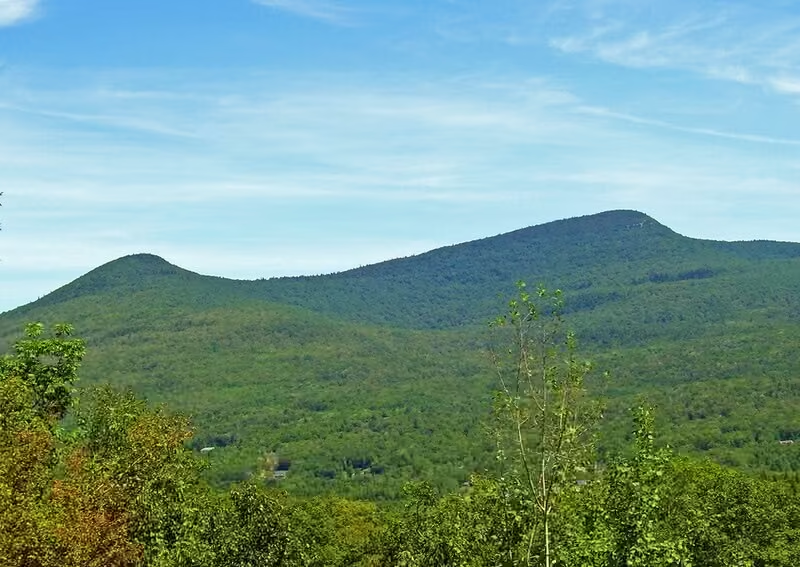
Slide Mountain is the tallest peak in the Catskills, rising to 4,204 feet. Its slopes are covered in dense forest, offering habitat for black bears, songbirds, and rare plants. Protection measures have shielded Slide Mountain and nearby peaks from development and logging, keeping these wild areas thriving for generations to enjoy.
Safeguarding Lakes, Streams, and Life
Beyond the peaks, the Catskills’ web of streams and lakes is vital. These waters feed into major rivers and supply drinking water for millions. Safeguards on land use and water quality have helped native trout, frogs, and countless insects flourish. By keeping these habitats intact, the region’s biodiversity remains strong.
Conservation work has made it possible for plants and animals to thrive while also allowing people to enjoy the park’s stunning beauty. This thoughtful stewardship of mountains, forests, and waterways continues to shape the park’s story.
Modern Conservation Innovations: OSI’s 2019 Accessibility Initiative
Opening New Doors to Nature
The Open Space Institute’s 2019 efforts were a big step forward in making the Catskills more accessible. They wanted everyone, regardless of ability, to enjoy the park’s beauty. Through improved trailheads, pathways, and signage, more people gained the chance to explore forests and streams.
Balancing Access and Care
Increasing access meant careful planning. OSI worked to welcome more visitors without harming sensitive habitats. They installed sustainable pathways and used materials that protected the local environment. The design prioritized both mobility and nature, proving that visitors and ecosystems can thrive together.
Lessons in Sustainable Conservation
The project showed that it’s possible to balance increased public use with preservation. By listening to community needs and focusing on smart design, OSI created a model where access and protection go hand in hand. This approach continues to inspire new conservation strategies across public lands.
Balancing Access and Protection: The Catskill Management Model
Strategies for Managing Public Lands
Catskill Park’s management model is built on clear, practical strategies to make the outdoors accessible without harming delicate habitats. Park managers developed trail systems that steer visitors away from sensitive areas, using signage and defined pathways to prevent erosion and minimize wildlife disturbance. Seasonal restrictions help protect breeding grounds and fragile plants, while visitor education programs teach Leave No Trace principles.
Finding the Balance Between Use and Preservation
Conservation managers face the challenge of welcoming people while keeping the park “forever wild.” Regular trail maintenance limits environmental damage. By monitoring visitor numbers and ecosystem health, they adapt plans as conditions change. Limiting car access to certain trailheads or requiring permits for busy seasons helps manage crowds and reduce pressure on ecosystems.
Successes and Ongoing Challenges
These efforts have kept wildlife thriving and habitats healthy, even as visitor numbers rise. Yet, the challenge remains: balancing love for this scenic wonderland with the hard work of protecting it for generations to come. The experiences and lessons learned in the Catskills continue to shape approaches to conservation beyond this landscape.
The Catskill Legacy: Influencing National Conservation Approaches
The conservation successes of the Catskill Park have left a lasting mark on how we protect public lands across the country. The park’s unique balance of public access and ecological preservation set a practical example for later national parks and forests. By managing visitor impact through well-planned trails and prioritizing education about wilderness, Catskill advocates demonstrated that recreation and protection are not mutually exclusive.
This grassroots approach quickly spread. Community-driven advocacy and thoughtful trail systems in the Catskills inspired similar efforts in other states. Local groups in places like the Adirondacks, Shenandoah, and beyond drew lessons from the way volunteers and state agencies worked together to protect habitats, preserve water quality, and support wildlife. The ripple effect led to national standards for managing forests and watersheds while ensuring public enjoyment.
Several management concepts first tested in the Catskills—such as seasonal restrictions, visitor education, and partnership-driven stewardship—now appear in public lands across America. Park managers nationwide learned to listen to visitors, adapt regulations, and foster stewardship through hands-on involvement.
Thanks to the Catskill legacy, today’s conservation projects often look to public engagement as much as scientific data. This approach helps keep natural treasures safe while welcoming the next generation of outdoor enthusiasts.
Looking Forward: The Future of Catskill Conservation
Meeting New Challenges
Today, the Catskill Park faces growing pressure from climate change and surges in visitation. Warming temperatures and stronger storms threaten delicate ecosystems and water quality. Popular trails, once quiet, now see crowds. These changes strain park resources and put extra stress on natural habitats.
Emerging Strategies
To protect the Catskills, new conservation tactics are emerging. Conservationists are using habitat restoration, trail improvements, and smart signage to spread out visitors and reduce wear. Park managers partner with local communities, encouraging stewardship and sustainable recreation. Data helps track foot traffic and wildlife so strategies adapt to changing conditions.
Advocacy Leading the Way
The spirit of past advocacy still drives current efforts. Citizen groups and outdoor lovers continue to stand up for the park, inspiring creative solutions for balancing access and preservation. This blend of old passion and fresh ideas keeps the Catskills resilient as new challenges arise.
Conclusion: The Enduring Connection Between Recreation and Conservation
The Power of Public Engagement
The Catskills have shown how outdoor recreation can build lasting bonds between people and nature. Hikers, families, and visitors develop an appreciation for the forests and vistas with each trip. This connection grows over time, turning many visitors into lifelong advocates and stewards of the land.
How Appreciation Leads to Protection
It started with people simply enjoying the scenery. Over years, these experiences led to a desire to protect what made the Catskills special. The more people learned about the region’s beauty and biodiversity, the more they pushed for safeguards. Meetings, petitions, and community efforts gradually strengthened conservation commitments.
A Model for Sustainable Conservation
Today, the Catskills are a living example of how recreation and conservation go hand in hand. Trails offer excitement and discovery, but they also teach respect for wild spaces. The ongoing partnership between visitors and conservation groups helps keep the park thriving. This balance of enjoyment and protection has made the Catskills a model for other parks seeking sustainable stewardship.



