
Introduction to Summer Hatch Fishing on the Upper Delaware
Why the Upper Delaware Shines for Summer Hatch Fishing
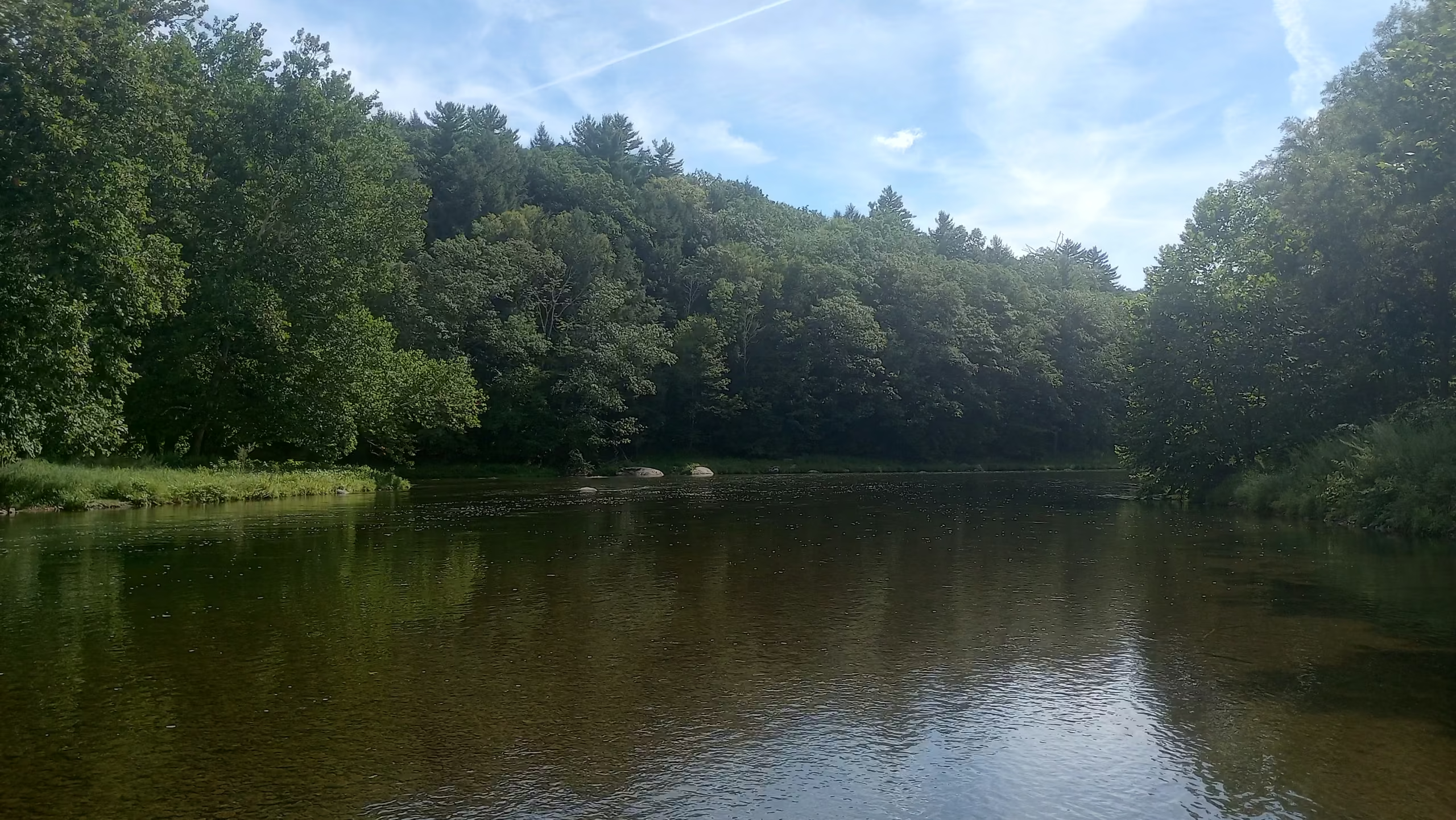
The Upper Delaware River is a bucket-list spot for anglers who want to chase epic summer hatches. With its cool, oxygen-rich flows, the river is home to wild trout that stay active even as the weather heats up. The water here creates thriving habitats for mayflies, caddis, and stoneflies, with diverse hatches that keep the fishing action lively all summer.
Unique Ecosystem and Hatches
Unlike many rivers, the Upper Delaware features both the West and East branches, each adding distinct qualities to the system. These branches provide steady cold water, which is perfect for supporting a wide range of aquatic insects. Come summer, you’ll find hatches of Sulphurs, Blue Winged Olives, and the famed Upper Delaware Cahills. This mix means there’s always something happening beneath the surface — and always a reason to wet a line.
Special Access for Hatch Hunters
The selected access points in this guide stand out because they give anglers direct entry to some of the most reliable hatch zones on the river. Each spot features a unique blend of river structure, depth, and flow, making it easier for you to time your fishing with the river’s natural rhythms. These locations were chosen with both convenience and productivity in mind, whether you’re a seasoned fly fisher or new to hatch-chasing on the Delaware.
With the stage set, a deeper look at the river system will help you plan your visit wisely.
Understanding the Upper Delaware River System
Unique Geography and Branches
The Upper Delaware River begins where the West and East branches meet near Hancock, New York. The West Branch provides cool, steady flows thanks to reservoir releases, which helps keep water temperatures safe for trout in the summer. The East Branch, meanwhile, brings its own currents and insect life. When these two meet, they create diverse currents and streamside habitats. This merging supports a wide variety of aquatic bugs and healthy wild trout populations.
Navigation Made Simple
Finding your way on the Upper Delaware can be tricky without guidance. Tools like DIY fly fishing maps offer a clear view of river access spots, trails, parking, and wading routes. These maps make it easier to plan trips, helping anglers pick the best sections for both safety and success.
Summer Hatch Patterns and Conditions
Summertime on the Upper Delaware is known for rich bug life. Sulphurs, Blue Winged Olives, and Cahills show up regularly. Hatch timing depends on water flows and daily temperatures, with cooler mornings and evenings often yielding the best action. The river’s flow can rise or fall quickly, so staying flexible with your approach helps maximize every day on the water.
Knowing the river’s makeup and summer conditions marks the start of any memorable fishing adventure here.
Access Point #1: Shehawken Access
Getting There and Parking
Shehawken sits just above where the West and East branches combine at the tip of Point Mountain. The parking lot is off Rt. 191 in PA at Cross Currents Outfitters.
Wading and Best Fishing Tactics
This confluence creates varied water depths and flows. Wading is manageable during moderate water levels—gravel bars and firm banks help, but always use caution when currents run high. Focus on working seams and eddies where feeding fish hold.
Summer Hatches and When to Fish
The river shines during Sulphur, Blue Winged Olive, and Cahill hatches. The action heats up early morning and cool evenings. Pay close attention to rising trout, especially just after sundown, for your best shot at wild browns and rainbows.
This iconic game waters area gives anglers a strong start as they explore other notable access points along the river.
Access Point #2: Buckingham Access (West Branch)
Getting There and Parking
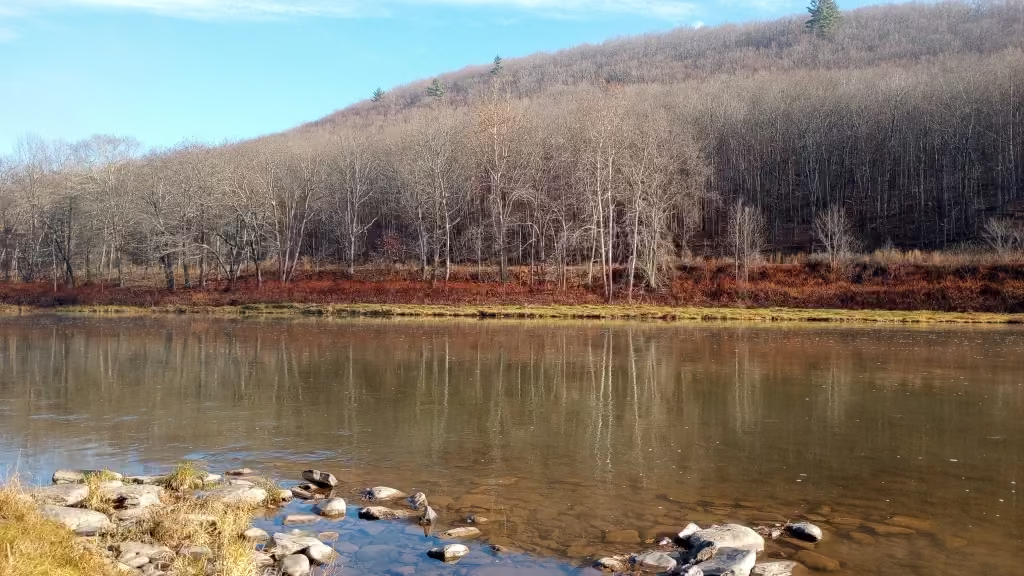
Buckingham Access sits conveniently along Route 191 on the PA side of the rive, making it an easy find for any angler. This designated entry point extensive parking, offering a smooth start to your fishing adventure on the Upper Delaware.
Wading and Best Fishing Tactics
The river here features shifting depths and changing flows. Wading can range from easy to moderately tricky based on water levels, so always check conditions before entering. Focus your efforts on seams and eddies—these are classic holding spots for trout lurking for drifting bugs.
Summer Hatches and When to Fish
This stretch truly shines during Sulphur, Blue Winged Olive, and Cahill hatches. Fish are most active early in the morning or in the cool of evening, especially right after sundown when hatches peak and trout rise everywhere.
Ready for the next water? Let’s continue exploring the river’s best summer fishing spots.
Access Point #3: Hale Eddy Bridge Area
Getting There and Access
Hale Eddy Bridge is reached by following Hale Eddy Road. Look for the clearly marked parking area near the bridge, making access simple and stress-free. Ample parking ensures busy summer days are still manageable.
Parking and Amenities
Parking is easy and safe, with close entry to the water. While main amenities are limited on-site, towns nearby offer spots to grab food, water, or supplies before hitting the river.
Wading and Productive Water
Expect a mix of riffles and deeper pockets. Wading can be moderate–steady footing is a must, especially at higher flows. Anglers often find success in the gentle seams and behind submerged rocks.
Key Summer Hatches
This stretch stands out for its summer Isonychia hatches. Peak fishing often happens in the late afternoon and into the evening, when trout sip from the surface under the cool shade. Watch for active risers and time your casts right to maximize success.
The river’s dynamic structure and consistent hatches make every trip here an exciting challenge.
Access Point #4: Lordville Access
Getting There and Parking
Lordville Access is easy to reach by following Lordville Road, just off the main routes to the river. Parking here is ample, with a gravel lot right by the access, making loading and unloading hassle-free. The area offers a clear, gradual path down to the river’s edge, ideal for quick gear changes.
Wading and River Features
Wading at Lordville is straightforward but requires attention. The river alternates between rocky riffles, smooth runs, and deeper pools. Most anglers find the moderate current manageable, though sturdy wading boots are helpful for traction over slippery stones. Focus on slower pools and current edges for trout during midday heat.
Summer Hatches and Peak Times
The Lordville stretch is prized for prolific Blue Winged Olive hatches throughout the warm months. Early mornings and evenings tend to bring the best surface activity, with trout feeding confidently on emerging insects. Staying alert as light fades often rewards you with the most exciting action.
Ready with your gear, keep an eye on changing water conditions and get set for new fly fishing challenges on the Upper Delaware.
Access Point #5: Callicoon Public Access
Getting There and Parking
To reach Callicoon Public Access, head north out of the village along River Road. The access point is clearly marked and easy to spot. Once you arrive, you’ll find a large gravel lot with ample parking. The riverbank is just a short walk from the parking area, making it easy to move your gear.
Wading and River Features
Expect a mix of rocky shallows and deeper, slower pools here. The current is steady, so sturdy wading boots and attention to footing are essential. Focus on the softer water near the banks or any visible eddies during brighter parts of the day.
Summer Hatches and Peak Times
Callicoon’s summer standout is the Sulphur Dun hatch, though you’ll also see other mayflies and caddis. Trout feed most actively during early mornings and late evenings when the river surface comes alive with rising fish. Bring your favorite dry flies and watch for surface action during these prime windows.
Enjoy the diverse challenges this stretch brings as you explore more exciting opportunities along the Delaware.
Essential Gear and Flies for Summer Hatch Fishing
Must-Have Fly Patterns
When fishing the Upper Delaware in summer, focus on Sulphur, Blue Winged Olive, Cahill, and Isonychia patterns. These flies match the river’s major hatches and fool selective trout. Dry flies in sizes 14–18 cover most needs. Don’t forget spinners and emergers—Sulphur and Olive spinners are especially effective on calm evenings.
Recommended Gear Setups
A 9-foot, 4- or 5-weight rod with a floating line works well for all access points. Use a 9-foot leader tapered to 5X or 6X for subtle presentation. Lightweight, breathable waders protect you during long summer days and rocky wading conditions.
Specialized Summer Equipment
Summer flows mean clear water. Polarized sunglasses cut glare and help spot rising trout. Keep a compact net and hemostats handy. Insect repellent and sun protection keep you comfortable and focused on the action.
Timing Your Trip: Hatch Calendar for the Upper Delaware
Month-by-Month Hatch Breakdown
June brings reliable Sulphur and Blue Winged Olive hatches. You’ll spot surface-feeding trout during evening hours or on cloudy days. By July, expect the Isonychia and Cahills to emerge, with late afternoons providing solid dry fly action. In August, hatches slow a bit; focus on mornings for sporadic Olives and the occasional Slate Drake.
Predicting and Planning Around Hatches
Keep an eye on water temperature and recent weather. Warm, humid days often lead to strong evening hatches. After cool nights, nymphing can be effective early, with dry fly action picking up as the sun sets.
Adjusting your timing and tactics based on these patterns can lead to better fishing throughout the summer.
Etiquette and Regulations for Upper Delaware Fishing
Understanding the Rules
Fishing on the Upper Delaware comes with strict regulations. Carry a current state fishing license for New York or Pennsylvania, depending on your river bank. Be aware of catch-and-release only sections and barbless hook requirements, which help keep trout populations healthy.
Sharing the Water
During summer hatches, access points can get crowded. Give fellow anglers plenty of space before wading in. Approach quietly, avoid wading through active runs, and communicate if you need to pass someone’s line. Simple courtesy on the river makes everyone’s day better.
Caring for the Fishery
Practice gentle catch and release—keep fish wet, use a soft net, and release them quickly. Pick up litter, stay on marked trails, and respect private property. Protecting the Upper Delaware ensures memorable fishing trips for years to come.
With careful attention to etiquette and rules, anglers can enjoy rewarding days on the river while helping protect this unique fishery.
Conclusion: Making the Most of Your Upper Delaware Summer Fishing Experience
Summer hatch fishing on the Upper Delaware is all about timing, preparation, and respect for the river. Each access point—whether you prefer Junction Pool’s dynamic water or Callicoon’s peaceful floats—offers its own advantages for chasing hatches and wild trout. Pack smart by bringing the right flies and gear for the season, and always watch water conditions. Stay updated with local hatch reports and river flows to make the most of your adventure. Above all, enjoy the unique rhythm that summer brings to this world-class fishery.



