
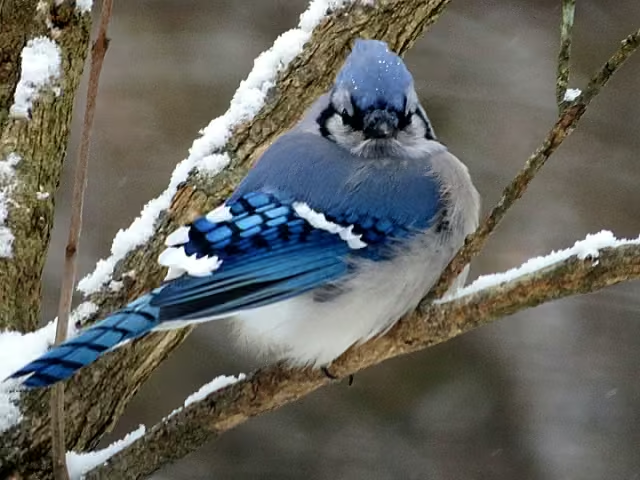
Understanding Peak Winter Bird Activity
Winter mornings unfold with a special kind of energy. If you’re a birdwatcher, you know that early morning hours, starting from sunrise, are when winter birds are most active. These hours are prime for observing myriad species engaged in their daily routines.
Morning Activity Surge
As the sun rises, you’ll notice a surge in bird activity. The chill of the early hours compels birds to head out in droves in search of food. The main drive behind their heightened activity is the need to find nourishment to sustain their energy levels through the cold.
Adapting to Cold
Birds in winter are particularly focused on finding food due to the reduced availability of resources. The cold temperatures make this quest even more urgent. You’ll observe them fluttering around feeders, pecking at berries, and investing considerable time in foraging. This differs significantly from other seasons where food might be more plentiful, and the urgency less pronounced.
Shorter Days Affect Behavior
Winter also brings shorter daylight hours, which in turn affects bird behavior and timing. With less daylight, birds must compress their activities into a shorter window of time. This results in more concentrated periods of activity, particularly during the early mornings when the day’s first light offers an opportunity to start feeding after a long, cold night.
Catching these moments when birds are driven by the imperative of survival offers a unique lens into the habits and adaptations of winter birdlife. The early hours can be a magical time to witness and experience the determination and spirited activity of these creatures.
The specific strategies you will need, ranging from planning your viewing time to optimizing your gear, are topics you’ll find particularly useful next.
Prime Morning Observation Window
Best Viewing Time: 30 Minutes Before Sunrise to Mid-Morning
The best time for winter birdwatching begins about 30 minutes before sunrise and extends into mid-morning. This prime window is when birds are most active and visible, primarily because they’re on high alert for food after enduring the cold night. The early start is justified; this is when birds look to replenish their energy reserves quickly, diving into their morning feeding routines with vigor.
Birds at Their Most Vocal and Visible
During this early morning period, birds are not only searching for food but are also at their most vocal. The dawn chorus, a symphony of bird songs, reaches its peak just as the sun starts to rise. This period of heightened vocal activity makes it easier to locate and identify different species by their calls. For avid birdwatchers, this is an invaluable aid in spotting shy or well-camouflaged birds that might otherwise go unnoticed.
Morning Light: Perfect for Identification
One of the best aspects of early morning birdwatching is the quality of the light. The soft, diffused light at dawn makes it easier to distinguish colors and patterns on birds, which is crucial for accurate identification. As the sun continues to rise and the light grows stronger, it offers outstanding clarity, highlighting even the smallest details on a bird’s plumage.
Being out in the field during this key observation window can offer a rewarding peek into the lives of winter birds, capturing their most essential and engaging activities. With the promise of continued activity in the late morning, enthusiasts remain engaged as they continue to watch and decipher the subtle shifts in bird patterns as the day progresses.
Now that we’ve delved into the prime morning observation window, it’s crucial to understand how to prepare for these early birdwatching sessions. The next chapter focuses on expert tips to ensure a fruitful and comfortable birdwatching experience during these peak hours.
Expert Tips for Early Morning Watching
For those who wish to make the most out of early morning birdwatching during winter, preparation is key. Here are some expert tips to help you have a successful and comfortable birdwatching experience.
Arrive Before Sunrise
To observe birds at their most active, you’ll want to arrive at your chosen observation spot before sunrise. This allows you to set up your viewing equipment without disturbing the birds as they start their day. Aim to be in place and ready at least 30 minutes before the sun comes up. This timing ensures you don’t miss the early feeding period when birds are eagerly searching for food, making them particularly visible.
Position Near Feeding Areas and Water Sources
Birds are creatures of habit, and they frequent areas where they know they can find food and water. Position yourself near known feeding hotspots or water sources. These locations can be ideal for watching a variety of species come to eat and drink. During winter, natural food can be scarce, so bird feeders and water sources become popular gathering spots where you can observe a range of behaviors and interactions.
Dress for Comfort
Winter conditions can be harsh, and being unprepared for the cold can shorten your birdwatching experience. Dress in layers so you can adjust to the changing temperatures as the morning progresses. Consider thermal underwear, insulated jackets, hats, gloves, and waterproof boots to stay warm. Additionally, bringing along a thermos of hot beverage can help keep you comfortable and focused during peak hours.
Key Takeaway
Effectively observing winter birds during their most active morning hours requires arriving before sunrise, positioning yourself strategically, and dressing appropriately for the cold. Following these expert tips will enhance your birdwatching experience and ensure you make the most of the prime observation window.
Understanding peak bird activity periods and preparing accordingly will help you enjoy and appreciate the subtle wonders of our feathered friends against the backdrop of a winter landscape.
Secondary Activity Periods
While the early morning is prime time for winter birdwatching, don’t pack up your gear just yet. Late morning can still offer plenty of bird activity, particularly around feeders.
Feeder Focal Points
As the morning progresses and temperatures begin to rise, birds continue their foraging missions with vigor. Feeders become bustling centers of activity, drawing in multiple species that may not have been out during the colder initial hours. This is a great time to spot more elusive or less common species that are cautious in the early frenzy. Observe the comings and goings around these feeders closely; you might be surprised by the variety that appears.
Warm-Up Rituals
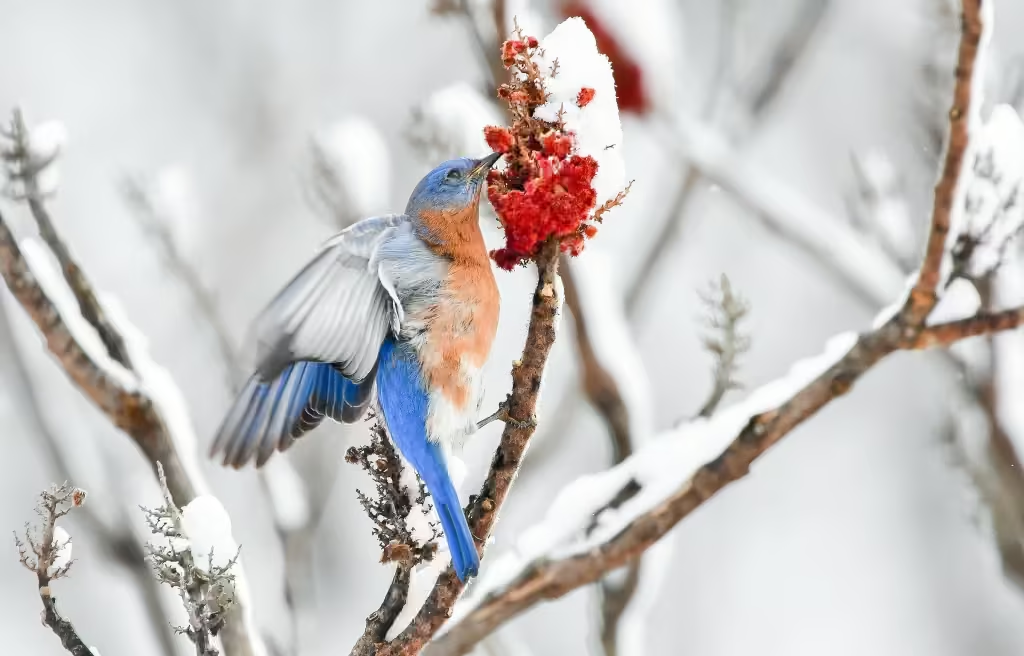
With the temperature gradually increasing, birds often shift their behaviors. Species that may have been conserving energy earlier start to move more freely. You’ll notice different styles of perching and feeding as birds warm up and go about their routine. This shift can also bring out unique behaviors like sunning, where birds spread their wings to soak in the sun’s rays, a perfect moment for further appreciating their often hidden plumage details and coloration.
Behavioral Changes Through the Day
As the day advances, paying attention to the changing behaviors among various bird species can be quite rewarding. Some birds will start to forage more actively as the ground warms up, uncovering insects or seeds previously hidden by frost. Other species might become more vocal, asserting territories or reestablishing social hierarchies. These behaviors are a tapestry of responses to environmental cues, offering a dynamic experience for patient observers.
Throughout the day, remaining adaptable and observant will help you make the most out of your birdwatching venture. So bundle up, keep your eyes sharp, and stay attuned to the shifts in avian activity as the day progresses.
Weather Considerations
Understanding how weather impacts bird behavior can significantly enhance your birdwatching experience during winter.
Pre and Post-Storm Activity
Birds are especially active before and after winter storms. Anticipating a storm, birds increase their feeding activity to build up energy reserves to sustain themselves through harsh conditions. Similarly, after a storm has passed, birds will emerge, often in greater numbers, to replenish the energy they spent waiting out the storm. Watching birds during these periods can offer a unique and lively spectacle.
Ideal Weather for Birdwatching
Clear, calm mornings are the best times for winter birdwatching. Without harsh winds or precipitation to contend with, birds are more likely to be out in the open, engaging in their usual activities. The stillness and better visibility allow for easier identification and observation of various species. Additionally, the clear light of a calm morning enhances the viewing experience, making birds’ colors and patterns more distinguishable.
Weather Patterns and Bird Behavior
Different weather patterns can influence bird behavior subtly. On colder days, birds tend to be more active around feeders and other reliable food sources as they need consistent energy to maintain their body heat. During milder days, you might notice birds engaging more in social behaviors or preening. Observing these changes can provide deeper insights into the adaptive behaviors of birds.
Understanding these weather-related patterns will help you to predict optimal birdwatching times and ensure that your winter birdwatching is both rewarding and comfortable.



