

Understanding Active Listening in Guest Services
Definition and Importance of Active Listening in a Guest Service Environment
Active listening in guest services means truly hearing, comprehending, and responding to guests’ needs and concerns. It’s more than just hearing words; it’s about understanding the emotions and intentions behind them. In a guest service environment, this skill is vital. It ensures guests feel valued, heard, and cared for, which enhances their overall experience.
How Active Listening Differs from Passive Hearing
Active listening is proactive and engaging. It requires focus, empathy, and interaction. Passive hearing, on the other hand, is simply receiving sound without necessarily processing or understanding it. While passive hearing is involuntary and effortless, active listening is intentional and requires practice and attention.
The Direct Impact of Active Listening on Team Performance and Guest Satisfaction
Active listening directly influences both team performance and guest satisfaction. When team members actively listen to guests, they can accurately address their needs and provide high-quality service, leading to increased guest satisfaction and loyalty. Additionally, within the team, active listening fosters better communication, reduces misunderstandings, and promotes a collaborative and supportive work environment.
This foundation of active listening sets the stage for deeper engagement and more effective interactions in guest services.
Core Components of Active Listening
Physical Engagement: Maintaining Eye Contact and Proper Body Language
One of the first steps to engaging in active listening is physical engagement. This means making direct eye contact to show attentiveness and respect. However, it’s important to balance eye contact as too much can be intimidating. Aim for natural, comfortable intervals.
Additionally, body language plays a critical role. Leaning slightly forward, nodding occasionally, and facing the speaker directly can convey genuine interest. Conversely, crossing arms or frequently checking your watch can signal disinterest. Proper body language builds trust and encourages openness, creating a positive interaction with guests.
Mental Focus: Staying Present and Avoiding Distractions
Active listening involves more than just physical presence; mental focus is key. This means staying present in the moment and avoiding distractions. Guests should feel that they have your undivided attention.
To achieve this, limit multi-tasking. Silencing your phone and maintaining a clear, uncluttered environment helps. Also, be mindful of internal distractions such as daydreaming. Focusing on the speaker’s words and emotions helps in understanding their needs better, leading to more effective service.
Verbal and Non-Verbal Acknowledgment Techniques
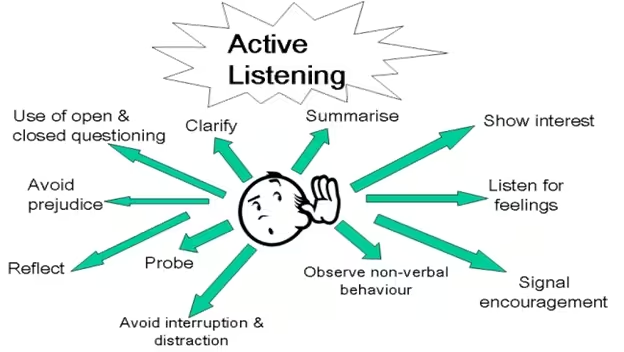
Acknowledging the speaker, both verbally and non-verbally, is vital in active listening. Verbal acknowledgments include short responses like “I see,” “Right,” and “I understand.” These encourage the speaker and show that you are following the conversation.
Non-verbal cues are equally important. Nodding, smiling, and appropriate facial expressions convey empathy and attentiveness. These techniques combined create a strong rapport with guests, enhancing their overall experience.
Transitioning to practical techniques and challenges in the subsequent chapters, mastering these core components will lay a solid foundation for exemplary guest services.
Building Team Cohesion Through Active Listening
How Active Listening Creates Stronger Bonds Between Team Members
Active listening significantly contributes to creating stronger bonds within a team. When each team member feels heard and understood, trust and mutual respect naturally develop. This trust allows team members to rely on one another and collaborate effectively, knowing their ideas and concerns will be genuinely considered. Stronger bonds form through active listening. These bonds create a supportive atmosphere. In this environment, everyone is encouraged to contribute their best work.
Reducing Miscommunication and Conflicts Through Better Listening Practices
Miscommunication and conflicts are common challenges in any team, but active listening can drastically reduce their occurrence. By truly listening to one another, team members can comprehend the intended message without misinterpretations. This clarity in communication aids in addressing issues promptly and prevents minor misunderstandings from escalating into larger conflicts. Additionally, better listening practices help in recognizing and resolving tensions early on, maintaining a harmonious working relationship.
Fostering a Supportive Team Environment Where All Voices Are Heard
A supportive team environment is one where every individual feels valued and included. Active listening plays a crucial role in ensuring all voices are heard. When team members actively listen to each other, they demonstrate that everyone’s input is important. This inclusive atmosphere encourages openness and innovation, as team members feel safe to share diverse ideas and perspectives. Moreover, it creates a culture of continuous improvement and collaboration, leading to a more productive and fulfilling work environment.
Building an effective team in a guest service setting requires more than just individual excellence—it requires cohesive and supportive teamwork. By fostering an environment where active listening is practiced regularly, teams can achieve higher levels of collaboration and efficiency. Efforts to hone active listening skills will benefit internal team dynamics. They will also enhance the overall guest experience through improved service and attention to detail.
Practical Active Listening Techniques for Service Teams
Implementing the HEAR Method (Halt, Engage, Anticipate, Respond)
A practical approach to active listening in service teams is the HEAR method. This method is built on four essential steps:
- Halt: Pause what you are doing to give the speaker your full attention. This action demonstrates that you value their message and are ready to listen.
- Engage: Use eye contact and affirmative body language. Nod, smile, and show that you are investing yourself in the conversation.
- Anticipate: Be mindful of the speaker’s needs and emotions. Predict their concerns and show empathy in your responses.
- Respond: Provide thoughtful feedback and ask clarifying questions. Confirm your understanding by summarizing what the speaker has said.
Strategies for Managing Interruptions and Maintaining Focus
Maintaining focus during conversations is crucial, especially in busy service environments. Here are some effective strategies:
- Set Boundaries: Politely ask if the conversation can pause for urgent tasks or if it needs to be addressed immediately. This sets clear expectations.
- Manage Physical Space: Minimize distractions by creating a comfortable environment for both you and the guest or team member.
- Use a Notepad: Jot down key points of the conversation to stay focused and ensure nothing gets missed. This helps in managing interruptions without losing track.
Techniques for Confirming Understanding and Providing Meaningful Feedback
Effective communication involves ensuring that all parties accurately understand each other. Here are some techniques:
- Paraphrasing: Repeat back what the speaker has said in your own words to confirm understanding. For example, “So, you’re saying that…”
- Ask Open-Ended Questions: Questions like “Could you explain further?” or “What do you think should happen next?” encourage more detailed responses.
- Provide Affirmative Feedback: Acknowledge the speaker’s points with responses like “I see where you’re coming from” or “That makes sense”. This demonstrates that you value their input.
By refining these techniques, service teams can enhance their listening skills. This improvement paves the way for better team cohesion. It also leads to improved guest experiences.
Next, we will explore ways to overcome common challenges in active listening that service teams often face.
Overcoming Common Active Listening Challenges
Active listening in guest services can be particularly challenging in high-stress situations. It can also be difficult in diverse cultural settings. Busy environments with multiple conversations happening simultaneously add to the challenge. Overcoming these challenges is essential to maintain the quality of service and team cohesion.
Dealing with High-Stress Situations While Maintaining Listening Focus
Guest services environments can often be high-pressure, especially during peak hours or when dealing with difficult guests. In these moments, maintaining active listening can be challenging but is crucial to de-escalate situations and ensure guest satisfaction.
- Stay Calm: Practice deep breathing techniques to stay calm and focused during high-stress interactions.
- Pause and Reflect: Before responding, take a moment to gather your thoughts. This can help you process information more effectively and reduce reactive responses.
- Empathize: Show empathy by acknowledging the guest’s concerns, which fosters a connection and often eases tension.
Navigating Language Barriers and Cultural Differences
Communication in guest services is not always straightforward, especially when language barriers and cultural differences come into play. Active listening can help bridge these gaps effectively.
- Use Simple Language: Avoid jargon and speak in clear, simple terms to make your message more understandable.
- Non-Verbal Cues: Pay attention to body language and facial expressions as they can convey understanding more universally than words.
- Clarify and Confirm: Always clarify any uncertainties and ask guests to confirm their needs. This ensures that both parties are on the same page.
Managing Multiple Conversations in Busy Service Environments
Busy service environments often require handling multiple conversations at once. This can dilute focus and reduce the effectiveness of active listening.
- Prioritize: Focus on one conversation at a time as much as possible, giving each guest your full attention.
- Signal Engagement: Use non-verbal signals, such as nodding or eye contact, to show you are listening, even if you’re multitasking.
- Utilize Technology: Employ tools like headsets or digital note-taking apps to manage information efficiently and reduce repeated conversations.
By employing these techniques, teams can overcome common active listening challenges and maintain a high level of service quality. Transitioning from managing stress and barriers is important. Implementing metrics will ensure these listening skills continually improve. This will benefit the entire guest service environment.
Measuring and Improving Active Listening Skills
Key Performance Indicators for Evaluating Active Listening Effectiveness
To enhance active listening within your team, it’s crucial to establish key performance indicators (KPIs). These markers help gauge listening effectiveness and identify areas for improvement:
- Guest Feedback: Often, the most direct way to measure listening effectiveness is through guest feedback. Surveys and comment cards can provide valuable insights into how well guests felt understood and valued.
- Resolution Time: Track how quickly issues are resolved. Effective listening can lead to quicker, more accurate problem-solving.
- Repeat Guest Rate: High levels of active listening tend to increase guest satisfaction, leading to higher rates of return visitors.
- Employee Engagement: Measure team morale and engagement. High engagement correlates with strong active listening skills and a supportive working environment.
Implementing Regular Feedback and Training Sessions
To maintain and improve active listening skills, regular feedback and training are essential:
- Role-Playing Exercises: These simulations can help team members practice listening in a controlled environment, allowing for immediate feedback.
- Feedback Cycles: Create a system where peers and supervisors regularly provide constructive criticism focused on listening skills.
- Workshops and Training Programs: Invest in periodic training sessions. These should emphasize the principles of active listening. This includes maintaining eye contact, staying focused, and using acknowledgment techniques.
Creating Accountability Systems for Continuous Improvement
For sustained improvement, accountability systems should be put in place:
- Personal Development Plans: Encourage each team member to set personal goals related to active listening and monitor their progress.
- Regular Check-Ins: Managers should schedule regular one-on-one meetings to discuss listening performance and areas for growth.
- Team Metrics: Track team-wide metrics related to active listening, such as guest satisfaction scores and internal communication efficiency. Share these metrics openly to foster a culture of continuous improvement.
By measuring and constantly improving active listening skills through KPIs, regular training, and accountability systems, guest service teams can achieve remarkable results. These initiatives enhance the overall service quality. They also strengthen team cohesion. This creates an environment where everyone feels heard and valued. As a result, there are exceptional guest experiences.



