
Understanding Winter Driving Challenges
Overview of unique hazards presented by winter weather conditions
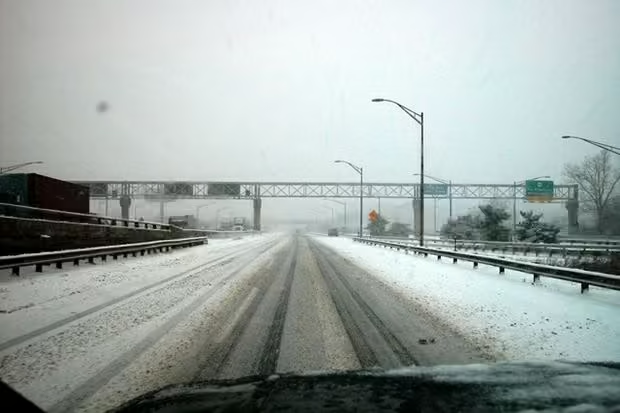
Winter driving presents unique challenges that can quickly turn a routine trip into a dangerous endeavor. Snow and ice significantly reduce tire traction, making it easier to lose control of your vehicle. Visibility can be dramatically impaired by heavy snowfall, fog, or the blinding reflection of the sun on snow-covered landscapes. Additionally, the presence of black ice, a thin but extremely slippery layer of transparent ice on roads, can catch even the most experienced drivers off guard.
Impact of cold temperatures on vehicle performance
Cold weather has a broad range of effects on your vehicle’s performance. For one, the battery has to work harder. In subzero conditions, the chemical reactions within the battery slow down, reducing its power output. Engine oil thickens, making it less effective at lubricating engine parts, which can lead to increased wear and tear. Additionally, tire pressure drops about 1 PSI for every 10-degree Fahrenheit drop in temperature, potentially leading to underinflated tires that reduce control and fuel efficiency. Fuel lines can freeze in extremely cold conditions, preventing the engine from starting.
Common winter driving misconceptions and realities
There are a number of misconceptions about winter driving that can lead to risky behavior on the road. A common belief is that four-wheel and all-wheel drive vehicles are invincible in winter conditions. While these systems offer better traction and control, they don’t make your vehicle immune to the laws of physics. Overconfidence can still lead to accidents.
Another myth is that pumping your brakes helps stop your vehicle on ice. Modern vehicles equipped with ABS (Anti-lock Braking System) are designed to handle this for you, and pumping the brakes can actually reduce stopping power in these cases. Lastly, some drivers think it’s fine to drive just as they would in clear conditions. Adjusting speed and allowing extra space between vehicles to account for increased stopping distances are critical in winter conditions.
Understanding these challenges can greatly enhance your ability to navigate winter roads safely. By recognizing the unique hazards, the impact of cold temperatures on your vehicle, and debunking common misconceptions, you can better prepare for the realities of winter driving.
Essential Winter Vehicle Preparation
Importance of Maintaining a Fuller Gas Tank to Prevent Freezing
One key aspect of winter vehicle preparation often overlooked is maintaining a fuller gas tank. During cold weather, a fuller tank prevents water vapor from getting into the fuel lines and freezing. This can keep your car running smoothly and can help you avoid inconvenient and potentially dangerous breakdowns in frigid conditions. Additionally, having sufficient fuel ensures the car’s heater can run longer if you get stranded.
Critical Vehicle Maintenance Checks for Winter Readiness
Pre-winter vehicle maintenance is crucial for safe driving during the colder months. Here are some essential checks to ensure your vehicle remains dependable:
- Battery Health: Cold weather affects the efficiency of your vehicle’s battery. Make sure your battery is in good condition and consider replacing it if it’s more than a few years old.
- Tire Tread and Pressure: Adequate tire tread depth is essential for traction on snowy or icy roads. Also, monitor tire pressure regularly as cold temperatures can lower it.
- Engine Coolant and Antifreeze: Ensure levels are topped up and that the mixture of antifreeze and water is suitable for winter temperatures.
- Wipers and Washer Fluid: Replace wiper blades to maintain good visibility and use winter washer fluid to prevent freezing.
Recommended Winter-Specific Vehicle Modifications and Equipment
Outfitting your vehicle with winter-specific modifications and equipment can enhance safety during harsh conditions:
- Winter Tires: These provide better grip compared to all-season tires, making them essential for reducing the risk of skidding.
- Snow Chains or Traction Mats: Handy in regions with heavy snowfall, these can provide extra traction if you are stuck.
- Heated Seats and Steering Wheel Covers: These make driving in cold weather more comfortable, helping you stay focused on the road.
- Emergency Winter Kit: Always have a kit with essentials like blankets, a flashlight, a first aid kit, and a shovel.
Maintaining a fuller gas tank and adhering to these winter preparedness tips can significantly enhance your driving experience and safety during the winter season. Remember, proper preparation is the first step to tackling winter driving challenges confidently.
Building Your Winter Emergency Kit
Essential Survival Items
Creating a well-stocked emergency kit is crucial for facing unexpected winter road situations. Here are some essentials to consider:
- Food and Water: Pack non-perishable food items like granola bars, nuts, and dried fruits. Carry bottles of water, but be mindful of them freezing in extremely low temperatures.
- Warm Clothing: Include extra layers such as thermals, wool socks, gloves, a hat, and a heavy-duty jacket. A warm blanket or sleeping bag is also indispensable.
These items help ensure you stay nourished and warm if you’re stranded during a winter drive.
Emergency Tools and Equipment
Specific tools can make a significant difference in dealing with winter driving hazards:
- Shovel: A collapsible shovel can help you dig out your vehicle if it gets stuck in snow.
- Ice Scraper and Snow Brush: These tools are essential for clearing ice and snow from your windshield and windows.
- Jumper Cables: Cold temperatures can drain your battery, so having jumper cables is vital for a quick start.
- Traction Mats or Sand: These can aid in gaining traction on icy or snowy surfaces.
- Flashlights and Batteries: Ensure that these are reliable and easily accessible.
These tools equip you to handle minor emergencies and improve your chances of staying safe while waiting for help.
Medications and Personal Necessities
Don’t overlook the importance of keeping medications and personal necessities within easy reach. Here’s what you should consider:
- Medications: Include any prescription medications you or your passengers take regularly. Also, consider stockpiling over-the-counter essentials like pain relievers and antihistamines.
- Personal Necessities: Hygiene items such as wet wipes, hand sanitizers, and tissue packs can be helpful. Additionally, a multi-tool, a whistle for signaling, and a fully charged power bank for your phone are recommended.
By ensuring these items are part of your winter emergency kit, you are better prepared to manage discomfort and any specific needs that arise during an emergency situation.
Being prepared with the right supplies is just one part of safe winter driving. Equally important are the practical techniques for driving in winter conditions.
The Three Pillars of Safe Winter Driving
Techniques for Maintaining Alertness During Winter Drives
Winter driving demands heightened awareness. The monotony of endless snowy roads can cause drivers to become drowsy. To stay alert, ensure you are well-rested before starting your journey. Caffeine can offer a temporary boost, but do not rely solely on coffee or energy drinks. Take regular breaks by pulling over safely to stretch your legs and refresh your mind. Engage in light conversation if you have passengers or listen to lively music to keep your concentration sharp.
Proper Speed Adjustment Strategies for Winter Conditions
Adjusting your speed to meet winter driving conditions is crucial. Snow and ice significantly reduce tire traction, so slow down even if you’re driving a four-wheel-drive vehicle. Increase your following distance to allow more time to react to sudden stops. On icy or snowy roads, drive below the posted speed limits, keeping in mind that your vehicle’s stopping distance increases. Avoid abrupt movements – gradual acceleration and gentle braking will help maintain control.
Methods for Maintaining Vehicle Control on Slippery Surfaces
Maintaining vehicle control on slippery surfaces demands skill and calmness. If you start to skid, remain calm and avoid slamming on the brakes, which can worsen the skid. Instead, steer in the direction you want the front of the car to go. For rear-wheel skids, ease off the accelerator. For front-wheel skids, shift to neutral and steer where you want to go without overcorrecting. Practice these techniques in a safe, open area to build confidence for real-world scenarios.
Anticipation and patience are key to safe winter driving. By remaining alert, adjusting your speed, and mastering skid recovery, you can navigate winter roads more safely. Remember, preparation and a calm approach can make a world of difference.
Responding to Winter Driving Emergencies
Steps to Take if Your Vehicle Becomes Stuck in Snow
Getting stuck in the snow is a common winter driving challenge. If this happens, don’t panic. First, ensure that you and your passengers are safe and visible to other drivers. Turn on your hazard lights immediately. Assess the situation and if it’s safe, try these steps to get unstuck:
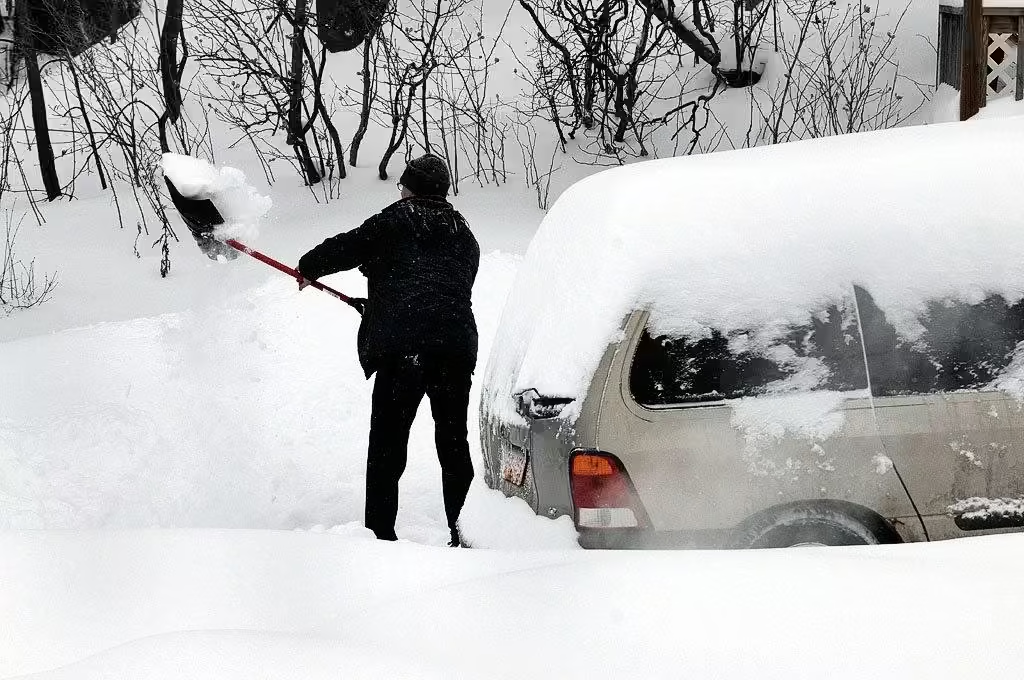
- Clear snow away from the tires, especially in the direction you plan to move. Use a shovel from your emergency kit to dig out.
- Spread sand, kitty litter, or salt around the drive tires to provide extra traction.
- Engage the lowest gear on your vehicle—in most cases, this might be 1st gear or ‘L’ for ‘Low’.
- Gently press the gas pedal to slowly rock the vehicle back and forth. Avoid aggressive acceleration to prevent spinning the wheels further into the snow.
If these steps don’t work, it’s wise to call for roadside assistance. Remaining calm and making cautious decisions are paramount.
How to Handle Skids and Loss of Control Situations
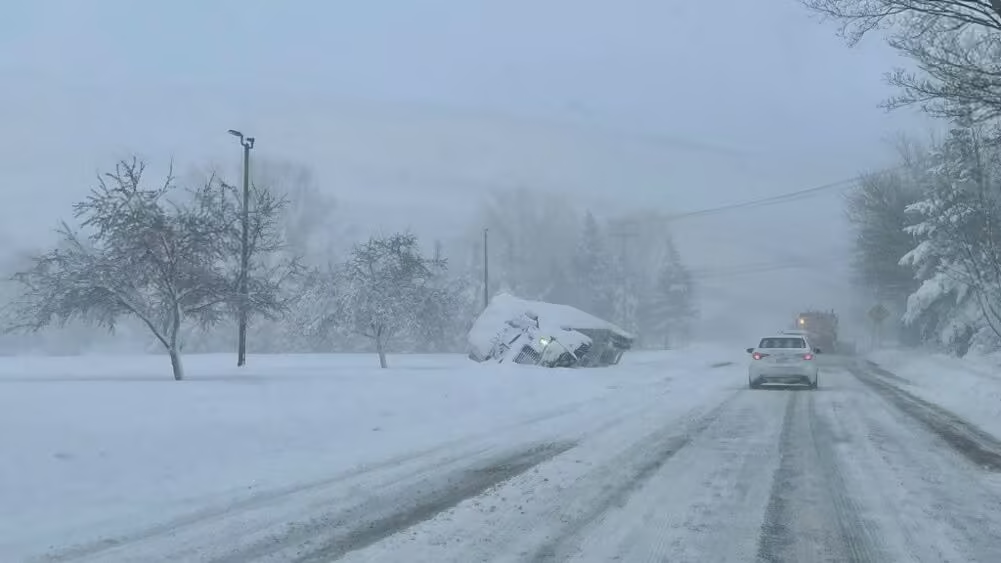
One of the most unnerving experiences in winter driving is losing control of the vehicle. If you encounter a skid:
- Front-Wheel Skids: Often caused by braking too hard. Remove your foot from the brake pedal and steer in the direction you want the front of the car to go. Wait for the tires to regain traction before accelerating gently.
- Rear-Wheel Skids: Typically occur when you lose traction on the rear tires. Take your foot off the gas pedal. Steer gently in the direction you want the car to go. Avoid oversteering and wait for the car to align with the direction you are steering.
Remember, staying off the brake is critical during a skid. Regaining control requires patience and steady movements.
When and How to Safely Abandon Travel Plans
Sometimes the best response to winter driving emergencies is to not proceed. If conditions worsen, it’s safer to abandon travel plans than push forward. Here’s how to make this decision:
- Assess the Conditions: If visibility is near zero and road conditions are extremely hazardous, it’s better to stay put.
- Communicate Your Status: Let someone know your location and that you are stopping. This ensures rescue efforts can find you if necessary.
- Stay Warm: Keep the car running if fuel allows and periodically clear exhaust pipes of snow to prevent carbon monoxide buildup.
- Wait for Help: If conditions don’t improve and you’re stranded, stay with your car until help arrives. Leaving your vehicle can be dangerous.
Stopping your journey can be inconvenient, but safety always comes first. Being prepared and knowing how to respond in winter driving emergencies equips you to face the road with confidence.



