

Understanding Active Listening in Hospitality
Definition and Core Components of Active Listening
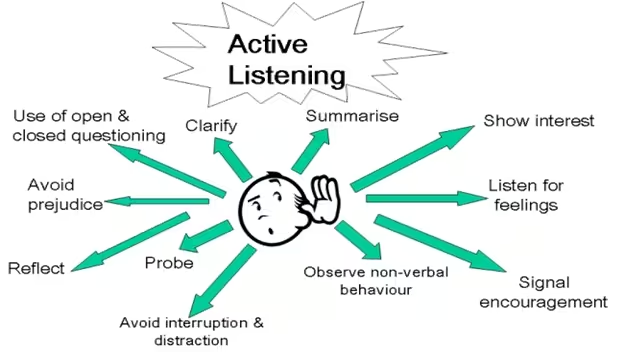
Active listening is a critical communication skill that goes beyond merely hearing words. It involves fully engaging with the speaker, understanding their message, and responding thoughtfully. The core components of active listening include:
- Paying close attention: Focus entirely on the speaker without distractions.
- Reflecting and paraphrasing: Summarize what the speaker has said to show understanding.
- Asking clarifying questions: Ensure you correctly interpret the message.
- Providing feedback: Offer verbal and non-verbal cues, such as nodding or saying “I see.”
Difference Between Hearing and Actively Listening
At its most basic level, hearing is a physiological process that occurs when sound waves hit your eardrum. However, actively listening requires a deliberate effort to understand and process the information being conveyed. While hearing involves auditory perception, actively listening combines both cognitive and emotional engagement. Active listeners decode the message, evaluate its content, and engage in empathetic interactions.
Why Active Listening is Crucial in the Hospitality Industry
Active listening is paramount in hospitality due to the industry’s focus on guest experience and satisfaction. Here’s why it matters:
- Enhances guest satisfaction: When guests feel heard, they are more likely to have a positive experience and feel valued.
- Improves service quality: Staff can better understand guest needs and preferences, leading to more personalized service.
- Fosters loyalty: Positive experiences resulting from active listening can turn one-time visitors into repeat guests and brand advocates.
- Reduces miscommunication: Clearer understanding between guests and staff minimizes misunderstandings and enhances service efficiency.
A polished understanding of active listening not only drives guest satisfaction but also sets the foundation for deeper connections, smoother interactions, and the overall success of the hospitality business.
Key Elements of Active Listening
Maintaining Appropriate Eye Contact and Body Language
Eye contact and body language play vital roles in active listening. Maintaining eye contact shows guests that you value their presence and are genuinely interested in what they have to say. It helps in building an immediate connection and makes the guest feel acknowledged. Alongside eye contact, body language such as nodding, leaning slightly forward, and an open stance can further communicate attentiveness and engagement. These physical cues collectively create a welcoming atmosphere, fostering a comfortable space for dialogue.
Providing Verbal and Non-verbal Feedback Cues
Feedback cues are essential to ensure the guest feels heard and understood. Verbal cues include phrases like “I understand,” “I see,” or repeating back what the guest has said in your own words to confirm comprehension. Non-verbal cues can complement these verbal affirmations. Nodding, smiling, and mirroring the guest’s emotions through your expressions help convey empathy and attention. These cues not only demonstrate active listening but also enhance the overall guest experience by making them feel valued and respected.
Demonstrating Genuine Interest and Attention
Active listening goes beyond verbal and non-verbal cues; it involves demonstrating genuine interest in the guest’s concerns or stories. This means focusing entirely on the conversation without distractions, avoiding interrupting, and asking relevant questions. By showing curiosity and empathy, you reveal a deeper level of engagement. This dedication to authentic interaction significantly enriches the guest’s experience, helping to build a lasting rapport and a foundation of trust.
By mastering these elements of active listening, hospitality professionals can improve their guest interactions and cultivate a positive environment, laying the groundwork for stronger relationships and exceptional service.
Building Trust Through Active Listening
How Active Listening Creates Emotional Connections with Guests
Active listening in hospitality transforms ordinary interactions into meaningful connections. When guests feel genuinely heard, they become more comfortable and open, enriching their overall experience. Engaging in active listening shows empathy and understanding, which naturally fosters rapport and loyalty. This emotional connection isn’t limited to specific situations but is a continuous process that deepens trust over time.
Establishing Credibility and Professionalism
Credibility and professionalism are cornerstones of a reputable hospitality establishment. By actively listening, staff members demonstrate their competence and dedication to the guest experience. Key indicators of professionalism include acknowledging guest concerns promptly, validating their feelings, and providing clear, timely responses. When guests perceive that they are being listened to, they equate this with a higher level of service and reliability. This perception directly enhances the establishment’s reputation.
Creating Lasting Positive Impressions
Creating lasting positive impressions starts with attentive listening. Every interaction is an opportunity to impress and retain guests. Small actions, such as remembering preferences, addressing guests by their names, and following up on previous conversations, can significantly impact guest satisfaction. Active listening is not only about solving immediate issues but creating memories that encourage guests to return. Positive impressions lead to word-of-mouth recommendations, which are invaluable for business growth.
Active listening is a vital skill that goes beyond immediate interactions to build long-term relationships in the hospitality industry. By focusing on emotional connection, credibility, and professionalism, hospitality professionals can achieve enhanced guest satisfaction and loyalty.
Conflict Prevention and Resolution
Identifying Potential Issues Before They Escalate
Effective conflict resolution begins with identifying issues before they become larger problems. In the hospitality industry, being proactive is key. Observing guests’ body language and listening to subtle complaints can reveal potential concerns. For example, if a guest seems frustrated or is pacing, it’s likely an indicator that something is amiss. By paying close attention to these signals and addressing them promptly, staff can prevent dissatisfaction from escalating.
Using Active Listening to Defuse Tense Situations
Active listening is a powerful tool to defuse tense situations. When a guest is upset, acknowledging their feelings and providing them with the space to express their concerns can significantly reduce tension. It’s crucial to listen without interruption and validate their emotions by reflecting back what you’ve heard. Phrases like “I understand how this could be frustrating for you” show empathy and help diffuse anger. By demonstrating that you are genuinely interested in solving their problem, you can turn a negative experience into a positive interaction.
Turning Complaints into Opportunities for Service Recovery
Complaints, when handled correctly, can become invaluable opportunities for service recovery. Active listening allows you to fully understand the issue at hand and respond in a way that exceeds guest expectations. Steps involved in turning complaints into positive experiences include:
- Acknowledging the Complaint: Begin by sincerely apologizing and acknowledging the guest’s dissatisfaction.
- Finding a Solution: Actively listen to the guest’s needs and collaborate on finding a resolution that satisfies them.
- Following Up: Ensure you follow up with the guest to confirm their issue has been resolved and to thank them for bringing it to your attention.
By effectively addressing complaints through active listening, you can transform potentially negative experiences into loyal customer relationships.
Active listening plays a crucial role in not just preventing and resolving conflicts, but also in building strong emotional connections with guests, fostering long-term loyalty, and enhancing guest satisfaction.
Practical Implementation Strategies
Training Staff in Active Listening Techniques
Empowering your team with robust active listening skills is fundamental in elevating guest relations. Begin by incorporating training modules focused on the core components of active listening, including the importance of observing non-verbal cues, making eye contact, and responding thoughtfully. Role-playing exercises can be highly beneficial, allowing staff to practice real-life scenarios and receive constructive feedback. Regular workshops and refresher courses will help maintain these skills and keep staff updated on best practices.
Developing Standard Operating Procedures That Emphasize Listening
To ensure consistency, develop standard operating procedures (SOPs) that clearly define the expectations for active listening. These SOPs should outline specific actions, such as maintaining eye contact, mirroring guest body language, and providing verbal affirmations. Incorporate guidelines for handling common situations such as guest complaints or requests, ensuring that staff are equipped to employ active listening effectively. Creating a culture where listening is valued will enhance service quality and guest satisfaction.
Measuring and Monitoring Listening Effectiveness
To gauge the effectiveness of active listening implementation, establish metrics that can be monitored regularly. Methods may include routine guest satisfaction surveys, feedback forms, and mystery shopper evaluations. Gather and analyze data to identify areas for improvement and recognize exemplary behavior. Regular feedback sessions with employees can also help refine listening skills and reinforce the importance of attentive, empathetic communication.
Maintaining an ongoing focus on developing these skills will enrich guest interactions and foster a welcoming atmosphere for all.
Long-term Benefits and Outcomes
Impact on Guest Satisfaction and Loyalty
Active listening significantly boosts guest satisfaction and loyalty in the hospitality industry. When guests feel heard and understood, they are more likely to have a positive experience and choose your services again. This emotional connection ensures they feel valued, leading to repeat visits and positive word-of-mouth referrals.
Positive Effects on Employee Engagement and Performance
Training staff in active listening also enhances employee engagement and performance. Employees who practice active listening are better communicators, more empathetic, and develop stronger relationships with their colleagues and guests. This fosters a more collaborative and supportive work environment, helping to increase job satisfaction and reduce turnover.
Contribution to Overall Business Success
The cumulative effect of these improvements ultimately contributes to a business’s overall success. High guest satisfaction translates to positive reviews and higher occupancy rates. Engaged employees provide exceptional service, enhancing the establishment’s reputation. Collectively, these elements lead to sustained financial performance and a competitive edge within the market.



