
Understanding Bushwhacking in the Catskills
Definition and Appeal of Bushwhacking as an Off-Trail Adventure
Bushwhacking, the art of trekking off-trail in wilderness areas, offers a unique blend of adventure and solitude. Unlike marked trails, bushwhacking requires navigating through dense forests, over rugged terrains, and across streams, often without a clear path. This type of adventure appeals to those seeking a deeper connection with nature, away from the crowds and well-trodden paths. The thrill of uncovering hidden landscapes and the sense of accomplishment that comes from successfully navigating challenging terrain are significant draws for bushwhackers.
Legal Considerations and Leave No Trace Principles
When bushwhacking in the Catskills, it’s crucial to be aware of legal considerations. Ensure that you’re on public land or have obtained permission to cross private property. Following Leave No Trace principles is essential to minimize your impact on the environment. This includes packing out all trash, respecting wildlife, and avoiding damage to vegetation. Staying mindful of these guidelines helps preserve the beauty and integrity of these wild areas for future adventurers.
Why the Catskills are Ideal for Remote Exploration
The Catskills are a prime destination for bushwhacking enthusiasts due to their diverse and rugged landscapes. With over 700,000 acres of forested mountains, valleys, and waterfalls, the region offers endless opportunities for remote exploration. The mix of dense woodlands, steep peaks, and secluded streams provides the perfect setting for an off-trail adventure. Additionally, the lesser-known areas of the Catskills provide a more serene experience. These areas are free from the hustle and bustle of popular hiking spots. As you navigate the hidden corners of this stunning region, you’ll uncover its many surprises, ranging from unique geological formations to serene swimming holes.
Exploring the Catskills through bushwhacking allows for unparalleled adventure. It also offers a deeper appreciation for the wild beauty of this remarkable region.
Essential Skills and Preparation
Navigation Tools and Map Reading Fundamentals
Mastering the art of navigation is crucial for a successful bushwhacking adventure in the Catskills. Start with a reliable topographic map and a durable compass. Topographic maps offer detailed information about the terrain, including elevation changes, water bodies, and vegetation types. Learning how to read these maps will be essential in identifying potential routes and avoiding natural obstacles.
A GPS device or smartphone with a reliable mapping app is also beneficial, but always carry a backup in case of battery failure or technical issues. Practice triangulating your position using both map and compass to ensure you can navigate if technology fails.
Physical Conditioning and Mental Preparation
Bushwhacking requires a higher level of physical fitness compared to standard hiking due to its off-trail nature. Prepare your body by incorporating strength training, cardio, and flexibility exercises into your routine. Core and leg strength, in particular, are vital for tackling uneven terrain and climbing over obstacles.
Mental preparation is equally important. Develop a positive mindset and be ready to face unexpected challenges. Plan your route meticulously, but remain flexible and open to adjusting plans based on on-ground conditions.
Must-Have Gear and Emergency Supplies for Backcountry Travel
Packing the right gear can make or break your bushwhacking experience. Essentials include:
- Navigation tools: Topographic map, compass, GPS device, and/or a reliable smartphone mapping app.
- Clothing: Layered clothing suitable for variable weather conditions, sturdy hiking boots, and waterproof outerwear.
- Shelter: Lightweight tent or bivy sack to provide emergency shelter.
- Hydration and nutrition: Ample water supply, water purification system, and high-energy snacks.
- First aid kit: Include supplies for addressing minor injuries, insect bites, and blisters.
- Emergency tools: Whistle, signal mirror, multi-tool, and fire-starting kit.
- Lighting: Headlamp with extra batteries or a solar-powered lantern.
- Protection: Sunblock, hat, sunglasses, and insect repellent.
Each of these items improves your readiness for the unexpected, ensuring safety and comfort as you explore the remote areas of the Catskills. Proper gear and preparation play a significant role in making your bushwhacking adventure enjoyable and memorable.
Transitioning seamlessly, let’s dive into understanding the hidden gems of the Catskills.
Hidden Gems of the Catskills
Lesser-known Valleys and Peaks Perfect for Bushwhacking
Bushwhacking in the Catskills offers intrepid adventurers the chance to uncover secluded spots that rarely see human footprints. Tucked away from well-trodden trails, the following valleys and peaks present thrilling opportunities for those ready to navigate the wilderness.
- Halcott Mountain: Known for its dense forest, this peak provides a remote feel with substantial elevation challenges.
- Kaaterskill High Peak: Though popular in some seasons, the upper regions and eastern sides are less frequented and offer rugged off-trail experiences.
- Sherrill Mountain: This lesser-known peak features unmarked routes that require proficient map-reading skills and a sense of adventure.
- Sam’s Point Preserve: A less-explored area within the preserve, notable for its expansive views and blueberry-saturated landscapes.
Unique Geological Formations and Natural Features Off the Beaten Path
The Catskills are geologically diverse, offering unique sights perfect for bushwhacking enthusiasts eager to see something beyond the usual vistas.
- The Devils Path: Recognized for its rugged and challenging terrain, the cliffs and rock formations make it a rewarding exploration for experienced bushwhackers.
- Vernooy Kill Falls: Nestled in a remote part of the Sundown Wild Forest, this series of cascading waterfalls is a hidden gem offering serene isolation and breathtaking beauty.
- The Labyrinth at Mohonk Preserve: Discover narrow crevices and rock formations that offer a labyrinthine adventure perfect for off-trail navigation.
Secluded Waterfalls and Pristine Swimming Holes
One of the greatest rewards of bushwhacking in the Catskills is stumbling upon hidden waterfalls and untouched swimming spots, ideal for cooling off and soaking in nature’s tranquility.
- Kaaterskill Falls (Upper Regions): Beyond the popular viewing areas, venture higher to find secluded spots with cascading waters and private pools.
- Plattekill Falls: This lesser-known waterfall provides a peaceful retreat, away from the more frequented areas of Platte Clove.
- Diamond Notch Falls: Tucked away in a quiet area, this serene waterfall and swimming hole can be accessed with some determined bushwhacking.
Exploring these hidden treasures in the Catskills requires skill, preparation, and a sense of adventure. The rewards, however, make every step off the beaten path wholly worth it.
Seasonal Considerations
Best Times of Year for Bushwhacking Adventures
Exploring the Catskills through bushwhacking offers unique rewards in each season. However, the best times for such adventures are typically late spring through early autumn. From May to October, the weather is more stable, trails are clearer, and longer daylight hours allow for extended excursions.
Special Challenges and Opportunities in Different Seasons
Each season in the Catskills presents distinct challenges and benefits for bushwhackers:
- Spring: As snow melts, the terrain becomes muddy, and streams may swell. This period is ideal for seeing waterfalls at their fullest. Nonetheless, be aware of slippery rocks and unstable grounds.
- Summer: The lush green canopy offers ample shade, but insects, including mosquitos and ticks, are most active. Streams and waterfalls become perfect spots for cooling off. Ensure you have bug repellent and check for ticks regularly.
- Autumn: Fall is a stunning time with vibrant foliage, and cooler temperatures make hiking more comfortable. However, shorter daylight hours and increased windiness can pose risks, so plan your trips carefully.
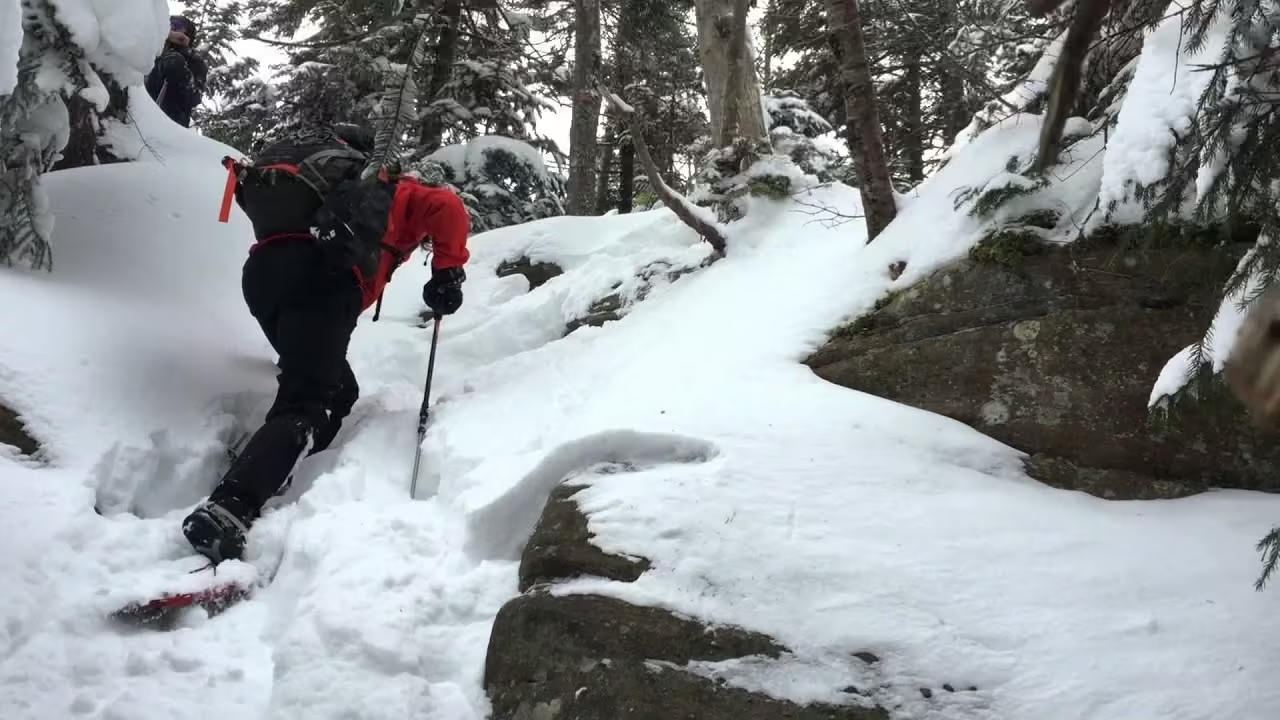
- Winter: Winter bushwhacking is not for the faint-hearted. Snow and ice demand specialized equipment like crampons and snowshoes. The tranquility and solitude in the Catskills are unmatched, but always carry extra gear in case of emergency.
Weather Patterns and Safety Considerations
Catskills weather can be unpredictable. Frequent weather checks and understanding the region’s patterns are key:
- Spring and Fall: Quick changes in temperature and unexpected rainstorms are common. Waterproof clothing and gear are essential.
- Summer: Heat and thunderstorms are typical. Stay hydrated, protect yourself from the sun, and avoid bushwhacking during storms to minimize lightning strike risks.
- Winter: Always be prepared for sudden snowstorms and extremely cold temperatures. Hypothermia is a significant concern, so dress in layers, keep dry, and be aware of frostbite signs.
As seasons change, so do the experiences and challenges in bushwhacking the Catskills. Venturing off-trail requires respecting these natural cycles while being thoroughly prepared for what each season brings.
Wildlife and Flora Encounters
Common Species You Might Encounter in Remote Areas
Bushwhacking through the Catskills offers plenty of opportunities to observe diverse wildlife. In remote regions, you are likely to encounter an array of animals such as:
- White-tailed deer: Often seen grazing in meadows and forest edges.
- Black bears: Common inhabitants but generally shy and avoid human interaction.
- Beavers: Visible near water bodies, recognizable for their dams and lodges.
- Bird species: Including hawks, owls, and a variety of songbirds.
While enjoying these sightings, always remember to keep a safe distance. Respect their habitats and avoid feeding them, as this can disrupt their natural behavior.
Identifying and Avoiding Harmful Plants
The Catskills are home to several plant species, some of which can cause discomfort if touched. Here are a few to be cautious of:
- Poison Ivy: Easily identifiable with its “leaves of three.” Contact can cause an itchy rash.
- Giant Hogweed: A towering plant with white flower clusters. Its sap can cause severe burns and blisters.
- Stinging Nettle: Recognizable by its serrated leaves and fine hairs that release irritating chemicals on contact.
When navigating, wear long sleeves and pants to minimize skin exposure and familiarize yourself with these plants to avoid them.
Best Practices for Wildlife Observation and Safety
To ensure a safe and respectful interaction with wildlife, follow these practices:
- Maintain distance: Use binoculars for a closer look rather than approaching animals.
- Stay quiet: Move slowly and avoid loud noises to prevent startling wildlife.
- Store food securely: Use bear-resistant containers to keep food out of reach.
- Leave no trace: Pack out all waste and avoid disturbing natural habitats.
Observing wildlife and flora responsibly enhances your experience and helps preserve the Catskills’ natural beauty for future adventurers.
Advanced Navigation Techniques
Using Natural Landmarks for Orientation
Bushwhacking in the Catskills often means venturing into areas where trails are non-existent, making natural landmarks your best friends for navigation. Identifying prominent features like ridges, valleys, and streams can help you stay oriented. Pay attention to both large and small landmarks. A towering peak may guide you long distances, while more subtle features like distinctive rock formations or variations in vegetation can keep you on track in the short term. Always take mental notes of these markers, so you can retrace your steps if needed.
Backup Navigation Methods When Technology Fails
Though technology such as GPS and digital maps offer considerable convenience, they can be unreliable. Batteries can die, signals can be lost, and devices can malfunction. Therefore, always carry analog tools like a compass and a topographic map. Practice using these tools before your trip so you can navigate accurately even without technological assistance. Additionally, consider having a mirror and a whistle as part of your backup plan; these can be instrumental in signaling for help if you get lost.
Tracking and Route-Finding Strategies
Effective bushwhacking entails not just following a path but finding the best route through often dense and unfamiliar terrain. Start by breaking down your route into smaller, manageable segments, focusing on reaching intermediate landmarks. Use a systematic approach to track your progress, like marking your path with biodegradable tape or taking photos of key points. Remember to stay flexible and adjust your route as needed based on terrain and obstacles. Prioritize safety by avoiding hazardous areas and always have an alternate route in mind.
Being well-versed in these advanced navigation techniques ensures you can explore the remote beauty of the Catskills safely and confidently. When planning your bushwhacking adventures, you’ll be well-prepared to face both expected and unforeseen challenges.
Safety and Emergency Protocols
Communication Methods in Remote Areas
When exploring the remote areas of the Catskills, communication is crucial for safety. Your best bet is a satellite communicator or a Personal Locator Beacon (PLB). These devices can send distress signals with your location to emergency responders. While your cellphone might work in some areas, don’t rely on it; the rugged terrain often leaves you without service.
Carrying a whistle and a mirror as signaling devices is a good practice. Three short blasts from a whistle is a universal distress signal. A mirror can reflect sunlight to attract attention over long distances during the day.
Emergency Shelter and Survival Techniques
Being prepared to spend an unexpected night in the wilderness is essential. Always pack an emergency shelter like a bivvy sack or a lightweight tarp to protect against the elements. Building a simple lean-to with branches and foliage can also offer emergency coverage.
Fire-starting materials, like a lighter, waterproof matches, and fire starters, should always be in your pack. Building a small fire not only provides warmth but can also be a signal for rescue.
When and How to Call for Help
Knowing when to call for help is vital. If you or someone in your group is seriously injured or ill, lost and unable to find your way, or facing life-threatening weather conditions, it’s time to call for help. Use your PLB or satellite communicator to send a distress signal.
If you’re using a phone and have service, call 911. Provide your location as accurately as possible, mentioning landmarks or using your GPS coordinates. Stay in one place once you’ve called for help to make it easier for rescuers to find you.
Staying calm and following these protocols can mean the difference between a minor mishap and a serious emergency. Being prepared and knowing how to act in an emergency ensures that your adventure in the Catskills is both thrilling and safe.



