

Introduction to Catskills Bushwhacking
Definition of Bushwhacking and Its Unique Challenges in the Catskills
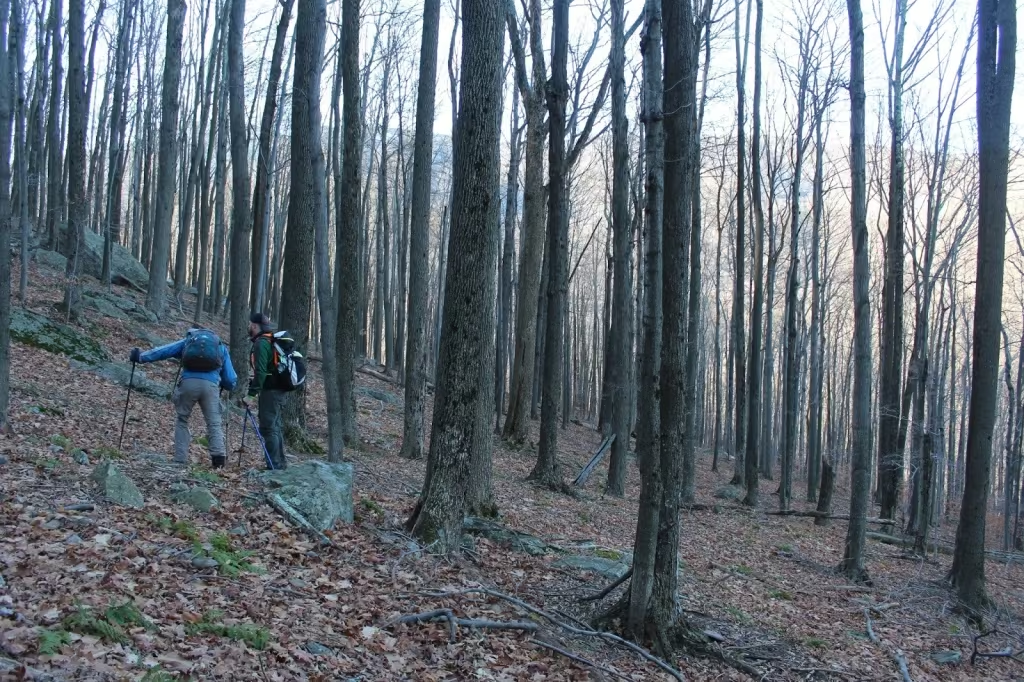
Bushwhacking in the Catskills involves trekking through areas lacking marked trails, requiring outdoor enthusiasts to navigate dense forests, rugged terrain, and potentially steep inclines. Unlike hiking on established paths, bushwhacking demands advanced navigation skills, physical endurance, and a keen awareness of personal safety. The thick vegetation and uneven ground contribute to the complexity of navigating through this beautiful yet challenging landscape.
Importance of Proper Gear for Safety and Comfort
Having the right gear is not just about convenience; it’s a matter of safety and comfort. Proper equipment helps prevent injuries from unexpected hazards like thorny bushes, sharp rocks, or sudden weather changes. Without appropriate gear, you risk exposure to the elements, which can lead to hypothermia, dehydration, or other serious conditions. Investing in quality clothing, navigation tools, and safety equipment ensures that you can focus on enjoying your adventure rather than worrying about potential mishaps.
Brief Overview of the Catskills Terrain and Conditions
The Catskills region is characterized by its rolling hills, dense forests, and diverse wildlife. Elevations range from low valleys to peaks over 3,500 feet, providing a range of experiences from serene walks to strenuous climbs. Weather conditions can vary dramatically, with sudden shifts in temperature and unexpected storms. The terrain features a mix of hard-packed dirt, loose rocks, and muddy areas, each requiring specific footwear and gear for safe passage. This variability in both terrain and climate underscores the need for preparedness and the necessity of carrying versatile equipment.
With a solid understanding of what bushwhacking in the Catskills entails, you’re now better equipped to dive into the specifics of the essential gear needed for a safe and enjoyable experience.
Navigation Equipment
Essential Maps and Their Proper Use
When it comes to navigating the rugged terrain of the Catskills, having essential maps is a must. Both physical and digital maps serve vital roles. Physical topographic maps provide a tangible sense of the land’s contours, waterways, and elevations, which can be critical when you’re off the beaten path. Keep your map in a weatherproof cover and always carry it as a backup to digital devices.
For digital maps, apps like Gaia GPS or AllTrails are excellent choices. These apps offer detailed trail maps which can be pre-downloaded for offline use. Make sure to become familiar with the app’s features and to keep your phone in airplane mode to conserve battery when using these digital tools.
Reliable Compass and Basic Navigation Skills
A compass is a quintessential tool for anyone bushwhacking in the Catskills. Despite the advancements in GPS technology, a reliable compass paired with good old-fashioned navigation skills are indispensable. Learn how to read a compass, use it in conjunction with your map, and practice basic skills such as orienting the map, taking and following bearings. This not only boosts your confidence but also ensures you’re prepared if your digital devices fail.
GPS Devices and Backup Battery Considerations
Though a map and compass are crucial, GPS devices add an extra layer of convenience and accuracy. Handheld GPS units, like those from Garmin, offer detailed maps and can track your course in real-time. Be sure to have backup batteries or a portable charger, as continuous GPS use can quickly drain power. Having multiple sources of electricity can extend the battery life of these essential devices and ensure you stay on course throughout your adventure.
Navigating the unmarked paths of the Catskills demands a robust approach, dovetailing traditional methods with modern technology. Equipping yourself with the right navigation tools and skills is paramount to staying safe and on track in this challenging landscape.
Protective Clothing
Durable, Long-Sleeved Shirts and Pants for Protection Against Branches
When bushwhacking in the Catskills, encountering dense underbrush and overgrown trails is unavoidable. To protect your skin from scratches, scrapes, and potential allergic reactions from plants, it’s crucial to wear durable, long-sleeved shirts and pants. Opt for garments made from sturdy materials like ripstop fabric, which resists tearing and provides ample protection from abrasive branches and limbs. These clothes not only shield you from the environmental elements but also offer an added layer of safety against potential insect bites.
Moisture-Wicking Base Layers for Comfort and Temperature Regulation
Staying comfortable during a grueling bushwhacking adventure in the Catskills requires managing your body temperature effectively. Moisture-wicking base layers made from synthetic fabrics or merino wool are excellent choices. These materials draw sweat away from your skin, keeping you dry and preventing chafing. On cooler days, they provide warmth without adding bulk, while in warmer temperatures, they help maintain a cool and comfortable body temperature. Selecting the right base layer can significantly enhance your overall comfort during your trek.
Sturdy Boots and Gaiters for Foot Protection
Proper footwear is one of the most critical aspects of bushwhacking gear. A good pair of sturdy boots provides the necessary ankle support and traction needed to navigate the uneven and often slippery terrain of the Catskills. Look for boots with waterproof features to keep your feet dry in wet conditions. Additionally, pairing your boots with gaiters offers extra protection against dirt, rocks, and debris, preventing them from entering your boots. Gaiters also protect your lower legs from scratches and keep moisture out, ensuring your feet remain dry and comfortable throughout your adventure.
Equipped with the right protective clothing, you’ll be better prepared to take on the myriad challenges that the Catskills terrain presents. As we continue to delve into the essentials of bushwhacking, understanding the importance of personal protection gear will further ensure a safe and enjoyable experience.
Personal Protection Gear
Eye Protection Options
When bushwhacking in the Catskills, protecting your eyes should be a priority. Untamed trails often involve pushing through dense foliage, where branches and sticks pose a significant threat. Safety glasses and protective eyewear designed for outdoor activities can prevent serious eye injuries. Look for options that offer impact resistance and wrap-around designs to shield from debris and UV rays. High-quality eyewear ensures visibility even in harsh sunlight or low-light conditions.
Durable Gloves for Hand Protection
Your hands bear the brunt of the workload during bushwhacking, making durable gloves indispensable. Opt for gloves made of tough materials like leather or synthetic fibers that can withstand constant friction and abrasions. They should fit snugly to provide dexterity without compromising protection. Well-designed bushwhacking gloves help grip slippery surfaces, handle tools more efficiently, and shield your hands from thorns, sharp stones, and cold weather.
Head Protection and Face Covering Considerations
Head protection is another critical element. A wide-brimmed hat can shield your face from the sun while providing a buffer against overhanging branches. For more rugged conditions, consider a hard hat, especially in areas with loose rocks or potential falling debris.
Face coverings serve multiple purposes; they protect against sunburn, insect bites, and inhaling dust or pollen. Bandanas, neck gaiters, or breathable face masks can offer comfort and protection. They are particularly useful for safeguarding your neck and lower face, reducing the risk of scratches and improving overall bushwhacking experience.
Essential gear ensures your bushwhacking adventure in the Catskills is safer and more enjoyable, letting you focus on the thrill of navigating through wild and unmarked terrains.
Emergency and Safety Equipment
First Aid Kit Essentials for Bushwhacking-Specific Injuries
Carrying a well-stocked first aid kit is crucial for handling injuries specific to bushwhacking in the Catskills. Your kit should include:
- Antiseptic wipes and antibiotic ointment for cleaning and treating cuts and scrapes.
- Adhesive bandages of various sizes to cover wounds.
- Sterile gauze pads and medical tape for larger injuries.
- Tweezers for removing splinters or ticks.
- Moleskin or blister pads to prevent and treat blisters.
- Pain relievers such as ibuprofen or acetaminophen.
- Emergency blanket to prevent hypothermia.
- Butterfly bandages or Steri-Strips for closing moderate wounds.
Emergency Shelter and Survival Gear
The unpredictability of the Catskills terrain necessitates carrying emergency shelter and survival gear. Key items include:
- A lightweight, compact emergency bivy or space blanket to provide warmth and shelter.
- Fire-starting tools such as waterproof matches, a lighter, and fire starter blocks.
- A multi-tool with a knife, scissors, pliers, and other essential tools.
- An emergency whistle to signal for help.
- High-energy food bars to sustain you in case of an unforeseen extended stay outdoors.
Communication Devices and Signal Equipment
For safety and communication, ensure you have reliable devices and signal equipment:
- A fully charged mobile phone with backup power sources, such as a portable battery pack.
- A personal locator beacon (PLB) or satellite messenger. These devices can send a distress signal to authorities even without cell service.
- A map of the area and a plastic signal mirror to reflect sunlight and attract attention.
- A high-decibel whistle, easy-to-use for long periods, to signal your location audibly.
By carrying the appropriate emergency and safety gear, you can significantly increase your chances of staying safe and prepared while exploring the Catskills. Whether you’re facing unexpected weather, injury, or becoming disoriented, being prepared with these essentials is incredibly important.
Additional Essential Items
Water Filtration and Hydration Systems
Bushwhacking through the Catskills can be tiring, making it essential to stay hydrated. Carrying a portable water filtration system allows you to safely drink from natural sources like streams and rivers. This reduces the need to carry large quantities of water, thereby lightening your pack. Options include pump filters, gravity filters, and compact straws. Don’t forget to pack reusable water bottles or a hydration reservoir to store the filtered water.
Trail Marking Supplies and Cutting Tools
Navigating through dense, unmarked terrain calls for reliable trail-marking supplies. Flagging tape or biodegradable markers are invaluable for tracing your route and ensuring you can find your way back. Carrying a small, sharp hatchet or a folding saw can help clear paths obstructed by fallen branches or thick undergrowth. These cutting tools are particularly useful in emergency situations where you may need to create a temporary shelter.
Energy-Dense Food and Emergency Rations
Proper nutrition is crucial while bushwhacking in demanding environments like the Catskills. Stock up on energy-dense foods that provide long-lasting energy without taking up much space. Snacks such as nuts, dried fruits, and energy bars are compact and nutritious. Additionally, pack some emergency rations, like freeze-dried meals or high-calorie, non-perishable food items. These can be lifesavers if you find yourself delayed or in an unexpected overnight situation. Proper food planning ensures you stay fueled and can handle the physical demands of bushwhacking.
Being well-prepared with these additional essential items ensures a safer and more enjoyable adventure.
______



