
Understanding Bushwhacking Basics
Definition of Bushwhacking and How It Differs from Regular Hiking
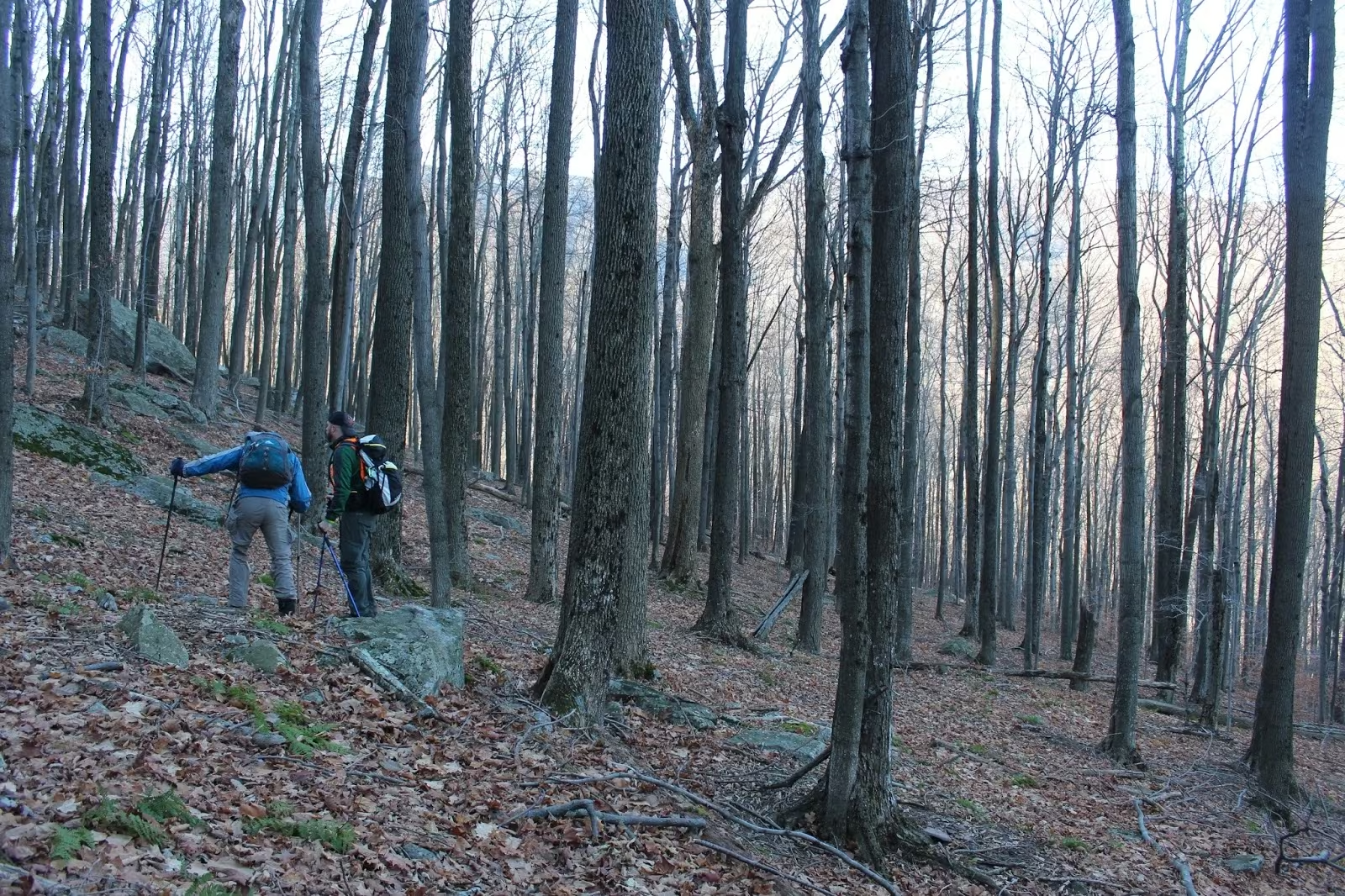
Bushwhacking involves hiking off-trail through sometimes dense vegetation to reach a destination. Unlike regular hiking on established paths, bushwhacking requires navigational skills and the ability to manage more rugged terrain. It offers a more adventurous and challenging experience but also demands a higher level of preparedness and awareness. The Catskills offer exceptional bushwacking opportunities, and it’s a practice that has been pursued by enthusiasts for generations. In fact, 14 of the 33 peaks listed in the Catskill 3500 Club requirements are trailless and require bushwhacking to reach the summit.
Legal Considerations and Regulations Specific to the Catskills
The Catskills region has specific legal considerations for bushwhacking. While much of the land is public, there are areas of private property where permission is required to enter. It’s essential to research and respect local regulations to avoid trespassing. Additionally, certain areas may have seasonal restrictions to protect wildlife or prevent erosion, so always check for regulations before setting out.
Why the Catskills Are Unique for Off-Trail Exploration
The Catskills offer a unique environment for bushwhacking. The region’s diverse terrain features dense forests, rocky outcrops, and steep slopes. This variety makes it an appealing destination for those seeking to explore beyond the beaten path. The Catskills’ rich natural history and lesser-known scenic spots provide a rewarding experience for avid adventurers.
Next, we’ll explore the essential safety preparations to ensure a secure and successful bushwhacking adventure.
Essential Safety Preparations
Ensuring your safety while bushwhacking in the Catskills is paramount. Let’s dive into the essential safety preparations you need before heading off-trail.
Required Navigation Tools
Bushwhacking demands superior navigation skills and tools. Essential items include:
- Maps: A detailed topographic map of the area will help you understand the terrain and plan your route.
- Compass: A compass is crucial for orienting yourself and staying on course when GPS fails or there’s poor satellite reception.
- GPS Device: A handheld GPS unit provides real-time positioning, which is invaluable in dense forests or under cloudy skies.
Combining these tools maximizes your ability to navigate through unmarked territories.
Emergency Gear and Survival Essentials
Carrying the right emergency gear can be a lifesaver. Some key items to pack are:
- First Aid Kit: Tailor your kit to handle common trail injuries such as cuts, blisters, and insect bites.
- Fire Starting Tools: Waterproof matches, or a lighter, and some fire-starting material.
- Extra Food and Water: Pack enough to last an extra day in case you get delayed.
- Emergency Shelter: A lightweight tarp or emergency blanket can provide shelter against unexpected weather.
- Whistle and Signal Mirror: These can attract attention if you need rescue.
Importance of Leaving Detailed Trip Plans with Others
Inform someone you trust about your detailed trip plan. Include:
- Your route and expected stops
- Duration of the trip
- Emergency contact details
This information can be crucial for rescuers if you don’t return as planned. Simple steps like this significantly increase your safety margins.
Completing these preparations paves the way for honing your navigation skills and techniques.
Navigation Skills and Techniques
Now that you’re equipped with safety preparations, it’s essential to master navigation skills for a successful bushwhacking adventure in the Catskills. This chapter will guide you through the basics of map reading, compass navigation, and natural navigation methods. Let’s dive into the essentials of tracking your position and maintaining orientation off-trail.
Basic Map Reading and Compass Navigation
Before heading out, familiarize yourself with topographic maps specific to the Catskills. These maps provide detailed information on terrain features such as elevation, waterways, and vegetation. Here’s how to get started:
- Orientation: Lay the map flat and orient it using a compass. Match the map’s north with the compass needle pointing to magnetic north.
- Reading Contours: Understand contour lines—they represent the elevation and shape of the terrain. Closely spaced lines indicate steep terrain, while widely spaced lines show gentler slopes.
- Features: Identify key landmarks like peaks, rivers, and trails. This helps in visualizing the landscape’s layout.
Using a compass, follow these basic steps to stay on course:
- Taking a Bearing: Place the compass on the map with the direction of travel arrow pointing from your location to your destination. Rotate the compass housing until the orienting lines match the map’s north-south grid.
- Following a Bearing: Hold the compass level, adjust your body until the magnetic needle aligns with the orienting arrow, and follow the direction of the travel arrow.
Natural Navigation Methods Using Landscape Features
While maps and compasses are invaluable, natural navigation can be equally effective when technology fails. Utilize landscape features to maintain orientation:
- Ridges and Valleys: Follow ridges downhill or uphill to locate prominent landscape features.
- Waterways: Streams and rivers often lead to larger bodies of water or settlements.
- Vegetation: Changes in vegetation can indicate different altitudes and soil types, helping identify your position.
Tracking Your Position and Maintaining Orientation
Constantly track your location and maintain orientation to avoid getting lost:
- Checkpoints: Mark known locations on your map, and use these as checkpoints. Regularly compare your surroundings with the map to verify your position.
- Pacing: Estimate distances by counting steps or using time intervals. This is especially useful for short distances and precise navigation.
- Backtracking: Keep an eye on landmarks or use temporary markers if necessary. This will enable you to backtrack safely if needed.
Mastering these navigation skills and techniques will significantly enhance your confidence and safety while bushwhacking in the Catskills. Understanding the terrain and staying oriented are key to a successful off-trail adventure. Continue building on these skills as you prepare for your first bushwhacking trip.
Physical and Mental Preparation
Required Fitness Level and Conditioning Tips
Bushwhacking in the Catskills is a physically demanding activity that requires a good level of fitness. To adequately prepare, you should engage in regular cardiovascular exercises, such as hiking, running, or cycling. These activities help improve your stamina and endurance, essential for navigating difficult terrains.
Strength training is equally important, focusing on muscles used during hiking, such as your legs, core, and upper body. Incorporate exercises like squats, lunges, and planks into your routine. Balancing exercises can aid in maintaining stability on uneven ground.
Mental Challenges of Off-Trail Hiking and How to Overcome Them
Off-trail hiking presents unique mental challenges, including navigating unmarked terrain and dealing with unexpected obstacles. Building mental resilience is key. Start by gradually exposing yourself to less-traveled paths before attempting more challenging bushwhacks.
Mentally prepare for your hike by visualizing potential scenarios and planning responses. Staying calm and composed under pressure is vital. Practice mindfulness techniques to manage stress and fatigue during your hikes.
Dressing Appropriately for Bushwhacking
Appropriate clothing and gear are crucial for a comfortable and safe bushwhacking experience. Opt for moisture-wicking, quick-drying fabrics to manage sweat and weather conditions. Long sleeves and pants protect against scratches, insect bites, and sun exposure.
Invest in sturdy, waterproof hiking boots with good ankle support to navigate rough terrains. Layering is vital to adapt to temperature changes, and don’t forget a hat and gloves for colder periods. Carrying extra socks and rain gear can also be beneficial during unexpected weather shifts.
Navigating safely and comfortably is central to an enjoyable bushwhacking experience. Enhanced preparedness addresses physical and mental demands, ensuring a rewarding adventure in the Catskills.
Environmental Awareness
Understanding Local Flora and Potential Hazards
Exploring off-trail territory in the Catskills requires familiarity with the local flora. The region is home to a diverse ecosystem including deciduous forests, wetlands, and rocky terrains, presenting both beauty and potential hazards. Being able to identify common plants like poison ivy is crucial for avoiding unpleasant encounters. Also, the Catskills are known for their dense thickets, prickly plants, and low-hanging branches. Wear protective clothing such as long pants and sleeves to mitigate scratches and rashes.
Being mindful of your surroundings will not only keep you safe but also help in preserving the delicate ecosystem. Encountering wildlife is a possibility, so knowing how to react to various species is vital. Leave them undisturbed and avoid startling them to minimize risks.
Leave No Trace Principles for Off-Trail Travel
Adhering to the Leave No Trace principles ensures that the pristine nature of the Catskills remains unspoiled for future adventurers:
- Plan Ahead and Prepare: Know the regulations and special concerns for the area.
- Travel and Camp on Durable Surfaces: Stick to established trails and campsites whenever possible.
- Dispose of Waste Properly: Pack out all trash, leftover food, and litter.
- Leave What You Find: Preserve the past and respect cultural or historical artifacts.
- Minimize Campfire Impact: Use a lightweight stove for cooking and avoid building new fire rings.
- Respect Wildlife: Observe from a distance. Never feed animals.
- Be Considerate of Other Visitors: Keep noise levels down and be courteous when encountering others.
Weather Considerations and Seasonal Challenges
The Catskills experience diverse weather conditions across different seasons, impacting bushwhacking plans significantly. Summer might welcome lush greenery but also brings heat and high humidity. In contrast, winters can be severe, with heavy snowfall making navigation difficult and potentially dangerous. In Spring, it is often surprising how long the snow pack holds on above 3500 feet.
Check local weather forecasts before heading out and equip yourself accordingly. Carry extra layers, a rain jacket, and appropriate footwear. Understanding seasonal shifts will help you prepare better, ensuring a safer and more enjoyable bushwhacking adventure.
With a firm grasp of these environmental aspects, you’ll be well-prepared to embark on your bushwhacking journey responsibly.
Planning Your First Bushwhack
Choosing an Appropriate Starting Location and Route
For your first bushwhack in the Catskills, it’s crucial to select a starting location that aligns with your experience level and physical fitness. Beginners might want to explore less remote areas near well-marked trails to ensure an easier retreat if needed. Avoid regions known for dense undergrowth or difficult terrain until you become more adept.
When planning your route, use topographic maps to identify key landscape features such as ridgelines and valleys, which can act as natural guides. Avoid areas that appear impassable or overly challenging, such as steep ravines or thick brush. Create a clear path that allows flexibility and manageable segments to ensure both safety and enjoyment.
Estimating Time and Distance Realistically
Bushwhacking significantly reduces your travel speed compared to regular hiking trails. On average, expect to cover one-third to one-half the distance you would on a marked path, often dealing with obstacles like fallen logs and thick vegetation. Estimate your pace conservatively—typically around one mile per hour—and factor in regular breaks to assess your progress and surroundings.
Use your map and compass at regular intervals to verify your route and recalibrate your position. Plan for potential delays by adding buffers to your travel estimates, ensuring you have ample daylight for reaching your destination.
Building in Safety Margins and Backup Plans
Safety should always be your top priority when bushwhacking. Create multiple backup plans in case of unexpected difficulties, such as impassable terrain or adverse weather conditions. Familiarize yourself with alternative routes or nearby trails that can serve as escape routes if your original plan becomes unfeasible.
Carry extra supplies, including food, water, and emergency gear, to cover any unforeseen circumstances. Communicate your trip plans, including intended routes and estimated times, with a trusted person. Regular check-ins via GPS devices can provide additional security for your adventure.
By carefully planning your route, estimating your travel time accurately, and building in safety margins, you’ll be well-prepared for a successful and enjoyable bushwhacking experience.
______



