
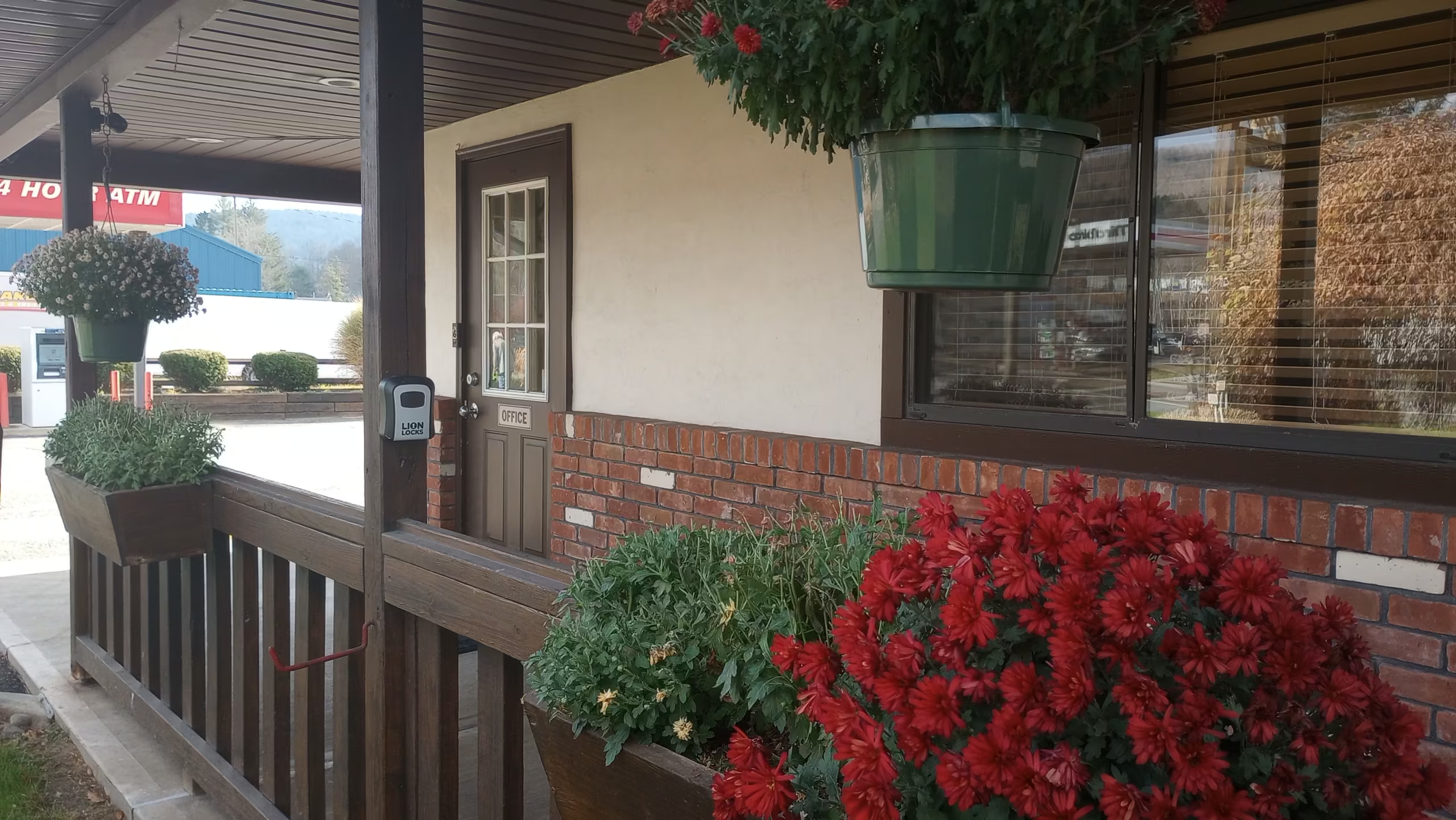
Introduction to Relational Field Theory in Hospitality
Understanding the Core Principles of Relational Field Theory
Relational field theory revolves around the idea that relationships and interactions shape our experiences and perceptions. In the context of hospitality, this means recognizing that every moment of interaction can impact the overall guest experience. It’s about understanding that each guest interaction is a component of a larger relational field. This field includes the physical environment, the staff, and the service protocols.
Application to Motel Customer Service
Applying relational field theory to motel customer service has a specific focus. It emphasizes the quality and depth of interactions between guests and staff. Unlike larger hotels where guests may feel like just another number, motels can create personalized connections. They have a unique opportunity to build meaningful relationships. By paying attention to the relational field, motel staff can tailor their service to meet the specific needs of each guest. This approach fosters a sense of belonging and care.
Impact on Guest Satisfaction and Loyalty
Building strong relationships through genuine interactions can significantly enhance guest satisfaction and loyalty. When guests feel truly seen and valued, their overall experience improves, leading to higher satisfaction rates. Consistent positive interactions encourage repeat visits. Guests are more likely to return to places where they feel a personal connection and receive exceptional service.
Motels can set themselves apart by emphasizing the importance of relationship-building. This should be done in each phase of the guest experience. This approach creates lasting impressions.
Creating a Welcoming First Impression
Techniques for Establishing Immediate Rapport During Check-in
First impressions can make or break a guest’s perception of your motel. The check-in process is a crucial moment where you can begin to build a positive relationship. To establish immediate rapport:
- Greet Guests Warmly: Smile and maintain eye contact to create a friendly atmosphere.
- Personalize the Interaction: Use the guest’s name and acknowledge any special reservations or requests they might have.
- Be Attentive and Listen: Pay attention to the guest’s tone and body language to understand their mood or any potential concerns.
Developing an Intuitive Understanding of Guest Needs
Understanding what guests need without them having to ask enhances the service experience. Developing staff intuition and a keen sense of observation is key. Here’s how:
- Encourage Empathy: Train staff to put themselves in the guest’s shoes. What might they need after a long drive? Perhaps a cold beverage or assistance with luggage.
- Observe and Adapt: Notice non-verbal cues such as fatigue or stress and offer appropriate assistance.
- Ask the Right Questions: Without being obtrusive, ask open-ended questions that can reveal more about their preferences.
Implementing Personalized Greeting Protocols
Personalized greetings go a long way in making guests feel valued. Implementing these protocols involves:
- Using Guest History: Welcome returning guests back and reference their previous stays to show you remember them.
- Tailoring Messages: Customize welcome messages. Tailor them based on the purpose of their visit. The visit could be for a business trip or a family vacation.
- Consistency Across Staff: Ensure all team members are trained to deliver the same high level of personalized greetings consistently.
By focusing on creating an exceptional first impression, you set the stage for a memorable stay. This leads to greater guest satisfaction and potential loyalty.

Anticipatory Service Excellence
Strategies for Predicting Common Guest Needs Before They Arise
Understanding guests’ needs before they even voice them is a hallmark of exceptional hospitality service. By leveraging relational field theory, motel staff can anticipate typical guest requests through observation and historical data. Some actionable strategies include:
- Identifying Patterns: Review guest profiles to identify recurring trends. Frequent travelers might appreciate early check-ins or late check-outs. Families may need extra amenities like cots or blankets.
- Analyzing Feedback: Examine past feedback to uncover common issues or requests. Proactively addressing these can prevent future occurrences.
- Monitoring Industry Trends: Stay updated on general hospitality trends. Knowing popular amenities or convenience features can help preempt guest desires.
Developing Staff Intuition and Observation Skills
Staff intuition and keen observation are vital for recognizing unspoken guest needs. Training staff to refine these skills includes:
- Active Listening: Encourage staff to listen attentively during conversations and notice nonverbal cues.
- Empathy Exercises: Role-playing scenarios can help staff understand and anticipate emotional needs.
- Continuous Learning: Provide resources for staff to learn about different cultural expectations and personal preferences.
Creating Proactive Service Protocols
Establishing protocols ensures that anticipatory service becomes a standard practice. Effective protocols might involve:
- Detail-Oriented Housekeeping: Equipping rooms with commonly requested items helps meet needs without requiring a request.
- Preemptive Check-ins: Any known preferences from previous stays should be noted and honored for returning guests.
- Regular Staff Meetings: Discussing recent guest experiences and sharing insights reinforces a proactive service culture.
By mastering anticipatory service, motels can significantly enhance the guest experience, ensuring comfort and convenience seamlessly align with personalized care.
Managing Guest Relationships Over Time
Techniques for Maintaining Long-Term Guest Connections
Building and nurturing long-term guest connections is essential for fostering loyalty and ensuring repeat business in the hospitality industry. Techniques for maintaining these connections include:
- Consistent Communication: Stay in touch with guests even after their stay. This could be through personalized emails, offers, or holiday greetings.
- Follow-up Calls and Surveys: Call or survey guests after their stay. Get feedback and let them know their opinions matter.
- Social Media Engagement: Engage with guests on social media in various ways. Like their posts. Share relevant content. Respond to their comments.
Handling Return Visits with Increasing Personalization
When guests return, personalization becomes even more vital. Techniques to handle return visits effectively include:
- Detailed Guest Profiles: Utilize guest profiles to remember preferences, such as room types, amenities, and special requests.
- Welcome Back Amenities: Provide personalized amenities, like a favorite snack or a welcome-back note, to make guests feel special.
- Consistent Experience: Ensure that returning guests experience a consistent level of service. Strive to provide even better service than during their previous visits. This approach builds trust and reliability.
Building long-term relationships with guests through these strategies will enhance guest satisfaction. It will also boost loyalty. This creates a strong foundation for your hospitality service. We are delving further into the journey of improving service in the hospitality industry. Consider the importance of arming your staff with the skills they need to excel in relational approaches.
Training Staff in Relational Approaches
Key Components of Relational Service Training
Training staff in relational service approaches is vital for cultivating strong guest relationships. The primary elements of this training encompass communication skills, empathy, active listening, and genuine engagement. Staff should be trained to:
- Communicate Effectively: Use clear, polite, and respectful language. This helps guests feel valued and understood.
- Show Empathy: Understand and share the feelings of guests. This creates a supportive environment and fosters trust.
- Listen Actively: Pay close attention to what guests say, without interrupting. Validate their concerns and respond thoughtfully.
- Engage Genuinely: Build authentic connections by showing interest in guests beyond just their immediate needs.
Focusing on these components ensures that staff can handle diverse situations with grace and compassion, enhancing the overall guest experience.
Developing Emotional Intelligence in Staff Members
Emotional intelligence (EI) is crucial in hospitality for recognizing and managing one’s own emotions and the emotions of others. Staff development programs should include:
- Self-Awareness: Encourage staff to recognize their own emotions and understand how they affect their behavior and interactions.
- Self-Regulation: Train staff to manage their emotions, especially in stressful situations, to remain calm and professional.
- Motivation: Foster a positive outlook and commitment to providing excellent service.
- Empathy: Develop the ability to understand guest emotions and respond appropriately.
- Social Skills: Enhance interpersonal skills to build and maintain relationships, resolve conflicts, and work collaboratively.
These EI skills contribute to a more empathetic and responsive service, leading to better guest satisfaction.
Measuring and Improving Relationship-Building Skills
To ensure continuous improvement, it’s essential to measure and refine relationship-building skills. This can be achieved through:
- Guest Feedback: Regularly collect and analyze guest feedback to understand their perceptions of service quality and relationship-building efforts.
- Performance Reviews: Conduct periodic reviews to assess staff interactions with guests and identify areas for improvement.
- Training Refreshers: Provide ongoing training sessions to reinforce relational service principles and update staff on new strategies.
- Mentoring and Coaching: Pair less experienced staff with seasoned mentors who can offer guidance and support in developing relational skills.
By implementing these measures, motels can maintain high standards of relational service and ensure that staff are continuously improving. At the Upper Delaware Inn, in Hancock, NY, we are continually learning as a staff. Our goal is to ensure you have a memorable stay with us.



