

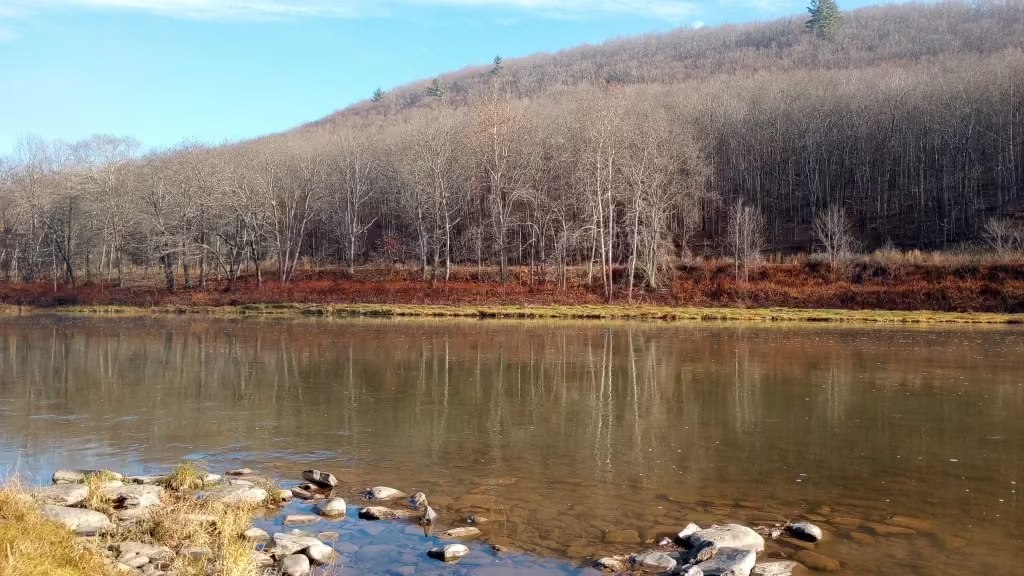
Fly fishing on the Upper Delaware River in November can offer some excellent opportunities for anglers willing to brave the colder weather. Although many reports claim things slow down drastically in November, you would not know it by checking the boat launches and noting the many drift boats still winding downriver. Despite the cool temperatures, a quick drive between Hancock, NY, and Equinunck, PA this morning witnessed 6 drift boats and over 20 vehicles parked in the boat launch areas.
Quickly, here are some key things to know:
Fishing Conditions
By November water levels in Upper Delaware typically stabilize after the higher flows of spring and early fall. Though we are in drought conditions throughout the area, regular releases from the reservoirs are keeping water levels up this fall. The rivers in the system are often running clear and at good fishing levels. However, weather can be unpredictable this time of year, so prepare for potentially cold and windy conditions.
Fish Behavior
As water temperatures drop, trout metabolism slows down and they begin moving into deeper, slower winter-holding areas. Brown trout may still be in spawning mode, so avoid disturbing any visible redds. In brief, redds are lighter areas of gravel on the stream bottom, standing out from the darker, algae-covered gravel around them. Trout tend to become more concentrated in certain runs and pools as they seek out ideal winter habitats.
Fishing Tactics
Nymphing is generally the most productive method in November. Use a two-fly rig with a larger nymph like a Girdle Bug (#8-10) as the lead fly, followed by a smaller Baetis or midge pattern (#16-18) as the dropper. Focus on slow, deep runs and pools where trout are holding. Adjust your leader length and weight to get flies down to the fish’s level. Streamer fishing can also be effective for targeting larger brown trout that may be aggressive post-spawn. Overall, choose smaller streamer patterns rather than large articulated flies.
Fly Patterns
- Stonefly nymphs like Girdle Bugs (#8-10)
- Pheasant Tail nymphs (#16-18)
- Zebra Midges (#18-20)
Use a two-fly rig with a larger nymph as the lead fly, followed by a smaller pattern as the dropper. Adjust your leader length and weight to get flies down deep where trout are holding in slower runs and pools.
Dry Flies
From time to time, while hatches are limited, you may still encounter some activity on warmer afternoons:
- Blue Wing Olives (#16-18)
- Midges (#20-24)
Streamers
Altogether streamer fishing can be effective for targeting larger brown trout that may be aggressive post-spawn:
- Woolly Buggers (#8-10)
- Sculpins (#8-10)
- Smaller articulated streamers
Choose smaller streamer patterns rather than large articulated flies this time of year.
Other Patterns
- Slate Drake/Isonychia imitations (#10-12)
- Caddis pupae (#14-16)
- Egg patterns
Given these points, the key is to focus on nymphing deep runs and pools where trout are concentrated. Adjust your tactics based on water conditions and any hatches you observe. Having a variety of smaller nymphs, midges, and streamers will give you the best chance of success in the colder November conditions on the Upper Delaware.
All in all, key flies to have in your box include:
- Blue Wing Olives
- Slate Drakes (Isonychia)
- Caddis
- Midges
- Stonefly nymphs
Other Considerations
In summary, crowds are typically very sparse in November compared to peak season. This can make for a peaceful and potentially productive fishing experience if you’re willing to deal with colder weather. Meanwhile, dress in warm layers and be prepared for changing conditions. While hatches are limited, you may still encounter some Blue Wing Olive activity on warmer afternoons. Further, with proper preparation and tactics, November can offer excellent opportunities to target large trout on the Upper Delaware system with minimal fishing pressure. Focus on nymphing deep runs and pools, and don’t be afraid to try streamers for aggressive post-spawn browns.
______



