
Understanding Empathy in Hospitality
Definition of Empathy and Its Relevance to the Hospitality Industry
Empathy is the ability to understand and share the feelings of another person. In the hospitality industry, it is a critical skill that allows staff members to connect with guests on a deeper level. By empathizing with guests, staff can anticipate their needs, provide better service, and create a welcoming environment that guests will remember and return to repeatedly.
The Difference Between Sympathy and Empathy in Guest Service
While sympathy involves feeling pity or sorrow for someone else’s misfortune, empathy goes a step further by putting one in the shoes of the other person. In guest service, empathy translates to understanding a guest’s situation and feelings, making it possible to respond in a way that truly meets their needs. Unlike sympathy, which might come across as insincere, empathy fosters a genuine connection, showing guests that their experiences and feelings are valued.
How Empathy Creates Meaningful Connections with Guests
Empathy helps build meaningful connections with guests by demonstrating that the staff genuinely cares about their well-being. This connection can transform a standard guest-staff interaction into a personalized experience. For instance, a staff member who recognizes signs of travel fatigue might offer a guest a comfortable place to rest while their room is being prepared, showing an understanding of their needs without them having to ask. Such interactions leave a lasting positive impression, leading to higher guest satisfaction and loyalty.
Empathy, therefore, is not just a nice-to-have attribute in hospitality; it’s a cornerstone of exceptional guest service that sets small motels apart. By understanding and responding to guests’ emotional states, motel staff can create memorable experiences that encourage repeat visits and positive reviews. As we delve deeper into the psychology of guest expectations, we will see how essential empathy is in meeting those needs effectively.
The Psychology of Guest Expectations
Common Emotional Needs of Travelers Staying in Small Hotels
Travelers choosing small hotels often seek more than just a place to stay; they desire a personalized experience and emotional comfort. Emotional needs range from feeling valued and safe to experiencing a sense of belonging. Guests look for genuine interactions with staff, who can provide local insights and create a warm ambiance. Recognizing these needs and responding with empathy can turn a regular stay into a memorable one.
How Psychological Comfort Influences Guest Satisfaction
Psychological comfort plays a vital role in determining guest satisfaction. When guests feel understood and emotionally secure, their overall experience improves significantly. Psychological comfort includes factors such as:
- Personalized attention: Tailoring services to meet specific preferences and needs.
- Recognition: Acknowledging returning guests and remembering their past preferences.
- Emotional support: Providing reassurance in stressful situations or during conflicts.
The more comfortable a guest feels, the more likely they are to enjoy their stay and leave positive feedback. This comfort can lead to increased loyalty and repeat visits, which are essential for small hotels to thrive.
The Impact of First Impressions on Guest Experience
First impressions set the tone for the entire guest experience. From the moment guests walk through the door, they begin forming opinions about the hotel and its service quality. Simple gestures like a warm welcome, prompt check-in, and a clean, inviting environment can have a profound impact.
To create a lasting positive impression:
- Ensure the reception area is welcoming and tidy.
- Train staff to greet guests with a genuine smile and offer assistance proactively.
- Address any initial concerns or questions promptly to avoid potential issues later.
Guests who feel immediately valued and comfortable are more likely to view the rest of their stay positively, leading to higher satisfaction and better reviews.
Transitioning seamlessly, we delve into how establishing an empathy-driven service culture further enhances the guest experience.
Building an Empathy-Driven Service Culture
Training Staff to Recognize and Respond to Emotional Cues
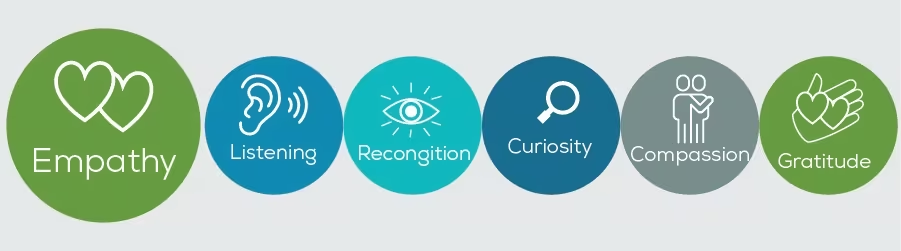
Creating an empathy-driven service culture begins with training staff to recognize and respond to emotional cues. This involves teaching staff to observe body language, facial expressions, and tone of voice to gauge guests’ feelings. For instance, a guest appearing fatigued may appreciate a quick check-in process and quiet ambiance. Through role-playing scenarios and regular feedback sessions, employees can enhance their ability to read and respond to these cues effectively, paving the way for more meaningful guest interactions.
Developing Active Listening Skills Among Team Members
Active listening is a critical component of empathetic guest service. Staff should be trained to focus fully on the guest, avoid interrupting, and ask clarifying questions. This not only demonstrates genuine interest but also ensures that guests feel heard and valued. Encouraging periodic team workshops and incorporating active listening exercises into daily briefings can significantly strengthen these skills. Effective active listening also aids in quickly addressing concerns, personalizing services, and exceeding guest expectations.
Creating Standard Operating Procedures that Prioritize Emotional Intelligence
Standard operating procedures (SOPs) that prioritize emotional intelligence ensure consistency in fostering an empathy-driven culture. These SOPs can include guidelines for greeting guests warmly, following up on special requests, and showing appreciation for feedback. Setting clear expectations for emotional intelligence in job descriptions and appraisals further reinforces its importance. By integrating these practices into every touchpoint, hotels can consistently deliver exceptional service that resonates on an emotional level with their guests.
Building an empathy-driven service culture is essential for creating memorable guest experiences. By training staff, developing active listening skills, and implementing thoughtful SOPs, hotels can enhance guest satisfaction and loyalty.
Practical Applications of Empathy
Anticipating Guest Needs Before They Arise
Empathy enables motel staff to foresee and fulfill guest needs proactively. Recognizing subtle hints or patterns in guest behavior can guide staff to offer services even before guests ask for them. For instance, noticing a guest consistently working out suggests they might appreciate a complimentary water bottle or a fresh towel. Understanding the traveler’s purpose, such as a business trip, might prompt the staff to provide a quiet room with a dedicated workspace, ensuring a comfortable and productive stay.
Handling Complaints and Conflicts with Emotional Intelligence
Dealing with complaints and conflicts empathetically requires emotional intelligence. When a guest voices a complaint, it’s crucial to listen actively without interrupting. This shows respect and validates their feelings. After understanding the issue, staff should respond with empathy, acknowledging the guest’s frustration and apologizing sincerely. For example, if a guest is distressed due to a noisy environment, offering a quieter room and a complimentary service can turn a negative experience into a positive one.
Customizing Services Based on Guest Emotional States
Each guest arrives with a unique emotional state, influenced by their personal experiences and expectations. Staff must be adept at reading these emotional cues to customize their services. A guest traveling for a family reunion might appreciate more personalized welcome notes or family-oriented activities. Conversely, a solo traveler seeking solitude might prefer minimal intrusion and more serene spaces. Tailoring guest services based on these emotional states not only enhances the guest experience but also fosters a deeper connection.
By integrating empathy into daily interactions, small motels can elevate their service standards, creating memorable and meaningful guest experiences.
Measuring the Impact of Empathetic Service
Key Performance Indicators for Measuring Emotional Connection
Engaging with guests on an emotional level can be measured through several key performance indicators (KPIs). These metrics help small motels monitor and improve their service quality. Some critical KPIs include:
- Guest Satisfaction Scores (GSS): Regularly collected through surveys, these scores provide insights into how well the motel meets emotional and service expectations.
- Net Promoter Score (NPS): Measures the likelihood of guests recommending the motel to others, indicating a strong emotional connection.
- Employee Engagement: Staff engagement directly influences guest interactions. High employee engagement often correlates with better guest experiences.
Analyzing Guest Feedback and Satisfaction Scores
Analyzing guest feedback is crucial for understanding how well the motel is addressing guests’ emotional needs. This involves:
- Reviewing Comments: Examining qualitative data from guest reviews and surveys to identify common themes about emotional experiences.
- Sentiment Analysis: Using software tools to quantitatively assess the sentiment of guest feedback and uncover areas needing improvement.
- Benchmarking Against Competitors: Comparing satisfaction scores with industry standards ensures the motel remains competitive and aware of broader trends.
Tracking Repeat Visits and Loyalty Program Engagement
Tracking repeat visits and loyalty program engagement provides valuable information about the long-term impact of empathetic service. Key strategies include:
- Loyalty Metrics: Monitoring loyalty program participation rates and benefits redemption to gauge guest commitment.
- Repeat Guest Rates: High rates indicate successful emotional connections that encourage guests to return.
- Longitudinal Surveys: Periodic surveys of repeat guests track how emotional satisfaction evolves, revealing long-term trends and opportunities for improvement.
By measuring these metrics, small motels can continuously refine their approach, enhancing the guest experience through empathetic service and creating lasting relationships.
Long-term Benefits and ROI
How Empathy Drives Guest Loyalty and Repeat Business
Empathy is a powerful tool in the hospitality industry, particularly for small motels. When staff genuinely understand and share the feelings of their guests, it creates a level of emotional connection that is difficult to replicate. This empathetic approach leads to stronger guest loyalty and a higher likelihood of repeat business. When guests feel valued and understood, their overall experience is elevated, making them more inclined to return. It is this consistent, empathetic service that turns one-time visitors into loyal patrons.
The Relationship Between Emotional Connection and Positive Reviews
In today’s digital age, online reviews can make or break a small motel’s reputation. Emotional connections formed between staff and guests significantly impact these reviews. Guests who feel emotionally cared for are more likely to leave positive feedback, recommending the hotel to others. Positive reviews not only attract new guests but also enhance the motel’s credibility and perceived value. Thus, fostering empathy among hotel staff directly translates to superior reviews, boosting the hotel’s online reputation and visibility.
Competitive Advantage Through Superior Guest Experience
Empathy-driven service offers a competitive advantage by significantly enhancing the guest experience. Small motels that prioritize empathetic interactions distinguish themselves from larger, impersonal chains. This personal touch is what many travelers seek and appreciate. Providing a unique, emotionally resonant experience helps small hotels stand out in a crowded market. By consistently delivering empathetic service, small motels can secure a competitive edge, ensuring sustained success in the hospitality industry.
Creating this culture of empathy not only satisfies guests but also leads to notable business advantages. By making emotional connections a focal point, small motels can enjoy heightened guest loyalty, impactful positive reviews, and a significant competitive edge, setting a strong foundation for long-term success.
______



