

Introduction to Fly Fishing the Upper Delaware River
A Legendary Trout Fishery
The Upper Delaware River is famed for its wild brown and rainbow trout. This scenic stretch flows between lush hills, with clear water and abundant insect life. Anglers are drawn by the challenge of sight-fishing to wary, selective trout known for ignoring all but the most convincing flies.
Summer Season: Tough but Rewarding
Summer here offers both challenges and rewards. Water can get warm and drop, making trout extra fussy. Yet, long daylight hours and a wide array of insect hatches create incredible opportunities for those who adjust their tactics. Rising fish are often visible, giving patient anglers a shot at memorable catches—if they choose their moments and patterns wisely.
Why the Right Fly Matters
With conditions changing daily, switching up your flies is key. Matching the hatch is only half the battle. You also need patterns that imitate insects’ size, shape, and color—and present them naturally—especially on this river, where trout have seen it all. Having the right summer dry flies can be the difference between slow days and unforgettable fishing.
Summer here moves fast, and so do the hatches. Knowing which insects are most active is the first step to success.
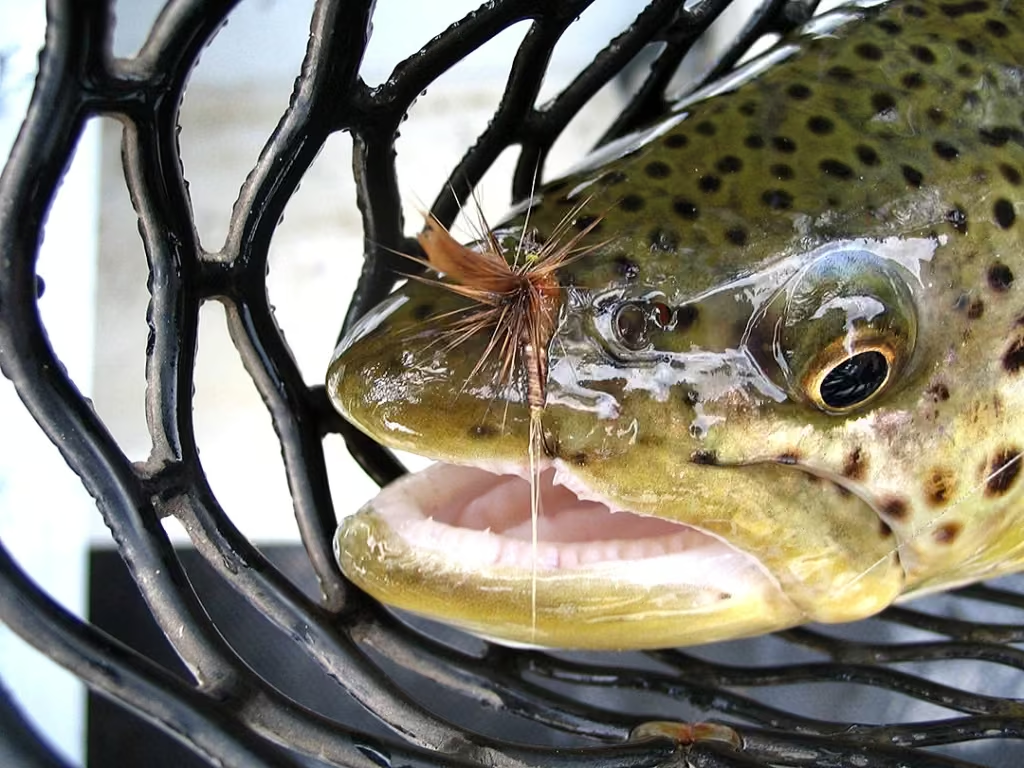
Understanding Summer Hatches on the Delaware
Key Insect Hatches of Summer
Summer on the Upper Delaware is shaped by several iconic insect hatches. Blue Wing Olives, Sulfurs, Cahills, and Isonychia are central throughout June, July, and August. As summer advances, terrestrials like ants and beetles also play a bigger role, especially during hot, dry stretches. Each hatch brings its own rhythm—some, like Sulfurs, can blanket the water at dusk, while others emerge sporadically throughout the day.
How Weather Impacts Hatches
Weather heavily influences when and how intensely insects hatch. Overcast days often spark prolonged Blue Wing Olive activity, while a gentle drizzle can set off sudden surges of mayflies. Conversely, bright, hot sun may keep many insects tucked away until evening, creating short, intense bursts of surface action around dusk. Wind can scatter terrestrials onto the water, enticing wary trout to strike unexpectedly.
Water Temperature and Insect Activity
Temperature is key to predicting insect availability. As water warms, hatches often happen earlier and wrap up faster. Cool, stable flows extend the season for major aquatic hatches, while hot spells favor terrestrials. If water temperatures rise too high, trout turn sluggish and less willing to feed on the surface, so timing becomes essential—early morning and late evening are prime hours to catch both insects and feeding trout at their most active.
Knowing when and what insects are emerging is just the first step; matching your flies makes all the difference.
The Admiral’s Olive Parachute
Pattern Description and Why It Works
The Admiral’s Olive Parachute is a versatile dry fly that is especially effective on the Upper Delaware’s sensitive trout. Featuring a slender olive body, upright white parachute post, and dark dun hackle, this pattern closely mimics summer mayflies, such as Blue Wing Olives. Its design allows it to land softly and ride low, creating a lifelike profile that doesn’t alarm wary fish.
When to Fish It
This pattern shines on overcast, drizzly days when trout are more likely to feed near the surface. During these low-light conditions, mayfly hatches are common, and trout become less cautious. The Admiral’s Olive Parachute’s color and silhouette blend in with the muted environment, making it a go-to fly for these moments.
Presentation Techniques
To fool selective trout, a delicate presentation is key. Aim for a dead-drift, letting the fly float naturally with the current. Use a long, fine leader to minimize drag and avoid spooking fish. Cast upstream or slightly across to give a lifelike drift. Try twitching the fly slightly if you see refusals—sometimes a gentle movement can trigger a strike.
This approach to using the Admiral’s Olive Parachute sets the stage for exploring even more effective patterns for challenging conditions.
Blue Wing Olive Patterns
Proven Patterns for Delaware Trout
Blue Wing Olives (BWOs) are a staple mayfly hatch on the Upper Delaware, especially in the summer months. Key patterns that work well here include the classic BWO Parachute, Comparadun, and Thorax BWO. These patterns have a slim olive body, gray wings, and a natural silhouette that appeals to selective trout.
Why BWOs Shine in Cloudy or Rainy Weather
BWOs thrive under overcast skies and light rain. Moist, cool conditions trigger longer and more intense hatches, often bringing large trout to the surface even in daylight. Fish are more confident during these low-light windows, making BWOs crucial in a summer fly box.
Size Matters and How to Present
Matching the hatch is key; Delaware BWOs often range from size 18 down to 22. Select patterns that ride low in the film and adjust your tippet down for delicate presentations. A gentle, drag-free drift increases your odds as these trout get a good look at your fly in slower runs and gentle riffles.
With an understanding of what triggers trout during a BWO hatch, anglers can move confidently into the next challenge summer offers.
Rusty Spinners: The Dawn and Dusk Secret
Why Guides Rely on Rusty Spinners
Seasoned guides on the Upper Delaware know that trout often feed hardest during the magical bookends of the day—dawn and dusk. Rusty Spinners shine at these times because they match the spent mayfly spinners that gather low on the water after completing their mating flight. These spinners are a staple in the trout’s diet, and few flies fool wary fish as convincingly.
Recognizing a Spinner Fall
Spinner falls are easy to spot once you know what to look for. As the sun dips or rises, clouds of delicate, rusty-colored mayflies gather above riffles. Soon, they flutter down and rest flat-winged on the surface. Watch for trout sipping quietly in gentle seams or slow pools. The rise forms are subtle—just a dimple or kiss on the surface—but tell you that fish are feeding confidently on these easy meals.
Fishing Techniques for Dawn and Dusk
Fishing spinner falls calls for a gentle approach. Use a well-tapered leader and fine tippet, as the water is usually calm and the trout cautious. Cast slightly above rising fish and let your fly drift naturally downstream. Mend your line to avoid drag, keeping the fly floating low and lifelike. Quick, accurate casts are important, as active trout are often moving within a tight feeding window before the light changes.
Having the right spinner pattern and reading subtle cues from the water lets you make the most of these magical hours, setting the stage for success as fishing conditions continue to evolve.
Essential Terrestrial Patterns
Why Terrestrials Matter in Summer
As the season heats up and aquatic insect hatches become less predictable, land-borne insects become a major food source for Delaware River trout. During mid to late summer, ants, beetles, and grasshoppers get blown into the river by gusty breezes or clumsy falls from overhanging foliage. These snacks are often irresistible to trout, making terrestrials essential tools in your summer fly box.
Top Terrestrial Patterns Delaware Trout Love
While the Delaware’s trout can be picky, they rarely pass up a well-presented terrestrial. Staple patterns include:
- Foam Beetles – Black or peacock bodies with shiny backs easily fool surface-feeding fish.
- Ants – Especially cinnamon or black, in both standard and hi-vis parachute versions.
- Hopper patterns – Tan and olive foam hoppers ride high and withstand aggressive takes.
Each can convince even the most suspicious trout when aquatic insects are scarce.
When and Where to Fish Terrestrials
Terrestrials shine on breezy afternoons when bugs are likely to tumble from bankside plants. Focus your casts near overhanging branches, grassy banks, and seams along slower water—these spots often hold opportunistic trout waiting for an easy meal. Even when nothing seems to be hatching, a well-placed beetle or ant can break up stubborn refusals and trigger aggressive takes.
A thoughtful approach to fly selection opens up more possibilities as evening mayfly patterns come into play.
Light Cahill and Sulfur Imitations
Importance of Evening Mayfly Patterns
As afternoon sun gives way to twilight, the Upper Delaware’s surface comes alive with rising trout. Light Cahill and Sulfur mayflies are the main evening meal. Trout key in on these pale-bodied insects, often ignoring anything else. For anglers, carrying several variations of these patterns is critical because trout can get extremely choosy—sometimes preferring one shade or size over another.
Proven Delaware Variations
Local tiers and seasoned guides favor Light Cahill dries in sizes 14 to 18, often with a subtle cream or yellow body and a light dun wing. For Sulfurs, a classic Pale Evening Dun (PED) or a CDC Sulfur emerges as a favorite. Try versions with split tails or parachute posts for better visibility in low light. Keep both traditional Catskill ties and comparadun styles in your patch for changing flows and finicky fish.
Matching the Natural Drift
Delaware trout expect these mayflies to appear right on the surface, drifting with the current, barely moving except for tiny bobs or spins. Cast upstream or across, using a long, fine leader to help the fly land softly. Mend line quickly to reduce drag, letting your fly float true. Sometimes, a twitch with the rod tip mimics a struggling dun and brings aggressive strikes.
With Cahill and Sulfur hatches winding down, another vital summer hatch comes into play.
Isonychia Patterns
The Slate Drake: A Reliable Summer Hatch
The Isonychia, often called the Slate Drake, is a summer essential for Upper Delaware fly anglers. These mayflies start hatching in late May and continue into early autumn. Unlike many smaller summer hatches, Isonychias are larger (sizes 10–14) with dark gray bodies and contrasting white or gray trailing shucks. Trout notice them immediately, often slashing at emergers and duns as they drift or skate across the current.
Effective Pattern Variations and Sizes
Having several Isonychia patterns on hand boosts your chances. Go-to options include:
- Isonychia Comparadun: Mimics the natural’s upright profile, great for flat water.
- Isonychia Parachute: Offers visibility and a realistic drift on both smooth and broken waters.
- Foam Slate Drake: Floats high and stays visible in fast riffles.
- Extended-Body Isonychia: Especially effective during thick evening hatches.
Stick to sizes 10–14—bigger than most summer mayflies, making them stand out.
Timing Your Fishing for Isonychia Activity
Isonychia hatches often peak late afternoon through dusk, but you can encounter scattered emergers throughout the day. Focus on riffled runs and the edges of seams, where nymphs crawl onto rocks or swim to the surface. Watch for trout darting at rising nymphs or aggressively striking emerger patterns, especially in faster water. Present your fly downstream or quartering across riffles—let it skitter slightly for a lifelike movement.
Adapting to these lively insects sets you up for targeting even more challenging hatches as the season rolls on.
Trico Patterns for Technical Fishing
Decoding the Trico Hatch
The Upper Delaware is renowned for its technical dry fly fishing, and few hatches present as much of a puzzle as the Trico. These tiny mayflies, usually size 22 to 26, hatch in huge numbers during calm summer mornings. The clouds of spinners over the water signal to trout that it’s time to feed, often creating feeding frenzies in slow, glassy sections. The abundance of naturals and minuscule size of the flies force anglers to be precise with both pattern selection and presentation.
Presentation Tactics for Finicky Trout
Trout keyed in on Tricos are highly selective. To fool them, aim for a downstream or across-and-down presentation to prevent your tippet from crossing the trout’s window. Use a long, fine leader—typically 12 to 14 feet with 6X or even 7X tippet—to reduce drag and avoid spooking fish. Land your fly gently and employ slack-line casts to ensure a natural drift. It’s important to patiently wait for trout to return to their feeding rhythm between rises.
Tackle for Small Dry Flies
Fishing with Trico patterns demands specialized gear. Choose a soft-tipped rod in the 3 or 4 weight range to protect ultra-light tippets. Pair this with a weight-forward floating line that allows for delicate presentations, even at distance. Keep your leader knotless and well-tapered to avoid line flash. Essential accessories include magnifiers for fly tying and floatant to keep your sparse patterns high and visible on the water.
Dialing in your Trico approach sets the foundation for success as you navigate the rest of the season’s changing insect activity and trout behavior.
Caddis Patterns That Produce
Top Patterns for the Delaware in Summer
Caddisflies come alive on the Upper Delaware during hot days and cool evenings. Patterns like the Elk Hair Caddis, X-Caddis, and CDC Caddis in sizes 14 to 18 work well through summer. Olive, tan, and gray colors match what trout are seeing most often.
Spotting and Matching Caddis Activity
You’ll spot caddis by watching adults flutter low over riffles and resting on exposed rocks. Trout targeting caddis often rise aggressively, making splashes or quick sips below the surface. Seeing these signs, switch to a matching fly with a buggy profile and appropriate color.
Select imitations with bodies and wings that ride high—trout key in on the natural’s buoyant, lively action. If you see fast, splashy rises, suspect emerging caddis over spent adults.
Mimicking the Caddis Skitter
Caddisflies are famous for their erratic movement on the water. After a standard dead drift, try lifting your rod tip or giving a tiny twitch as the fly passes a feeding lane. This motion mimics how caddis skitter across the surface, tempting even reluctant Upper Delaware trout.
A slightly greased leader helps the fly stay high, and a bushy hackle design keeps it visible in broken water. Don’t overdo the movement—subtle, short twitches are often best.
With sharp observation and a few refined motions, you’ll trigger those exciting summer takes.
Mastering Across and Down-and-Across Presentations
Reading the Current and Planning Your Cast
Fishing the Upper Delaware’s tricky currents calls for sharp observation before you cast. Look for seams, slicks, or bubble lines—those are your dry fly highways. When fishing across or down-and-across, always approach with stealth, staying low and keeping false casting to a minimum. Trout in these clear waters spook easily if you’re not careful.
Achieving a Natural Drift
Getting a drag-free drift is the gold standard here. Cast upstream and across or slightly downstream. As your fly lands, use a quick upstream mend to add slack to your line. This slack lets your fly float naturally, mimicking a real insect. Watch for micro-currents that can grab your leader and pull your fly off course. Small mends, or feeding line downstream as the fly drifts, help keep your fly moving authentically with the current.
When and Why to Go Down-and-Across
Down-and-across casts are perfect when you spot a trout feeding below you, especially with spooky fish in slow water. This approach lets your fly reach the fish before your line and leader do, keeping things natural. This is especially helpful when presenting small BWOs or spinners late in the day. Use a reach cast or curve cast to lay more slack into your leader, giving your fly even more time in the target zone.
Avoiding Spooking Delaware Trout
Many anglers make simple mistakes that send Delaware fish running. Avoid “lining” the fish by casting over their heads—you want your fly, not your line, to be the first thing trout see. Heavy, splashy mends or sharp rod movements can also blow your cover. Another common misstep is fishing a tight line with zero slack; this creates obvious drag and tips off wary trout that your fly is fake.
Proper across and down-and-across presentations on the Delaware can make all the difference, especially during those sneaky summer hatches. A thoughtful approach—reading water, careful casting, and attention to drift—sets the stage for consistent success as summer conditions keep you on your toes.
Tackle and Equipment Considerations
Leaders and Tippets for Challenging Trout
Summer trout on the Upper Delaware are notoriously selective, especially during low, clear flows and technical hatches. A long leader setup—usually 12 to 14 feet—is essential for keeping your fly line well away from wary fish. For most dry fly work, use 5X or 6X tippet. When the Tricos and tiny midges are on, step down to 7X for delicate presentations.
Choosing the Right Rod and Line
A 3 or 4 weight fly rod with a sensitive tip helps protect fine tippets while offering enough finesse for small dries. Pair it with a weight-forward floating line for easy casting and optimal fly delivery. For versatility, select a rod around 9 feet; this length provides line control without spooking trout in tight spots.
Essential Summer Accessories
A fly fishing kit for the Delaware in summer should always include high-quality powdered or liquid floatant to keep your dries riding high. Polarized sunglasses cut glare, making it easier to spot subtle rise forms. Don’t forget a reliable pair of forceps for de-barbing and releasing trout, plus a wide-brim hat and sun-blocking shirt for long days under the summer sun.
Well-chosen gear makes fishing both technical and enjoyable, setting you up for the discerning trout that lie ahead.
Reading Water for Dry Fly Success
Finding Prime Feeding Lanes
The Upper Delaware challenges anglers to find trout in ever-changing water. Look for seams—those lines where slower and faster water meet. Trout love these edges, as the current brings food to them. Riffles that taper into pools are top spots, and foam lines hint at natural feeding lanes. When water runs low and clear, trout hold tight to deeper slots and undercut banks for safety and cooler temperatures.
Decoding Subtle Rise Forms
Not all rises are the same. Gentle sipping in slow currents often means trout are keying on tiny insects or spinners. Splashy rises can point to caddis or terrestrials fluttering on the surface. Watch for tiny rings, bulging water, or dorsal fins breaking the surface—each tells you what and how trout are eating. Careful observation helps match your fly and presentation to the real menu.
Adjusting Approaches to Water Conditions
Summer flows on the Delaware can change day to day. Cloudy or choppy water lets you approach trout more closely, while low, clear water demands stealth. Use longer leaders and finer tippet to keep your fly floating naturally. Cast from downstream or from the side to avoid spooking fish with your shadow. Slow down your steps along the bank and make fewer false casts to avoid alerting wary trout.
Being tuned in to the river’s nuances not only ups your hook-up rate, but also brings you fully into the rhythm of the Delaware.
Conclusion: Putting It All Together
Crafting Your Game Plan
Successful days on the Upper Delaware start with a clear strategy. Study the river’s recent hatch reports, weather forecasts, and water temperatures before heading out. Pack a selection of seasonally appropriate dry flies—the right pattern at the right time makes all the difference. Try to arrive early or stay late, when trout feel safest feeding and hatches are most active. Anticipate the day’s prime windows by matching your fly choice to expected hatches and likely terrestrial activity.
Adapting Throughout the Day
Conditions often change quickly on the Delaware. If morning brings clear skies and slow surface action, start with tiny mayflies or emergers. As the sun rises, be ready to shift to terrestrials in shady pockets. Cloud cover, sudden breeze, or a passing shower might trigger new hatches—swap flies and adjust presentations as needed. Move quietly, watch the water closely, and stay flexible with your techniques. The more willing you are to adapt, the more consistent your success.
Insights from the River’s Best
Guides who fish the Upper Delaware daily offer invaluable wisdom:
- Don’t chase every rise. Focus on trout holding in foam lines and seams.
- Use longer leaders and lighter tippet for subtle presentations.
- Always check for micro-drag—even a small disturbance can put off selective trout.
- Rest tricky fish and revisit them later with a different fly or approach.
Mastering the Upper Delaware requires patience, observation, and an open mind. By combining local knowledge, careful fly selection, and stealthy presentation, you’ll turn challenging conditions into opportunities. Stay alert, keep learning, and enjoy the constant puzzle the river provides.



