

Introduction to the Upper Delaware River System
Wild Trout Fishery Excellence
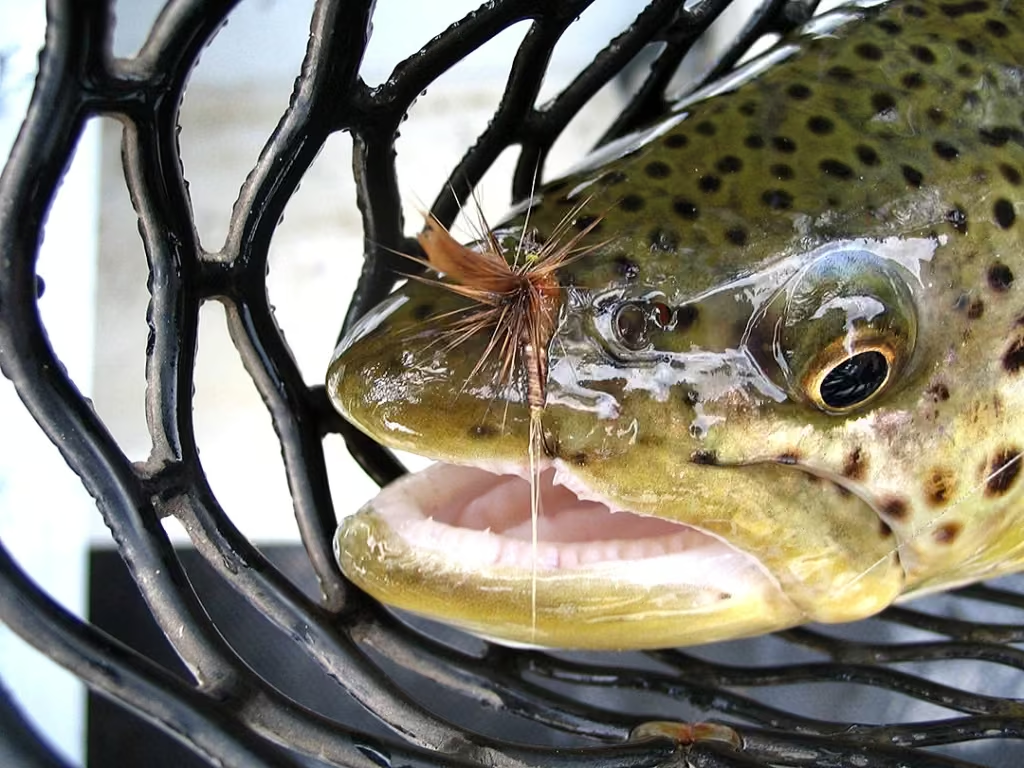
The Upper Delaware River is known nationwide for its thriving wild trout populations. Unlike many Eastern fisheries that rely on stocking, the Upper Delaware is a stronghold for naturally reproducing brown and rainbow trout. These fish grow large and strong due to the river’s cold, clean water and abundant food. The unique blend of deep runs, riffles, and shaded banks creates ideal conditions for wild trout to flourish throughout the summer.
Importance of Hatches and Access
On the Upper Delaware, timing your outings with hatch activity is everything. Mayflies, caddis, and terrestrials emerge in predictable but distinct waves through the summer months. Success often comes down to not just knowing what insects are hatching, but also where those hatches happen most reliably. Certain river stretches—thanks to their structure, flow, and water temperature—become hatch magnets. Strategic access to these spots can mean the difference between a few rising trout and a day full of action.
What Sets Summer Apart
The summer season on the Upper Delaware offers long days, consistent water flows, and superb dry fly fishing. Warm weather means aquatic insect activity peaks, drawing trout to feed with enthusiasm nearly every morning and evening. The summer also brings a variety of hatches, from Green Drakes to Tricos, with abundant caddis and terrestrial activity in between. This diverse menu, combined with the river’s accessible sections, draws anglers from across the country.
With a sense of what makes this river so special, you’re now ready to explore how the geography shapes these fishing opportunities.
Understanding the Upper Delaware River Geography
The Main Stem: Hancock to Callicoon
This scenic stretch, flowing from Hancock to Callicoon, has a blend of smooth runs, riffles, and classic pools. The main stem sees cool, consistent flows during summer, thanks to upstream releases. Its broad character means hatches play out across different water speeds and depths. Here you’ll find diverse holding water for wild trout and plenty of space for wade or float fishing.
The Three Branches: East, West, and Main
The Upper Delaware’s personality comes from three key branches.
- The East Branch offers clear but sometimes warmer, lower flows in summer. Its winding nature makes it excellent for stealthy dry fly work and stalking trout on hatching mayflies.
- The West Branch runs coldest, fed by Cannonsville Reservoir. It’s famous for technical dry fly fishing and thick summer hatches, especially where cool water mixes with bug-rich riffles.
- The Main Stem forms at the confluence in Hancock, blending these different flows into a wider river. This section offers classic big river fishing — expansive gravel bars, islands, and float access.
How River Geography Shapes Hatch Opportunities
Each segment’s geology and water source influence the timing and intensity of summer insect hatches. Cooler branches see earlier and more prolific mayfly and caddis emergences. Wider, slower stretches on the main stem favor spinner falls at dusk, while shaded riffles on smaller branches keep daytime fishing productive, even in the heat. This patchwork of features gives anglers a unique opportunity to chase specific hatches by adjusting their location and approach.
As we explore the summer hatches in detail, these geographic nuances will help you target the right spots for peak action.
Early Summer Hatches (June)
Green Drake Emergence Patterns and Timing
June marks one of the most anticipated periods for fly anglers on the Upper Delaware—Green Drake season. These large mayflies begin emerging as water temperatures consistently reach the mid-50s. The hatch often starts in the lower stretches of the West Branch and Main Stem, usually peaking around dusk. Green Drakes bring trout to the surface in impressive numbers, making this one of the most reliable times for dry fly fishing each year. The emergence can last up to a week, and anglers should focus on river reaches with slower, silty margins where drakes are most abundant.
Sulphur Mayflies: Finding Peak Activity
Sulphur mayflies are another highlight of early summer. Their smaller size and pale yellow coloring make them a favorite for finicky wild trout. The East Branch often sees prolific Sulphur activity due to its slightly colder microclimate, with peak hatches occurring late afternoons through dusk. Clarity and flows can influence where you’ll find the best action, so check spots with moderate current and riffle transitions. On evenings with steady temperatures, spinner falls can blanket the water—be ready for delicate presentations.
Isonychia and Light Cahill Opportunities
Beyond the glamour hatches, June offers two more key mayflies: Isonychia and Light Cahill. Isonychia, often called “slate drakes,” hatch sporadically throughout the day, thriving in riffled runs and rocky midstream areas from the West Branch into the Main Stem. Their strong, swimming nymph stage can trigger aggressive strikes from larger trout, while duns and spinners work best near sunset.
Light Cahills favor slower pools and gentle seams, appearing primarily at dusk. They may be subtle compared to drakes and sulphurs, but matching these flies can provide steady surface action into evening. Carry a variety of sizes and keep your approach as natural as possible for wary trout holding in clear June water.
While these early summer hatches command attention, anglers always benefit from staying observant and flexible as river conditions and insect activity shift.
Mid-Summer Hatches (July)
Trico Spinner Falls: Dawn’s Tiny Spectacle
July mornings can be magical on the Upper Delaware. Trico mayflies—small and pale—emerge in vast numbers over the slow, clear runs. The spinner falls usually start early, often just after sunrise when the river is still cool and glassy. Trout key in on the spent spinners, feeding with steady rises. This is technical dry fly fishing. Light tippets and small flies (sizes 20-24) are a must. Expect the most consistent activity in gentle currents along the main stem and lower stretches of the branches, especially near riffle tails and flat pools. Arrive early, as the brightening sky usually ends the action within a couple of hours.
Terrestrial Patterns: Bank-Side Surprises
By mid-July, grasshoppers, ants, and beetles become essential patterns. High summer heat usually means less daytime bug activity in the water, but terrestrial insects end up drifting into the river from overhanging grasses and shrubs. These patterns shine along shady banks, mid-river islands, and near downed timber. Beetles and ants are effective all day, especially after a brief rain. Don’t be afraid to target slower side channels, where big wild trout watch for a stray hopper drifting by.
Evening Caddis Activity: Late Light Opportunity
As the sun dips and the river cools, caddisflies become active. The Upper Delaware is famous for its evening caddis swarms, with both tan and olive-bodied species hatching just before dark. Focus on pocket water and riffle stretches, where trout will rise aggressively during the last hour of light. Soft hackle wet flies, emergers, or skittered dry caddis patterns work well. Take advantage of lower angler pressure in the evenings and enjoy the crisp, electric surface takes that close out a midsummer day.
With several unique fishing approaches in play, flexibility and keen observation will unlock the best opportunities.
Late Summer Hatches (August)
White Fly Hatches and Spinner Falls
August on the Upper Delaware means the much-anticipated white fly hatch. These mayflies, with their cream-white wings, appear during warm, calm evenings, often in incredible numbers. The main stem, especially from Long Eddy downstream, is prime for these hatches. Spinner falls happen just after dusk, so having the right pattern matters. Trout become eager, feeding confidently on the surface as fading light masks line and leader.
Late Summer Blue-Winged Olive Opportunities
Even as summer presses on and water levels drop, Blue-winged Olives make their return. These smaller mayflies hatch on drizzly or overcast days, bringing trout to the top when most other insects have faded. Watch for gentle rises in shady eddies and slower current seams. Downsizing tippet and choosing precise, small olive imitations can make all the difference during these subtle, technical hatches.
Ant and Beetle Patterns for Low Water
With flows at their lowest, terrestrial insects like ants and beetles become a key part of the trout’s diet. Overhanging banks, shaded runs, and riffles near grassy meadows are hotspots. Presenting an ant or beetle tight to cover, especially with a drag-free drift, can trigger aggressive takes. These simple but effective flies are must-haves throughout late summer when aquatic insects are sparse but terrestrial life is thriving.
As the river’s character shifts with the season, new strategies and access points become vital for success.
Hancock Area Access Points
Junction Pool and Nearby Hotspots
Junction Pool, where the East and West Branches merge, is one of the iconic spots on the Upper Delaware. Here, currents collide and create a deep, slow-flowing pool that regularly holds large wild trout. Early morning and evening are the best times, especially during hatches like Sulphurs and Tricos in summer. Nearby riffles and undercut banks also offer good chances during spinner falls, when trout cruise for drifting mayflies.
Prime Access Options Near the Confluence
Getting to great water is easy with several reliable public access points. Some favorites include the PA Game Lands parking just south of Hancock and NY DEC parking lots above and below the confluence. From these, you can reach both the main pool and adjacent runs. Always check signage for wading restrictions or special regulations before heading out.
Parking and Crowd Management
The Hancock area sees heavy pressure in peak summer, especially at popular pools. Arrive early to secure a parking spot, and consider walking a bit farther from the main lots for more solitude. When sharing water, follow proper etiquette—give others enough space, wait your turn at busy spots, and greet fellow anglers. This approach helps everyone enjoy the river’s best hatches and keeps the experience positive.
As the river continues downstream, access and angling character shift, opening new opportunities for those willing to explore further.
Lordville to Long Eddy Access Strategy
DEC Access Points and Their Summer Hatch Specialties
Between Lordville and Long Eddy, several DEC-maintained access points make it easy to approach prime water. Lordville itself offers a classic put-in for wade anglers drawn by diverse riffles and deep pools, making it a great spot for trico spinner falls in the mornings and caddis emergences at dusk. Long Eddy stretches offer hatches of terrestrials—expect hungry trout eager for ants and beetles, especially during hot, sunny periods. These areas often see yellow sally stoneflies and evening blue-winged olives late in the summer.
Lesser-Known Entry Points to Dodge Crowds
Crowds can be heavy at well-known hot spots during peak summer hatches. To find quieter water, look for small pull-offs between public access sites. Several sections with discreet paths off Route 97 allow for quick, easy entry—just be mindful of private property signs and follow public access regulations. These hidden gems often mean more solitude and less fishing pressure while still providing great dry fly opportunities.
Wading Conditions and Safety
The mid-river stretch from Lordville to Long Eddy features smooth gravel bars, shallow riffles, and the occasional deep channel. Wading here is usually manageable, but summer flows can expose slippery rocks and sudden drop-offs, so sturdy boots and a wading staff are wise tools. Afternoon water temperatures can rise, so focus your fishing during early mornings and late evenings. Always keep an eye on rising water associated with upstream dam releases and, if storms have passed through, high water and strong currents can be hazardous.
Knowing where to go and how to adjust for summer access makes this stretch a consistent producer, offering a blend of classic wild trout fishing and quiet, scenic beauty.
Callicoon Area Access Strategy
Access Points and Summer Hatch Connections
The Callicoon area on the Upper Delaware main stem offers anglers a unique blend of broad water, quiet banks, and reliable summer hatches. DEC-maintained public access sites provide designated entry for both wading and boating. During early summer, these access points offer prime spots for chasing evening caddis emergences and the occasional leftover Sulphur hatch. By mid-July, trico spinner falls are best targeted at slower river bends with plenty of backwater, which these access sites often offer.
Alternative Entry Options During Peak Times
On busy summer weekends or during well-known hatch events, traditional access points can become crowded. To beat the rush, consider small pull-offs along Route 97, or use lesser-known public rights-of-way down secondary roads. These alternative paths often lead to quieter gravel bars and overhung banks ideal for terrestrial fishing. Tread lightly to avoid damaging sensitive streamside vegetation and always observe proper etiquette when parking on private or public land.
Boat Launches and Drift Trip Plans
For those planning float trips, the Callicoon access offers a well-maintained boat launch suitable for drift boats and small crafts. Launching here allows for a downstream float covering miles of productive water, especially during evening caddis and White Fly hatches. Pairing Callicoon with upstream take-outs lets anglers maximize fishable water during shifting hatch windows. Consider boat traffic, particularly on weekends, and always check river levels for safe launching and recovery. Proper preparation ensures you make the most of summer’s dynamic fishing opportunities along this scenic section of the Upper Delaware.
With these access strategies, anglers can better match hatch timing with water conditions and find success away from the biggest crowds.
Float Trip Strategies for Summer Hatches
Planning Your Summer Float
Float trips let you cover miles of good water, time your drift for the best hatches, and escape crowded banks. Start early and plan your route with the day’s hatch in mind. Mornings often bring steady trico spinner falls, while evenings light up with caddis and white flies. Target riffles and slow tailouts where trout rise eagerly in these hatches.
Choosing Put-Ins and Take-Outs
For trico fishing, put in at Lordville or upstream and plan your take-out at Long Eddy. This drift covers classic riffles favored by both tricos and terrestrials. If you’re chasing evening white fly action, start at Long Eddy and drift downstream toward near-Callicoon take-outs, timing your float so you end as dusk brings fish up in droves.
Drift Boat Gear and Safety
Bring a sturdy 9-foot 5-weight rod to handle light dry flies and the occasional larger trout. Carry floatant, tippet down to 6X, and a good net. Sun protection is vital, as summer days can be bright and long. Always wear a PFD. Check the water release schedules and forecast each morning—levels can change quickly, making some ramps or stretches tricky. Dry bags help keep spare clothes or first-aid kits safe and dry.
A well-planned float not only matches prime hatch windows but also keeps you flexible for changing water and crowd conditions, ensuring more opportunities on these legendary waters.
Managing Summer Water Conditions
Understanding Release Schedules
Summer fishing on the Upper Delaware is heavily shaped by the water release schedules from upstream reservoirs. Releases can keep certain river sections cool and flowing, but the timing varies—sometimes flows are steady, other times they drop by afternoon. Always check the release schedule before you head out. This will help you predict both river levels and the potential for productive fishing windows.
Strategies for Low Water Periods
Low water is common in mid to late summer, particularly during stretches between releases or after dry spells. Trout get spooky and push into deeper pools or undercut banks. During these times:
- Focus on fishing early mornings or late evenings when temperatures are lowest.
- Scale down your tippet and use smaller, more natural fly patterns.
- Approach the water carefully to avoid spooking fish in clear conditions.
Wading can become tricky in skinny water—move slowly and plan ahead to avoid disturbing holding areas.
Handling Heat and Adapting to Water Temperatures
When the mercury climbs, fishing ethically means keeping a thermomenter handy. Surface temps over 68°F put stress on trout. If the water gets warm:
- Switch to cooler, shaded stretches—often near tributaries or below dams.
- Land fish quickly and minimize handling time.
- When temperatures stay high, consider exploring for smallmouth or simply taking a break to let the trout be.
By staying aware of water conditions and adapting your strategy, you’ll both keep fishing fun and help protect this legendary river’s prized wild trout.
Up next, we’ll look at ways to make the most of your time on the water, even during busy summer weekends.
Crowd Management Techniques
Timing to Avoid Peak Pressure
Summer on the Upper Delaware can be busy, especially during big hatches. To dodge crowds, aim to fish early morning or late evening. Trico spinner falls happen at dawn, drawing fish and, sometimes, a smaller crowd. Anglers who hit the water before breakfast or after dinner often find more solitude and increased feeding activity. Avoid weekends and holidays if possible, as they attract the most anglers.
Alternative Access for Popular Hatches
When famous pools fill up, look beyond the obvious. Explore secondary pull-offs, seldom-used paths, and stretches between major access points. Hiking a short distance from parking lots often leads to less pressured water. On high-traffic days, try wading upstream or downstream from standard entries; the extra effort usually pays off with space to fish.
Etiquette in Popular Pools
Respect and communication are key in busy situations. If you arrive at a crowded pool, greet fellow anglers and ask about their plans before wading in. Never crowd someone’s casting lane—maintain a good distance, both upstream and down. If you want to fish a small section, wait your turn and rotate through prime spots. Share the river kindly, and keep noise to a minimum to avoid spooking wary trout.
Kindness, patience, and flexible timing will make your summer experience on the Upper Delaware more rewarding and enjoyable as the season continues to evolve.
Essential Gear for Summer Delaware Fishing
Rod, Reel, and Line for Summer Conditions
A 9-foot, 4- or 5-weight fly rod is a versatile choice for summer fishing on the Upper Delaware. Go with a medium-fast to fast action rod for extra distance and easy handling during windy afternoons. Match it with a quality reel featuring a smooth drag—crucial when fighting strong wild trout in open water. Use a weight-forward floating line, which supports both delicate dry fly presentations and longer casts when needed. Spool up with a 12- to 14-foot leader tapered down to 5X or 6X tippet; this gives you control and subtlety when fish are finicky during clear, low-water conditions.
Must-Have Fly Patterns
Having the right flies is essential, as hatches and trout preferences change throughout the season. Be sure to include:
- Green Drake dries and emergers for early summer
- Sulphur mayflies in size 16 to 18
- Isonychia patterns—both dries and nymphs
- Light Cahills for twilight fishing
- Trico spinners and duns, size 20 to 24, for July mornings
- Ant, beetle, and hopper terrestrials for bank fishing in high summer
- Evening caddis in tan or olive, sizes 14–18
- Blue-winged Olive dries for cloudy days or late summer
- White fly imitations and spinners for August sunsets
Pack enough of each pattern to cover peak activity, keeping some parachute and comparadun styles for tough surface feeders.
Specialized Equipment for Different Access Points
Each section of the river presents unique challenges. For the deeper runs found below Hancock and in the Main Stem, wading boots with good ankle support and a staff help you stay upright in strong flows. In summer’s low water, breathable waders or even wet-wading gear (like quick-dry pants and neoprene socks) are comfortable and practical. In wade-only stretches or when exploring new access points, a compact waterproof backpack keeps gear dry and hands free. If you’re floating, always bring a reliable life vest, dry bag, and secure rod storage—plus polarized sunglasses for spotting trout in all conditions.
With your gear dialed in, you’re ready to meet whatever the Delaware throws at you in summer.
Conservation and River Stewardship
Smart Catch and Release Practices in Warm Weather
During summer, water temperatures on the Upper Delaware can rise, stressing trout populations. For safe catch and release, use barbless hooks and keep the trout in the water as much as possible. Wet your hands before handling fish and avoid contact with dry surfaces. If you must photograph your catch, keep it quick—ten seconds or less. Always revive fish gently by pointing their head into the current until they swim off strong.
Access with Care
Choose your access points wisely to help protect fragile riverbanks and spawning areas. Stick to established trails and avoid trampling on vegetation or disturbing gravel beds. Leave gates and fences as you found them, and minimize noise to respect both wildlife and fellow anglers. Carry out everything you bring in, even if it’s just a discarded tippet or snack wrapper.
Supporting River Health and Local Efforts
Be proactive in river stewardship. Consider getting involved with groups that focus on conservation efforts in the region. Volunteering for river clean-ups or contributing to habitat restoration projects supports both water quality and wild trout populations. Respect temporary fishing closures and regulations—they exist to keep the fishery healthy for years to come.
By caring for the river and its surroundings, you help protect one of the Northeast’s most iconic wild trout fisheries, ensuring memorable experiences for all who visit.
Local Resources and Services
Guide Services Focusing on Summer Hatches
If you’re new to the Upper Delaware or want to maximize your time, consider hiring a local guide. Area guides have in-depth knowledge of summer hatch schedules, water temperatures, and fish behavior. They can help you read tricky currents, suggest the right flies for each stretch, and even provide drift boat trips if you want to cover more water. Many guides book up quickly during peak summer hatches, so reserve early to secure your ideal date.
Fly Shops and Local Expertise
Fly shops along the Upper Delaware are one of your best sources for up-to-date river conditions. The staff tracks local hatches, recommends the most effective patterns, and offers tips on leader length and tippet size. They also carry essentials like flies matched to current mayflies, leaders, wading gear, and river maps—plus the inside scoop on what’s working just upstream or downstream that day. Many shops also organize short clinics on casting or hatch-matching if you want to fine-tune your skills.
Smart Accommodation Choices
For hassle-free fishing, stay at one of the inns or motels near key river access points. Hancock, Lordville, and Callicoon have options ranging from riverside cabins to cozy bed-and-breakfasts. Some places offer early breakfasts for anglers and even shuttle rides to and from popular put-ins or take-outs. Booking close to the water helps you hit morning and evening hatches without a long drive, putting you right in the action when the fish are feeding hardest.
With local experts and convenient services nearby, planning your summer on the Upper Delaware becomes simple and rewarding.
Conclusion: Creating Your Delaware Summer Strategy
Combining Hatch Knowledge and Access Planning
Making the most of your time on the Upper Delaware means connecting summer insect hatches with the right river access points. Start by learning which hatches peak in each section—the famous Green Drake and Sulphur mayfly flurries near Hancock, Trico spinner falls in the Lordville to Long Eddy stretch, and late White Fly shows downstream. Use public access sites to your advantage and note parking or crowd concerns highlighted earlier.
Crafting a Multi-Day River Adventure
Stretch your adventure over several days to experience different hatches as they move up and down the river. Spend mornings exploring Trico-rich riffles, then shift downstream for evening caddis or White Fly rises. Plan to adjust your approach for changing water levels or weather. Consider local accommodations near prime access, and tap into experienced guides or fly shops for real-time hatch updates and water insights.
Developing Your Personal Delaware System
As you explore, jot down notes about favorite pools, hatch timing, and effective patterns for specific spots. Over time, you’ll build a personalized strategy—matching insects and river miles, factoring in your preferred crowds, and fine-tuning your tackle setup. With thoughtful planning and respect for the resource, each trip improves your chance for classic wild trout experiences and lasting river memories.



