

Introduction: Beyond Clean Rooms and Comfortable Beds
Travelers today expect more than just tidy rooms and a good night’s sleep. While comfort and cleanliness remain essential, guests are now seeking experiences that resonate emotionally. A warm greeting after a long drive, genuine concern when a problem arises, or staff remembering a guest’s favorite breakfast—all these moments create emotional bonds that stick long after checkout.
Emotional intelligence is the real differentiator in today’s motel market. It’s about feeling a guest’s mood and adapting, making each person feel noticed and valued. This empathetic approach turns routine stays into unforgettable memories, fostering loyalty in an industry where competition is fierce.
A great stay now means feeling understood. This mindset puts people, not just service checklists, at the heart of hospitality.
Understanding Emotional Intelligence in Hospitality
What Emotional Intelligence Means in Motels
Emotional intelligence in hospitality is all about being tuned in to how guests feel, from the moment they walk through the door. At its core, it blends self-awareness, empathy, and thoughtful responses. Staff with emotional intelligence can read a room, sense if a guest seems tired or upset, and know how to respond in a way that puts people at ease. It’s more than just being friendly—it’s about connecting on a genuine, personal level.
The Science of Guest Emotions
Every guest brings emotional baggage—perhaps excitement, stress, or even disappointment. These feelings have a real impact on satisfaction and loyalty. A tired traveler who’s warmly welcomed is much more likely to remember their stay positively and return. Positive connections tap into our brain’s reward centers, creating emotional memories that stick far longer than a clean room or speedy check-in. When guests feel truly understood, they are more satisfied and loyal.
Emotional Intelligence Versus Standard Service
There’s a big difference between emotional intelligence and standard customer service. Regular service follows scripts—smiles, polite greetings, quick check-ins. Emotional intelligence goes beyond, tuning in to personalities, moods, and unspoken needs. For example, a guest celebrating a birthday could be met with a cheerful congratulation and a small treat, creating delight. Emotional intelligence is about being adaptable, present, and authentic with every guest, every time, transforming stays from routine to remarkable.
As motels lean into these skills, frontline teams can become more responsive in real time, with every interaction setting the stage for deeper connections.
The Business Case for Empathy
Emotional Engagement Drives Loyalty
Motels that focus on emotional engagement see a real impact on guest loyalty. When guests feel a genuine connection, they are far more likely to return and to recommend the motel to others. Loyalty is less about perks and more about how people feel during their stay. A smile, a thoughtful gesture, or simply remembering a guest’s preference can have a powerful effect on their desire to come back.
Reducing Complaints and Negative Reviews
Emotionally intelligent service helps prevent small issues from turning into big problems. Staff who recognize frustration, stress, or disappointment—and respond with authentic empathy—often resolve concerns before they escalate. Guests who feel truly heard are less likely to voice complaints online, protecting the motel’s reputation and keeping feedback positive.
Standing Out in a Crowded Market
Empathy is a clear differentiator in today’s hospitality space. Price and amenities no longer set a motel apart. Instead, it’s the personal touches and the ability to make guests feel valued that turn a standard visit into a memorable one. Motels that build emotional connections develop a loyal customer base—even when competitors offer similar services or rates.
By tuning in to guest emotions, motels create an environment where satisfaction is about connection, not just convenience. This shift supports both a healthier bottom line and a more positive guest experience.
Reading the Room: Recognizing Guest Emotional Needs
Understanding guests begins with tuning in to both what is said and what’s left unspoken. Body language, tone of voice, and even a guest’s pace as they walk in can speak volumes about their mood. A weary sigh or tight smile often signals travel fatigue; animated chatter might point to a celebration or special occasion. Recognizing these cues helps you shape your approach—from offering extra rest for exhausted travelers to sharing local recommendations for those in a festive mood. Spotting emotional needs in real time elevates guest comfort and builds instant trust.
With each interaction, responding to these signals defines authentic hospitality and sets the stage for deeper connection.
First Impressions: Emotional Intelligence at Check-In
Crafting a Warm Welcome
The check-in moment sets the tone for the entire guest stay. Instead of offering a generic greeting, emotionally intelligent teams approach each guest with authentic warmth. A genuine smile, attentive eye contact, and a calm, helpful tone tell guests they matter from the start. Staff sense whether a guest needs a quick, efficient process or a little extra conversation to ease tension after travel.
Personalization That Resonates
Personal touches make a big impact within seconds. Remembering reservation details, acknowledging special occasions, or using a guest’s name helps create a sense of connection. When check-in staff calmly solve small hiccups or anticipate stress triggers, guests relax. This approach doesn’t just smooth over a potentially frazzling moment—it begins building trust and comfort that carries throughout the stay.
Small gestures in those first minutes show guests they’re truly welcome, creating a solid foundation for the personalized service that comes next.
Anticipatory Service: The Heart of Emotional Connection
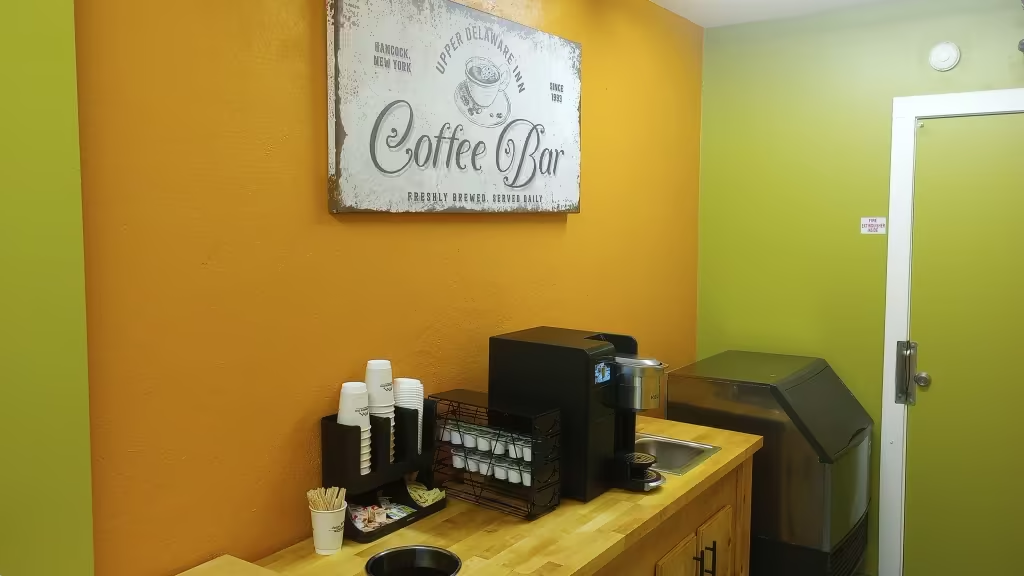
Anticipatory service means picking up on what guests might want before they ask. It starts with being observant—recognizing cues like tired eyes or a hurried arrival. These little signs let staff offer help, such as a quick check-in for weary travelers or extra towels if a family checks in.
Small gestures, like leaving a handwritten welcome note or remembering favorite room preferences, can turn a regular stay into something special. These actions show genuine care, creating a sense of comfort and belonging.
Yet, it’s important to strike a balance. Good anticipatory service respects guests’ privacy and boundaries, never overstepping or making assumptions. This thoughtful approach leads to memorable stays and fosters loyalty, setting the stage for how to handle problems with sensitivity and heart.
Recovery with Heart: Handling Problems with Emotional Intelligence
Turning Challenges into Connection
Service slip-ups happen, even in the most attentive motels. What truly sets a standout experience apart is how staff handle these bumps in the road. When an issue arises, staff with emotional intelligence don’t just recite a script—they connect. They listen actively, making sure guests feel genuinely heard and understood, not dismissed.
Emotional Validation Techniques
Acknowledging a guest’s frustration with phrases like, “I understand why this was upsetting,” signals empathy. This validation is often more soothing than a quick fix. Body language—attentive posture, steady eye contact, and a calm, open stance—shows sincere care and diffuses tension, making guests comfortable enough to explain what they need.
Authentic Apologies and Meaningful Recovery
A real apology means more than saying, “Sorry.” It’s about recognizing the guest’s feelings, taking responsibility, and making amends without excuses. Efforts like a heartfelt note or a personalized follow-up do wonders. Ironically, if handled with heart, a problem can forge a stronger bond with a guest than flawless service ever could.
By supporting both the guest’s comfort and dignity during tough moments, you lay the groundwork for trust—helping your motel stand out as a place that genuinely cares.
Building Emotional Intelligence in Your Team
Nurturing Empathy Through Training
Developing empathy starts with intentional, hands-on training. Practical activities like active listening exercises make staff attuned to guests’ unspoken feelings. Group workshops where team members watch real-life guest scenarios help them spot emotional cues and understand diverse perspectives. Debriefing afterward ensures those lessons translate to everyday guest interactions.
Role-Playing for Real-World Challenges
Role-playing is a powerful way to practice handling tough guest situations. Set up common scenes—like managing travel stress or celebrating a special event—and rotate roles so staff both give and receive empathy. Encourage sharing what felt genuine or missed during each session, making learning collaborative and supportive.
Fostering a Culture of Emotional Intelligence
Create an environment where empathy is always encouraged. Recognize and reward moments when staff go above and beyond to connect emotionally with guests. Provide ongoing feedback and encourage team members to reflect together on their experiences. When empathy is valued daily, your team will bring their best—making lasting connections with every guest.
Investing in your team’s emotional intelligence lays a foundation for meaningful, authentic guest experiences that help your motel stand out.
Technology and Emotional Intelligence: Finding the Balance
Supporting Human Connection Without Replacing It
Technology is everywhere in today’s motel experience—think mobile check-ins, digital room keys, and AI chatbots. But tech shines brightest when it enhances, not replaces, the personal touch. Tools like guest preference trackers let staff remember if someone prefers extra pillows or a quiet room. Automated feedback systems can flag emotional cues or complaints in real-time so team members can respond quickly and with empathy. Still, it’s the smile, the eye contact, and the genuine care from your staff that truly makes a lasting impression in a world full of screens.
Measuring the Unmeasurable: Tracking Emotional Connection
Rethinking Guest Feedback
Quantifying emotional connection can be tricky, but it’s doable when you move past standard satisfaction surveys. Instead of just asking if guests liked their stay, dig deeper—invite guests to share stories about moments where staff made a difference. Open-ended questions help capture emotional highs and lows, revealing details that numbers cannot.
Listening Between the Lines
Gathering feedback isn’t just about forms. Pay attention to spontaneous comments, handwritten notes, or even the tone of online reviews. These scraps of genuine emotion are golden insights for understanding how guests truly feel. Take time to notice unspoken cues: a guest lingering in the lobby for a chat, or a quick thank you at checkout, can signal a meaningful connection.
Connecting Empathy to Results
The ultimate aim is to link these emotional signals back to outcomes you care about—repeat bookings, positive reviews, and fewer complaints. When staff connect emotionally with guests, loyalty rises. Tracking these soft signals alongside traditional business metrics can give you a fuller picture of what makes your motel truly memorable.
Small steps in tuning into guest emotions create ripples that shape each guest experience and set the scene for lasting relationships.
Conclusion: From Transaction to Relationship
Creating emotional connections with guests leaves a mark that goes far beyond a single stay. When motel teams practice empathy, guest loyalty grows — people return and happily spread the word. Guests feel understood, not just served, and that leads to positive memories they’ll share with others. This shift doesn’t just benefit guests. Staff also feel more motivated and fulfilled, knowing their work truly matters. The result is a cycle where kindness and understanding become the norm, driving lasting excellence in hospitality.



