

Introduction: The Magic of Early Morning Wade Fishing on the Upper Delaware
The Upper Delaware River holds a special charm for anglers, thanks to its clear waters and wild trout that thrive in this vibrant ecosystem. These trout are known for their wariness and strength, making each catch feel truly earned. In summer, long days and warm weather mean that the river changes, demanding a different approach. Early mornings become the angler’s best chance, with cooler temperatures and active fish. This guide will help you unlock the secrets of timing, tactics, and preparation for unforgettable mornings on the water.
Why Dawn Patrol Matters: The Science Behind Early Morning Success
The Role of Cooler Water Temperatures
As dawn breaks over the Upper Delaware, water temperatures sit at their daily minimum. In summer, wild trout become sluggish and wary once the river warms. Cooler water holds more oxygen and helps trout keep up their high metabolism. At first light, these conditions let trout feed confidently in shallow riffles and runs before retreating to deeper, cooler spots as the sun rises.
Dissolved Oxygen Drives Activity
Oxygen in the water is a game-changer for trout, especially in summer. As water warms, it holds less oxygen, which means trout are less active during the heat of the day. Early mornings, with their cooler temperatures and higher dissolved oxygen, see wild trout become much more willing to move, rise, and eat.
Daybreak as the Prime Window
The first few hours after sunrise are truly special. Lower light levels and gentle currents give trout a sense of security. In these precious hours, they feed more aggressively and are less selective, giving anglers their best shot at wild fish before rising temperatures send trout into hiding. This natural cycle is why early risers almost always have the edge on summer mornings.
With this understanding of trout behavior, preparation becomes the next key to successful morning outings.
Planning Your Early Morning Strategy
Prepare Your Gear and Scout in Advance
Success starts the night before. Lay out your rods, reels, and flies in an organized manner for a smooth departure. Double-check essentials like leaders, tippet, net, and wading gear. Use a headlamp or flashlight for efficient, quiet rigging at the river’s edge. Confirm access points—public parking, trailheads, and wade-in spots—so you’re not fumbling in the dark.
Timing Your Arrival
Use a reliable weather app or sunrise chart to pinpoint when first light breaks. Arriving 30–45 minutes before sunrise lets you be ready as fish activity spikes. This window vanishes fast on warm summer mornings; plan to start casting as light fills the sky.
Mobility and Spot Selection
Map out a route that covers multiple high-probability runs and pools. Pack minimal gear in a small sling or vest so you can quickly change flies or move. Prioritize spots with fast, cool current and easy transitions to the next location. Moving efficiently lets you maximize your time before the sun climbs and trout activity drops.
These habits set the tone for a productive outing while ensuring you make the most of that fleeting early morning bite.
Reading the Summer River: Finding Trout in Low Water Conditions
Locating Prime Trout Water in Summer
When summer flows run low, trout seek out the river’s oxygen-rich pockets and cool-water refuges. Look for deeper pools shaded by trees, undercut banks, and places where riffles feed into slower currents. Here, constant flows and turbulence keep water temperatures lower and boost oxygen content, making them hotspots during early morning hours.
Spotting Subtle Feeding Lanes
As currents drop and the river narrows, seams and bubble lines become more pronounced. These channels concentrate drifting insects and draw trout to hold and feed. Watch for surface dimples, small rises, or the subtle sway of submerged grass—clues that fish are stacked in condensed lanes. Reading these currents well helps you target the most productive spots before the morning’s best window fades.
Light and Visibility
Early morning light often casts tricky shadows and reflections across the water. Low angles of sunlight let you spot subtle movements and surface activity, but can also make you more visible to wary trout. Adjust your approach to use the sun at your back or by your side, moving slowly and keeping a low profile as you scan for feeding fish.
With a solid grasp on where summer trout hide and feed, you’re set to move quietly and position yourself for the best shot at success.
Mastering Stealthy Wade Fishing Techniques
Body Position and Shadow Management
When approaching wary Upper Delaware trout, your body position matters. Always keep a low profile, minimizing any upright silhouettes that could spook fish. Position yourself so the sun is at your back or angling in from the side. This reduces your shadow over the water and makes it harder for trout to spot you.
Controlled, Balanced Movements
Move slowly and deliberately as you wade. Place each foot carefully, sliding it along the riverbed instead of lifting and splashing. Stay slightly crouched for stability, using a wading staff if needed. This approach keeps your balance and reduces sudden ripples that alert nearby trout to your presence.
Quiet Entry in Shallow Water
When you encounter a shallow riffle, stealth counts even more. Step softly on stones rather than dragging feet, and avoid shifting large rocks. Keep your tackle organized to prevent clanking gear. Glide into position, and pause to let the water settle before casting. This quiet, purposeful entry helps you reach even the most pressured fish undetected.
Approaching each spot with patience and stealth lays the foundation for delicate presentations, especially when targeting selective trout during sulfur hatches.
Small Fly Selection: Matching the #18 Sulfur Hatch
Why Sulfur Patterns Shine in Summer
During summer, the Upper Delaware’s wild trout feed almost exclusively on tiny insects. Most notably, the #18 sulfur mayfly hatch becomes the river’s main event. These sulfurs are small, pale yellow mayflies that emerge in huge numbers right at dawn. Trout, already wary from low, clear water, often lock onto this specific bug. A good match with the hatch lets your fly drift naturally among dozens of real insects.
Go-To #18 Patterns and Smart Presentation
Carry several #18 patterns, including Comparaduns, CDC emergers, and split-case nymphs. Use a long, light leader to help tiny flies land softly. Present your fly ahead of any swirl or rise, letting it drift drag-free along current seams. This subtle approach mimics naturals and tempts even the pickiest trout.
Reading Rises: Emerger or Dun?
Pay attention to the shape and sound of trout rises. A sip at the surface with a “dimple” could mean an emerger. Splashier takes usually signal duns. If fish keep ignoring your dun, switch to an emerger pattern and aim where you saw gentle rises.
Mastering fly selection and observation gives you the edge when trout are ultra-selective and the hatch is on. Pay attention to how trout rise, and you’ll consistently stay connected during the magic hours.
Presentation Techniques for Selective Wild Trout
Achieving Drag-Free Drifts in Summer Currents
To entice picky Upper Delaware wild trout, a drag-free drift is key—especially in summer when clear, gentle flows exaggerate any unnatural movement of your fly. Use a long leader and delicate tippet, mending frequently after each cast to let the current pull your line without disturbing your fly’s path. Position yourself slightly upstream and to the side, allowing the fly to drift toward the trout first, reducing the chance of spooking them.
Targeting Deeper Runs with Small Flies
When trout hold deep, especially as the sun rises, switch to weighted flies or add a tiny split shot to help small patterns reach the strike zone. Cast slightly upstream of holding trout and let your fly sink, drifting naturally at their level. Watching for the faintest pause in your leader or tippet can clue you in to subtle strikes, since wild fish rarely hit aggressively in these conditions.
Adjusting Casts for Early Morning Light
Low morning light can make line shadows stand out and alarm wary trout. Cast with the sun at your back or low on the horizon, using side-arm deliveries to keep your line low and reduce shadows. Shorter, controlled casts help maintain accuracy and minimize the line’s presence on the water, letting your tiny fly look as natural as possible.
Paying close attention to your fly’s drift and adapting your technique based on light and current is crucial for fooling these selective trout. This level of finesse also helps you stay mobile and efficient, ready for whatever the river brings next.
Essential Gear for Summer Wade Fishing Success
Lightweight Wading for Warm Weather
During hot Delaware summers, breathable waders or wet wading with quick-dry pants keeps you cool and agile. Opt for lightweight boots with solid grip—these help you cover ground efficiently and safely, especially when moving between productive spots at dawn.
Fast, Flexible Tackle Organization
A compact chest pack or hip pack makes changing flies easy when trout are feeding. Organize your fly boxes by hatch pattern and tippet size, so you can adapt quickly during short, frantic feeding windows without wasting time digging through gear.
Hydration and Sun Protection
Early morning doesn’t mean you can skip sun care. Wear a lightweight, long-sleeved sun shirt and broad-brimmed hat. Pack sunscreen and polarized sunglasses to shield from glare and UV. Don’t forget a water bottle—staying hydrated is just as vital as staying cool.
The right gear blends efficiency, comfort, and protection for those magical early hours on the water.
After the Rain: Targeting Deep Holes During Summer Freshets
How Rainfall Changes Trout Behavior
Heavy summer rains can alter river conditions overnight. Sudden flows cool the water and stir up extra food, often making wild trout more active and willing to chase flies. These freshets push fish into deeper holes and pockets where they feel safe from fast water and predators. After the rain, look for trout in the slow, deep sections behind large rocks or near undercut banks rather than in the usual shallow riffles.
Safe Wading During Elevated Flows
Post-rain water can be higher and swifter, hiding rocks and creating slippery footing. Move slowly, testing depth with each step. Angle your wading upstream or across the current for added stability. Always plan an easy escape route, and skip risky crossings. Sturdy boots with felt or rubber soles grip best on wet stone, and a wading staff adds confidence in uncertain conditions.
Adjusting Flies and Presentations
With more debris and food in the water, trout may favor bigger, more visible flies. Try streamers, flashy nymphs, or larger dry flies that stand out in murky conditions. Cast upstream, let your fly drift naturally, and hold contact with your line for quicker hooksets. Watch for slower currents at the head or tail of a deep pool—these often hold the hungriest fish as waters recede.
Shifting water and more active fish can deliver some of your most memorable angling as the river finds its summer rhythm again.
Conservation Considerations for Summer Wade Fishing
Handling Wild Trout with Care
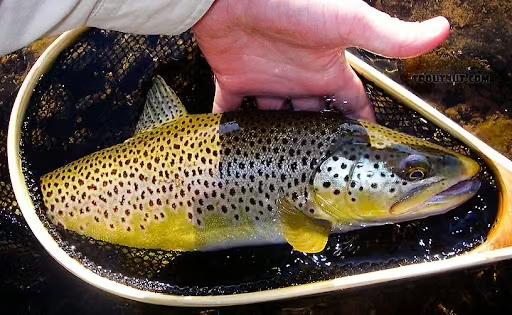
During warm summer months, wild trout are especially vulnerable to stress. Always wet your hands before landing fish, use a rubber-mesh net, and keep the trout submerged as much as possible. Remove the hook gently with forceps and allow the fish to recover in the current before release. Quick handling reduces stress and helps trout survive after the encounter.
Monitoring Water Temperatures
Carry a stream thermometer and check the temperature every hour. If the water hits 68°F or above, it’s best to stop fishing. Trout become stressed at higher temps and are less likely to recover after release. Fishing early in the morning helps, as water is coolest then.
Supporting Trout Conservation
Help protect the Upper Delaware’s wild trout by logging your temperature readings and catch data in citizen science programs. These reports aid fisheries managers in tracking fish health and river conditions. Your efforts help ensure the river remains a great fishery for years to come.
With a mindful approach, every angler can help safeguard the wild trout and their remarkable river environment.
Conclusion: Putting It All Together for Your Best Summer Wade Fishing Experience
Combining timing, skill, and smart gear choices creates a rewarding routine on the Upper Delaware. Start early, move quietly, and tailor your fly to match the hatch—these small details make big differences. Using lightweight gear keeps you nimble as you move between pools and riffles. Respect each fish you catch, and always consider the river’s wellbeing above all else. Becoming a thoughtful angler not only boosts your success but also helps safeguard this remarkable fishery for the future. Enjoy the journey and keep learning every morning you wade out.



