

Introduction: Why Visual Identity Matters for Small Hospitality Businesses
Visual Identity and Guest Perceptions
For small hospitality businesses, first impressions linger. Visual identity encompasses everything guests see—logos, color schemes, signage, and online presence. These elements shape subconscious perceptions before a guest even arrives. A memorable logo or inviting design can inspire a sense of trust and anticipation, while outdated visuals can leave guests feeling uncertain or uninspired. This visual language silently communicates your values and the experience to expect, often tipping the scales between booking and looking elsewhere.
Breathing New Life Through Rebranding
Rebranding offers small hospitality businesses a vital chance to shake off old perceptions and build new energy. Updating visual identity can signal a refreshed commitment to quality and service. It can allow the business to connect with a modern audience, reflect evolving values, or highlight new offerings. A strong, cohesive redesign brings staff together under a single vision, and can generate buzz that attracts both new and returning guests. Done thoughtfully, it becomes a springboard for revitalization, positioning a business to stand out in a crowded market.
The Hurdles Along the Way
However, rebranding isn’t without challenges. Small businesses often face restricted budgets and tighter timelines, making it hard to invest time and resources into research and design. Change can also be met with resistance from loyal guests and staff, who may feel attached to the familiar. Additionally, staying consistent across every touchpoint—digital and physical—requires training and coordination. The key is to balance innovation with continuity, ensuring the new identity feels authentic and true to the heart of the business.
With a strong grasp of why visual identity matters, business owners are well-positioned to build a rebranding process that resonates both inside and out.
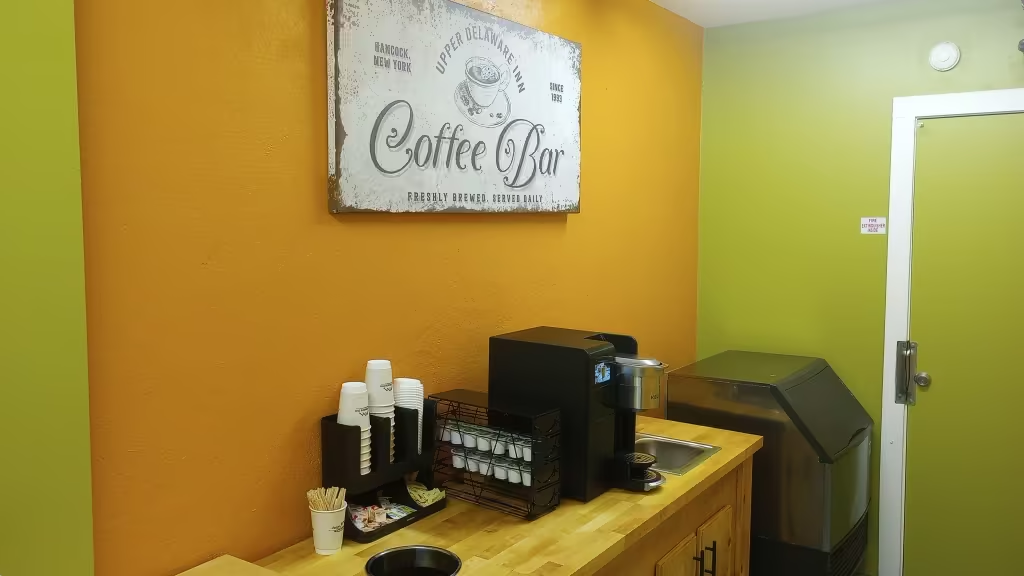
The Three Pillars of Successful Hospitality Rebranding
Listening to Your Guests
Rebranding begins with understanding your guests—your most important critics and champions. Listening means going beyond reading online reviews. Instead, engage guests in direct conversations, send out targeted surveys, and invite loyalty members to share honest feedback. By collecting these insights, you discover not only what needs to change but also what guests already love about your brand. This approach ensures your rebranding reflects genuine guest expectations, not just industry trends or internal opinions.
Making Real Product Improvements
Visual identity isn’t only surface deep. To avoid an empty makeover, improvements to your physical and digital services should align with the new look and feel. For example, if your new branding promises a “modern comfort” experience, update amenities and streamline services to match. Even small touches—like upgraded linens, new signature drinks, or a refreshed check-in process—show guests the brand’s evolution goes beyond the visuals. By doing this, you build authenticity and trust.
Winning Back Previous Guests
Sometimes, guests drift away because an experience felt tired or outdated. Rebranding presents the perfect opportunity to reconnect. Reach out to past guests with personalized invitations to see what’s new. Offer exclusive previews or loyalty perks, showing you value their past business and their feedback. This “second-chance” approach can win hearts, reinvigorate loyalty, and create buzz through word of mouth as returning guests share their positive experiences.
Small hospitality businesses thrive when these pillars—listening, improving, and reconnecting—work together to support a fresh, distinctive visual identity. This ensures your rebrand has substance, not just style, deepening the connection with both new and returning guests.
Phase 1: Assessment and Planning (Months 1-2)
Comprehensive Brand Audit
The first step in visual identity rebranding is knowing where you stand. Take a look at every visual touchpoint, from your logo and website to menus, linens, and staff uniforms. Are your colors consistent? Does your signage feel fresh or faded? Make a checklist and photograph everything. Involve your team and even loyal guests to see what visuals stand out to them and what may need refreshing.
Researching the Competitive Landscape
Spend some time studying how your top competitors present themselves. Look at their websites, social media, and physical branding. Pay close attention to their color schemes, logos, and the way they set the mood visually. Identify what sets you apart and where you might fill a gap in the market’s visual landscape. This exercise helps you carve out a distinctive spot and avoid blending in.
Timeline and Budget Creation
Creating a clear roadmap keeps your rebrand on track and within budget. Outline key milestones—when you’ll complete your audit, research, initial concepts, and rollout plans. Assign responsibilities and back them with realistic deadlines. Next, build a budget that covers every visual touchpoint, from design fees to new menus and uniforms. By planning ahead, you minimize surprises and ensure your rebranding efforts are achievable.
With your present strengths and weaknesses identified, your eyes will turn toward envisioning what your hospitality business can become.
Phase 2: Design Development and Stakeholder Buy-in (Months 3-4)
Crafting Your Fresh Visual Identity
Now that you’ve mapped out your rebrand and gathered insights, it’s time to bring your hospitality vision to life visually. This phase kicks off with brainstorming and drafting essential design elements. Start with logo ideas that encapsulate your story. Pair them with color palettes that reflect your property’s atmosphere—think warmth for a cozy inn or vibrant hues for an energetic café. Imagery, icons, and fonts are chosen to ensure every detail signals your refreshed identity.
Engaging Your Stakeholders
A fresh visual concept only shines when your team and guests are on board. Present your new looks to staff and loyal patrons through internal showcases or small focus groups. Encourage honest reactions and candid feedback. When people feel heard, they’re more likely to champion your new direction.
Refinement Through Collaboration
Feedback gathered during this process is gold. You might discover a color feels off or a font misses the mark with your clientele. Use these insights to tweak your designs—adjusting without losing the core vision that sets your hospitality business apart. Consistency is key; make sure changes strengthen your brand identity and don’t dilute its personality.
The end goal: visuals that excite your team, delight guests, and build anticipation—all with everyone pulling in the same direction as you prepare for what comes next.
Phase 3: Gradual Implementation (Months 5-8)
Strategic Rollout of Digital Assets
Gradual implementation is all about ensuring a smooth transition for guests and staff while swapping the old visual identity for the new. Begin with your online presence: update your website, social media, and booking platforms first. These platforms are often where guests encounter your brand before ever stepping onto your property. Aim for consistency and clarity—update profile images, banners, and messaging so returning and new guests aren’t confused. Announce changes on social channels to manage expectations and spark excitement, making sure links and navigation still work.
Phased Replacement of Physical Materials
Move next to the guest-facing parts of your space. Start with high-visibility items like exterior signage and main interior displays. Replace menus, room directories, uniforms, and key cards in manageable groups to control costs and avoid overwhelming your team. Communicate the plan with staff in advance so everyone knows what to expect and can relay information to guests. For each stage, remove any outdated branding to reinforce the fresh identity.
Managing the Transition Period
During this period, guest experience must remain top priority. Keep operations running smoothly by scheduling physical updates during off-peak hours when possible. Provide clear signage or friendly explanations for any temporary disruptions, like areas under revamp. Make sure all staff members are equipped to answer guest questions about the new look, reinforcing the story behind your evolution. Monitor guest reactions for feedback, as their real-time perceptions will help shape the success of your rebrand rollout.
When you approach each step with care and communication, you set your rebranded business up for trust from both loyal and new guests.
Phase 4: Staff Training and Alignment (Months 6-9)
Creating Shared Understanding
Your fresh visual identity isn’t just about new colors or a snazzy logo—it’s a promise to guests. For this promise to ring true, your staff needs to understand the story and values behind the change. Organize hands-on training where you walk everyone through the meaning of your new look and the messages you want to communicate. Share brand story materials so everyone, from reception to housekeeping, can see how their daily work ties into your vision.
Consistency Across Every Interaction
Consistency is key. Make sure all staff know how to use the new branding elements in guest communications, presentations, and even social media snippets. Provide clear, easy-to-use visual guides and do quick refreshers during team meetings. Encourage staff to ask questions—if someone’s unsure how a menu item should be presented with the new brand, that’s a signal to clarify. The goal: every guest interaction should feel seamless and on-brand, whether it’s a handwritten note in the room or a warm greeting at the front desk.
Empowering Staff as Brand Ambassadors
Guests will notice the changes and might ask about them. Train your team to comfortably and confidently share the rebranding story. Give them talking points and encourage them to share what excites them about the new direction. This turns staff from passive participants into enthusiastic brand ambassadors, building trust with guests and creating memorable experiences.
Investing in staff alignment keeps your rebrand from stopping at surface-level changes. It’s the difference between a brand that looks new and one that feels new from the inside out. Keeping this energy alive prepares your business to make a real splash during the official launch.
Phase 5: Launch and Reinforcement (Months 9-12)
Building Excitement for the Big Reveal
The final stretch of your rebranding journey is all about making a splash. A well-planned launch grabs attention and creates buzz. Think about creating an event—either in-person or online—that lets your audience experience your refreshed style first-hand. This could be a themed celebration for guests, a local community gathering, or a behind-the-scenes tour shared on social media. Partner with local influencers or loyal guests to extend your reach. Engaging your community in this way invites conversations and showcases your renewed vision.
Seamless Consistency Across Every Guest Touchpoint
After the big reveal, consistency is key. Update every visual asset guests interact with—signage, menus, uniforms, in-room guides, and all digital platforms. Even small touches, like business cards or email signatures, should reflect the new identity. This unified presentation builds trust and reassures guests that the changes are thoughtful, not random. Make sure your staff continues to use the new materials and language, keeping the brand’s personality shining in every interaction.
Listening, Responding, and Adjusting
The months after launch are a chance to listen. Gather feedback through surveys, online reviews, guest comment cards, and direct conversations. Be open to all responses, both glowing and critical. Address concerns quickly and thank guests for their input. Use this feedback to fix small issues and refine your brand elements if needed. Demonstrating that you value guest opinions keeps the conversation going and helps cement your renewed reputation.
With your new identity now fully in motion, you’ll be able to see—firsthand and in your numbers—how these changes make a difference for your business and guest experience.
Real-World Success Stories: Small Hospitality Rebrands That Worked
Boutique Hotel Case Study: Pivoting to a New Market
A small family-run boutique hotel faced falling occupancy rates and outdated décor. Instead of a full overhaul overnight, the owners began by assessing guest reviews and competitor branding. They realized modern travelers wanted unique, art-inspired experiences. The rebranding began with a vibrant new logo, fresh color schemes, and locally sourced art in guest rooms. Through regular feedback sessions, both team and loyal guests shaped the new look and feel.
Gradual changes—revamped website, colorful signage, and unified uniforms—kept loyal customers engaged without alienating regulars. The official launch coincided with a community art event, drawing local attention and shares on social media. Within months, the hotel saw higher booking rates and guest satisfaction soared.
Restaurant Chain: Evolving Step-by-Step
A small three-location restaurant group struggled with a dated image and inconsistent branding. They started by introducing subtle visual updates: new menus, modern tableware, and small décor tweaks. Over several months, staff wore refreshed uniforms, and digital assets evolved to reflect a brighter, welcoming identity.
Instead of a sudden shift, the chain communicated changes openly—inviting guest input and offering sneak peeks through social media stories. This inclusive process reduced pushback and built excitement. By the time signage and storefronts were fully rebranded, the updated look felt familiar to the community.
Within a year, both return visits and positive reviews increased. Guests commented on the improved atmosphere and consistency between locations, proving that a gradual, well-planned approach could revitalize business without risking guest loyalty.
Key Takeaways for Your Business
Both stories show that successful visual rebranding is rooted in listening, strategic planning, and inclusive engagement. Small, visible updates—coordinated with real service improvements—give guests reasons to return and spread the word. Moving step-by-step, rather than rushing, minimizes business disruption and preserves trust. This approach helps small hospitality brands thrive and grow stronger through thoughtful change.
With proof that visual identity can change a business’s trajectory, the next step is understanding how to measure if your rebrand is working.
Measuring the Impact of Your Visual Rebranding
Tracking Key Performance Indicators
Measuring the effectiveness of your visual rebranding starts by identifying key performance indicators that align with your business goals. Before launching your new look, collect baseline data like booking numbers, average review scores, guest return rates, and social media engagement. During and after rollout, compare these numbers to spot trends. An uptick in bookings, more positive online reviews, frequent return visits, and increased social media buzz are encouraging indicators your new identity is resonating.
Gathering and Analyzing Guest Feedback
Direct guest feedback brings real-world insight into how your rebrand is being received. Use comment cards, post-stay surveys, and social media polls to ask guests about the new visual elements. Encourage honest opinions about everything from the logo to the in-room menus. Pay special attention to repeated comments—these often signal what’s truly memorable or not connecting.
Adjusting Based on Performance Data
Don’t be afraid to fine-tune your visual elements as you receive feedback. If data or reviews flag a confusing sign or unpopular color scheme, make tweaks quickly. Track changes over time to ensure every adjustment guides your visual identity toward stronger performance and guest satisfaction.
By staying flexible and data-informed, your hospitality brand grows stronger with each guest interaction.
Conclusion: Balancing Change and Continuity in Hospitality Rebranding
Honoring Core Values During Transformation
When refreshing your visual identity, it’s easy to get carried away by trends or bold new looks. But the heart of your business—those defining values and promises that guests trust—should always lead the way. Keeping these core beliefs front and center helps your regulars feel at home, even as you update your look. Think of your brand values as the anchor that keeps your business authentic while moving forward.
When Looks Spark New Guest Connections
A new logo, modern color palette, or fresh interior can do more than catch the eye. Smart visual changes can trigger new guest curiosity and bring back past visitors. Updating the visual identity, when paired with actual product improvements, signals renewal and builds positive new associations. Guests see that change isn’t about erasing the past, but about enhancing what they already love.
Growing With Your Brand Over Time
Staying relevant means treating your brand as a living thing. Even after a rebrand, keep listening to guests, watching trends, and tuning your visual identity when needed. Subtle updates—like seasonal campaigns or periodic modernizations—can help keep your brand aligned with your business as it grows. Over time, this balanced approach to change ensures your hospitality business feels both fresh and familiar, encouraging guests to return again and again.



