
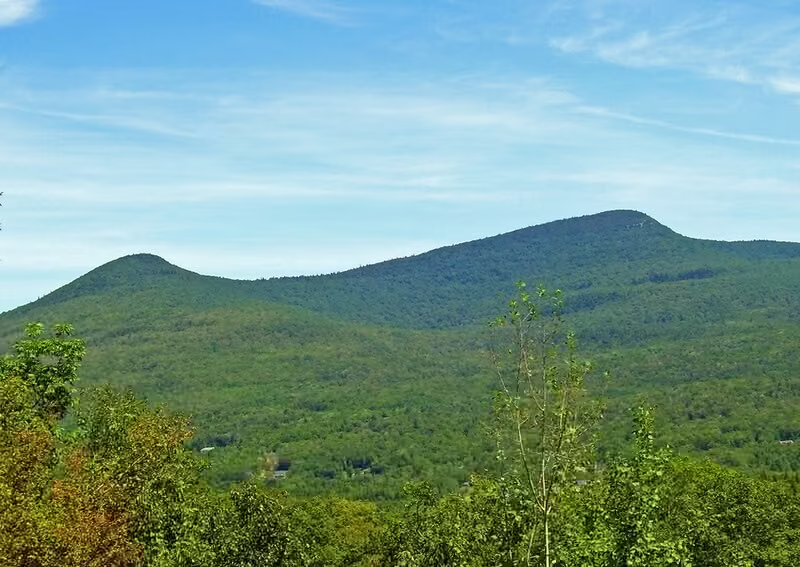
Introduction to Mountain Bird Photography in the Catskills
Photographing birds in the high peaks of the Catskills is equal parts challenge and adventure. Here, dense spruce-fir forests at elevations between 3,000 and 4,000 feet provide a unique backdrop. The thick canopy, mossy ground, and cool mist create a setting that’s both beautiful and unpredictable. Birds here are elusive, quick-moving, and often hidden among needles and branches.
The rewards, though, are worth every early alarm. Dawn’s soft light reveals mountain species found nowhere else in the region. Cool temperatures bring out their active feeding and singing just after sunrise, giving determined photographers the chance to capture moments rarely seen by most.
Preparation and patience matter, as the environment can shift from calm to foggy or wet within minutes. This setting calls for flexibility, respect, and a true appreciation for nature’s rhythm. With intention and care, the Catskill high peaks offer some of the most compelling bird photography opportunities around.
Next, we’ll explore how to thoughtfully plan your early morning expedition.
Planning Your Dawn Photography Expedition
Researching Resident Bird Species
Start by exploring which mountain bird species are active in the Catskills during spring. Focus on high-elevation specialists like Bicknell’s Thrush and Blackpoll Warblers. Study their songs and feeding habits ahead of time—knowing what to listen for helps spot them faster. Behavioral patterns often shift as migration peaks, so check recent birding reports to time your outing with species presence.
Mapping Access Points to Spruce-Fir Forests
Identify trailheads and safe routes leading to spruce-fir stands between 3,000–4,000 feet. Use up-to-date trail maps to pinpoint secluded groves where birds are more likely undisturbed. Plan your entry to avoid steep, eroded paths, ensuring you can reach your photo spot by dawn.
Preparing for Weather and Terrain
Pack for the Catskills’ unpredictable spring climate. Layer clothing for sudden temperature drops, and bring waterproof covers for gear and yourself. Wear sturdy boots to handle wet, rocky trails and have trekking poles for added stability. Always check the latest weather forecast before heading out so you’re ready for anything.
Being well-prepared builds the foundation for a peaceful and productive morning in the Catskills.
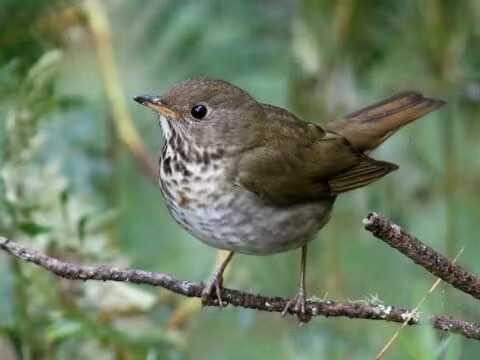
The Early Bird Gets the Shot: Timing Your Arrival
Beating the Sunrise
Getting to your spot before 6 am isn’t just about dedication—it’s essential for catching mountain birds as they’re most active. In the quiet first light, Bicknell’s Thrush and Blackpoll Warblers emerge to feed, taking advantage of insect activity and relative safety before the forest wakes up. Being early puts you ahead of both the sun and the crowds, giving you an unobstructed view of these elusive species.
Reading Bird Rhythms
Spring brings earlier sunrise times and a surge in bird feeding and singing. Birds rely on daylight cues, often beginning their rounds when the sky is just barely lit. Learning the local sunrise schedule helps you align your arrival with their peak behaviors. You’ll see more variety and action within the hour after first light, before birds retreat higher or deeper into the spruce-fir canopies.
Setting Up Without Disturbance
Once you arrive, step lightly and quietly. Avoid strong scents and abrupt movement—birds in the Catskill high peaks are especially sensitive to disturbance. Move slowly, select your vantage point thoughtfully, and pause often to listen and watch. This calm approach lets you blend into the scene, capturing those magical dawn moments while respecting the birds’ habitat.
Ready techniques to capture dimly lit birds in the shifting morning forest make all the difference as the light begins to change.
Essential Camera Settings for Low Light Conditions
Photographing birds at dawn in the Catskills’ spruce-fir forests is all about balancing light and motion. In the dim early hours, start by setting a higher ISO—commonly between 800 and 1600—to gather enough light without introducing excessive noise. Open your aperture wide, such as f/4 or f/5.6, to let in more light and soften busy backgrounds, helping your subject stand out. Choose a fast shutter speed, at least 1/800s, to freeze quick movements, but adjust gradually to avoid underexposing. Mastering these settings ensures sharp, vibrant bird images amidst the morning gloom.
Mastering Directional Light in Morning Photography
Positioning for the Best Light
To create dramatic bird portraits in the Catskills, begin by placing yourself so the rising sun gently illuminates your subject. Stand to the side of where the birds are likely to appear, letting warm sunlight catch their feathers and add life to your shots. Avoid shooting directly into the sun, which can create silhouettes and hide detail. Instead, aim for an angle where the light highlights the bird’s features without causing harsh glare.
Using Filtered Light from the Spruce-Fir Canopy
The dense spruce-fir canopy at high elevations diffuses the strong morning rays, creating soft, patchy light that flatters small montane birds. Use this to your advantage by watching how beams of sunlight break through the branches. Position yourself where filtered light falls onto perches or feeding areas, offering a balanced mix of shadow and brightness. This natural spotlight can give your photos a magical, atmospheric feel.
Balancing Shadows and Highlights
Dawn in the mountains often means sharp contrasts between shadowy forest depths and sunlit patches. Adjust your camera’s exposure compensation slightly upward to keep bird details visible in the shadows, but don’t push so far that you lose the subtle tones in the highlights. Shooting in RAW format allows you to recover more detail during post-processing. As light changes quickly, keep an eye on your histogram and make small tweaks for consistent, natural-looking results.
Understanding how to work with this unique morning light brings out the colors and textures of Catskill high peak birds, perfectly showcasing their habitat and behaviors.
Weatherproofing Your Gear for Catskills Conditions
Spring mornings in the Catskills high peaks are both magical and unpredictable. Rain, fog, or even a sudden snow flurry can catch you by surprise. To keep your camera safe, invest in a good waterproof cover or rain sleeve. Always pack a few microfiber cloths to wipe off morning dew that collects quickly on cold lenses. Use dry bags and silica gel packets in your backpack to avoid moisture damage. In chilly weather, keep spare batteries close to your body—cold drains them fast. Proper gear protection ensures you won’t miss those fleeting moments among the spruce-fir giants.
Prepare your camera settings for changing light as the morning unfolds.
Composition Techniques for Mountain Bird Photography
Framing Birds in Their Habitat
Getting the perfect shot in the Catskills begins with thoughtful framing. Position yourself so the spruce-fir trees frame the bird, highlighting both subject and environment. Look for natural arches or branches that guide the eye toward the bird.
Capturing Natural Behavior
Early morning is ideal for photographing birds interacting and feeding. Instead of always waiting for the perfect pose, document activities like preening or hopping among mossy logs. These candid moments often tell a richer story and feel more authentic.
Using Morning Light for Atmosphere
Take advantage of soft morning rays filtering through the canopy. Angle your camera to catch warm highlights and subtle shadows, creating depth and mood. Mist or dew can add magical effects, making your images feel fresh and alive.
With these techniques, your photos will showcase not only the bird but the Catskills’ mountain world as a whole—full of character and wonder.
Species-Specific Photography Tips for Catskill Mountain Birds
Quiet Pursuits: Secretive High-Peak Specialists
Capturing elusive birds like Bicknell’s Thrush or Blackpoll Warbler starts with patience and stealth. Move slowly and listen for faint calls at dawn—these birds often forage low in dense spruce-fir thickets. Set your camera to continuous autofocus to react quickly, and use natural cover to remain unseen. Wait for the birds to emerge into small breaks in the foliage, where early light can highlight their subtle colors against deep greens.
Approaching Familiar Faces
Red-breasted Nuthatches and Golden-crowned Kinglets are more visible, flitting along branches or hovering briefly at the tips. Try focusing on patches where they’re actively feeding, and use burst mode to catch those fast movements. A moderate aperture, like f/5.6, provides enough depth for capturing sharp details while softly blurring tangled backgrounds.
Chasing Spring Migrants
Spring brings fleeting visitors through the high peaks. Watch for sudden flashes of color or unusual movement in the canopy. Keep your settings flexible, and be ready to adapt as new species pass through—each may behave or perch differently. Tune in to morning sunlight as it filters through, helping you showcase both resident and migrant birds in their mountain landscape.
With these strategies, you’ll be well prepared to adapt your approach for each unique species you encounter.
Post-Processing Considerations for Dawn Bird Photography
Fine-Tuning Color Balance for Dawn Shots
Mountain dawn light in spruce-fir forests often casts a cool, blue tint in your images. When processing, adjust your white balance with care. Use temperature sliders in your editing software to bring out the true hues of birds and foliage, without making them look unnatural. Custom white balance settings can help represent the subtle atmosphere while preserving authenticity.
Tackling High ISO Noise
Shooting in low light usually means higher ISO—and more noise. In post-production, apply noise reduction tools thoughtfully. Avoid over-processing, which can remove important feather detail or leave images looking flat. Strike a balance: reduce grain, but keep textures lifelike.
Enhancing Without Overdoing
Mountain birds and their habitat have delicate patterns and colors best kept subtle. Use sharpening tools and gentle contrast enhancements to highlight fine features like feathers or dew on branches. Saturation tweaks should be minimal, keeping scenes vibrant but believable.
Smart, light-handed post-processing ensures your Catskills bird images feel just as peaceful and authentic as the forest itself. This attention to detail wraps up your dawn fieldwork and helps your portraits shine.
Conservation Through Photography: Ethical Considerations
Minimizing Disturbance to Mountain Birds
Photographing birds in the Catskill high peaks means treading lightly. Many species here, like Bicknell’s Thrush, are sensitive to human presence. Always keep a respectful distance and use long lenses rather than approaching too closely. Avoid playback calls or anything that might alter natural behavior. Step softly, speak softly, and remain patient—even a small disturbance can disrupt crucial feeding or nesting.
Promoting Ecosystem Awareness
Your images can do more than fill a portfolio—they can be powerful tools for conservation. Show the beauty and fragility of the spruce-fir ecosystem, highlighting its mossy floor, unique trees, and rare birds. Thoughtful captions and context can inspire others to care and support efforts to preserve these habitats.
Supporting Science with Your Work
Combine your passion with purpose by contributing to citizen science. Share your sightings through local bird monitoring projects and apps. Clear, well-documented images can help identify species, note migration patterns, or even highlight environmental changes—making your hobby meaningful for conservation efforts.
Connecting your photography with ethics and conservation ensures your time in the Catskills has a positive impact on both birds and their remarkable mountain home.
Conclusion: Perfecting Your Catskill Dawn Photography Practice
Consistent early morning outings in the Catskills will naturally help you build an impressive portfolio of mountain bird images. Over time, you’ll notice your photos reveal not just birds, but also the distinct mood of the high-elevation spruce-fir forest at first light. Finding your own style means experimenting with light, angle, and framing until your images truly capture the character of mountain birds.
Embrace the ever-changing conditions—the unpredictability is part of what makes dawn photography so rewarding. Each morning spent in the quiet heights brings new opportunities to refine your craft and deepen your connection to this unique ecosystem.



