

Introduction: The Magic Hour on the Upper Delaware
Why the Final Hour Before Sunset Matters
As daylight begins to fade over the Upper Delaware, anglers know they’re approaching what many consider the best hour of the day for dry fly fishing. This golden window—often called the magic hour—brings a noticeable change to the river. The sunlight softens, shadows stretch across the water, and a quiet energy stirs beneath the surface. For trout and those who chase them, everything comes alive.
Exceptional Trout Activity at Dusk
The last hour before sunset is special because it triggers increased feeding activity in trout. As the sun dips, water temperatures cool just enough to become comfortable for active feeding. Insects, too, take advantage of the evening, often emerging in swarms atop riffles and runs, forming carpets of opportunity for waiting fish. During this time, trout shift from cautious, daytime behavior to more aggressive rise patterns. Their guard drops as low light offers them security from predators, and their willingness to feed on top intensifies.
The Upper Delaware’s Unique Appeal
What sets the Upper Delaware apart as a prime destination for evening dry fly fishing is its thriving insect hatches, healthy wild trout populations, and varied river structure. From broad pools to tumbling riffles, the river offers plenty of ideal spots for trout to feed confidently as night approaches. The combination of optimal habitat, prolific hatches, and tranquil scenery make this stretch of water a beacon for anglers hoping to catch the evening rise at its very best.
Understanding why and how trout feed during this unique transition will shape every decision you make on the water, setting the stage for a rewarding evening.
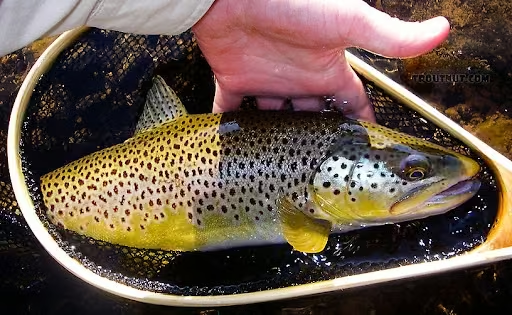
Understanding Trout Behavior During the Evening Transition
Biological Triggers of Evening Feeding
As the sun dips toward the horizon, subtle changes in the river environment kick-start trout into a state of increased feeding. The reduction in daylight signals to aquatic insects that it’s time to hatch and swarm—a pattern signals the trout to prepare for a protein-rich opportunity. Lower light also reduces the risk for both prey and predator, encouraging trout to leave the safety of deeper water and enter shallows where emerging insects are abundant.
Water Temperature and Its Impact
During hot summer days, shallow river sections may heat up, causing trout to retreat to cooler, deeper runs. As late afternoon shifts to evening, water temperatures slowly drop. This cooling effect not only brings more oxygen into the water but also revs up trout metabolism. An active metabolism means trout are eager for calories before the nighttime lull settles in.
Why Trout Become Bold at Dusk
With the coming darkness, trout feel safer. Fading light acts as a cloak, making it harder for predators like birds to spot them. This new sense of security prompts them to feed more openly and aggressively in areas they might avoid in bright daylight. The combination of hunger, available insects, and the safety of shadows transforms even wary trout into confident feeders.
Noticing these subtle shifts and understanding why they happen is vital for anglers hoping to intercept trout during their most active and vulnerable moments. Recognizing the cues behind their evening behavior sets the stage for a successful hunt as the light continues to fade.
Prime Summer Evening Hatches on the Upper Delaware
The Big Three: Light Cahills, Sulphurs, and Isonychia
As the sun dips low, the Upper Delaware comes to life with remarkable insect activity. Three major hatches stand out during these warm summer evenings: Light Cahills, Sulphurs, and Isonychia. These bugs thrive in the river’s clean currents, emerging in waves once the harsh light softens. Trout tune in to these food sources almost immediately, delivering consistent surface action through the last glow of daylight.
Timing the Emergence Window
Evening hatches follow a predictable rhythm on the river. Sulphurs often appear first, trickling off as dusk settles. Light Cahills join the scene soon after, their pale wings floating alongside the remaining Sulphurs. Isonychia mayflies, also known as “slate drakes,” usually surge just as the sky deepens, their larger profiles irresistible to hungry trout. Each species has an optimal window, but sometimes overlaps create a feeding frenzy that keeps anglers guessing.
Cracking the Code in Fading Light
As shadows stretch and visibility drops, identifying exactly what’s hatching becomes more challenging. Instead of searching for colors or fine details, focus on three quick clues:
- Notice the size and shape of insects hitting the water.
- Listen for rising trout and watch the types of rise forms—soft sips suggest delicate spinners, while aggressive takes hint at larger, robust bugs like Isonychia.
- Feel for changes in the air as insects begin to swarm; if you sense tiny bugs brushing past or see spinner clouds hovering, it’s time to adjust your fly.
Tuning in to these subtle signs helps match your offering to the most active hatch, turning the mystery of twilight into your evening’s advantage.
With a read on what’s in the air, you’re set to build a fly box for the night’s best shot at fooling Upper Delaware trout.
Essential Fly Selection for Sunset Fishing
Must-Have Patterns for Upper Delaware Evenings
As twilight settles over the Upper Delaware, the right fly patterns become crucial. Summer evenings often feature strong hatches of Sulphurs, Light Cahills, and Isonychia. Carrying these in a variety of sizes ensures you can match what the trout are feeding on. Parachute dries and comparaduns work well, offering a natural profile that rides low and fools selective fish. For the late evening spinner falls, a Rusty Spinner in size 14-18 is a classic standby.
Importance of Silhouette and Visibility
With the sun dropping, light fades and visibility changes—for both angler and trout. The silhouette of your fly becomes more important than fine detail. Patterns with pronounced, easy-to-see shapes stand out against the dim sky. Flies tied with light-colored wings, calf tail posts, or reflective materials help you and the fish spot your offering as dusk deepens. Consider swapping out slim-bodied patterns for bushier, darker silhouettes that cut a crisp profile on the water.
Switching from Imitative Patterns to Attractors
If trout are picky and focused, start with close imitative patterns that mimic the shape and color of natural insects. As visibility further declines or rises become splashy and less measured, switch to attractor patterns—think Wulffs or Stimulators. These flies trigger reaction strikes in fish that have grown bold under evening cover. Attractors with a bit of flash or a prominent wing can grab attention in low light, keeping you in the game until the last cast.
Choosing the right fly as the light changes puts you in position to intercept even the wariest Upper Delaware trout, ensuring your evening ends with the kind of rush only a perfect rise can offer.
Reading the Water: Prime Locations for Evening Rises
Spotting Productive Feeding Zones at Dusk
As daylight wanes on the Upper Delaware, trout push into new zones. Shallow edges, soft seams, and tailouts come alive as fish leave daytime lies to hunt emerging insects. Watch for gentle boil-like rises or soft dimples—these signals often mean active feeders moving into slower lanes. Foam lines and seams where current speed shifts create natural food funnels. Trout line up here for easy pickings, especially as hatching bugs gather in these spots.
Trout Movements from Day to Night
During the heat of day, trout tuck into deep pools or undercut banks where they feel safe and hidden. As the sun sets, they slide closer to the surface. You’ll often find them at the heads of pools, in the tailouts, or along the tray of a gentle riffle. These areas offer oxygen-rich water and consistent food delivery during the evening hatch. Trout become less cautious, venturing into the open for prime feeding.
Consistent Structures to Target
Certain river features consistently produce results. Look for:
- Broad, shallow flats: Perfect for large insect emergences.
- Seam lines: Where fast meets slow water, bugs and trout gather.
- Submerged rocks and islands: Breaking up current and giving trout cover with passing food.
Finding these prime spots as the light drops gives you a clear edge. Being observant and reading subtle water features helps unlock the best evening action. With the feeding rhythm set, you’re ready to fine-tune your tactics for each unique stretch.
Tactical Approaches for Different Water Types
Riffles, Runs, and Pools at Dusk
As the sun sinks, the Upper Delaware’s features come alive in new ways. Riffles—those fast, broken-water stretches—become spots where trout feel safe and find drifting insects. Toss your fly slightly upstream in riffles and let it dance with the current, making short, controlled casts to avoid drag. Runs, with their steady, deep flows, call for longer drifts and careful mends, helping your fly hang just where rising trout are hunting.
Pools, especially deep ones, hold fish all day but see a burst of activity near sunset. Focus on the heads and tails of pools: trout cruise here because food funnels in and safety increases. Present your fly gently and be patient—these fish often rise with subtle, sipping takes.
Adjusting for Water Depth
Shallow flats and edge water offer unique opportunities as light fades. Trout move in to feed, less wary in the shadows. Use lighter tippet and quieter presentations to avoid spooking them. For deeper water, go a bit heavier on your leader to control larger fish. In both cases, keep casts accurate—too much false casting can tip off wary risers.
Handling Limited Visibility
As night approaches, seeing the riverbed is tough. Work in grids: make repeated casts to likely lanes, moving methodically upstream or across the current. Listen for rises as much as you look, and check for subtle surface rings or swirls. In the dim light, trust your instincts and stick to proven feeding lanes and seams.
Smart adjustments for each water type mean you’ll find more success as the evening show builds up. Attentive observation, gentle wading, and thoughtful casting will keep you in the game even when sight fades.
Presentation Adaptations for the Fading Light
As the sun slips behind the trees and shadows lengthen over the Upper Delaware, adapting your fly presentation is key. Low light can play tricks on your eyes, making simple tasks like casting and tracking a dry fly more challenging. Yet, it’s during this last light that trout drop their guard and feed with abandon.
Staying on Target When You Can’t See
Accurate casting becomes tougher at dusk. Try shortening your casting distance. Focus on controlled, deliberate movements. Keep your rod tip low—this improves line control and keeps your dry fly in view a bit longer. Practice casting with minimal false casts, since fewer line movements mean less detection by spooky trout and less confusion in the dim light.
Drifting Right in the Twilight
Light angles change quickly in the evening. Adjust your drift by positioning yourself to minimize glare, either by wading to a better angle or using the soft background of a shadowed bank. If you lose sight of your fly, switch to a high-floating pattern or a fly with a visible post—white, orange, or chartreuse can help. Dead-drift your fly with a subtle twitch if you think it’s needed, but keep movements gentle and natural. A slack-line cast or reach cast can help extend your drift and reduce drag—even if you have to guess where your fly is.
Stealth: Quiet Wins Fish
Sound and vibration travel farther over still evening water. Move carefully. Wade slowly and step softly; gravel crunch and splashing can spook trout that are now close to the surface and on high alert. Minimize unnecessary rod movements and never slap your line onto the water. If you need to adjust your cast or position, do so quietly and with purpose.
Staying tuned in as daylight fades helps you make the most of your evening hike back, setting up your next move as river sounds and the rhythm of feeding rise around you.
Extending Your Fishing Window Safely
Essential Gear and Preparation
To make the most of post-sunset fishing, pack a headlamp with a red light feature. This helps protect your night vision while tying knots or navigating the bank. Waterproof gear bags keep essentials dry, and a small first-aid kit is invaluable. Always bring a backup flashlight, spare batteries, and a whistle. Consider wearing a wading belt and cleated boots to minimize slip risk. Extra layers, including a lightweight rain jacket, help if weather changes after dark.
Safe Navigation After Sunset
Before heading out, study river access and exit points. Mark these locations on your phone’s GPS or a physical map. As light fades, slow down and stay close to the bank. Use your headlamp only when needed, and keep your bearings by referencing large trees or familiar rocks. Avoid deep or swift sections when visibility drops—stick to shallow runs and established trails. Always fish with a partner or let someone know your plans and estimated return time.
Legal and Regulatory Considerations
Familiarize yourself with local fishing regulations before your trip. Some sections may have restricted fishing hours or seasonal closures. Check posted rules at access points and stay updated on creel limits, size limits, and any restrictions on artificial lures. Pack your fishing license and carry it with you, as random checks can occur, especially during popular summer evenings.
Thoughtful preparation and situational awareness add an extra layer of enjoyment and safety as twilight yields to darkness on the river.
Weather Factors That Influence Evening Dry Fly Success
The Role of Weather in Evening Dry Fly Fishing
Weather can make or break your sunset outing on the Upper Delaware. Warm, stable evenings after sunny days are a dry fly angler’s best friend. Temperature holds steady, bug activity peaks, and trout look up for their last meal before dark. When a warm spell rolls through, expect prolonged insect hatches and aggressive rises.
Wind is another big player. Calm, glassy water lets trout see surface bugs and feeds their confidence. Strong breezes, on the other hand, can scatter insects and make drifts tricky. Trout may hunker down or switch to subsurface feeding when gusts pick up, making precise dry fly work tough.
Barometric pressure matters too. Rising pressure after storms often rings the dinner bell for hatching bugs and hungry fish. But sudden drops—as a cold front blows in—can shut things down fast, with fewer insects and less surface action.
Spotting Ideal Conditions for a Magic Hour Trip
Keep it simple:
- Target evenings after a warm, mild day.
- Aim for low, stable winds.
- Pick clear or partly cloudy skies.
- Avoid outings right after a storm or on a sudden cool-down.
The best sign? Surface dimples as bugs hatch and trout sip. Pay attention to how clouds, humidity, and temperature shifts feel in real time—it’s often your most reliable guide.
Using Forecasts to Plan Your Evenings
With weather apps and local reports at your fingertips, plan outings by looking for light winds, rising or steady temperature, and even barometric “spikes” after storms. Consistent warm trends often lead to reliable evening activity, while abrupt cool changes and high winds are warning flags.
With a sharp eye on the sky and weather charts, your evening on the Upper Delaware will be set up for success, primed for those perfect rises as the light fades.
Conclusion: Making the Most of the Golden Hour
Key Strategies for Success
To maximize those twilight moments on the Upper Delaware, focus on reading subtle surface activity and matching emergent insects with thoughtful fly selection. Center your attention on transitions—both in trout behavior and in the river features. Move quietly and switch your approach as the light drops, trusting silhouette and motion more than color. Simple gear choices, like a headlamp and visible fly patterns, prepare you for the unpredictably long evenings.
Applying Evening Tactics All Summer
Success isn’t just about one perfect cast—it’s about stacking small advantages throughout every trip. Use what you’ve learned about hatches, trout movement, and water reading to adapt as the season evolves. Stay flexible and tuned to weather and river changes: what worked last week may need tweaking tomorrow. Consistency comes from observation and a willingness to experiment as conditions shift.
The Rewards of Mastery
Chasing trout during the golden hour offers more than just hookups—it’s an immersive experience. The calm river, lush setting sun, and bold trout create lasting memories. Mastering the nuances of these magic evenings means more than catching fish; it’s about being part of the river’s rhythm, where every cast is a chance for perfection.



