

Introduction to Upper Delaware’s May Fishing Conditions
Spring’s Changing River
May on the Upper Delaware is a dynamic time. The river shifts daily with spring rains, snowmelt from the hills, and the first true warmth of the year. Water levels can run high and cold one week, then warm and drop considerably the next. Trout sense these changes, moving between fast riffles and deep pools as conditions evolve.
Why Nymphing Shines
Nymphing stands out in May because aquatic insects are active underwater before hatches truly break the surface. Fish feed below, seeking nymphs drifting naturally in the current. Dry fly action might be spotty, but nymphs are always on the trout’s menu this time of year.
Challenges and Rewards
Anglers face rapid water temperature swings, murkiness after rain, and shifting insect activity. Still, these challenges create opportunity. Adaptability is key—if you can adjust to the river’s daily personality, the rewards can be memorable.
The dance between water and weather makes every trip unique.
Understanding Spring Water Temperatures
The Role of Temperature Fluctuations
May brings dramatic shifts in water temperature on the Upper Delaware. Nights remain cool while afternoons warm up quickly. These shifts affect trout activity. Often, feeding turns on once the water reaches a comfortable range, usually in late morning or early afternoon. Some days see sudden drops due to overnight cold snaps or spring storms, causing trout to feed less actively and seek slower water.
How to Monitor Water Temperatures
Tracking water temperature each outing helps you spot trends. A simple stream thermometer works well. Take readings at different times of day and in various locations, especially near where you plan to fish. Logging these readings over several days reveals valuable patterns—like when trout begin to feed or when hatches start.
Temperature and Trout Feeding Behavior
Trout metabolism is highly tied to water temperature. Colder water leaves them sluggish, searching for easy meals along the bottom. As temps rise, their activity level increases and so does insect movement. This prompts more consistent feeding windows for nymphing anglers. Adjust your expectations and tactics based on the thermometer: even a two-degree change can mean everything for spring success.
These temperature patterns sit at the heart of unlocking consistent fishing, especially as May’s other challenges unfold.
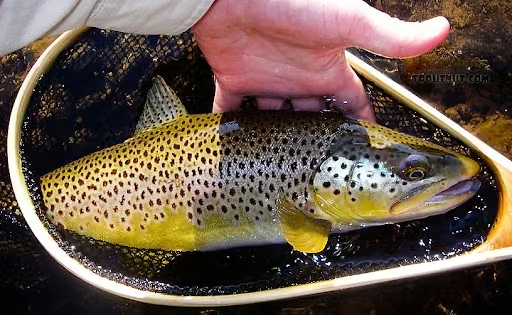
Navigating Spring’s Murky Waters
What Causes Murky Water in Spring
Spring transforms the Upper Delaware into a river of surprises, especially when it comes to water clarity. Rainstorms and snowmelt often cloud the water, churning up sediment and debris. Heavy runoff from nearby hills and creeks adds more color and particles to the river. As the water rises, mud and silt that settled over winter get disturbed, making clear pools unexpectedly turbid. Even small storms can cloud the water for hours or days.
Tactical Fishing in Turbid Conditions
Success in cloudy water demands flexible tactics. Start by picking nymphs with darker profiles that contrast better against the muddy backdrop. Use larger, heavier flies—they’re easier for trout to spot and help your presentation cut through faster water. Focus presentations in slower seams, eddies, or along banks where fish seek calmer, slightly clearer water.
Strike indicators become vital here; choose bright colors that stay visible in the low light. Keep your casts short and tight, hitting likely holding areas with repeated, accurate drifts. Trout may not see your nymph as easily, but if they do, strikes can be aggressive.
Adjusting Your Presentation for Clarity
Visibility dictates your approach each day. When the water is heavily colored, slow down your drift and add more weight to get the fly down quickly. Consider using attractor nymphs or patterns with a bright hot spot for added visibility. As clarity improves, lighten your tippet and switch to more subtle patterns. A flexible mindset and willingness to experiment will keep you in the game, no matter what spring throws at the river.
As spring unfolds, honing these skills ensures each day brings a new chance to connect with Upper Delaware’s select trout.
Essential Nymph Patterns for May Hatches
Pat’s Rubber Legs: A Spring Standout
When the Upper Delaware runs high and off-color in May, Pat’s Rubber Legs shines. This big, buggy nymph grabs attention in murky currents. Its wiggly rubber legs and bulky profile give trout a clear target, especially when stoneflies and large mayflies are active. Fish it deep along soft seams or behind structure where visibility is low and currents slow down. The fly’s size ensures it stands out, and the rubber legs pulse enticingly even when drifted slowly.
Fishing Barr’s Emergers for Selective Trout
May waters also see finicky trout targeting submerged emergers. Barr’s Emerger is a proven pattern, especially when trout ignore bulkier offerings. Go with natural colors to match unfolding mayfly hatches. Present it just above the riverbed in gentle runs and tailouts. Use a slow dead-drift or short twitches to mimic struggling nymphs—this often triggers strikes from selective fish.
Other Productive Patterns
Besides Pat’s Rubber Legs and Barr’s Emergers, consider:
- Pheasant Tail Nymphs—great generalists, especially in smaller sizes
- Hare’s Ear Nymphs—effective in a range of spring water conditions
- Caddis Larva imitations—key when caddis are hatching or in abundance
Mixing size, weight, and color based on water clarity and insect activity is vital. Swapping between these patterns can keep you in the action as hatches and conditions shift throughout May.
With the right nymphs dialed in, your presentation becomes the next critical focus.
Strike Indicator Techniques
Choosing the Right Indicator for the Water
Selecting the ideal strike indicator is key when the Upper Delaware runs high and stained in May. On cloudy or fast-moving water, larger, brighter indicators stand out, making even subtle takes more obvious. For clear water or spooky trout, go for smaller, less conspicuous options to avoid spooking fish. Adjust your indicator’s size based on current and depth—more buoyancy helps in faster flows, while smaller indicators allow delicate drifts in slower pockets.
Rigging for Maximum Sensitivity
Pair your floating line setup with an indicator placed about 1.5 to 2 times the water depth above your nymph. This ensures your flies drift naturally near the bottom. Use loop-to-loop connections for quick adjustments. Fine-tune the distance if your nymph snags or floats too high.
Detecting Subtle Takes
Murky water can hide the lightest of strikes. Focus on your indicator’s smallest twitches or stops rather than dramatic dips. Even a brief hesitation may signal a curious trout below. Stay alert, keep slack out of the system, and remember that any unusual movement is worth checking with a gentle hookset.
Mastering these techniques will help you react with confidence, even when visibility is low and takes are hard to spot. Adaptability remains your strongest ally as conditions shift through the spring.
Depth Management Strategies
Fine-Tuning Depth for Temperature Shifts
Success in Spring relies on matching your nymphs to the right depth as water temperatures fluctuate daily. Cooler mornings may push trout near the bottom, while a daytime warm-up can bring them higher in the water column. Start deep—1.5 to 2 times the water depth between your indicator and fly—then shallow up as temperatures and fish activity rise. Adjust often, as spring trout move with changing conditions.
Adapting to Current Speed and Structure
River currents don’t flow evenly—pools are slower, riffles faster. In heavy current, adding split shot or heavier nymphs ensures your flies reach the strike zone quickly. In soft seams or shallow runs, lighter weight keeps your presentation natural. Watch how your indicator drifts—if it lags or drags, tweak your weight until you get a smooth, drag-free float.
Balancing Weight and Depth by Section
Different river sections demand unique rigging. Pools often require extra split shot and longer leaders, while riffles and fast runs work better with minimal weight and shorter setups. Adjust carefully: too much weight grounds your flies; too little and they drift above feeding fish. Regularly check and adapt to small changes—being dialed in, not locked in, makes the difference.
Dialing in your depth doesn’t just boost your odds—it makes every cast count as you work the river’s seasonal rhythms.
Tactical Approaches to Different River Sections
Finding Productive Holding Areas in Spring
Success in May on the Upper Delaware starts with spotting where trout want to be. In spring, look for areas where trout can avoid strong flows but still have easy access to drifting food. Focus on seams—those soft edges where fast water meets slow. Behind large rocks, along undercut banks, and at the edges of deeper pools, fish often rest and feed. If the water muddies, trout prefer the slower edges rather than battling the main current.
Adapting to Pools, Riffles, and Runs
Each river section needs a different approach. Pools let fish rest but also test your patience—drift your nymph deep and slow, right along the bottom. In riffles, water speeds up and oxygen levels rise. Here, trout sit behind rocks or in short breaks, so keep presentations quick and accurate. Runs are transitional and often productive; fish them by targeting the tail-out where food collects.
Reading Water When Visibility Drops
Murky water adds one more challenge. Look for visible features—foam lines, submerged logs, or any break in the current. These all help you predict where trout might be holding. Upsize your fly and use a more visible indicator. Focus your casts where fish are likely to hold tight, and adjust if bites are light or absent.
Staying observant and flexible is key to figuring out where trout are holding in these dynamic spring conditions.
Timing Your Fishing with Spring Hatches
Water Temperature and Hatch Timing
Spring fishing on the Upper Delaware calls for careful tracking of water temperature. Daily changes often signal when aquatic insects will emerge. As temperatures steadily climb past 50°F, expect to see active hatches. Cooler mornings tend to delay insect activity, while warmer afternoons can bring sudden bursts of mayflies, caddis, or stoneflies. By checking a reliable stream thermometer frequently, you can predict likely hatch times and adjust your fishing windows for higher trout activity.
Key Hatches in Spring
Several important insect hatches take place this month. Blue-winged olives may continue early in May, especially on cloudy, cooler days. The river’s famed Hendrickson hatch often peaks at mid-month, drawing both trout and anglers. Later, expect sulphur mayflies to show in the evenings and into early June. Keep a close eye for sporadic caddis emergences throughout the day, especially when water is stained or slightly off-color.
Switching Between Nymphs and Dry Flies
Spring’s unpredictability means being flexible. During low light or high flows, stick with nymphs—trout will feed underwater before surface bugs appear. As soon as you see rising fish or drifting adults, be ready to switch quickly to dries. Having both nymph and dry fly rods rigged saves precious time when action shifts fast. Staying observant and responding to changes in trout behavior will help you make the most of Upper Delaware’s spring hatches.
With timing dialed in, your next focus should be on building an adaptable approach for every May outing.
Conclusion: Putting It All Together
Building Your Spring Strategy
Success on the Upper Delaware in Spring comes down to flexibility. Let daily water temperatures and conditions guide your decisions. Check temperatures often and watch for changes—they can shift trout feeding behaviors quickly. When water clarity drops, switch to patterns and indicator techniques that stand out. Don’t get stuck on one rig or depth. Adjust your weight and presentations as river sections and currents change. Look for subtle takes, especially when visibility is low. The river shifts with every storm and sunny afternoon. Stay responsive, keep adapting each trip, and you’ll find the payoff in more consistent, rewarding nymph fishing.



