

Introduction to Spring Fly Fishing on the Upper Delaware
A River With Unique Springtime Appeal
The Upper Delaware River is a special place for trout anglers. Its long runs, clear currents, and deep riffles hold healthy populations of wild brown and rainbow trout. Springtime brings the river to life, flooding its banks with lush greenery and abundant insect hatches. With a mix of challenging and gentle waters, it’s the perfect spot for those looking to experience fly fishing’s magic in an unforgettable setting.
Why Spring is Perfect for Novices
Spring stands out as a prime time for beginners. Water temperatures warm just enough to spark the legendary Hendrickson hatch—one of the river’s most anticipated events. Trout feed aggressively on these mayflies, making them much more willing to take a well-presented fly. Easy access to riverside runs, forgiving flows after winter, and fewer crowds mean newcomers can focus on learning without pressure.
What Beginners Should Know Before Their First Trip
Before heading out, it’s important to understand the river’s conditions and basic gear. The Upper Delaware’s crystal-clear water means stealthy approaches help avoid spooking fish. Knowing the local regulations will keep your outing both fun and legal. Reliable basics—like a well-balanced fly rod, proper waders, sun protection, and a box of proven flies—set you up for success and make your first adventure safe and stress-free.
Getting comfortable with the core equipment is a great foundation as you prepare for more exciting challenges ahead.
Choosing Your First Fly Rod
Why a 5-Weight Rod Shines for Beginners
A 5-weight fly rod offers the perfect blend of versatility and ease for anyone starting out on the Upper Delaware. Its line weight is ideal for spring trout fishing, allowing you to cast a variety of fly types, from small dries to moderate streamers. If you’re after a rod that can handle different situations—from delicate presentations to handling a surprise larger fish—this is your best bet.
What to Look for in a Fly Rod
Focus first on length. A 9-foot rod gives you better line control and reach, which makes learning easier on wide sections of the river. Medium action is beginner-friendly since it’s more forgiving for imperfect casts and mends. In terms of material, graphite rods are lightweight and sensitive, which helps you feel subtle strikes and tire less throughout the day.
Budget Options That Deliver
Good starter rods don’t have to break the bank. Look for reputable entry-level models in the $100–$200 range. Reliable brands often bundle rods with cases and basic warranties, and most shops on the Delaware can help you match rod, reel, and outfit for less. Even on a budget, you can find a rod that performs well and will last through many spring fishing seasons.
Take your time when choosing. The right rod makes your first days on the water more comfortable and helps you build skills with confidence.
Selecting the Right Fly Reel and Line
Matching Your Reel to Your Rod
When picking your first fly reel, start by matching its weight to your rod. For most Upper Delaware spring fishing, a 5-weight reel pairs perfectly with a 9-foot, 5-weight rod. Make sure your reel size matches your rod and line—this helps with balance and smooth casting. Look for reels with reliable drags that can handle spirited trout but are simple enough for easy setup.
Understanding Fly Line Basics
Fly line choice matters as much as the reel itself. Floating lines are best for spring trout, since you’ll mostly fish dry flies like the famous Hendrickson. Weight-forward lines make casting easier, especially for beginners. Sinking lines aren’t a priority early in the season, but learning the difference helps as you grow in the sport.
Affordable Reel Options
You don’t need to break the bank to get quality gear. Plenty of beginner-friendly reels offer good performance—aluminum construction, smooth drag, and easy line changes—at entry-level prices. Focus on practical features and durability. This keeps your kit simple and effective for the Delaware’s conditions.
With your reel and line sorted, you’ll be better prepared to present flies naturally and enjoy a smooth start on the river.
Leader and Tippet Essentials
Building the Right Leader System
Leaders play a major role when fishing the Upper Delaware in spring. Clear water and wary trout require subtle presentations. Start with a 9-foot, 5X tapered leader. This length and rating help disguise your line without being too light for early-season flows. Tapered leaders smoothly transfer energy from your fly line to your fly, making each cast land gently.
Choosing the Best Tippet Sizes
Tippet connects your leader to the fly. In spring, stick with 5X for most situations. If trout become selective or water is especially clear, drop down to a 6X tippet. Thinner tippet creates less drag and helps your flies drift more naturally, increasing your hookup rate.
Presenting Flies Naturally
A balanced system means your fly drifts like the real insects trout feed on. Use a leader and tippet combo that matches your fly size. Replace sections of tippet as needed to keep everything fresh and strong. A well-constructed leader system helps you fool even the most cautious spring trout.
Next, you’ll want to make sure your fly selections match the Upper Delaware’s famous spring hatches.
Must-Have Fly Patterns for Spring Success
Why Hendrickson Patterns Are Key
Spring fishing on the Upper Delaware often centers around the famous Hendrickson hatch. Hendrickson mayflies appear in April and bring some of the season’s best dry fly action. Trout are keyed into these insects, making Hendrickson patterns—nymphs, emergers, duns, and spinners—an absolute must. Start with size 12-14 for the best match.
Other Essential Spring Patterns
Besides Hendricksons, a few other flies are staples for Delaware spring waters:
- Blue Quill and Blue Winged Olive dries for overcast days
- Caddis patterns—especially tan or olive beadhead nymphs
- Pheasant Tail and Hare’s Ear nymphs for searching
- Woolly Buggers in olive or black for higher water
Having these basics covers most hatches and conditions.
Organizing Your First Fly Box
Keep things simple. For beginners, stick to:
- 2-3 sizes of each must-have fly
- Group by hatch—one compartment for Hendricksons, another for Olives, and so on
- Prioritize durability and proven fish-catching ability
This approach beats a crowded, confusing fly selection and makes switching patterns fast and easy.
Protective Gear for Spring Conditions
Staying Comfortable and Dry
Spring on the Upper Delaware can mean cool early mornings and warmer afternoons. Breathable chest waders are your best bet. They keep water out while letting your sweat evaporate, making layering easy in changing conditions. Look for lightweight, waterproof materials that don’t get heavy and uncomfortable. When sizing, allow room for extra socks or light thermal layers underneath.
Safe and Secure Wading
River bottoms on the Delaware can be rocky and slick. Reliable wading boots are a must for grip and stability. Choose boots with sticky rubber soles for the best traction and consider ones with felt or optional studs. Ankle support helps when you’re navigating uneven ground, keeping you safe and confident while you cast.
Protection From Sun and Glare
As the sun comes up, its glare can be intense on the water. A wide-brimmed hat shields your face and neck, helping prevent sunburn. Pair it with polarized sunglasses for reduced glare and better visibility into the river—these not only safeguard your eyes but also make it easier to spot fish and read the river more effectively.
With the right gear in place, you’ll be prepared for whatever the Upper Delaware throws your way. Each piece helps you focus more on fishing and less on discomfort.
Accessories That Make Fishing Easier
Rubber Mesh Nets for Better Releases
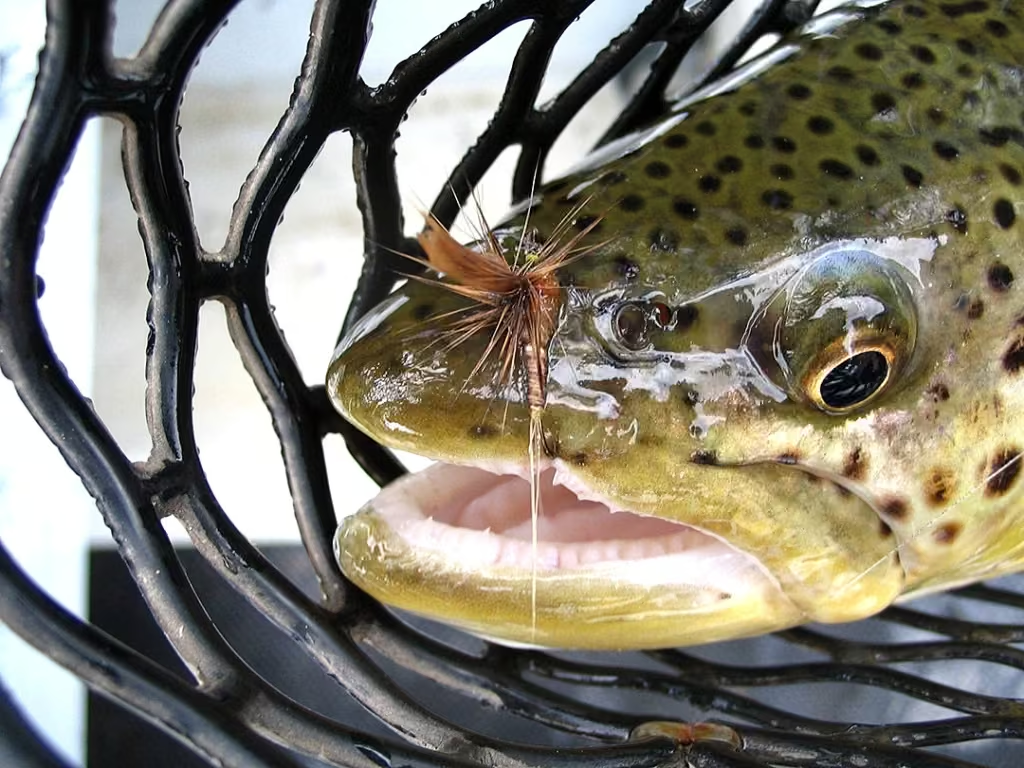
A rubber mesh net is a smart pick for catching and releasing trout on the Upper Delaware. Unlike fabric nets, rubber mesh is gentle on trout, preserving their protective slime and keeping fins safe when you scoop them up for release. Plus, hooks are much less likely to tangle in rubber, which saves time and frustration when you’re in the middle of a hatch.
How to Organize Your Gear: Vest or Pack?
A well-organized vest or pack keeps your confidence up and your hands free. Traditional vests offer lots of small pockets, making it easy to sort fly boxes and small tools. Packs, especially sling or chest designs, shift the load off your shoulders and often provide one larger compartment—making them a good choice if you like simplicity and easy swing-around access. Try on both to see what fits your style and body best.
Streamside Tool Basics
A successful day on the river means carrying tools that tackle streamside tasks. You’ll need nippers for trimming tippet, forceps for de-hooking fish safely, and a small bottle of floatant for keeping dry flies riding high. Consider adding a zinger or retractable leash for each tool—this keeps them handy, so you spend more time casting and less time searching your pockets.
With these accessories, your setup becomes streamlined and ready for more enjoyable fishing.
Putting Together an Affordable Starter Kit
Budget Breakdown for Essential Gear
Starting your Delaware River fly fishing journey doesn’t need to empty your wallet. Here’s a simple guide to covering the basics:
- Fly rod and reel combo: Expect to spend $100–$200 for a reliable 5-weight setup suitable for trout.
- Fly line, leader, and tippet: A quality floating line, with a 9-foot, 5X tapered leader and a spool each of 5X and 6X tippet, should cost under $50.
- Waders and boots: Breathable entry-level waders paired with basic wading boots range from $100–$150.
- Flies and fly box: An assortment of spring patterns and a basic box runs $30–$50.
- Accessories: A rubber mesh net, nippers, forceps, and a streamlined vest or pack together often stay under $60.
Where to Invest and Where to Save
Prioritize putting more dollars into your rod and reel combo—these set the foundation for a smooth, enjoyable experience. Save by starting with budget options for waders and accessories without sacrificing safety or comfort. Simple, reliable packs and tools work as well as premium versions for beginners.
Starter Packages for the Delaware River
Look for starter kits designed around a medium action, 9-foot, 5-weight rod, and compatible reel. Select combos from trusted brands that include a bonus fly line and leaders. These packages usually match Delaware River conditions well and streamline your gear decisions, letting you spend more time learning on the water.
With the core gear squared away, you’re ready to prep for a rewarding day on the river.
Final Tips for Your First Delaware River Outing
Respect River Etiquette and Regulations
Fishing the Upper Delaware means sharing the water with others, so be courteous. Give other anglers plenty of space—don’t crowd their runs or drift lines. Always check posted regulations, as certain stretches may be catch-and-release or have special rules for fly fishing only. Carry your fishing license and know trout limits, if applicable. Follow “leave no trace” principles by packing out all trash, including tippet and food wrappers.
Safety First in Spring Wading
Spring currents can be strong and water levels higher than expected. Move slowly and use a wading staff if needed. Always wear a wading belt to prevent water from rushing into your waders. Step carefully on rocky or slick sections, and never wade deeper than you feel comfortable. Keep an eye on changing weather and rising water.
Enjoy the Experience
Take time to watch for hatches and trout rising. Don’t get frustrated with missed strikes—spring trout can be picky. Use each outing to learn about the river’s flows, the trout’s habits, and your own casting. Relax, stay patient, and let the Delaware teach you at its own pace.
Now you’re ready to start your fly fishing journey with confidence and a respect for the river.



