
Introduction: The Hidden Value of Community Clean-Ups
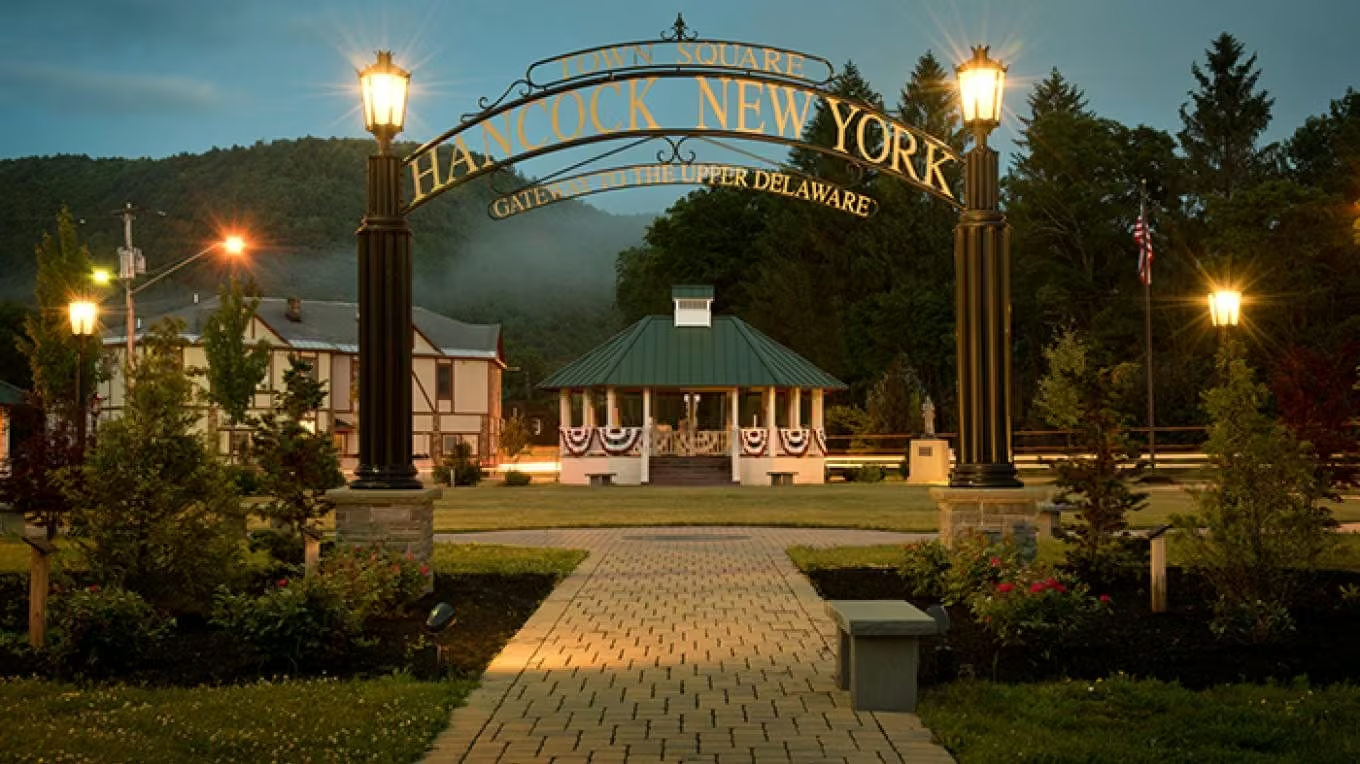
Community clean-ups do more than just make a small town look good. When neighbors band together to pick up litter and clear away debris, two big benefits show up: economic growth and environmental protection. A tidy and welcoming main street leaves a lasting impression on visitors. Tourists are more likely to linger—and spend money—in a place that feels cared for. Well-maintained parks, sidewalks, and storefronts also signal opportunity to potential new businesses.
But the story doesn’t end there. Cleaner streets mean less pollution running into local rivers and fields. Regular clean-ups protect native plants and animals, while also making daily life more pleasant for everyone in town. These impacts set the stage for even more positive changes ahead.
Economic Ripple Effects: How Clean Towns Attract Dollars
Boosting Tourism and Visitor Spending
A tidy, welcoming Main Street or park draws more than compliments—it draws visitors. When potential tourists arrive in a clean, well-kept town, they’re more likely to stay longer, spend money, and return. First impressions play a huge role. Clean sidewalks, inviting storefronts, and litter-free parks make visitors feel safe and valued, leading to increased local spending at shops, restaurants, and attractions.
Raising Property Values and Spurring Business Growth
Cleaner towns also see real economic benefits for residents. Homes, offices, and retail spaces hold their value and attract new investment when communities prioritize cleanliness. This encourages business owners to open up shop, confident they’re joining a town where people care. Consistent beautification gives small businesses and entrepreneurs the confidence to invest and grow locally.
Skill Building Through Jobs and Volunteer Work
Organized clean-up days offer more than a cleaner landscape. They create temporary jobs in waste removal and offer valuable volunteer opportunities. Residents, especially students and young adults, learn teamwork, project planning, and leadership as they participate. These experiences not only boost résumés but also foster pride and a spirit of giving back within the community.

Environmental Dividends: Protecting Local Ecosystems
How Clean-Ups Safeguard Local Nature
Organized clean-ups do much more than create a pretty view—they make a real difference for local ecosystems. Removing trash from parks, roadsides, and waterways helps reduce issues like water pollution and habitat loss. This work keeps plastics and chemicals out of rivers, ensuring healthier habitats for native plants and animals.
Healthier Wildlife and Stable Populations
When litter and waste are cleared, wildlife flourishes. Birds, fish, and mammals are less likely to ingest dangerous plastics or get tangled in debris. With regular clean-ups, small towns can prevent accidental injuries or deaths of local animals, helping boost population stability over time.
Long-Term Gains with Steady Effort
Consistent community maintenance compounds these benefits year after year. Each small action—picking up one more piece of trash, restoring one more green space—adds up to cleaner water, healthier forests, and stronger natural balances across the region.
Thriving natural spaces reflect the care communities invest every day, helping everyone—from local families to visiting wildlife—enjoy a more vibrant home.
The Power of Unity: Why Community Clean-Ups Outperform Individual Efforts
Tackling What One Person Can’t
When entire communities join forces for clean-up events, the impact scales up quickly. Many waste items—like dumped appliances, large debris, or bulk litter in wild spaces—are simply too heavy or dangerous for one person to handle. Together, neighbors can remove items and reach neglected spots that would otherwise stay dirty for years. Working as a team means what seems impossible suddenly gets done with surprising speed.
Building Community Spirit
These collective efforts do more than beautify—they build new connections. By organizing and working together, residents meet new faces, deepen friendships, and rely on shared effort. This trust and teamwork, called social capital, makes future projects possible and boosts civic pride. People become invested in keeping things looking good, creating a cycle of care.
Real-World Transformations
Plenty of small towns have tackled neglected lots or rivers plagued by debris through unified clean-ups. These transformations become points of pride, showing what’s possible when everyone pitches in—making the community feel safer, more welcoming, and more invested as a whole.
Next, we’ll see how choosing when and how often to clean can keep this progress going strong.
Seasonal vs. Sustainable: Rethinking Clean-Up Schedules
Rethinking the Big Spring Push
Traditionally, small towns rally around a big spring clean-up event, transforming public spaces after winter’s wear. While this tradition brings an immediate facelift, it often leaves maintenance lagging for the rest of the year. Litter and debris can quickly return, setting back all the hard work until the next annual burst of activity.
The Power of Ongoing Attention
Instead of limiting efforts to once a year, many are shifting toward year-round maintenance. As observed by The Kansas City Star, tackling clean-up “one bite at a time all year long” helps break big jobs into manageable pieces. People notice and address issues before they escalate into bigger problems, keeping communal spaces in good shape over time.
Making Maintenance Routine
Establishing regular schedules—like monthly or quarterly clean-ups—offers several benefits:
- Staying ahead of accumulating mess
- Making volunteer contributions feel lighter and more manageable
- Strengthening community habits around shared responsibility
- Maintaining consistently welcoming environments for residents and visitors
Regular attention relieves the pressure on one massive event, spreads out the work, and keeps towns looking their best through every season.
With ongoing clean-up woven into community routines, attention can now shift to what makes a successful, well-run initiative.
Blueprint for Success: Organizing Effective Community Clean-Ups
Getting Organized for Action
Kicking off a community clean-up involves more than gathering volunteers and supplies. Start with a clear plan. Identify target areas in need, set realistic goals, and schedule events during times most people are available. Use local bulletin boards, social media, and word of mouth to spread the word and invite participation.
Bringing People Together
Recruiting volunteers starts with making everyone feel needed. Highlight shared benefits—like a safer town or more attractive parks. Assign simple roles suited for all skill levels, and make sign-up easy. Keep folks coming back by showing appreciation: provide snacks, highlight their efforts in local news, and offer small tokens or public “thank yous.”
Smarter Waste Management
Partnering with local disposal services keeps things running smoothly. Before the event, confirm waste pick-up dates and what types of debris are accepted. Set up sorting stations for recycling, compost, and trash. Make sure volunteers know where to place filled bags and bulky items.
With good planning, recognition, and local partnerships, community clean-ups run smoother and make a bigger difference. This approach helps create routines that lead to lasting improvements for the whole town.
Measuring Impact: Tracking Economic and Environmental Outcomes
Gauging Economic Progress
Measuring the success of community clean-ups goes beyond counting trash bags. Small towns can track local business foot traffic during and after clean-up events. Noting changes in retail sales, restaurant visits, or hotel occupancy helps reveal the economic lift. Property value estimates and business openings can also serve as indicators of a cleaner town’s appeal. Monitoring volunteer turnout and repeat participation hints at community engagement and skills growth.
Tracking Environmental Improvements
Environmental impact needs regular checks. Recording the weight and types of waste removed at each event gives a direct way to see what’s changing. Simple wildlife counts before and after clean-ups, or photo documentation of natural spaces, can help track the return of animals and healthier plant life. Keeping tabs on water quality in creeks or local ponds shows how much cleaner the area becomes over time.
Sharing Success
Telling the story of improvement is vital. Posting before-and-after photos on community boards or social media highlights progress. Sharing metrics like waste reduction or wildlife sightings in local newsletters makes residents proud and encourages involvement. A spirit of collaboration strengthens each time people see real results.
With these steps, towns can keep improving, building lasting momentum for stewardship and local pride.
Building Lasting Pride of Place: Beyond the Clean-Up Day
Turning One-Time Efforts Into Ongoing Care
Community clean-ups do more than make public spaces look better for a day. The real value comes when these events inspire townspeople to take care of their environment all year. Organizers can form regular committees or neighborhood groups. These groups encourage people to keep picking up trash, plant flowers, or report damage. By spreading small responsibilities, everyone feels they have a stake in the community’s appearance.
Fostering Stewardship With Education
Education is vital in building long-lasting care. Hosting workshops about recycling, composting, or local wildlife protects the environment by teaching why clean-ups matter. Kids can get involved through school-led nature walks or art projects about keeping spaces clean. When people of all ages know the positive impact of their actions, they’re more likely to protect their town.
Pride as a Catalyst for Growth
When residents work together to care for their surroundings, town pride grows. This pride encourages more engagement, new ideas, and even attracts newcomers. People become advocates not only for local green spaces but also for supporting small businesses and local causes. Over time, this positive feedback loop makes towns more resilient, adaptable, and welcoming.
Continuing to invest in education and shared responsibility will help maintain these gains for the long term.
Conclusion: Small Actions, Big Impacts
Spring clean-up efforts in small towns are more than just beautification days—they’re powerful engines for positive change. Regular, organized clean-ups boost both local economies and ecosystems. Fresh, tidy public spaces attract visitors and new businesses, while cleaner waterways and habitats support healthier wildlife. These impactful projects create jobs, teach valuable skills, and strengthen social bonds. Over time, even small, consistent actions can bring big rewards, fueling pride and stewardship across the community. By investing in ongoing care, education, and inclusive events, towns set the stage for long-term resilience and growth. The journey starts with a single cleanup, but the ripple effects can last for generations.



