
Introduction to Early Spring Fishing on the Upper Delaware
Overview of the Upper Delaware River System
The Upper Delaware River is a legendary stretch for trout anglers across the East Coast. Its clear waters cut through rugged terrain, supporting wild brown and rainbow trout in healthy numbers. From its headwater branches to the confluence at Hancock, the river is a mix of classic freestone sections and renowned tailwaters, each offering its own character and challenge.
Why Early Spring Stands Out
Early spring brings a fresh energy to the river. Melting snow and unpredictable rains mean flows and water clarity are always changing, creating both exciting opportunities and real obstacles for fly fishers. Fish wake from winter’s lull, hungry but selective. This makes early spring ideal for those seeking adventure—and a test of skill.
Picking the Right Flies Matters
Matching your flies to the season is essential. Early spring temperatures and flows trigger specific insect activity, and trout key in on what’s available. Using the right fly patterns not only increases your odds of success, but also makes each strike more rewarding. Being prepared sets you up for the kind of fishing stories the Upper Delaware is famous for.
With the basics set, it’s time to take a closer look at what makes early spring conditions along the river so unique.

Understanding Early Spring Conditions on the Upper Delaware
Typical Water Temperatures, Flows, and Clarity
From March through May, the Upper Delaware River system shakes off winter’s chill. Water temperatures usually range from the upper 30s to low 50s (°F), slowly increasing as spring progresses. Flows are often high and pushy in March and April, thanks to melting snow and spring rains. The water can look stained or even muddy during runoff events, clearing up as flows recede. Anglers should expect sudden changes in clarity, which impact how trout feed and how visible your flies are.
How Spring Runoff and Weather Patterns Affect Trout Behavior
Heavy spring runoff brings cold, oxygen-rich water that keeps trout active, but also pushes them tight to banks and behind structure where the current slows. Weather has a big influence—warm, sunny days can spark insect activity and feeding binges, while cold fronts may slow action. When water is high, trout conserve energy and avoid the heaviest current. As water starts to clear, fish become more skittish and selective, so stealth and presentation matter more.
Key Differences Between the Main Stem, East Branch, and West Branch
Each branch of the Upper Delaware fishes a bit differently in early spring. The West Branch is a tailwater, meaning flows and temperatures remain steadier—often a few degrees warmer—promoting earlier hatches and more consistent fishing. The East Branch, influenced more by runoff, tends to be colder and cloudier after spring storms and snowmelt. The main stem sees the combined effects of both branches, with bigger water and more variable conditions. Knowing these differences helps you choose where to fish and which flies to use for the best results.
Timing your trip with an eye on temperature, clarity, and flows will set you up for success as you focus on the unique insect hatches the Upper Delaware is famous for.
Early Spring Hatches: What to Expect
Key Hatches and Their Timing
The Upper Delaware comes alive each spring with iconic mayfly hatches. Beginning in late March or early April, Blue Quills are often first on the scene. They are usually followed by Hendricksons in early to mid-April, and then Blue-Winged Olives, which can emerge throughout the season, especially on cloudy days. The timing varies based on river section, water temperature, and weather.
Insect Identification and Life Stages
- Blue Quills are small and slender, with dark bodies and bluish-gray wings. Their duns ride the surface low, making close observation key.
- Hendricksons are larger with light olive to reddish-brown bodies and distinctive gray wings. Their spinners—often seen in gentle evening swarms—have glass-clear wings and slender abdomens.
- Blue-Winged Olives have olive bodies and distinctive slate-gray wings. They come in a range of sizes and emerge as long as conditions are cool and damp.
Each of these insects has larvae (nymph), sub-adult (dun), and adult (spinner) stages. Observing which stage the fish are targeting—emergers just under the surface, adults on top, or even eggs-laying spinners—makes fly choice much easier.
What Influences Hatch Success
Many factors affect when and how strongly a hatch comes off. Water temperature is the primary driver; warmer spring days can accelerate insect emergence. Overcast skies or drizzling rain often result in longer, denser hatches, especially for Blue-Winged Olives. Rapid changes in water levels after spring rains can stall or speed up a hatch, and increased flows push aquatic insects into new feeding lanes, often making trout more opportunistic.
Because each branch of the river system—the cooler, stable West Branch, the runoff-prone East Branch, and the mixed main stem—warms differently, early spring anglers find sequential waves of these key hatches. This means targeting more consistent tailwaters early, then shifting as the season progresses.
Understanding the timing, identifying insects, and watching water conditions set the stage for picking the right fly patterns to meet the river’s challenges.
Essential Dry Fly Patterns for Early Spring
Early spring on the Upper Delaware rewards anglers who come prepared with the right dry flies. Trout can be selective, especially as hatches ramp up, so smart pattern choices matter.
Key Patterns for the Season
Start your box with Hendrickson imitations. Comparaduns and thorax duns cover baetis and Ephemerella emergence, while spinners become critical on calm afternoons. Blue-Winged Olive patterns in varied sizes are a must, as these are abundant and appeal to wary trout in changing flows.
Don’t overlook specialty patterns like the Ausable Wulff and Delaware Adams. They float well in bumpy currents and still fool fish long after the main hatch has faded. Having these reliable flies sets the stage for success as you adapt to evolving early spring conditions.
Must-Have Nymph Patterns for Cold Water Success
Why Nymphs Shine in Early Spring
As water temperatures linger in the 30s and 40s, trout often stay close to the bottom where food is abundant and currents are slower. During these chilly weeks, fish feed mostly below the surface, making nymphs a top producer. A well-chosen nymph can imitate the natural insects drifting along the riverbed, leading to more hookups when dry fly action is sparse.
Effective Stonefly Nymphs for Hungry Trout
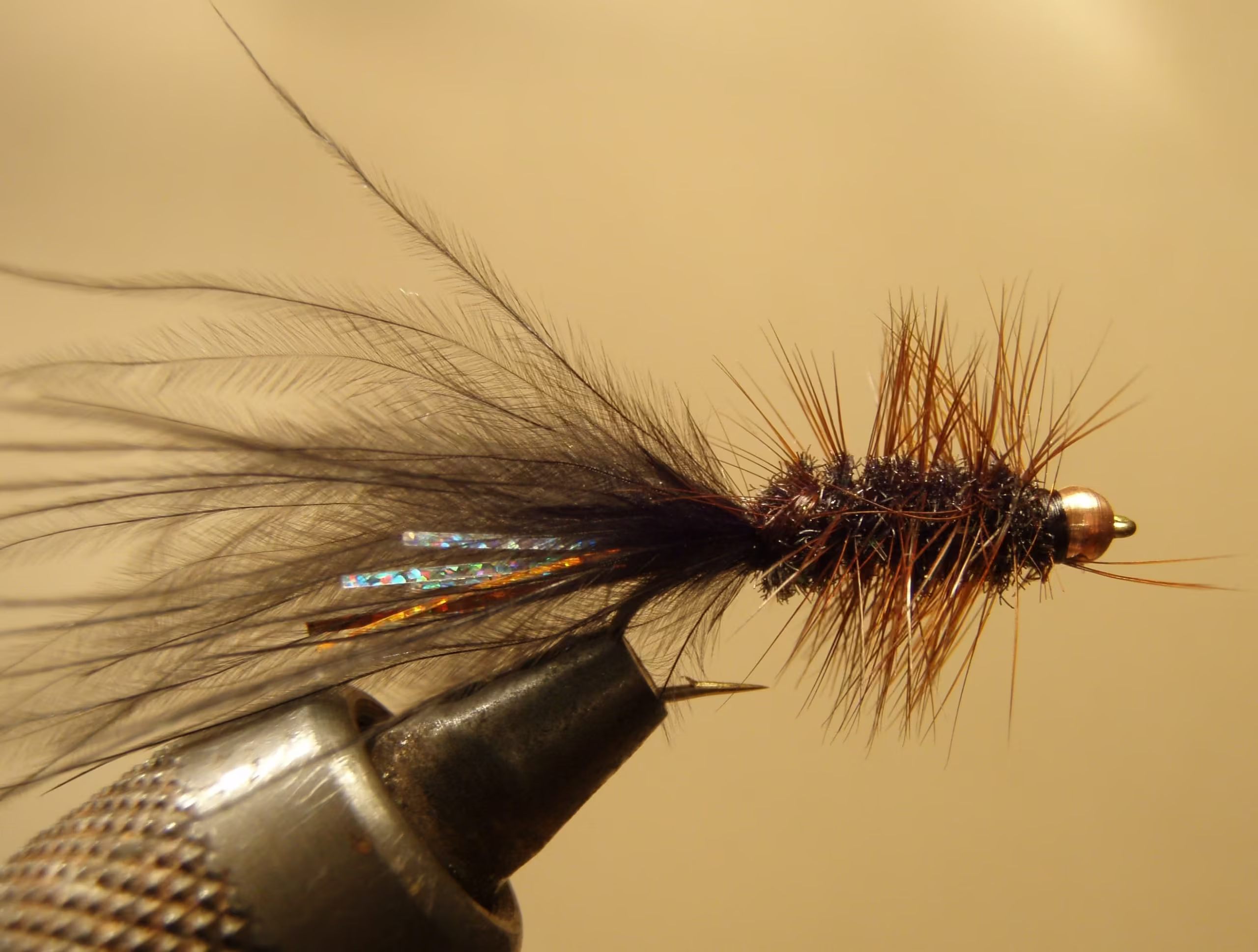
Early spring brings a steady supply of stonefly nymphs in the Upper Delaware. Patterns tied with dark, buggy materials in sizes 8-12 work best. Look for weighted versions with tungsten or lead so your flies quickly reach the zone where trout lie. Black or dark brown stonefly nymphs closely resemble the real thing and help you connect with aggressive feeders emerging from their winter funk.
Matching Mayflies with Proven Imitations
Mayfly nymphs like Pheasant Tails and Hare’s Ears are all-around favorites for this time of year. These patterns in sizes 14-18 mimic the Blue Quills, Hendricksons, and early-season olives before they hatch. Go a bit smaller and lighter in slow, clear water and upsize slightly when the river runs high or off-color, ensuring your offering stays visible and natural.
Adjusting Size and Weight for Conditions
Flow and clarity can change overnight, especially with spring rains and snowmelt. Carry a mix of beadhead and non-beadhead nymphs. Use heavier flies or add split shot for deep, fast runs; switch to lightly weighted patterns for shallow tailouts or clear seams. Vary lengths of your tippet too, ensuring your nymph drifts near the bottom where trout are feeding most.
Attention to detail with your nymph choice and rigging keeps you in the action, no matter how unpredictable early spring conditions get.
Emerger and Wet Fly Patterns Worth Carrying
The Power of Emergers in Selective Conditions
Early spring hatches on the Upper Delaware can make trout extra selective—often ignoring standard dries or nymphs. This is when emerger patterns shine. These flies imitate insects as they rise through the water and struggle in the surface film. Because trout key in on this vulnerable phase, fishing an emerger can be the secret when rises are happening but trout refuse fully floating dries.
Go for patterns with trailing shucks or CDC wings to mimic emerging mayflies. A lightly greased leader helps keep emergers in the film, just where trout expect them.
Why Soft Hackle Wet Flies Work
Sparse hatches call for a different approach. Swinging soft hackle wets—simple flies with a bit of movement—can unlock tricky fish. Patterns like the Partridge and Olive, or Light Cahill soft hackle, replicate the subtle silhouette of ascending insects. These work especially well when fish rise sporadically, and active retrieves add to their lifelike appeal.
Tips for Fishing the Film
Presentation is everything with emergers and wets. Start with a long leader and minimal floatant, allowing the fly to sit half in and half out of the surface. Cast upstream or across, mending often to avoid drag. If you see gentle rises with no visible duns, your emerger or soft hackle fished in the film could be the answer.
With your emerger and wet flies dialed in, let’s look at how streamers expand your options in high water and shifting spring flows.
Streamer Strategies for High Water Periods
Choosing the Right Streamers for Active Trout
When the Upper Delaware is running high and off-color after spring thaws or rain, streamer fishing can be the ticket to finding big, aggressive trout. Large streamers like Woolly Buggers, Zonkers, and Sculpin patterns are ideal, offering enough bulk and motion to trigger strikes from trout emerging from winter lethargy. Opt for sizes 4 through 8 to ensure your fly stands out in turbulent water.
Color Matters: Matching Water and Light Conditions
Water clarity dictates your streamer color. On murky days, reach for darker patterns—black, olive, and brown offer a bold, clear outline that trout can see easily. As the river clears or sunlight strengthens, lighter colors like white, yellow, or even chartreuse come into play, imitating injured baitfish or sculpins flashing in the current. Switching colors based on light and clarity boosts your odds of enticing a strike.
Effective Retrieve Techniques for Cold Water
Cold spring flows call for a deliberate approach. Start with a slow swing across the current, punctuated by short strips and occasional pauses. Aggressive, erratic retrieves often work best once water temperatures approach the upper 40s, but in chillier conditions, keep movements subtle. Cast across or slightly downstream, let the streamer sink, and retrieve with varied speeds until you dial in what trout want that day.
Tailoring your fly choices and presentations sets you up for success as the river’s spring energy unfolds.
Tailoring Your Approach to Different River Sections
Recognizing Section-Specific Fly Selection
The Upper Delaware River system is diverse. Each major section—freestone and tailwater—demands subtle shifts in your fly pattern arsenal. In the West Branch (a tailwater), steady, colder flows favor early Blue-Winged Olive and Hendrickson imitations, with slimmer profiles matching active hatches. Here, emergers fished just below the surface are especially effective in spring’s cold, clear water.
The main stem and East Branch (more freestone in character) often experience higher, cloudier water from runoff. Larger, bushier dry flies—think Ausable Wulff or Delaware Adams—ride choppy currents well. For nymphs, stonefly patterns and weighted Hare’s Ear or Pheasant Tail nymphs work as trout hug the bottom or edges.
Adapting Patterns for Famous and Iconic Spots
The Junction Pool, famous for merging flows and big, wary trout, requires stealth and precise presentation. Go with smaller, natural-colored flies and long leaders to minimize spooking fish. In faster riffles or undercut banks of less pressured areas, try brighter, high-floating patterns that stay visible to both angler and trout. Adjusting fly size to slightly larger than the natural can also attract attention when insect density is low.
Wild vs. Stocked Trout Considerations
Wild fish are often picky—matching the hatch closely is key. Subtle colors, lifelike movement, and proper sizing make a difference. Stocked trout may respond better to attractor patterns, larger nymphs, or less-precise imitations, especially soon after stocking events. Rotating between imitative and attention-getting flies can cover both scenarios and keep you in the game throughout changing conditions.
With careful observation and a willingness to adapt, anglers can consistently connect with trout throughout the river’s unique sections.
Advanced Presentation Techniques for Early Spring Success
Achieving a Natural Drift on Pressured Trout
Upper Delaware trout quickly become wary, especially after a busy weekend. To fool these fish, focus on an absolutely drag-free drift. Cast well upstream and use frequent mends to keep your line slack. Minimize line on the water to avoid spooking trout, and let your fly drift at the same speed as the surface current. Fish will ignore flies that don’t float naturally, so check your line for currents pulling your fly even slightly off course.
Long Leader Strategies
A longer leader, often 12 feet or more with a fine tippet, is vital for early spring. This helps present small dries and emergers quietly to cautious trout in clear water. Use a tapered leader that ends in 5X or 6X tippet for Blue Quills and Baetis, especially when fish refuse standard approaches. Make soft, high-arching casts to land your fly gently, and consider lengthening your tippet in flat pools or when fishing to rising fish on sunny days.
Switching Techniques as Conditions Shift
Early spring conditions demand tactical flexibility. Start with nymphs or streamers during chilly mornings—fish are likely to hug the bottom or stay close to structure. As the water warms or insects begin to hatch, switch to emergers or dry flies. If you notice surface feeding, it’s time to tie on a dry; if rises disappear, go back to nymphs or a small streamer fished slow and deep. Adapt your approach by watching river conditions and trout behavior closely.
Attentive presentation and quick adaptation to changing water and trout behavior are keys to success, ensuring you’re always a step ahead on this dynamic river.
Essential Fly Box Setup for Early Spring on the Delaware
Key Fly Quantities and Sizes
Having the right flies, in appropriate sizes and quantities, is vital for early spring on the Upper Delaware. Carry 2–4 of each pattern, focusing on sizes 12–18 for mayflies and emergers, and 8–14 for nymphs. Streamers should be stocked in sizes 4–8. Double up on proven producers like Hendrickson Comparaduns and Pheasant Tails in both weighted and unweighted versions. This range prepares you for varied hatches and shifting water levels.
Organizing for Multiple Hatches
Organize your fly box by hatch type and water column. Dedicate rows to dries (Blue Quills, Hendricksons, Olives), emergers, and wet flies. Place nymphs grouped by weight and size, and have a separate section for streamers. Keeping each pattern type distinct helps you pivot quickly as conditions and insect activity change.
Backup Patterns When Standard Flies Fail
Early spring brings unpredictability. For tough days, stock parachute Adams, soft hackle wets, and smaller midge patterns in sizes 18–22. A few attractor dries like the Ausable Wulff can save the day. Extra Pheasant Tails in various sizes and colors offer versatility if main hatches are sparse or trout become selective.
Being organized and well-stocked lets you respond confidently to whatever the river throws your way.
Local Expert Insights and Proven Pattern Combinations
Go-To Patterns from Delaware River Guides
Local guides know that flexibility is key on the Upper Delaware. Many reach for tried-and-true Hendrickson Comparaduns, especially during peak hatches. For days when trout are fussy, smaller Blue-Winged Olive emergers often break the ice. Guides also keep Delaware Adams and Ausable Wulff patterns on hand, both proven in variable current and light.
Dropper Rigs for Tough Conditions
Challenging flows and picky fish call for strategic dropper setups. Popular combos pair a buoyant dry fly, like a Parachute Adams, with a slim Pheasant Tail or Hare’s Ear nymph. This lets anglers fish both the surface and midwater at once, improving odds in early spring’s changeable conditions.
Lesser-Known Patterns That Excel
Some local patterns quietly outshine the classics. The Delaware Cripple, with its low-riding profile, tricks selective trout feeding during the hatch’s awkward stages. Soft hackled Hendricksons also convert refusals into takes, especially if fish are ignoring duns on the top. Carrying a few of these regional secrets can mean the difference between a tough outing and a banner day.
With local expertise in mind, a tailored approach to fly selection and presentation will help you get the most out of your Upper Delaware River adventure.
Conclusion: Preparing for Your Early Spring Delaware Trip
Do Your Homework Before You Go
Before you pack your gear, check current river conditions. Water temperatures, flows, and clarity shift fast in spring. Use reliable online resources and local shop reports to find out about hatches and stream flow updates. This keeps your fly selection and approach tuned to what’s actually happening on the river—not just what’s “supposed” to be hatching.
Final Checklist of Essential Patterns
Don’t hit the river without these key patterns:
- Hendrickson Comparadun (sizes 12-14)
- Blue-Winged Olive parachutes and emergers (sizes 16-18)
- Pheasant Tail and Hare’s Ear nymphs (sizes 14-18)
- Ausable Wulff and Delaware Adams for rougher water
- Soft hackle wet flies (Partridge & Olive, Light Cahill)
- Woolly Bugger or sculpin streamer (sizes 6-8)
Bring doubles of your favorites. Early spring trout can be picky, and losing your best fly hurts!
Ethical Angling Matters
Handle trout gently—use barbless hooks whenever possible, keep fish in the water while unhooking, and let them revive in the current. Stay off redds and avoid wading near spawning areas. Respect posted access and leave no trash behind. Early spring is fragile for fish and river, so small actions keep this special place healthy for everyone.
With good prep and thoughtful fishing, you’ll be set for a memorable early spring adventure on the Upper Delaware.



