

Introduction to Early Spring Fly Fishing on the Upper Delaware
Why the Upper Delaware is a Premier Destination for Early Spring Trout Fishing
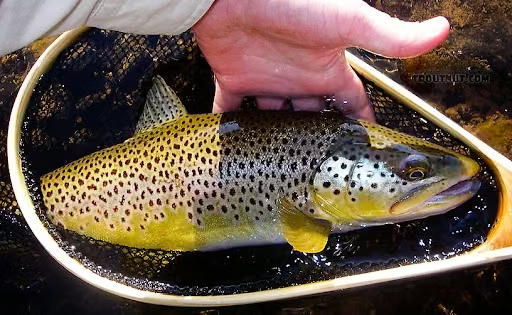
The Upper Delaware river system stands out as a premier destination for early spring trout fishing. Its pristine waters, diverse aquatic life, and beautiful surroundings make it an angler’s paradise. Situated on the border between New York and Pennsylvania, the river is well-known for its healthy population of wild trout, including browns, rainbows, and brookies. The Upper Delaware’s commitment to conservation ensures that it remains a top choice for fly fishers seeking both challenge and serenity.
The Unique Challenges and Rewards of April Fishing in This Legendary River System
Fishing in April presents its own set of challenges. The weather can be unpredictable, with fluctuating temperatures and water levels due to snowmelt and early spring rains. These conditions require anglers to be flexible and adaptive in their approach. However, these challenges also bring significant rewards. Early spring is a time of transition for trout, making for dynamic and exciting fishing opportunities. The hatches begin, and with it, the trout become more active and visible. For those who are patient and skilled, the rewards include the thrill of catching vibrant, healthy wild trout in their prime.
What to Expect from This Comprehensive Guide for Both Beginners and Experienced Anglers
This guide is designed to cater to both beginners and experienced anglers, providing a wealth of useful information tailored to early spring conditions on the Upper Delaware. You will find detailed sections on understanding the river’s geography, weather patterns, and trout behavior. Gear recommendations, fly selection tips, and specialized fishing techniques will ensure you are well-prepared for the unique challenges of spring fishing.
Furthermore, the guide will touch on important aspects such as wading safety, conservation practices, and trip planning to help you make the most of your fishing experience. By the end, you’ll be equipped with a deep understanding of how to succeed in early spring fly fishing on this legendary river system.
The transition to deeper exploration of the Upper Delaware’s geography will seamlessly build upon this foundation, enriching your journey towards becoming a proficient and responsible angler.
Understanding the Upper Delaware River System
Overview of the River’s Geography and the Best Sections for Early Spring Fishing
The Upper Delaware River system, straddling the border between New York and Pennsylvania, encompasses a diverse and dynamic ecosystem. Its upper reaches are characterized by pristine waters and significant geological formations that create an angler’s paradise. The river’s geography includes a variety of habitats ranging from quiet pools to faster runs, each offering unique opportunities for early spring fly fishing.
For those eager to tackle the river system early in the season, some of the best sections include:
- West Branch: Known for its cold, clear waters, the West Branch boasts numerous public access points and holds an impressive number of wild trout.
- East Branch: This branch features slower, warmer waters that support a healthy population of both brown and rainbow trout. The Beaverkill River, a tributary of the East Branch, is historically significant and excellent for fishing.
- Main Stem: Where the East and West branches converge, the Main Stem offers both depth and diversity in fishing opportunities. It’s renowned for its challenging waters and large, wary trout.
The Different Branches (East, West, and Main Stem) and Their Distinct Characteristics
Each branch of the Upper Delaware River offers distinct characteristics that are essential to understand for a successful fishing expedition:
- West Branch:
- Characteristics: This branch is fed by the Cannonsville Reservoir, ensuring cold, high-quality water throughout the year.
- Fishing Highlights: The West Branch is known for its prolific insect hatches and large trout, making it a favorite spot for dry fly purists and nymph anglers alike.
- East Branch:
- Characteristics: Fed by the Pepacton Reservoir, it provides a more temperate environment and a mix of deeper pools and slow-moving stretches.
- Fishing Highlights: The East Branch’s wider sections and the confluence area with the Beaverkill River are particularly appealing for dry fly and streamer fishing.
- Main Stem:
- Characteristics: Created by the convergence of the East and West branches at Hancock, NY, it is wider and deeper, providing varied fishing conditions.
- Fishing Highlights: The Main Stem is known for its large, migratory brown trout and challenging fishing conditions, which can be immensely rewarding for skilled anglers.
How the River’s Ecosystem Supports One of the Finest Wild Trout Fisheries in the East
The Upper Delaware River’s ecosystem plays a crucial role in sustaining its renowned wild trout fishery. The combination of cold, clean waters and a rich diversity of aquatic life creates an ideal environment for trout to thrive. Key factors that contribute to this healthy ecosystem include:
- Varied Habitats: The river system provides an array of habitats that cater to different trout life stages, from fry to mature adults.
- Abundant Food Sources: The river supports a wide range of aquatic insects, including mayflies, caddisflies, and stoneflies, ensuring a steady food supply for trout.
- Spring-fed Waters: The consistent influx of cold, spring-fed waters from the reservoirs maintains optimal water temperatures and oxygen levels, crucial for trout survival.
By understanding the intricacies of the Upper Delaware River system, anglers can better appreciate the challenges and rewards of fishing in this legendary fishery. As they immerse themselves in its diverse waters, they not only sharpen their skills but also contribute to the conservation of one of the most treasured wild trout habitats in the East.
Early Spring Weather Patterns and River Conditions
Typical April Weather Conditions
April on the Upper Delaware River can be a study in contrasts. The weather varies significantly, with warm spells sometimes followed by unexpected cold snaps. This variability can influence trout behavior and fishing conditions. It’s not uncommon to experience everything from sunny days with temperatures reaching into the 60s to brisk mornings hovering around freezing. Preparing for this unpredictability is crucial for a successful fishing trip.
Understanding Water Levels
Spring rain and snowmelt significantly impact water levels in the Upper Delaware. High flow conditions can spread out the fish and make wading challenging. However, scalable water also tends to push trout towards the banks and into slower-moving water, making them easier to target with specific techniques. Monitoring river levels via online resources and local reports can help you plan your approaches and tactics effectively.
Clarity and Temperature Fluctuations
Water clarity in the Upper Delaware during early spring varies with precipitation and snowmelt. After heavy rains, the river can become murky and difficult to fish. Conversely, clear water conditions can make trout more wary and selective. Consistently checking flow and clarity reports before heading out gives you a strategic edge.
Water temperatures begin to rise in April, but can fluctuate dramatically. On warmer days, you might witness active hatches and increased trout activity. Conversely, cold snaps can momentarily slow down trout feeding. Using a thermometer to measure water temperature can help decide the most effective flies and techniques to use.
Monitoring and Interpreting River Conditions
Effectively monitoring river conditions in early spring involves utilizing a mix of online resources and on-the-ground observation. Websites that track current river flows and weather forecasts are invaluable. Additionally, speaking with local tackle shops and guides can give you real-time insights into current conditions.
Understanding how these conditions translate into fishing strategies is essential:
- High water levels might require heavier nymphs and streamers.
- Murky water often calls for brightly colored flies.
- Clear water necessitates a more stealthy approach with natural-looking patterns.
By mastering the art of interpreting these conditions, you’ll gain a significant advantage on the Upper Delaware River during the unpredictable early spring season.
Trout Behavior in Early Spring
Early spring marks a significant transition for trout in the Upper Delaware River. As the cold grip of winter loosens, trout shift from their winter survival strategies to more active feeding patterns. This chapter delves into these behavioral changes, providing key insights for anglers to understand and anticipate trout movements and feeding habits during this transitional period.
Winter to Spring Feeding Patterns
As winter recedes, water temperatures in the Upper Delaware begin to rise, albeit slowly at first. During this period, trout become more active and gradually move from their winter haunts, which are typically deep pools and slow currents, to areas where food is more abundant. With the increase in water temperature, metabolic rates rise, and trout begin to feed more frequently to replenish their energy stores depleted over the winter.
Trout in early spring are opportunistic feeders. They often focus on available food sources with minimal energy expenditure. This means anglers should concentrate on presenting flies that mimic the early-season aquatic insects starting to emerge, such as midges and early mayflies.
Post-Spawn Behavior and Recovery
Female trout expend considerable energy during spawning, and the post-spawn period is crucial for their recovery. Post-spawn trout often seek out areas with moderate currents and reliable food sources to regain strength. They tend to be less selective and more willing to strike at a variety of fly patterns.
Understanding this behavior can significantly enhance angling success. Target areas with moderate current and abundant food. Giving trout easy food options, such as nymphs and streamers, can be highly effective during this recovery phase.
Finding Feeding Trout as Water Temperatures Rise
As water temperatures gradually warm, trout will move into different habitats within the river system. In early spring, the key to locating feeding trout lies in pinpointing areas where rising water temperatures create favorable conditions for insect activity and food availability.
Look for:
- Shallow riffles: These areas warm up quickly and start to see early insect hatches.
- Seams and current breaks: Where faster currents meet slower water, providing both protection and a steady supply of drifting food.
- Eddies and backwaters: These can harbor higher concentrations of aquatic insects, making them prime feeding spots.
Observing the river and acknowledging the subtle shifts in trout behavior can greatly increase your chances of a successful day on the water. Keep an eye out for rising trout, insect activity, and water temperature cues to adapt your tactics accordingly.
Understanding these behavioral patterns is crucial for early spring fishing success. As you refine your approach, you’ll be better equipped to connect with the wily trout of the Upper Delaware.
By mastering these aspects of trout behavior, you are well-prepared to tackle the challenges this season presents. Your next step involves ensuring you have the right gear to complement your strategy, which will be covered in detail in the following chapter.
Essential Gear for Early Spring Success
Rod, Reel, and Line Recommendations
Choosing the right rod, reel, and line is critical for early spring fly fishing on the Upper Delaware. Given the river’s diverse conditions, a versatile setup is essential. A 9-foot, 5-weight rod is often the go-to for its adaptability to varying situations, from nymphing to dry fly fishing. Pair this with a high-quality reel equipped with a smooth drag system, as aggressive trout can put up a tough fight. For line, a weight forward floating line works well in most scenarios, with the option of using sinking tips if necessary.
Appropriate Waders and Layering Strategies
April weather in the Upper Delaware can be unpredictable, ranging from chilly mornings to warmer afternoons. Investing in quality waders is a must. Breathable, insulated waders help keep you comfortable in cold water, while multiple layers of moisture-wicking, thermal clothing allow you to adapt to temperature swings. Start with a base layer that manages moisture, add a mid-layer for insulation, and finish with a weatherproof outer layer to protect against wind and rain.
Accessories That Make or Break Your Early Season Experience
Bringing the right accessories can drastically improve your early spring fishing adventures:
- Polarized Sunglasses: Crucial for reducing glare on the water, helping you spot fish and structure more effectively.
- Fishing Vest or Pack: Keeps essential gear organized and readily accessible.
- Landing Net: A rubberized net helps in safely handling and releasing trout without damaging their delicate skin.
- Fleece Hat and Fingerless Gloves: Essential for keeping warm during those brisk early mornings.
- Waterproof Backpack: To keep your spare clothing and personal items dry.
Ensuring you have the right gear and clothing will set the stage for a successful early spring outing on the Upper Delaware. This focus on preparation enhances your chances of landing trout and enjoying the overall experience.
Fly Selection for Early Spring Hatches
Key Early-Season Hatches on the Upper Delaware and Their Timing
As the Upper Delaware River begins to wake from its winter slumber, early spring marks the start of significant insect hatches which are critical for successful trout fishing. In April, anglers can expect to encounter several key hatches that stimulate trout feeding activity.
- Quill Gordons: These mayflies start to appear in early April, emerging in the afternoon. They’re one of the first significant hatches and can trigger surface feeding in trout.
- Blue-Winged Olives (BWOs): These insects, smaller in size, are prevalent throughout April, especially on overcast days. They often hatch in the late morning to afternoon.
- Hendricksons: Emerging in mid to late April, these mayflies are larger and create exciting dry fly opportunities. Both male (“red quills”) and female Hendricksons can provoke aggressive rises.
- Caddisflies: While not as prolific as mayflies in early April, various species of caddisflies will start hatching later in the month, contributing to mixed hatch scenarios.
Timing is crucial for targeting these hatches. Monitoring the weather, with emphasis on consistent daytime temperatures, can help predict when these insects will emerge. Observing the water for subtle rises and taking note of any emerging insects can guide your fly selection and presentation.
Must-Have Fly Patterns for April Fishing
Preparation involves having a well-rounded selection of fly patterns to match these early-season hatches. Here are essential patterns to consider:
- Nymphs:
- Quill Gordon Nymph
- Pheasant Tail Nymph (to imitate BWOs)
- Hare’s Ear Nymph (for general representation)
- Emergers:
- Blue-Winged Olive Emerger
- Hendrickson Emerger
- Caddis Pupa Emerger
- Dry Flies:
- Quill Gordon Dry Fly
- Blue-Winged Olive Parachute
- Hendrickson Comparadun
- Elk Hair Caddis (for early caddisflies)
Having these patterns in various sizes is beneficial since trout can be picky about fly size matching the specific hatch.
Matching Your Flies to Changing Conditions Throughout the Day
Early spring conditions can change rapidly, impacting insect activity and trout feeding patterns. Here’s how to adapt:
- Morning: Cooler water temperatures mean trout are likely feeding subsurface. Start with nymphs fished deep in the water column using indicators or tight line nymphing techniques.
- Midday: As temperatures rise, emergers become effective. Observe any insects struggling in the surface film and switch to emerger patterns or unweighted nymphs fished just below the surface.
- Afternoon: Warmest part of the day may trigger dry fly action, especially during peak hatch times. Match the specific insects on the water with your dry fly patterns.
Monitoring insect activity around you and adapting your fly selection to match what you see will significantly increase your success rates. Take time to observe the water, adjust your approach based on prevailing conditions, and be ready to change flies as needed.
The detailed knowledge of fly selection, understanding of early-season hatches, and the ability to match patterns to daily conditions equip you with the tools to effectively target trout during this dynamic time of year.
Nymphing Techniques for Cold Water Success
Effective Nymphing Approaches
When water temperatures are still low in early spring, trout remain sluggish and less likely to chase fast-moving prey. Nymphing becomes an effective strategy because it mimics the natural behavior of sub-surface insects. Long, dead drifts are essential, ensuring your nymphs move naturally with the current. Target deeper pools and runs where the trout are less likely to expend energy.
Proper Rigging, Weight Selection, and Indicator Systems
Successful nymphing begins with the right rigging setup. Start with a 9-foot leader tapering down to 4X or 5X tippet. The added length helps achieve a natural drift. Adjust your weight based on water depth and flow. Use split-shot weights to get your nymphs down quickly, but avoid over-weighting, which can lead to unnatural drifts.
Indicators, such as yarn or foam, should be placed high enough to signal a strike but not impede the nymph’s movement. For deeper waters, use more buoyant indicators that can support the extra weight of your nymph rig.
Reading Water to Identify Prime Nymphing Locations
Understanding where trout hold and feed is crucial for nymphing success. In early spring, focus on slower-moving sections of water, near the bottom of deep pools and runs. Look for seams where fast water meets slow currents. These transitional zones are prime feeding areas for trout as they provide a conveyor belt of drifting insects.
Trout often set up feeding lanes along the edges of underwater structures such as rocks, fallen trees, and ledges. Pay attention to subtle rises, boils, or any disturbance on the water’s surface, indicating trout activity below.
Transitioning to the essentials of fly selection will further fine-tune your approach, ensuring you are fully prepared to match the diverse spring hatches on the Upper Delaware.
Dry Fly Tactics for Early Hatches
Presentation Techniques for Fooling Selective Delaware Trout During Spring Hatches
Fishing with dry flies in early spring on the Upper Delaware requires finesse and patience. Presentation is key to fooling the selective trout that inhabit this river. Here are some essential techniques:
- Accurate Casting: Precise casting is essential. Aim to place your fly just upstream of feeding trout, allowing it to drift naturally towards them. Practice accuracy with different distances to account for varying conditions.
- Natural Drift: Ensure your fly drifts naturally with the current. Avoid any unnatural movements that might alert trout to your presence. Mend your line frequently to reduce drag and maintain a lifelike drift.
- Light Tippets: Use light tippet material to make your presentation as unobtrusive as possible. A 6X or 7X tippet is often necessary in clear water conditions to avoid spooking wary trout.
Managing Drag in Complex Spring Currents
Drag can be a major issue when fly fishing in the complex currents of the Upper Delaware. Here’s how to manage it effectively:
- Mending: Mend your line immediately after casting to keep it upstream of your fly. This helps maintain a drag-free drift.
- Reach Cast: Use a reach cast to place your line correctly from the start. This involves casting with a sideways reach to position your line and reduce drag.
- Floating Line: Ensure your floating line is clean and floating high. Lines that sink can create drag and disrupt the natural presentation of your fly.
Timing Your Dry Fly Fishing to Coincide with Peak Insect Activity
The timing of your fishing can significantly impact your success. Observing the behavior of the river’s insect population and aligning your fishing with peak activity periods is crucial:
- Late Morning to Early Afternoon: In early spring, insect activity often peaks during the late morning and early afternoon as temperatures rise.
- Cloud Cover and Light Conditions: Cloudy days might extend hatches as insects feel safer from predators. Overcast conditions can also make trout less wary.
- Continuous Observation: Pay attention to the water surface and surrounding foliage. Emergers like Blue-Winged Olives often signal the start of a hatch, prompting dry fly action.
By mastering these dry fly tactics, you increase your chances of connecting with the selective trout of the Upper Delaware.
Streamer Strategies When Conditions Demand
Springtime fishing on the Upper Delaware often requires you to adapt your tactics to changing conditions. When trout aren’t actively rising to nymphs or dry flies, streamers can be a game-changer. Understanding when and why to switch to streamers—and the techniques to employ—can lead to some exciting fishing.
When and Why to Switch to Streamers
Streamers are most effective under specific conditions:
- High or Murky Water: During early spring, snowmelt and rain can cause the river levels to rise, and the water can become cloudy. Streamers are larger, more visible flies that can attract trout even in less clear conditions.
- Slack Periods: If various hatches are not happening and the trout seem inactive, a streamer can incite an aggressive strike by mimicking a baitfish or other prey.
- Post-spawn Recovery: After spawning, trout are often looking to quickly regain their energy. Streamers can simulate the protein-rich prey that trout seek during this period.
Retrieval Techniques for Cold Water
Retrieval technique is crucial when using streamers:
- Slow Stripping: In cold water, trout are less likely to chase a rapidly moving target. A slow, steady strip allows the fly to stay in the strike zone longer.
- Strip-and-Pause: This technique mimics the erratic movement of an injured baitfish. Strip the line a few times, then pause. This sporadic action can trigger a strike.
- Swinging: Cast your line downstream and across. Let the current naturally swing the streamer while maintaining tension. This is particularly effective in tailouts and riffles.
Color and Size Selection
Choosing the right streamer depends on water clarity and light conditions:
- Clear Water: In clearer conditions, more natural colors like olive, brown, and black tend to be effective. These colors help mimic the appearance of minnows or sculpins.
- Murky Water: Opt for brighter colors such as white, chartreuse, and yellow in stained water. These colors are more visible and can catch the trout’s attention.
- Size Matters: Begin with medium-sized (2-4 inches) streamers. Larger trout often prey on bigger food items post-spawn, so don’t be afraid to upsize.
Understanding when to deploy streamers and how to retrieve and select the right ones can lead to greater success on the Upper Delaware. Mastering these tactics enhances your overall versatility as an angler and prepares you for whatever conditions the river throws your way.
Reading Water in Early Spring Conditions
Identifying Productive Water Types That Hold Trout During the Early Season
Spotting productive water types is crucial for early spring success on the Upper Delaware. Focus on slower-moving water such as riffles, runs, and pools. These areas provide shelter and abundant food for trout coming out of winter dormancy. Look for deeper sections adjacent to fast currents, as these transitional zones often hold fish due to the mix of food delivery and oxygenation.
How to Adjust Your Approach as Water Levels Fluctuate With Spring Rain and Snowmelt
Spring rain and snowmelt can cause significant changes in water levels and clarity. Adapt your strategy by targeting slower, deeper pools where trout are likely to congregate during turbulent periods. High water demands precise casting techniques to reach feeding lanes effectively. During these times, using heavier nymphs or streamers can help you reach deeper water columns and tempt trout still adjusting to their post-winter environment.
Spotting Subtle Feeding Lanes That Most Anglers Overlook
Success in early spring fishing often comes down to reading the water for subtle feeding lanes that others may miss. These can be found near underwater structures like rock ledges, submerged logs, and bankside vegetation where insects are plentiful. Keen observation is essential—look for slight changes in current speed or surface disturbances indicating submerged obstacles that create calm pockets, providing prime feeding zones for hungry trout.
Early spring conditions on the Upper Delaware require an adaptive approach to reading water. Observing and interpreting water types, adjusting techniques to fluctuating levels, and honing the ability to spot underutilized feeding lanes will elevate your fishing game in this transitional season.
Access Points and Wading Safety
Key Public Access Areas
The Upper Delaware River offers numerous public access points, making it easier for anglers to explore prime fishing spots. Notable areas include:
- Hancock: This area provides access to the confluence of the East and West branches, where water conditions often create favorable fishing opportunities.
- Deposit: Located on the West Branch, Deposit offers access to cold, trout-friendly waters year-round.
- Harvard: On the East Branch, Harvard’s slower waters are ideal for nymphing and dry fly fishing.
- Lordville: Situated along the Main Stem, Lordville is known for its challenging but rewarding sections, often holding sizeable brown trout.
Wading Safety Considerations
Wading in the Upper Delaware during early spring requires caution due to the cold water and variable flows. Here are critical safety tips:
- Use a Wading Staff: Helps maintain balance on slippery rocks and in strong currents.
- Wear a Wading Belt: Ensures that water doesn’t rush into your waders if you fall, helping you stay buoyant.
- Felt or Studded Boots: Provide better traction on algae-covered rocks and uneven surfaces.
- Avoid Deep Waters: During high flows or when visibility is low, it’s best to stay in shallower sections where you have a firmer footing.
Navigating the River Responsibly
Respect for the river and its ecosystem is paramount, especially during sensitive periods such as spawning. Here’s how to navigate responsibly:
- Avoid Spawning Areas: Recognize and steer clear of redds (trout nests) which look like clean, light-colored patches on the riverbed.
- Tread Lightly: Minimize disturbance by wading only when necessary and avoiding fragile habitats.
- Proper Catch and Release: Use barbless hooks, handle fish with wet hands, and release them quickly back to their habitat.
By understanding where to access the river, practicing wading safety, and respecting the ecosystem, you enhance your experience while preserving the Upper Delaware’s pristine environment.
Conservation and Etiquette on the Delaware
Proper Catch and Release Practices
Catch and release is essential in maintaining the Upper Delaware River’s renowned wild trout fishery. Here are key practices to ensure the health and survival of released fish:
- Use barbless hooks to minimize injury and reduce handling time.
- Keep the fish in the water as much as possible; wet your hands before handling to protect the fish’s slime coating.
- Use a rubber or soft mesh landing net to avoid scale damage.
- Gently remove the hook using hemostats or forceps, and if the fish is deeply hooked, clip the line close to the hook.
- Revive the fish if necessary by holding it upright in the water, facing upstream, until it swims away on its own.
Respecting Other Anglers
The Upper Delaware can get crowded during popular hatches and at prime fishing locations. Respect fellow anglers by following these guidelines:
- Give others ample space, especially when casting. A good rule is to stay at least 50 feet away.
- Avoid wading directly upstream or downstream of someone actively fishing.
- Communicate with others about your intended fishing path to avoid overlap.
- Keep noise to a minimum to maintain the tranquility of the environment.
Minimizing Environmental Impact
Preserving the Upper Delaware’s ecosystem is vital. Here’s how you can contribute:
- Stay on established trails to protect bankside vegetation and reduce erosion.
- Pack out all trash, including used fishing line, leaders, and tippet material.
- Use biodegradable soap and avoid contaminating the river with chemicals.
- Observe and respect wildlife, keeping a safe distance from nesting birds and other animals.
- Follow all local regulations, including seasonal restrictions and catch limits.
By practicing mindful catch and release, respecting other anglers, and minimizing your environmental impact, you contribute to the health and sustainability of the Upper Delaware River’s unique ecosystem. Establishing these habits ensures a rewarding fishing experience for years to come.
Planning Your Early Spring Delaware Trip
Lodging Options and Guide Services
When planning your early spring trip to the Upper Delaware, choosing the right lodging and guide services can make a significant difference. Consider staying in quaint towns like Hancock or Deposit, which offer a variety of accommodations ranging from cozy bed-and-breakfasts to more extensive lodges and inns. For a rustic experience, campgrounds along the river provide scenic settings, placing you right in nature’s lap.
Opting for a local guide service can provide invaluable expertise. Experienced guides not only know the best fishing spots but also offer insights into local fly patterns and river conditions. They provide gear, boats, and most importantly, the knowledge that increases your chances of success, especially if you’re new to the area.
Timing Your Trip
Timing is crucial for a successful early spring fishing trip. The most productive periods in April typically coincide with the major hatches and warmer spells in the weather. Early April often sees the first hatches of the season, such as Blue-Winged Olives, while late April offers the possibility of Hendrickson and Quill Gordon hatches. Monitoring local fishing reports and river conditions in the weeks leading up to your trip can help pinpoint the optimal timing.
Backup Plans for Unfavorable Conditions
Nature can be unpredictable, and river conditions might not always align with your plans. Prepare a few backup strategies to ensure a worthwhile trip despite less-than-ideal conditions. In case of high, murky waters following heavy rain or snowmelt, consider focusing on smaller tributaries where water clarity might be better. Alternatively, having a range of fly patterns suited for various conditions, from nymphs to streamers, can help adapt to changing water levels and clarity. Engaging with local fly shops for the latest updates and advice can also offer alternative fishing spots if main stretches are unfishable.
While planning your early spring trip to the Upper Delaware, remember that flexibility and preparation are key. Whether you’re targeting the perfect hatch or adapting to unexpected weather, having a solid plan—and a few backup options—will keep your fishing adventure on track and enjoyable.
Conclusion: Embracing the Challenge
Why Early Spring Fishing Tests and Builds Your Skills as an Angler
Early spring fly fishing on the Upper Delaware River invites anglers into a realm of fluctuating conditions and unpredictable behavior. The mix of melting snow, rain, and rising temperatures demands adaptability and keen observations. Successfully navigating these changes will sharpen your techniques and build resilience, making you a more versatile and skilled angler. Each trip requires detailed planning, patience, and a willingness to adjust your strategies on the fly.
The Special Rewards of Connecting with Trout During This Transitional Season
Fishing in early spring offers unique rewards that go beyond the catch itself. Witnessing the resurgence of nature, the river transforming from winter’s grasp to a lively ecosystem, is awe-inspiring. Early spring trout are often more vibrant and more eager to feed after months of dormancy, offering thrilling fights and memorable catches. The sense of accomplishment from overcoming the challenges of early spring fishing leaves a lasting impact, fostering a deep connection to the river and its inhabitants.
Final Tips for Making the Most of Your Upper Delaware Spring Experience
To maximize your early spring fishing experience on the Upper Delaware River, consider these final tips:
- Stay Informed: Regularly check local weather and river conditions. Adjust your gear and strategies accordingly to ensure preparedness.
- Pack Smart: Include versatile fly patterns and essential accessories that accommodate shifting conditions. Layer clothing to stay comfortable in the unpredictable April weather.
- Respect the Ecosystem: Practice catch and release, maintain a respectful distance from other anglers, and minimize your environmental impact. Responsible angling contributes to the preservation of this vital trout habitat.
Embrace the challenge and relish the rewards of early spring fly fishing on the Upper Delaware River. It’s an opportunity to refine your craft, connect deeply with nature, and create unforgettable angling memories.



