
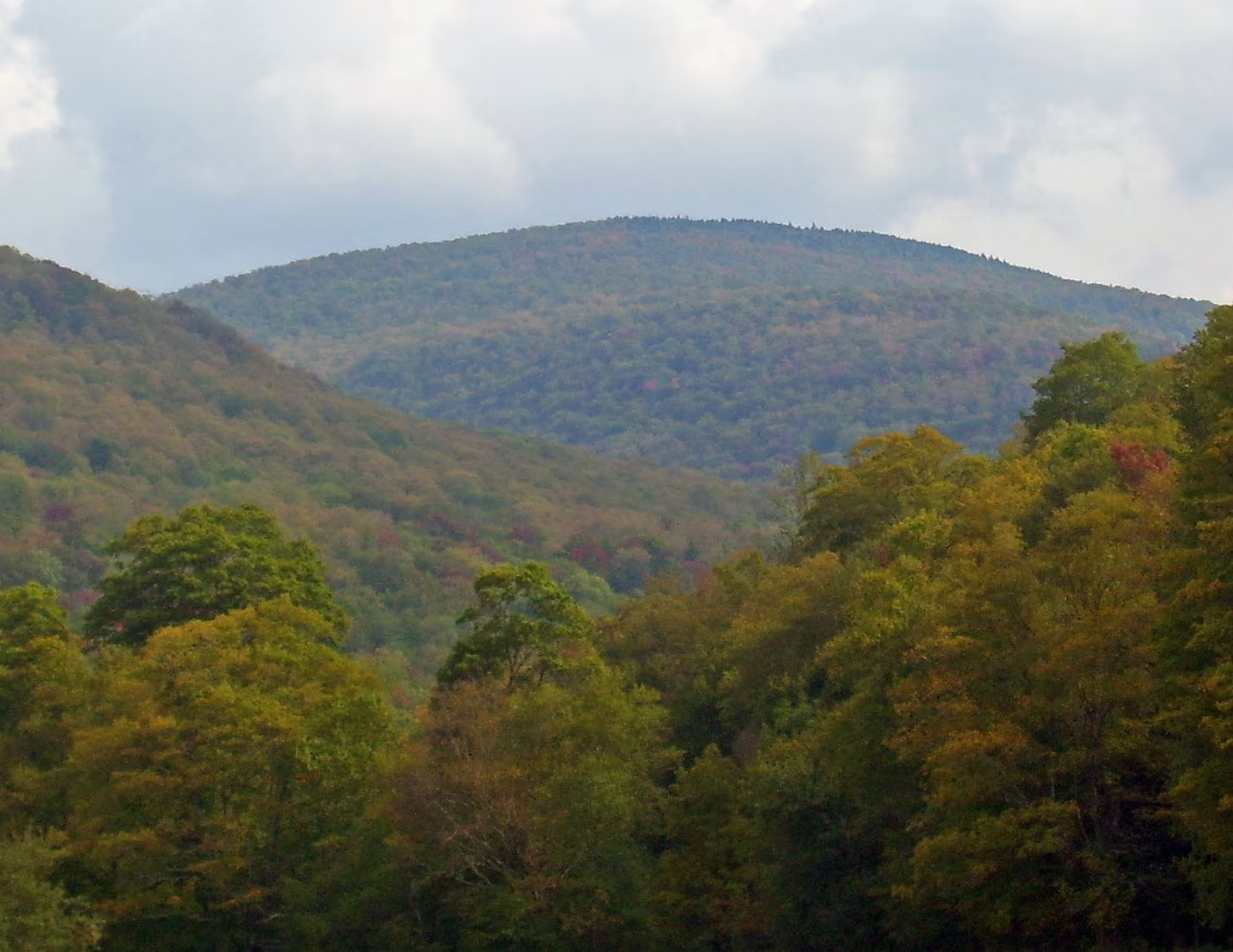
Understanding Spring Weather in the Catskills
Unpredictable Temperature Swings
Spring weather in the Catskills is notorious for its unpredictable temperature swings from morning to afternoon. Starting your hike in the early hours might require you to bundle up, but as the sun rises and warms the air, shedding layers becomes essential. These swings can be dramatic, sometimes varying by 20 degrees or more within a few hours. That’s why it’s crucial to prepare for both chilly dawns and warmer afternoons, ensuring you can adjust your clothing to stay comfortable throughout the day.
Microclimates at Different Elevations
The Catskills’ varied topography contributes to the presence of microclimates at different elevations. As you ascend higher, temperatures can drop significantly, and weather conditions can change rapidly. For instance, a sunny, mild day at the trailhead can turn into a damp, cool environment at the summit. The distinct microclimates require hikers to be versatile with their gear. Keep in mind that moving through dense forests, open meadows, and rocky outcrops each presents unique weather challenges and demands quick wardrobe adjustments.
Typical Spring Precipitation Patterns
Spring in the Catskills often means dealing with a fair amount of precipitation, whether it’s light drizzles or unexpected downpours. The region averages about 4-5 inches of rain in the spring months, and these showers can be unpredictable. Understanding the typical precipitation patterns helps hikers plan better, ensuring they have the necessary waterproof gear and are ready to adapt to wet conditions. Spring showers can quickly saturate trails, making them muddy and slippery, so proper footwear and protective outer layers become crucial in these situations.
Exploring the spring weather in the Catskills highlights the need for a flexible and adaptable clothing system, setting the stage for discovering the benefits of a strategic layering approach.
The Layering System: Your Secret Weapon
Spring weather in the Catskills can be as unpredictable as it gets, but don’t let that keep you indoors. Understanding the art of layering is your secret weapon for adapting to these fluctuating conditions. This approach involves three main layers: base, mid, and outer, each serving a distinct purpose to keep you comfortable and protected.
Introduction to the Three-Layer Approach
Combining multiple layers instead of opting for a single heavy garment offers you flexibility and efficiency. Each layer has a unique role:
- Base Layer: Manages moisture to keep you dry.
- Mid Layer: Provides insulation and retains your body heat.
- Outer Layer: Shields you from wind, rain, and other elements.
Having these layers gives you options to adjust as the weather and your activity level change.
Why Layering Works Better Than Single Heavy Garments
Layering works better for several reasons:
- Versatility: You can add or remove layers as needed.
- Temperature Control: Allows better regulation of body heat.
- Moisture Management: Helps in wicking sweat away from your body, keeping you dry and comfortable.
- Weight Distribution: Distributes weight more efficiently in your pack.
Single heavy garments might keep you warm initially but can lead to overheating and discomfort once you start moving. Layering provides you with the ability to fine-tune your comfort as conditions vary.
How to Adapt Your Layers Throughout Your Hike
Adapting your layers during a hike is crucial for maintaining your comfort and performance:
- Start Cool: Begin your hike with fewer layers. You’ll warm up quickly as you start moving.
- Adjust at Breaks: During rest stops, add a layer to retain the heat your body has generated.
- React to Weather Changes: Keep an eye on the sky and be ready to add or remove layers if it starts raining or gets windy.
Keep your layers easily accessible in your pack so you can make quick changes without hassle.
The layering system isn’t just about having multiple pieces of clothing, but about being prepared and responsive to the unpredictable nature of spring in the Catskills. Up next, we delve into the specifics of the base layer and how it can manage moisture to keep you dry and comfortable during your adventures.
Base Layer: Managing Moisture
Choosing Moisture-Wicking Fabrics
The base layer is your first line of defense against the ever-changing Catskills’ spring weather. Moisture-wicking fabrics are essential to keep you dry and comfortable throughout your hike. Avoid cotton at all costs; it retains moisture and can lead to chilling. Instead, opt for materials like merino wool, polyester, or blends specifically designed to pull sweat away from your skin. These fabrics enhance evaporation, keeping you dry and reducing the risk of hypothermia and chafing.
Fit Considerations for Effective Moisture Transfer
Your base layer should fit snugly but not be constricting. A well-fitted garment ensures efficient moisture transfer from your skin to the outer layers. Too loose, and sweat will linger on your skin; too tight, and it might hinder movement. Look for base layers that offer a good balance of stretch and support, ensuring comfort without compromising functionality.
Base Layer Options for Different Temperature Ranges
The Catskills’ temperature can swing dramatically from morning to afternoon, so having the correct base layer is crucial:
- Cool Mornings: For chilly starts, a midweight merino wool top and bottom set is versatile. It provides warmth, retains less odor, and continues to wick moisture efficiently.
- Warming Afternoons: As the temperature rises, switch to a lightweight synthetic fabric. These layers are highly breathable and efficient in managing sweat during more intense activity.
- Varied Elevations: It’s smart to have layers you can mix and match as you ascend or descend. For example, a micro-weight merino wool shirt can be paired with synthetic fabric leggings for a balanced approach to fluctuating altitudes.
By selecting the appropriate base layer and ensuring it fits well, you’re setting a solid foundation for managing moisture. This will keep you comfortable and prepared for the varying conditions you’ll encounter in the Catskills. Next, we’ll explore how to stay warm with the proper mid-layer.
Mid Layer: Insulation is Key
Fleece, Down, and Synthetic Insulation Options
Choosing the right mid layer for insulation is crucial when hiking in the Catskills during spring. You have three main options: fleece, down, and synthetic insulation. Each has its own advantages and drawbacks, which can make a big difference in your comfort level on the trail.
- Fleece: Known for its breathability and quick-drying properties, fleece is an excellent choice for variable weather conditions. It provides good insulation even when damp, making it reliable for the unpredictable spring weather.
- Down: Down insulation is incredibly lightweight and offers the best warmth-to-weight ratio. However, it loses its insulating properties when wet, so it’s best used when you can keep it dry, either by layering it under a waterproof shell or using it on dry, cold days.
- Synthetic Insulation: Synthetics like PrimaLoft provide warmth similar to down but retain their insulating properties even when wet. Synthetic jackets are bulkier but are a solid choice for wet and rainy conditions common in the Catskills’ spring.
Weighing Warmth-to-Weight Ratio for Packability
When selecting your mid layer, consider the warmth-to-weight ratio, especially since you will be carrying all your gear on your back. Fleece and synthetic jackets offer reliable warmth but may add more weight to your pack. Down jackets are the lightest option, making them an excellent choice for packing light, though you need to be cautious about keeping them dry. Assess your specific needs based on the length and conditions of your hike to find the right balance.
When to Add or Remove Your Mid Layer During Activity
Knowing when to add or remove your mid layer is essential for maintaining comfort. Keep these tips in mind:
- Add Your Mid Layer: Start your hike with a base layer and outer shell. Once you reach higher elevations or open areas where the wind is stronger and the temperature drops, add your mid layer to stay warm.
- Remove Your Mid Layer: As you descend or the afternoon warms up, remove your mid layer to prevent overheating. Replace it with lighter layers like a base layer and outer shell if needed.
By being mindful of these strategies, you can stay comfortable and manage your body temperature effectively while enjoying your adventure in the Catskills. The right mid layer will ensure you are prepared for the varied conditions you’ll encounter.
Outer Layer: Protection from the Elements
Waterproof vs. Water-resistant Shell Considerations
When it comes to spring hiking in the Catskills, your outer layer is crucial for shield against the unpredictable weather. Waterproof shells offer complete protection from rain, ensuring you stay dry even in a downpour. These are ideal for longer hikes where you might be exposed to persistent rain. However, they tend to be less breathable, which can lead to overheating during intense activities.
Water-resistant shells, on the other hand, provide some level of protection against light rain and drizzle but won’t keep you dry in heavy rainfall. These offer better breathability, making them suitable for hikes with varied intensity levels or those longer hikes where heavy rain is less likely.
Breathability Features to Prevent Overheating
Spring hiking in the Catskills can go from chilly to warm in just a few hours. Choosing an outer layer with breathability features can help manage body heat and moisture build-up. Look for jackets with pit zips, mesh lining, or breathable fabrics like Gore-Tex. These features allow you to stay comfortable as your exertion level changes throughout the hike, preventing that unpleasant sticky feeling.
Wind Protection for Ridge Hikes and Exposed Areas
The Catskills’ ridges and exposed areas are notorious for strong winds, which can make you feel colder than the actual temperature. An outer layer with wind-resistant properties can be a game-changer. Look for tightly woven fabrics and adjustable closures at the cuffs, hem, and collar to keep the wind at bay. This will help maintain your core warmth as you traverse those blustery ridges.
With the right outer layer, you’re well-equipped to handle the varied and often unpredictable elements that spring in the Catskills can throw at you.
Extremities: Don’t Forget Hands, Feet, and Head
Keeping your extremities warm and comfortable is crucial for a successful spring hike in the Catskills. Here’s how to ensure your hands, feet, and head are protected and ready for any weather surprises.
Glove Options
Investing in quality gloves can make a world of difference. For lighter activities or warmer days, lightweight liner gloves work well. These offer basic protection and are great for wicking moisture away from your hands. When the weather gets wetter or colder, waterproof shells or insulated gloves are essential. Waterproof gloves will keep your hands dry in rain and snow, while insulated gloves, filled with materials like down or synthetic fibers, will maintain warmth during chilly mornings [Source: Example.com].
Moisture Management for Feet
Wet or cold feet can ruin a hike quickly. Choose moisture-wicking socks made from materials like merino wool or synthetic blends. These help keep your feet dry and prevent blisters. Avoid cotton socks, as they absorb moisture and dry slowly. Additionally, a good pair of waterproof hiking boots is a must. Look for boots with breathable membranes like Gore-Tex to keep rain out while allowing sweat to escape.
Headwear for Sun Protection and Temperature Regulation
Your choice of headwear can significantly affect your comfort. On sunny days, a wide-brimmed hat or a cap with a neck flap will protect you from harmful UV rays and help regulate your body temperature. For colder, windier conditions, a beanie or a balaclava made from insulating materials like fleece can help retain heat. Layering with a lightweight headband underneath can provide extra warmth without bulk.
Remember, while your hands, feet, and head might seem like small details, proper gear for these extremities can enhance your hiking experience significantly.
We’re about to delve into how best to pack for the Catskills’ unpredictable spring weather.
Packing Smart: Be Prepared for Changes
Essential Extra Layers to Carry in Your Pack
One of the key aspects of packing smart for a spring hike in the Catskills is carrying essential extra layers. The unpredictable temperature swings and sudden weather changes mean you need to be ready to add or remove layers on the go. Consider packing:
- A lightweight fleece or insulated jacket for extra warmth.
- A packable waterproof shell for unexpected rain.
- An additional moisture-wicking base layer for changing conditions.
These extra layers ensure you’re prepared for varying temperatures and weather conditions without adding significant weight or bulk to your pack.
Compression Techniques to Minimize Bulk
To maximize space in your pack, use compression techniques to minimize bulk. Rolling or folding your clothing items tightly can help save space. Consider using compression bags or packing cubes that can further reduce the size of your gear. This way, you can pack all the essentials without sacrificing room for other important items like food and water.
Accessibility Considerations for Quick Layer Adjustments
Quick layer adjustments are crucial during hikes when the weather can shift dramatically. Pack your layers in an accessible manner:
- Place frequently needed items like your mid-layer or waterproof shell in top or outer pockets.
- Use packing cubes with color-coded tags to quickly locate and access specific layers.
- Keep a mental map of where each item is stored to make swift adjustments easier.
Being able to quickly grab the layer you need ensures you stay comfortable and prepared for whatever spring in the Catskills throws your way.
Real-World Layering Scenarios for Catskills Hikes
Morning Start in Cool Temperatures with Afternoon Warming
One of the unique aspects of spring hiking in the Catskills is the significant temperature swings from morning to afternoon. You may start your hike in the cool early morning, but by noon, the temperatures can increase dramatically.
To tackle this, start your hike with a moisture-wicking base layer to keep you dry and comfortable. Add a medium-weight fleece mid-layer for insulation and an outer layer for wind protection if needed. As the day warms up, you can gradually remove the mid-layer and outer shell, packing them away in your backpack.
Sudden Rain Shower During Your Hike
Spring in the Catskills can be quite unpredictable with sudden rain showers springing up out of nowhere. Breaking a sweat only to be met with a cold drizzle can throw off your comfort levels. Start with your base and mid-layers for warmth and be sure to keep a packable, waterproof shell within easy reach in your backpack.
If rain does start, don your waterproof shell to stay dry. Ensure it has breathable elements like pit zips to prevent overheating while keeping the rain out. Synthetic mid-layers can be a good choice here since they provide warmth even when damp.
Moving Between Sheltered Forest and Exposed Summits
Hiking in the Catskills often involves navigating through a variety of terrains, from sheltered forests to open, windy summits. These drastic changes in exposure can affect temperature and wind conditions.
While in the forest, wearing your base layer and a light mid-layer might suffice. However, upon reaching an exposed summit, it’s time to add your windproof outer layer to protect you from the chilling winds. A wind-resistant jacket with adjustable closures that seal out the wind is essential here.
Transition smoothly from forest to summit by ensuring your outer layer is easily accessible so you can adjust without hassle.
By preparing for these common scenarios, you can enjoy the diverse beauty of the Catskills while staying comfortable and safe.
Sustainable and Budget-Friendly Layering Options
Quality Second-Hand Gear Sources
Exploring quality second-hand gear is a fantastic way to build your layering system without breaking the bank. Sites like REI’s Used Gear section and local outdoor gear consignment shops often have gently used items at a fraction of the new price. Online marketplaces like Poshmark and eBay can also be treasure troves for finding high-quality outdoor apparel. Don’t forget to visit thrift stores in outdoor-centric regions – you might find brands like Patagonia or Columbia at incredibly low prices.
Versatile Pieces That Work Across Multiple Seasons
Investing in versatile pieces that can transition smoothly through different seasons is an excellent strategy. For instance, a mid-weight fleece can serve as a mid-layer in spring and fall or a standalone layer in summer evenings. Convertible pants that zip off into shorts are perfect for rapidly changing Catskills temperatures. Merino wool base layers are another great choice due to their ability to regulate temperature, wick moisture, and resist odors, making them suitable for multiple seasons.
Investment Pieces vs. Budget Alternatives
Balancing investment pieces with budget alternatives ensures you have reliable gear without overspending. High-quality investment pieces might include a durable waterproof shell or a well-insulated down jacket—items where performance and longevity are essential. On the other hand, budget alternatives work well for accessories like gloves, hats, and socks, where you can find adequate performance at a lower cost. Always prioritize items that provide the best balance of functionality, durability, and price.
With these strategies, you can effectively build a functional, budget-friendly layering system that will keep you comfortable and well-prepared for your Catskills adventures. Now that your gear is sorted, it’s time to ensure you’re fully prepared before hitting the trail.
Final Checklist Before You Hit the Trail
Weather Forecast Consultation Strategies
Before you head out for your spring hike in the Catskills, always check the weather forecast. This is crucial, as the weather can change rapidly throughout the day. Look for detailed forecasts that include temperature ranges, precipitation likelihood, and wind speeds. Websites like the National Weather Service or apps like Weather Underground can provide comprehensive and up-to-date information.
Trip-Specific Considerations
Tailor your preparation to the specifics of your hike. Consider the duration, elevation changes, and difficulty level. For longer hikes, you’ll need more food, water, and possibly a wider range of layers to adapt to different conditions. If you’re tackling higher elevations, be prepared for cooler temperatures and stronger winds. Research the trail to understand if it’s sheltered by trees or exposed on ridges, as this will influence your clothing choices.
Testing Your Layering System
It’s wise to test your layering system before you hit the trail. Spend some time outside in various conditions to see how your layers perform. Practice adding and removing layers to find the most efficient method. Make sure your gear is comfortable and doesn’t restrict your movement. This hands-on experience ensures that you’re well-prepared and can make seamless adjustments during your hike.
Finally, always leave a detailed itinerary with someone you trust, including your planned route and expected return time. This added step provides peace of mind and an extra layer of safety for your adventure. Enjoy your hike, and stay prepared!