

Introduction: The Gap Between Service and Experience
What Sets Experiences Apart from Service
Hospitality often gets defined by its service—the helpful desk clerk, the tidy room, the hot meal served on time. But while good service meets expectations, it’s the memorable experiences that stay with guests long after checkout. The line between the two is subtle but crucial. Service is about fulfilling needs; experience is about sparking emotions, creating stories, and shaping the way guests feel, think, and remember.
The Power of Psychology in Hospitality
Today’s guests aren’t just looking for functionality—they want to feel seen, valued, and connected. In a landscape where choice is endless, psychological elements are the edge that sets one brand apart from another. Experiences become meaningful when they tap into our emotions, address our unspoken desires, and anticipate our reactions. It’s less about perfection and more about making genuine human connections and evoking positive feelings.
How Human Nature Shapes the Guest Journey
Human behavior and perceptions drive every step of the hospitality experience. How staff greet a guest can set the mood for the entire stay. The look, sound, and feel of a space cue the brain to relax, engage, or be alert. Our emotions amplify the ordinary, turning a simple gesture or thoughtful detail into a highlight of the trip. Understanding these psychological layers empowers hospitality professionals to move beyond transactions and into a realm where every interaction sparkles with potential.
These aren’t just nice-to-haves—they’re essentials. With people’s expectations evolving rapidly, the smallest psychological touch can transform the everyday into the unforgettable.
The Psychology of First Impressions in Hospitality
Instant Processing: The Brain and Initial Touchpoints
Each guest’s journey starts with a snap judgment—often within seconds of arrival. The human brain is wired to make quick evaluations based on the first sights, sounds, and even scents encountered. These immediate assessments help guests decide if they feel welcome, safe, and valued. Subtle details—like a warm smile from a receptionist or the gentle scent in the lobby—shape these first thoughts fast. The smallest cues can signal whether a space is inviting or cold, attentive or neglectful. This swift mental process plays a bigger role than most people realize.
Science-Backed Environmental Cues
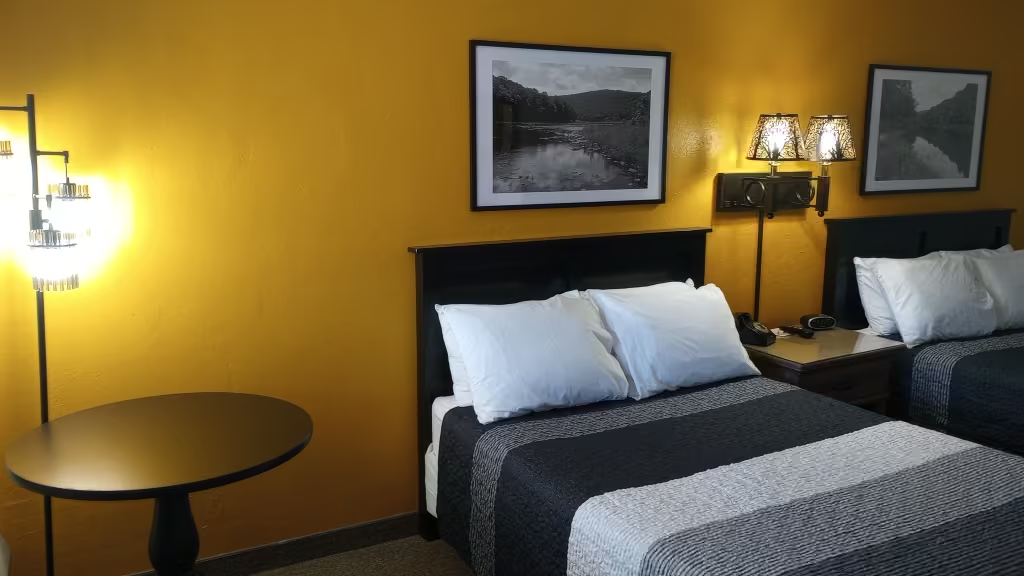
Positive first impressions are not just about friendly faces. Environmental design is a powerful tool in triggering good feelings. Lighting is a prime example—soft, warm light tends to calm nerves, while harsh lighting can ramp up anxiety. Color palettes influence mood too. Blues and greens suggest calm and trust. Natural materials, soothing music, and clean spaces add another layer of comfort, putting guests at ease. These choices are backed by research into how specific sensory cues affect emotions and comfort levels. Thoughtful design helps guests subconsciously settle into a positive state of mind within moments of arrival.
Lasting Impact: The Foundation of the Guest Journey
First impressions influence how every interaction afterward is judged. If the early moments are pleasant, guests are more forgiving of small mistakes later. This sets a positive filter for the rest of their stay. The initial emotional response acts like an anchor, shaping memories and guiding future expectations. In an industry where options are many, the ability to kick off a visit with a sense of care and comfort is a powerful edge. Establishing this psychological baseline inspires trust and opens the door for deeper, long-lasting connections throughout the guest experience.
To harness every touchpoint, hospitality professionals should pay close attention not just to what guests see or hear, but to how those first moments feel—because those feelings can make all the difference.
Emotional Architecture: Designing Spaces That Speak to the Subconscious
The Invisible Power of Space
The way a space looks and feels has a direct impact on our mood—even before we realize it. Thoughtful design in hospitality goes far beyond image or function. Every element, from the room’s shape to the texture underfoot, works together to influence what guests feel, remember, and how they behave. Spaces that are designed with the subconscious in mind can deliver a sense of safety, comfort, or excitement without a word being spoken.
Tools for Evoking Emotions
Lighting is more than ambiance—it shapes perception and energy. Soft, warm lighting makes public spaces feel welcoming, while cool lights give clarity and boost focus. Color steers mood: blues and greens soothe, while reds excite. Texture and material matter too. Plush textiles and wood surfaces evoke calm and coziness. Natural elements or flowing layouts can lower stress and help guests unwind, especially after travel.
Emotional Architecture in Action
Some hospitality environments are expertly designed to spark specific feelings. A hotel lobby layered with soft music, gentle lighting, and cozy seating zones prompts instant relaxation. In contrast, a rooftop bar with bold lighting and sleek surfaces sets the stage for energy and social connection. These choices aren’t accidental; they are part of a strategy to forge memorable moments that guests associate deeply with their experience.
Design is often the first conversation between a brand and its guests. When every space is shaped with empathy and intention, hospitality becomes more than service—it feels like it “speaks” to each person’s needs, even those they don’t express aloud.
From physical spaces to personal interactions, everything orchestrates how guests feel and connect during their stay. As the journey unfolds, the human side of hospitality comes to the forefront, where subtle exchanges between people can leave a lasting impact.
The Neuroscience of Exceptional Guest Interactions
Understanding the Building Blocks of Empathy
Beneath the surface of every warm welcome lies a powerful neurological force: mirror neurons. These tiny networks fire in our brains when we observe someone else expressing an emotion or carrying out an action. In hospitality, when a guest arrives tired after a long journey and a staff member meets them with a calm smile and a reassuring tone, those signals are quickly mirrored. Guests feel understood, and a subtle bond forms—even before words are exchanged. It’s this brain-based empathy that lets staff build quick connections and trust with guests.
Reading Between the Lines: The Art of Noticing
Hospitality professionals who shine are masters at interpreting what’s unspoken. A quick glance at a guest’s posture, the speed of their walk, or a nervous glance at a phone can reveal a lot. Experienced staff are trained to spot these subtle cues. They might pick up when someone wants to skip small talk, needs extra help, or is open to a friendly chat. These skills help turn basic transactions into genuine interactions that make people feel seen and valued.
The Power of Authentic Engagement
Guests know the difference between a well-rehearsed script and a heartfelt response. When staff repeat phrases by rote, interactions can come across as insincere—no matter how polite. Genuine engagement, on the other hand, taps into the guest’s own emotional state. A laugh that feels real or a thoughtful question asked at just the right time leaves a lasting impact. This authenticity doesn’t just brighten a moment; it’s what people remember and share later. The ripple effect is meaningful. Sincere interactions encourage loyalty, while scripted ones rarely spark the same emotional memory.
By focusing on authentic exchanges and developing empathetic awareness, hospitality moves from routine service to memorable connection—laying the groundwork for moments that guests will carry with them long after they leave.
Memory Formation: Creating Moments That Last
The Science of Lasting Impressions
Some hospitality experiences linger in memory long after check-out, while others soon fade. This isn’t just luck; it’s rooted in the way our minds process and store memories. When guests enter a hotel, dine at a restaurant, or interact with staff, their brains are constantly filtering which moments are worth remembering. In hospitality, what gets remembered are not isolated services, but emotionally charged experiences. Warm welcomes, thoughtful surprises, and heartfelt farewells stick in the mind because they engage emotions and the senses.
Why Emotional High Points Matter
One of the core psychological principles at play is the “peak-end rule.” This means people tend to judge an experience largely based on two moments: the emotional peak (the highest or lowest point) and the ending. Small gestures like a complimentary treat, an upgrade, or an unexpected personal touch can become defining “peaks” in the guest’s journey. A genuine, warm goodbye—perhaps with a handwritten note—often enhances the “end.” Together, these moments anchor the experience in guests’ memories, creating stories they share and replay.
The Power of Multisensory Design
Memory is also multisensory. Sight, sound, scent, touch, and even taste weave together to create deep, unforgettable moments. Soft music in the lobby, calming color palettes, the gentle aroma of fresh flowers, and plush bedding all play a part. These layered sensory cues connect at a subconscious level, reinforcing positive emotions. When a guest smells a certain fragrance or hears a familiar tune, it can instantly transport them back to that special stay or meal.
Crafting Sequences That Last
It’s not just the big moments—thoughtful service sequences also make a difference. Stringing together pleasant sensory experiences and emotional highlights throughout a guest’s stay forms a memorable narrative. Staff who personalize small moments or anticipate needs help guests feel seen and valued, leaving a mental imprint that’s hard to erase.
Ultimately, exceptional hospitality is about creating meaningful moments that the mind wants to hold onto. When guests recall their favorite hotel or restaurant years later, it’s the sum of many sensory-rich, emotionally loaded moments—not just efficient service—that makes them smile and inspires loyalty.
Personalization: The Ultimate Psychological Differentiator
Recognition and the Power of Individualized Attention
When it comes to hospitality, nothing feels quite as affirming as being recognized. There’s potent psychological satisfaction in hearing your name, being remembered for your favorite morning coffee, or getting a special birthday dessert. These moments of recognition flip a switch in the brain, sending social signals of belonging and appreciation. Instead of just being “another guest,” people feel seen—and that matters deeply. This sense of personal value can turn a pleasant stay into a cherished memory.
Balancing Data and Authentic Human Connection
Technology allows hospitality brands to track preferences, past visits, and special dates. But there’s an art to blending data-driven personalization with positive human connection. When done right, a simple “Welcome back, John” at check-in brings a smile. When automated systems take over, guests may feel more like numbers on a screen than valued individuals. The key is subtlety: use data to provide gentle guidance, not to overwhelm. A friendly front desk agent recalling a previous preference feels personal; a barrage of automated messages does not.
Creating Personal Touches Without Crossing Lines
Striking the right note with personalization means attention without intrusion. That might sound tricky, but a few timeless techniques always resonate:
- Give genuine compliments and make authentic conversation
- Remember meaningful dates (birthdays, anniversaries) and acknowledge them thoughtfully
- Offer tailored recommendations based on what you learn organically, not just analytics
- Respect guest privacy by asking for consent when offering extra services
True hospitality happens when staff show curiosity, listen, and adapt their approach gracefully. These gestures remind guests that they’re not just welcome, but wanted.
As the desire for personal connection grows, the hospitality industry continues to rethink where data stops and human warmth begins.
Empathy as a Core Competency in Hospitality
Understanding the Neurological Roots of Empathy
Empathy goes deeper than a simple desire to help, and it’s wired in our brains. When a guest shares a concern or delight, the neural circuits associated with empathy fire up, enabling staff to sense not just the words but the feelings beneath. This neurological response—often associated with mirror neurons—means humans can intuitively perceive another’s mood or state even from subtle behavior or tone. While scripts and training can teach polite responses, the emotional resonance of genuine empathy cannot be duplicated. Guests sense the difference, recognizing when attention and care are real rather than rehearsed.
The Impact of Empathy Training
True empathy in hospitality doesn’t just happen; it can be nurtured. Training programs that move beyond customer service basics help staff tune into both verbal and non-verbal cues. Through role-play and scenario exercises, employees build the confidence to respond flexibly and compassionately. The result? Not only do guests feel understood, but teams report higher job satisfaction and engagement. They come to see the human side of every interaction, reducing burnout and making day-to-day work more meaningful.
Cultivating Genuine Empathetic Responses
Building authentic empathy starts by fostering curiosity and active listening. Encourage staff to slow down, make eye contact, and ask open-ended questions. Encourage them to reflect back what guests express, showing their concerns are genuinely heard. Regular team reflections, where staff share stories of “impactful moments,” deepen the collective emotional intelligence. Leadership should model vulnerability and appreciation, signaling that empathy isn’t just encouraged but valued.
By centering empathy at the heart of the guest experience, hospitality moves far beyond scripted courtesy—creating environments where guests feel truly seen, understood, and cared for. This foundation of trust and warmth naturally creates the groundwork for deeper connections throughout every touchpoint.
The Psychology of Service Recovery and Problem Resolution
Turning Problems Into Opportunities
No matter how seamless a hospitality operation may seem, problems are inevitable. What separates average service from unforgettable experience is not the absence of issues but the way they are resolved. When guests encounter a hiccup—be it a booking error, a misplaced order, or a noisy room—the response can define their perception of the entire brand. In fact, effective problem resolution often fosters stronger loyalty than an experience where nothing went wrong. Guests remember who “made it right” more than they remember simple perfection.
Key Psychological Principles
Emotional Containment and Validation
The first and most critical step is acknowledging the guest’s distress. Validating frustration or disappointment helps diffuse emotional intensity. Guests want to feel heard and understood, not brushed aside. A sincere, empathetic response taps into deep human needs for recognition and fairness. Even if an immediate fix isn’t available, clear acknowledgment and assurance that their needs matter often offset negative feelings.
Speed and Transparency
Timeliness is vital. The quicker staff recognize and address an issue, the less time the negative feelings have to take root. Transparency throughout the resolution process reassures guests and builds trust: letting them know what’s happening, what can be done, and when to expect a solution re-establishes predictability and control.
Restoring Equity
Hospitality guests are hardwired to notice fairness. Restitution—tailored to the nature of the problem—restores a sense of balance. This could mean an upgrade, a complimentary meal, or simply a heartfelt apology from a manager. What matters most is that the gesture feels proportional and personal, not automated or generic.
Creating Emotional Connection Through Recovery
Complaints are hidden opportunities. When staff respond with authentic care, guests often feel a stronger connection than if the stay had gone off without a hitch. This emotional turnaround can transform frustration into loyalty. By resolving issues with empathy and follow-through, teams reinforce the guest’s sense of belonging and trust.
A hospitality team skilled in problem resolution doesn’t just fix errors—they convert them into stories guests love to tell. This dynamic lays the foundation for lasting relationships that go beyond transactions, paving the way for a loyalty that is felt rather than merely calculated.
Building Psychological Loyalty Beyond Rewards Programs
Beyond Points: Understanding Real Loyalty
Many hospitality brands focus on reward programs to drive repeat visits. Yet, there is a deeper form of loyalty than earning points—a psychological connection where guests become genuine advocates. Behavioral loyalty happens when people return out of habit or convenience. Emotional loyalty, however, is born from heartfelt experiences and meaningful interactions. This type of bond is more resilient over time, surviving price changes and competition.
The Science of Attachment
Psychological attachment forms when a guest perceives that a brand resonates with their values, needs, or personal identity. It often starts with small gestures: a handwritten note, a remembered preference, or staff who greet by name. Over time, consistent micro-moments build trust. The guest feels seen, respected, and special. These moments signal that the brand truly understands and values them—not just as customers, but as individuals.
Fostering Genuine Emotional Connection
Creating authentic emotional loyalty takes intention. Start by empowering staff to show empathy and autonomy in guest interactions, so every guest feels heard. Encourage storytelling—allow teams to share unique guest moments with colleagues, building a culture centered around connection. Personalize services in ways that feel sincere, such as remembering anniversaries or travel history. Use feedback not just to solve problems, but to spark deeper relationships.
When brands invest in relationships over transactions, guests respond with fierce loyalty and will gladly recommend the experience to others. This is the true currency of lasting hospitality.
As the guest journey continues to evolve, understanding what drives authentic human connection becomes even more critical.
Conclusion: The Future of Psychologically-Informed Hospitality
Technology as an Enhancer, Not a Replacement
As the hospitality industry moves forward, new technologies like artificial intelligence, mobile apps, and smart environments are taking center stage. But these tools work best when they support—not replace—the psychological elements that make hospitality memorable. Automated check-ins or chatbots can speed up service, but guests still crave genuine human warmth and empathy. The most successful brands will weave technology into their operations as a silent partner, letting staff focus on personal, meaningful interactions.
Rising Guest Expectations in an Experience Economy
Today’s guests expect more than convenience and comfort. They look for emotional connections and experiences tailored to their preferences. The growth of the experience economy means visitors value things like being remembered by name, having their favorite snack ready after a long trip, or feeling understood if a problem arises. This shift requires hospitality professionals to be more mindful of emotions, perceptions, and even subtle nonverbal cues throughout the guest journey.
Actionable Steps for Hospitality Professionals
To thrive in this evolving landscape, hospitality teams can:
- Use technology wisely to handle routine tasks and free up staff for high-touch moments
- Invest in empathy and emotional intelligence training for all guest-facing staff
- Design spaces and service flows that appeal to the senses and create specific moods
- Regularly seek guest feedback on both practical and emotional aspects of their stay
- Encourage a culture of listening, adaptability, and genuine connection
By rooting operations in psychological insight, hospitality brands can create memories that transcend the transactional. These lasting connections are the real currency of loyalty, no matter how advanced the technology or changing the times.



