
Introduction to the Spring Shad Run on the Upper Delaware
Every spring, the Upper Delaware River comes to life with the return of American shad. These silvery fish make their epic migration from the Atlantic, swimming hundreds of miles upstream to spawn. As the water warms and flows quicken, anglers gather along the banks, eager to test their luck and skill against the shad’s spirited fight.
The annual shad run isn’t just about catching fish—it’s a celebration of a natural event that signals renewal on the river. The thrill of hooking a strong, acrobatic shad lures anglers from across the region. Whether you’re drawn by the challenge or the chance to enjoy a tranquil morning in scenic river valleys, this experience promises both excitement and serenity.
There’s a unique camaraderie among shad fishers, sharing tips and stories as the river swells with possibility. The mix of tradition, natural beauty, and the tantalizing prospect of a rewarding catch make the Upper Delaware shad run a must for anglers of all skill levels.
Ready to discover what makes these fish so prized? Let’s explore the shad themselves in greater detail.
Understanding the American Shad
Biology and Spawning Migration
American shad are remarkable migratory fish. Each spring, they leave the salty Atlantic and travel up freshwater rivers like the Upper Delaware. This journey is all about spawning. Driven by instinct, shad battle fast currents and obstacles to return to ancestral spawning grounds. These fish can swim hundreds of miles, making them a symbol of persistence and resilience.
Spotting Shad Among the Crowd
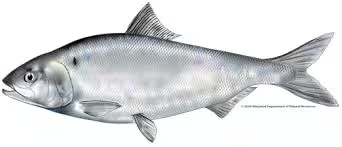
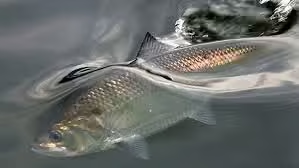
Telling American shad apart from other river species doesn’t have to be tricky. Look for their silvery bodies, a prominent dark shoulder spot, and sleek, torpedo shape. They often reach two to five pounds, with deeply forked tails and long, flat bodies. Unlike resident fish, shad usually travel in pods and flash silver in the sunlight as they dart through the water.
The Shad’s Unique Allure
What truly sets shad apart is their dual reputation. They’re notoriously strong fighters, zig-zagging and leaping when hooked, making every catch exciting. Anglers respect their speed and stubbornness. Off the water, shad have a celebrated place in kitchens, too. Their mild, flavorful flesh and prized roe have long graced family tables along the river.
This blend of sporting challenge and culinary history keeps anglers coming back each spring, ready for the unique experience that shad fishing promises.
Timing Your Fishing Trip: When to Target Shad
Water Temperatures: Nature’s Green Light
American shad know it’s time for their river journey when water temperatures climb into the mid-60s to 70s Fahrenheit. This window is when shad become most active and abundant in the Upper Delaware. Tracking daily water temperature readings is a smart way to catch the migration at its peak.
Shad Run and Bass Spawning: The Overlap
The shad run can line up with bass spawning periods. As shad move upstream to spawn, bass are getting ready to do the same in warmer backwaters. While both species migrate, shad stick to stronger currents, while bass hunker down in shallows. Knowing this helps anglers pick the right spots and time their outings.
Seasonal Timeline: Upper Delaware’s Spring Show
On the Upper Delaware, shad usually show up from mid-April through late May. The first big wave often hits when spring rains warm the water. Shad move quickly, so timing can mean the difference between fast action and a slow day. Following river conditions and water temperature offers the best shot at catching the run as it moves through.
A great fishing experience comes from matching your trip to the rhythms of the river. Shad follow the cues of spring, just as anglers follow the shad.
Prime Fishing Locations: Avoiding the Crowds
Fishing the Quiet Waters
As the shad make their way up the Upper Delaware, some locations let you enjoy the action without feeling crammed among other anglers. The stretch below Stockton Bridge is one such local favorite. This area sees fewer crowds, giving you the space to move along the banks and find those lively runs where shad gather. The gentle bends and pockets under the bridge create prime holding water as fish rest before pushing upstream.
Exploring Other Productive Spots
Don’t stop at Stockton. Deep runs near gravel bars, gentle eddies behind large boulders, and back-currents along the river’s edge can all hold shad—especially early and late in the day. Watch for long stretches of riffled water leading into pools; these spots are shad magnets during peak migration.
Reading the River for Hidden Gems
Look for seams where faster water meets slow current, forming lines that shad use as migratory highways. Eddies below islands or behind clusters of rocks often hold fish taking a break from the main push. Watching the water for silver flashes or jumping fish helps pinpoint active schools. Finding your own section of productive water not only ups your odds but also offers a more relaxed and enjoyable spring fishing experience.
Next up, we’ll get into the gear that makes these moments on the river truly rewarding.
Essential Gear and Tackle for Shad Fishing
A great shad fishing trip starts with the right gear. Lightweight spinning rods in the 6- to 7-foot range are popular because they offer sensitivity for feeling light strikes but still handle the strong, fast runs shad are known for. Pair your rod with a smooth 2000 or 2500 size spinning reel and spool it with 6- to 10-pound test line—either monofilament or braid both work well for shad.
For lures, small, brightly colored jigs and darts are classic choices. Chartreuse, pink, orange, and white stand out best in springtime flows. Flies tied in similar flashy colors, often with some tinsel or flash, also reliably tempt shad. Bring a small tackle box with extra jigs, split shot, and a few leaders. A rubberized landing net helps safely handle these acrobatic fish, while polarized sunglasses make it easier to spot fish in changing light.
Comfort and safety matter too. Pack lightweight rain gear, a sturdy pair of wading boots, and sunscreen—you’ll thank yourself. Being prepared allows you to focus on the fishing and enjoy the river’s beauty.
With the right gear ready, you’re set to make the most of your day and take on the challenge these spirited fish offer.
Effective Techniques for Catching Shad
Navigating the Current
American shad migrate upstream in swift currents. To target them, position yourself near seams—those gentle edges where fast water meets slower flows. Cast your lure or fly slightly upstream and across the current, letting it sweep naturally with the flow. This allows the bait to pass in front of shad moving upriver, increasing your chances of a strike.
Presenting Jigs and Flies
The right presentation makes all the difference. Use light, vibrant jigs or flies and let them drift just above the bottom, where shad school. Avoid heavy weights; shad are sensitive to unnatural movement. A slow, steady retrieve—paired with occasional twitches—helps your lure mimic the erratic motion that draws shad in.
Triggering Competitive Bites
Shad are known for reacting to competition. Try retrieving your lure quickly in bursts, or “popping” it to create flashes of color. These movements mimic rival fish darting for food, sparking a shad’s instinct to strike fast. Keep your line tight and your reflexes sharp, as their bites can be quick and subtle.
Mastering these techniques adds excitement and maximizes your catch as you learn to read the river with a keen angler’s eye.
Reading the River: Finding Productive Water
Identifying Key River Features
Spotting shad starts with learning the river’s natural contours. Look for current seams where fast water meets slower flows—these act like highways for fish moving upstream. Eddies, or swirling pockets of calm behind rocks or bends, give shad a quick break from the current and often concentrate small schools. Riffles and gentle drop-offs are also prime, as shad use these to regroup before pushing onward.
Factoring in Water Levels
Water depth and flow shape every shad season. Early in the run, higher water scatters fish, making them harder to pin down. As the river drops, shad cluster in deeper pockets and tailouts, especially behind large boulders or submerged logs. After rains, focus on calmer side channels and slow pools, where shad rest until currents subside.
Spotting Active Fish
Bring polarized sunglasses to cut glare and spot flashes or wakes, especially during sunny afternoons. Watch for jumps, boils, or nervous water—these signs mean shad are on the move. Sometimes, just observing baitfish activity helps locate big schools, since shad often push small fish or insects as they migrate.
A careful read of the water unlocks the most consistent success, setting you up for a rewarding day on the Upper Delaware.
From River to Table: Preparing Your Catch
Bringing American shad from river to table is a rewarding ritual for many anglers. Start by cooling your catch as soon as possible; bring a cooler with ice to the river bank. Once home, use a sharp fillet knife to carefully clean and fillet the shad, taking care to remove the many small bones. Shad are famously bony, so patience pays off. Traditional shad recipes often call for smoking or canning, both excellent ways to highlight the dense, flavorful flesh. If you’re lucky enough to have harvested shad roe, gently rinse the roe sacs and poach them in salted water or pan-fry them in butter for an old-school delicacy. Thoughtful preparation ensures that each meal captures the deep history and flavor of this springtime catch, making your fishing experience truly complete.
With your fresh catch prepared, you’re well on your way to enjoying all the unique rewards of the shad run.
Conservation and Responsible Angling
Shad Fishing Rules and Limits
Fishing for American shad on the Upper Delaware is a tradition that needs careful protection. State and local regulations help keep shad populations strong. These rules often include daily catch limits, size minimums, and gear restrictions. Anglers should always check the latest updates before heading out, as these rules can change with the health of fish stocks and the river.
Practicing Catch and Release
While shad are delicious and fun to catch, responsible anglers know when to let fish go. Catch and release is important, especially during peak spawning runs. Using barbless hooks and quickly returning fish to the river helps protect future shad generations. Gently handle shad, keep them in the water as much as possible, and avoid squeezing their sides.
Supporting Shad Conservation
Every angler can play a role in conservation. Simple steps like picking up litter, reporting poaching, and following river access rules all add up. Participating in local shad surveys or volunteering with clean-up efforts also helps protect the river and its wildlife. These small actions ensure that the spring shad run will remain a special tradition for generations to come.
With stewardship in mind, anglers enjoy a richer connection to the river and all it provides.
Conclusion: Making the Most of Shad Season
Planning Your Adventure
Spring on the Upper Delaware is a time for excitement and tradition. If you want to experience the shad run, plan ahead. Check real-time river temperatures and weather to pick the best days. Local outfitters and bait shops can share up-to-date reports. Pack wisely—bring the right rods, jigs, flies, and weather gear for a full day outdoors. Arrive early at your chosen spot, and have a few backup locations in mind.
Proven Tips for Success
Focus on seams, eddies, and riffles where shad hold against the current. Present small, flashy lures with a steady or erratic retrieve. Keep moving if fish aren’t biting; don’t hesitate to switch tactics or move downstream. Remember river safety—wear a life vest in strong currents and respect the river’s power.
Why the Shad Run Endures
The Upper Delaware shad run is more than fishing—it’s a seasonal celebration. The powerful runs, aerial leaps, and river scenery create memories that last. Clean and prepare your catch thoughtfully, savoring fresh shad and prized roe with family or friends. This blend of natural wonder, angling skill, and shared tradition is what keeps people coming back, season after season.



