
Why Spring Skiing in the Catskills is Different
Understanding the Unique Weather Patterns and Conditions in the Catskills During Spring
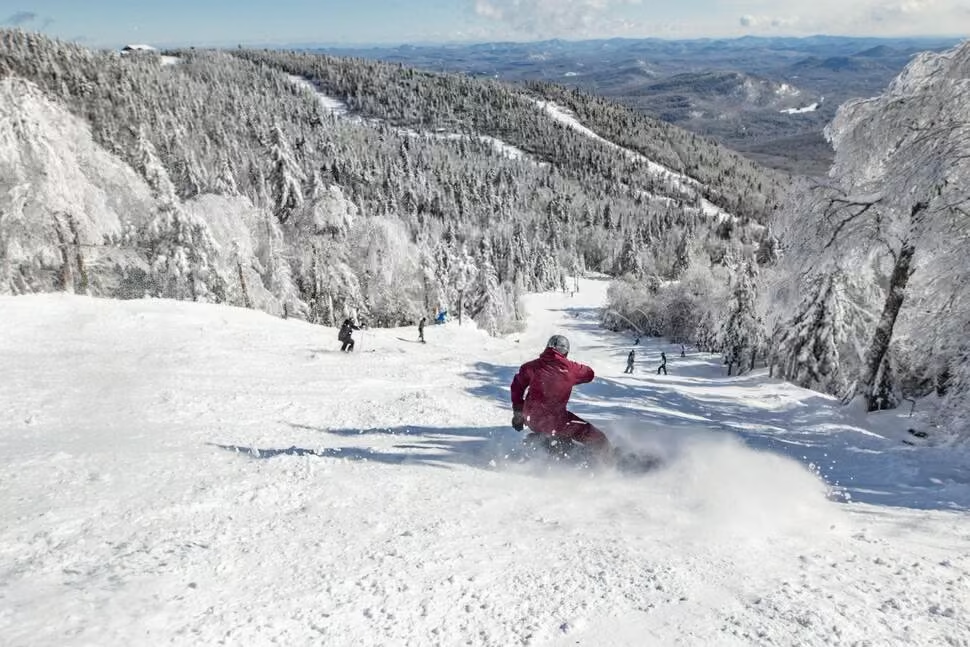
Spring in the Catskills offers a blend of winter’s bite and the gentle warmth of the upcoming summer. This time of year is unpredictable: you could see sun-filled days followed by snow flurries. The Catskills experience fluctuating temperatures, often with cold nights and warmer, sunny days. The slopes can go from icy in the morning to slushy by the afternoon, creating unique skiing challenges and advantages.
How Spring Conditions Affect Your Packing Strategy
Due to the varied weather, your packing strategy needs to be dynamic. Unlike winter trips, where the temperatures are consistently low, spring skiing demands an array of clothing options. You’ll need gear that keeps you warm without causing overheating when the sun is out. Waterproof and windproof items are essential to shield you from unexpected spring showers or wind gusts, which are common in the Catskills this season.
The Importance of Layering for Variable Temperatures
Layering is crucial while spring skiing in the Catskills. Start with a moisture-wicking base layer to keep sweat off your skin and maintain body warmth. Next, add lightweight, breathable mid-layers for excellent insulation that won’t burden you as temperatures rise. Topping it off with a flexible, weather-resistant outer shell helps you adapt to any weather condition you may face.
Keeping these considerations in mind ensures you enjoy your spring ski trip to the fullest, prepared for whatever weather the Catskills throw at you.
Essential Base Layers and Mid-Layers
Moisture-Wicking Base Layers
Spring skiing in the Catskills means varying weather conditions, making your choice of base layers crucial. Look for moisture-wicking materials like Merino wool or synthetic fibers. These materials help to keep you dry by drawing sweat away from your skin, adding an essential layer of comfort. Brands like Patagonia and Smartwool offer excellent options known for their moisture-wicking properties and durability.
Lightweight, Breathable Mid-Layers
After you’ve chosen your base layer, the next step is selecting an effective mid-layer. These should be lightweight and breathable to allow for air circulation while providing the necessary insulation. Options might include fleece pullovers or thin down jackets, which are perfect for those unpredictable spring conditions. Look for materials like Polartec fleece or lightweight down. Mid-layers from brands like The North Face and Arc’teryx are great for ensuring you’re prepared for whatever the weather brings.
Recommended Materials and Brands
When it comes to selecting your base and mid-layers, material matters. As mentioned, merino wool is fantastic for base layers because it’s naturally moisture-wicking and odor-resistant, keeping you comfortable even after hours on the slopes. Synthetic options like polyester and nylon blends are also popular for their quick-drying and durable nature.
For mid-layers, Polartec fleece and lightweight down are highly effective. They provide excellent warmth without adding bulk, allowing for a full range of motion. Trusted brands include Patagonia, Smartwool, The North Face, and Arc’teryx, all known for producing high-quality, performance-focused gear suitable for the variable spring weather in the Catskills.
Proper layering with the right materials ensures you stay warm, dry, and comfortable, equipping you for a fun and successful day on the slopes.
Outer Shell and Weather Protection
Choosing the Right Lightweight, Waterproof Shell Jacket
When it comes to spring skiing in the Catskills, a lightweight, waterproof shell jacket is indispensable. You’ll want a jacket that is both breathable and durable, providing protection against rain, snow, and wind. Materials like Gore-Tex or similar high-performance fabrics are highly recommended for their waterproof and windproof capabilities. Brands such as Columbia and Marmot are reputable and offer reliable options to keep you dry and comfortable. Remember, your shell should fit over your base and mid-layers without feeling bulky or restrictive.
Waterproof Pants That Allow Mobility and Ventilation
Equally crucial are your waterproof ski pants. Look for pants that combine mobility with ventilation. Features like articulated knees and adjustable waistbands will ensure a better range of motion, which is vital for those dynamic ski maneuvers. Ventilation zippers on the inner or outer thighs help you regulate your temperature, preventing overheating during those warmer spring afternoons. High-quality waterproof materials will keep the melting snow out while still allowing your legs to breathe.
Packable Options for Changing Weather Conditions
Spring weather in the Catskills can be unpredictable. One moment you might be skiing under clear blue skies, and the next, facing a sudden rain shower. This is why packable options for your outer shell and pants are a smart addition to your gear. Lightweight, packable jackets and pants can be easily stowed in your backpack when not needed, without adding significant weight. Brands like Patagonia and Arc’teryx offer excellent packable options that don’t compromise on performance or protection.
As you continue preparing for your trip, focus on versatile accessories and safety gear to further enhance your spring skiing experience.
Accessories and Safety Gear
Essential Protective Gear
Safety should always come first when hitting the slopes. Key items you cannot overlook are helmets and goggles. Helmets provide crucial protection against head injuries, which are unfortunately common in snow sports. Opt for models that offer a snug fit, good ventilation, and safety certifications like ASTM F2040 or CE EN1077. For goggles, choose those with UV protection and anti-fog coating to maintain clear vision in various light conditions. Brands like Smith and Giro are reliable choices for both helmets and goggles.
Versatile Accessories
Spring skiing in the Catskills demands versatility. Neck gaiters and gloves are indispensable. A breathable neck gaiter made of materials like Merino wool or polyester keeps your neck warm without causing overheating. Adjustable and lightweight gloves are necessary for comfort and control while skiing. Consider those with waterproof yet breathable membranes, such as those offered by brands like Black Diamond and Hestra.
Sun Protection Necessities
Even in cooler spring temperatures, UV exposure can be intense on snow. Ensure you have a high SPF sunscreen and lip balm to protect your skin. Polarized sunglasses or UV-protective goggles are essential to shield your eyes. Remember, snow reflects sunlight, increasing your risk of sunburn and glare, making these items non-negotiable for maintaining safety and comfort.
By considering these accessories and safety gear, you’ll be well-prepared for the ever-changing conditions of spring skiing in the Catskills.
Emergency and Comfort Items
First Aid Kit Essentials for Spring Skiing
No skier should hit the slopes without a basic first aid kit. For spring skiing in the Catskills, it’s essential to include:
- Adhesive bandages of various sizes
- Antiseptic wipes and ointment to clean and protect cuts
- Pain relievers like ibuprofen or acetaminophen
- Blister treatments (moleskin or blister pads)
- Instant cold packs for unexpected injuries
- A small roll of medical tape and gauze pads
These essentials ensure that minor injuries can be managed quickly without cutting your ski day short.
Hand Warmers and Emergency Supplies
Spring weather can be unpredictable, making it prudent to pack a few essential emergency items. Hand warmers are a small but crucial addition, providing immediate relief when the temperature drops.
Other emergency supplies include:
- A multi-tool or Swiss Army knife for quick fixes or adjustments
- A compact flashlight or headlamp in case of low visibility
- Emergency thermal blankets to retain body heat if you’re caught in a cold snap
- High-energy snacks like granola bars or nuts for an unexpected delay
These items help keep you prepared for sudden weather changes or minor emergencies, ensuring your safety and comfort on the slopes.
Personal Comfort Items for Varying Conditions
Spring skiing means variable temperatures and unexpected conditions. Packing personal comfort items can make all the difference:
- Extra pairs of socks to keep your feet dry and warm
- A lightweight yet cozy fleece or down jacket for layering
- Moisture-wicking face masks or buffs to protect against wind and sun
- An insulated water bottle to stay hydrated and keep your drinks at the right temperature
- Sunscreen and lip balm with SPF to protect from sunburn
These personal items help keep you comfortable and adaptable to whatever the Catskills weather throws your way.
Additional Considerations and Pro Tips
Storage Solutions and How to Pack Efficiently
Packing efficiently for a spring ski vacation in the Catskills is crucial for a smooth and enjoyable trip. Start by using packing cubes or compression bags to maximize your luggage space. These organizers keep your gear tidy and easy to access.
For bulky items like ski boots and helmets, consider using a separate boot bag to save space in your main luggage. Pack your base layers, mid-layers, and outer shells in a waterproof duffel bag to protect them from any unexpected spills or weather changes.
Day-of Preparation and Weather Monitoring
Staying prepared on the day of your skiing adventure can significantly enhance your experience. Check the local weather forecast the night before and again in the morning to anticipate any changes. Use apps like OpenSnow or AccuWeather for real-time updates on weather and snow conditions in the Catskills.
Pack a small daypack with essentials like water, snacks, extra layers, and sunscreen. Don’t forget to include a fully charged phone, a portable charger, and trail maps. Early preparation allows you to focus on enjoying the slopes without worrying about missing any needed items.
Local Rental Options for Bulky Equipment
Renting bulky ski equipment locally can save you the hassle of traveling with heavy gear. The Catskills area has numerous rental shops that offer high-quality equipment, including skis, snowboards, and protective gear. Renting also gives you the opportunity to try various brands and models without committing to a purchase.
Look for rental shops that allow online reservations so you can ensure the availability of equipment before you arrive. Many shops also offer delivery services to your lodging, providing even greater convenience.
By packing smartly and preparing for variable conditions, you’ll be ready for an unforgettable spring skiing experience in the Catskills.



