
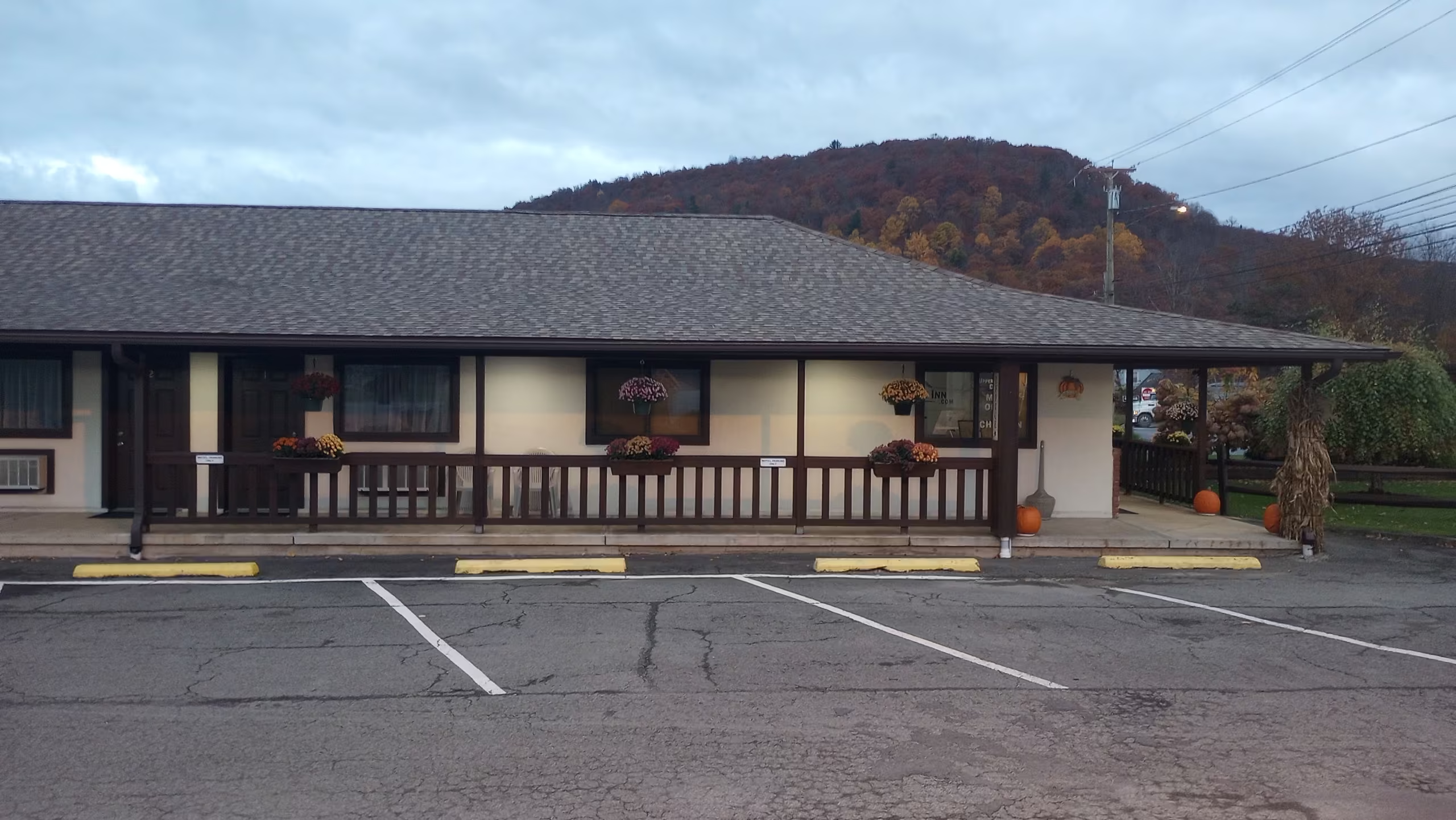
Understanding Motel Ownership Models: An Overview
When it comes to motel ownership, understanding the available structures is vital. The main types of ownership models you need to be aware of are franchise, independent/private, leased, and managed motel operations. Each of these structures comes with its own set of benefits and challenges.
Importance of Choosing the Right Ownership Model for Business Success
Selecting the right ownership model can make or break your motel business. The decision impacts not just your daily operations, but your long-term financial health and the overall value of your property. The right model aligns with your business goals, available resources, and personal expertise.
Key Factors to Consider When Selecting an Ownership Structure
Before deciding on an ownership model, consider the following key factors:
- Business Goals: Are you looking for full control, or would you prefer to leverage the expertise of an established brand or management company?
- Financial Capabilities: What resources do you have available, and how do they align with the financial obligations of each ownership model?
- Market Conditions: Understanding the local market can help determine the best fit. Some models may be more suitable for saturated markets, while others thrive in niche areas.
- Long-term Implications: Each model can affect your property’s value differently over time. Consider the longevity and sustainability of the model you choose.
Next, we will delve into the specific characteristics and trade-offs of each motel ownership model, starting with franchise hotel ownership.
Franchise Motel Ownership
Definition and Characteristics of Franchise Ownership in the Motel Industry
Franchise ownership in the motel industry combines the flexibility of individual ownership with the marketing power of a well-established brand. In this model, you, as the franchisee, purchase the rights to operate under a brand name. This typically involves adhering to specific brand standards and operating procedures to maintain uniformity across the chain.
Benefits of Operating Under an Established Brand Name and Support System
Operating under an established brand name brings several benefits:
- Brand Recognition and Loyalty: An established brand is often synonymous with quality, making it easier to attract customers.
- Marketing and Advertising: Franchisers usually handle large-scale marketing campaigns, which means you benefit from national or even global advertising.
- Operational Support: You receive training and ongoing support in various areas, from front desk operations to technology systems.
- Proven Business Model: The operational successes and failures of the brand are already well-documented, giving you a battle-tested strategy to follow.
Financial Obligations and Responsibilities of Franchise Ownership
With great benefits come significant financial responsibilities. Franchisees must usually pay:
- Initial Franchise Fee: This upfront cost grants you the right to use the brand name and its resources.
- Ongoing Royalties: A percentage of your monthly revenue typically goes back to the franchiser.
- Marketing Fees: These funds contribute to the brand’s overall marketing efforts, ensuring campaigns remain effective and far-reaching.
- Adherence Costs: Operating under a franchise means your motel must continuously meet brand standards, which may include renovations, technology upgrades, and compliance with operational guidelines.
Understanding these financial obligations upfront is vital in assessing whether franchise ownership aligns with your business goals.
As we move forward, you’ll learn about the different dynamics involved in managing and leasing motel operations, as well as the advantages and risks associated with each model.

Independent/Private Motel Operation
Complete Control and Flexibility
When it comes to independent motel operations, one of the most significant advantages is the complete control and flexibility it offers. The owner is the ultimate decision-maker, free from the constraints imposed by franchise agreements or management contracts. Owners can tailor their business strategies, select suppliers, design unique interior atmospheres, and set policies that align with their personal vision and goals.
Unique Branding and Marketing Opportunities
Operating an independent motel presents numerous opportunities for unique branding and marketing. Independent owners have the freedom to create a brand that reflects their property’s distinct personality and charm. They can develop customized marketing campaigns, target niche markets, and build genuine relationships with their guests, fostering a loyal customer base. This approach allows for a high degree of creativity and innovation, making the property stand out in a crowded market.
Challenges and Advantages
Independent motel operations come with their fair share of challenges and advantages. On the positive side, owners benefit from:
- Personalized Guest Experience: Enhanced guest satisfaction through tailored services and personalized attention.
- Revenue Retention: Owners retain all profits, without sharing with franchisers or management companies.
However, there are challenges, including:
- Financial Risk: Owners bear the full financial responsibility for the property’s operations and marketing.
- Building and Maintaining a Reputation: Without the backing of a known brand, owners must invest significantly in establishing and maintaining a trustworthy reputation.
- Operational Burdens: Day-to-day management, staff recruitment, and compliance with industry standards fall entirely on the owner.
While independent hotel ownership offers an unparalleled level of autonomy and creativity, it requires a significant amount of dedication and an ambitious mindset to navigate its inherent challenges successfully. Understanding the unique demands of this ownership model will help prospective owners make informed decisions that align with their business vision and readiness for risk.
To make the right ownership choice, it’s crucial to consider your business goals and financial capacity, ensuring they match the demands of the ownership model you opt for.
Leased Motel Operations
Understanding Hotel Lease Agreements
Motel lease agreements involve a long-term rental contract between a property owner and a lessee (tenant). Key components typically include the lease term, rent amount, maintenance responsibilities, and any provisions for renewal or termination. These agreements are complex legal documents designed to protect both parties.
Rights and Responsibilities of Lessees Versus Property Owners
The lessee (hotel operator) is responsible for day-to-day operations, maintenance, and paying rent. Lease agreements often require lessees to adhere to specific standards and may include rights to renovate or redecorate the property. On the other hand, property owners retain ownership, receive regular income from rent, and bear responsibility for significant structural repairs unless otherwise specified.
Financial Implications and Risk Assessment
Financially, leasing can be less capital-intensive than purchasing property outright, making it an attractive option for those with limited upfront funds. However, it’s crucial to assess the risk, as leases often involve long-term commitments with escalating rent clauses, regular maintenance costs, and potential penalties for breaches. Conducting a thorough risk assessment ensures that both parties understand and mitigate financial risks.
Transitioning forward, it’s important to consider how each ownership model affects property value and aligns with your long-term business goals.
Managed Motel Ownership
Role of Professional Management Companies in Hotel Operations
Professional management companies play a pivotal role in hotel operations for Managed Motel Ownership models. These companies take on the day-to-day responsibilities of running the hotel, allowing owners to focus on broader investment strategies and other ventures. Management companies bring a wealth of industry experience, streamlined processes, and a network of trained staff, ensuring high operational standards and efficiency. Their expertise also covers revenue management, marketing, and guest satisfaction, which are crucial for maintaining the hotel’s reputation and profitability.
Benefits and Potential Drawbacks of Hiring Management Companies
Benefits
- Expertise and Efficiency: Management companies possess specialized knowledge and skills needed to run hotels efficiently.
- Industry Connections: Their established relationships with suppliers and service providers can lead to cost savings and better deals.
- Scalability: They can scale operations effectively, making it easier to manage multiple properties or expand.
- Focus on Quality: Enhanced guest experiences due to professional and consistent service.
Potential Drawbacks
- Cost: Management companies charge fees, which can eat into the hotel’s profits.
- Less Control: Owners may have limited control over day-to-day operations and specific business decisions.
- Alignment of Vision: Potential misalignment between the owner’s vision and the management company’s practices.
Contract Terms and Performance Metrics in Management Agreements
When entering into a management agreement, it is essential to outline clear contract terms and performance metrics. Key contract terms often include:
- Duration of the Agreement: How long the management company will operate the motel.
- Fees and Payment Structure: Details of management fees, performance-based incentives, and reimbursements.
- Duties and Responsibilities: Clearly defined roles and responsibilities of both parties to avoid conflicts.
Performance metrics help ensure the management company’s goals align with those of the property owner. Metrics might include:
- Occupancy Rates: Ensuring the hotel operates at optimal capacity.
- Guest Satisfaction Scores: Maintaining high levels of guest satisfaction through quality service.
- Revenue per Available Room (RevPAR): Tracking overall revenue against the number of available rooms to gauge profitability.
Managed Motel Ownership bridges the gap between property investment and professional operations. By leveraging the expertise of management companies, owners can enjoy the benefits of the hospitality industry without being involved in the complexities of daily operations.
Overall, when choosing the right ownership model, it is important to evaluate your business goals and financial capabilities. Each model has its unique advantages and potential pitfalls, so understanding the long-term impact on your property value and operational success is crucial.
Choosing the Right Ownership Model for Your Property
Evaluating Your Business Goals and Financial Capabilities
When selecting the right motel ownership model, it’s crucial to start by understanding your business goals and financial capabilities. Your goals will guide you to prioritize control over operations, brand support, or financial risk.
- Assess Your Goals:
- Control: Do you want to maintain full control of your motel’s operations and branding? If so, independent motel ownership or leasing might be ideal.
- Support: Are you looking for marketing support and an established clientele? A franchise model could provide the backing you need.
- Ease of Management: Do you want professional management to handle daily operations? Managed ownership can offer the expertise you might lack.
- Evaluate Your Finances:
- Initial Investment: Determine the capital you can invest initially. Franchises and managed motels might require higher upfront costs compared to leasing.
- Ongoing Fees: Consider ongoing fees such as franchise fees or lease payments. Independent ownership allows for more control over expenses but comes with its unique financial risks.
Assessing Market Conditions and Location Factors
The location of your motel can significantly impact the best ownership model.
- Market Demand: Analyze the local hospitality market. Is there a frequent influx of tourists or business travelers? High demand areas might benefit more from franchise support for brand recognition.
- Competitor Landscape: Look at other properties in the area. Is there a dominance of particular motel brands? If franchises flourish, leveraging a well-known brand can be beneficial.
- Local Regulations: Check for any local restrictions or regulations on hotel operations. Certain areas might have rules that affect leasing or management agreements.
Long-Term Implications on Property Value
Each ownership model has distinct long-term implications for your motel’s value.
- Franchise Ownership: Can boost initial property value due to brand reputation but comes with consistent fees which might impact long-term profitability.
- Independent Operation: Offers potential for high returns and unique branding, but involves higher risk and effort in building market presence.
- Leased Operations: Provides flexibility with a lower initial investment but comes with the risk of escalating rental fees and less stake in long-term property value.
- Managed Ownership: Balances between control and professional management, possibly enhancing property value through efficient operations, albeit with shared profits with management firms.
By aligning your business goals, assessing financial capabilities, and understanding market conditions, you can select an ownership model that best positions your motel for success.



