
The Ancient Origins of Maple Syrup in the Catskills
Native American Connection
Long before European settlers arrived, Native American tribes in the Catskills area had a deep, historical connection to maple syrup production. Tribes such as the Lenape and the Haudenosaunee revered the sugar maple tree. It was known for its sap, which they called the “sweet water.” This natural sweetener was not only a food source but also held cultural and ceremonial significance.
Traditional Harvesting Methods
The techniques used by Native American tribes for harvesting maple sap were sophisticated and sustainable. They would make V-shaped incisions in the bark of sugar maple trees and insert small wooden spouts to direct the sap into birch bark containers. The sap collected was then boiled in clay or stone pots over open fires until it transformed into thick, sweet syrup or crystallized sugar. These methods have been passed down through generations, preserving the cultural heritage and traditional knowledge.
Early Settler Communities
When European settlers arrived in the Catskills, they quickly adopted the Native Americans’ methods of maple syrup production. Maple syrup became a crucial resource for these early communities, not only as a staple food but also as a barter commodity in local trade. The syrup’s versatility in cooking made it highly valuable. Its use as a sweetener also increased its worth. This further cemented its importance in the daily lives of Catskills’ inhabitants.
The journey from Native American traditions to the bustling syrup production of early settlers laid the foundation for the Catskills’ rich maple syrup heritage. This tradition continues to thrive today.
The Science and Art of Maple Tapping
Traditional vs Modern Tapping Techniques Used in the Catskills
The roots of maple tapping in the Catskills stretch back centuries, initially honed by Native American tribes like the Lenape and Haudenosaunee. These tribes cherished the sugar maple trees and perfected sustainable harvesting techniques using handmade tools. Traditional methods involved making a V-shaped cut in the tree with a sharp stone or bone tool and channeling the sap through a hollowed-out wooden spout.
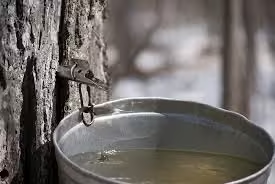
Modern tapping techniques have evolved considerably, using more efficient and less invasive methods. Today, producers use electric drills to create uniform holes in the trees and insert plastic spouts connected to tubing systems. These systems can transport the sap directly to a central collection tank, cutting down on labor and ensuring a cleaner collection process. However, many still value the simplicity and reliability of traditional bucket-and-spile methods for small-scale production.
Optimal Conditions and Timing for Maple Sap Collection
Maple sap collection is a delicate dance with nature. The process hinges on the right environmental conditions. Optimal sap flow requires a precise combination of below-freezing nights (ideally between 20°F and 25°F) and warmer days (about 40°F to 45°F). This freeze-thaw cycle creates internal pressure changes in the tree, causing the sap to flow.
Timing is everything in maple tapping. The best time to tap maple trees in the Catskills is typically from late February through early April. Producers must be vigilant, keeping a close eye on weather forecasts to maximize sap collection during these peak flow periods.
The Transformation Process from Sap to Syrup
Turning maple sap into syrup is a fascinating transformation, combining both art and science. Freshly collected sap is mostly water—about 98%—with only about 2% sugar. This means it needs to be boiled down to concentrate the sugars and remove excess water.
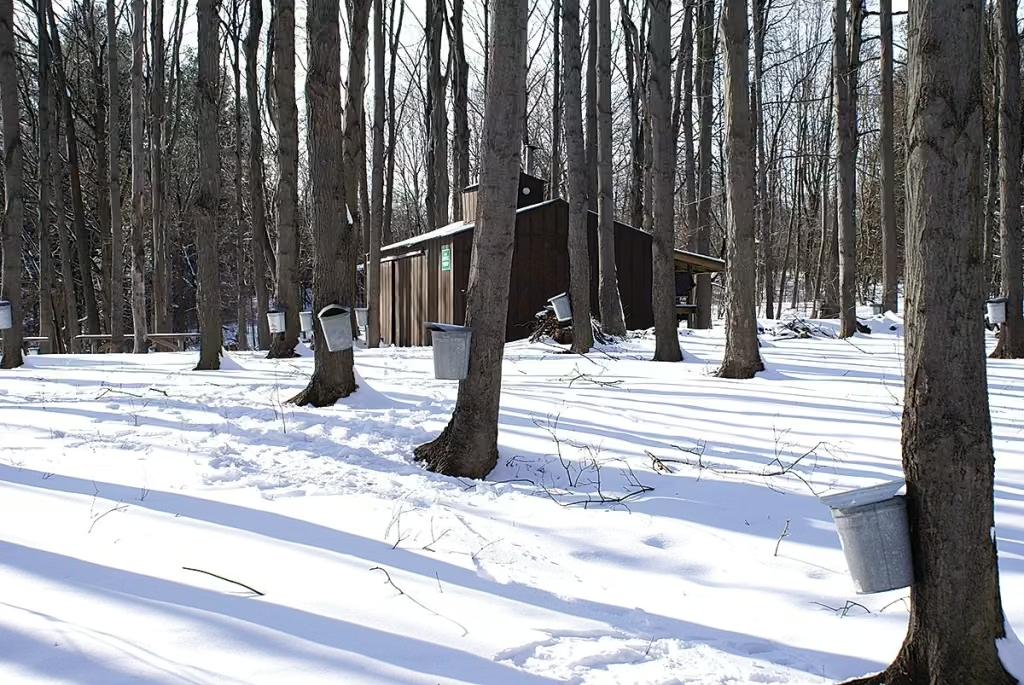
The process begins with the sap being filtered to remove any debris. Then, it’s brought to a rolling boil in large evaporator pans or dedicated sugaring shacks. As the water evaporates, the sap thickens and darkens, going through various stages from light amber to a rich, dark amber. The boiling process requires constant attention to avoid scorching the syrup.
The syrup reaches the correct density and temperature at approximately 219°F. It is then filtered once more to remove impurities. After filtering, it is bottled while still hot. This golden liquid is then ready to be enjoyed, whether drizzled over pancakes or used as a natural sweetener in various recipes.
Through a blend of traditional knowledge and modern innovations, the Catskills maintain their legacy of maple syrup production, crafting a product that ties them to their deep-rooted heritage and the natural rhythms of their environment.
The Ashokan Center’s Role in Preserving Maple Heritage
Educational Programs and Demonstrations
Nestled in the picturesque Catskills region, the Ashokan Center is a beacon for preserving the rich heritage of maple syrup production. Through its immersive educational programs, the center invites visitors to explore the intricate history and science behind maple tapping. These programs are designed to engage participants of all ages, providing them with hands-on experiences that bring the age-old tradition to life.
The Ashokan Center offers demonstrations showcasing both traditional and modern tapping techniques. Visitors can see first-hand the skill and patience required to collect maple sap, an essential step in producing high-quality syrup. Educators at the center share their deep knowledge, ensuring that the legacy of maple syrup production is both appreciated and understood.
Hands-On Learning Experiences
One of the most captivating aspects of the Ashokan Center’s efforts is its commitment to hands-on learning. Visitors are not merely passive observers; they are active participants in the maple syrup-making process. Under the guidance of knowledgeable instructors, guests can try their hand at tapping trees, collecting sap, and even boiling it down to create the sweet, golden syrup.
This experiential learning approach fosters a deeper connection with the natural world and the history of the Catskills. By involving all the senses, the center ensures that the lessons learned are memorable and impactful. The tactile experience helps to instill a sense of respect and admiration for the traditional methods used for generations.
Importance of Cultural Preservation
Preserving the cultural heritage of maple syrup production is at the core of the Ashokan Center’s mission. The center recognizes that maple syrup is more than just a delicious treat; it is a symbol of the region’s history and identity. By educating the public and keeping these traditions alive, the Ashokan Center plays a crucial role in ensuring that the cultural significance of maple syrup is not lost to time.
Through its programs, the center not only educates but also inspires a new generation to carry forward the legacy of maple syrup production. This dedication helps to maintain a vital link between the past and the present, reinforcing the importance of cultural preservation in an ever-changing world.
As the center continues to educate and engage visitors, it remains a steadfast guardian of maple heritage, ensuring that this sweet tradition thrives for years to come.
Modern Maple Festivals and Community Celebrations
Annual Maple Syrup Festivals in the Catskills Region
Every year, the Catskills region comes alive with vibrant maple syrup festivals, celebrating this age-old tradition. These festivals are a testament to the community’s dedication to honoring their heritage and showcasing the sweet results of their labor. Visitors can immerse themselves in the festivities, which often include syrup tastings, pancake breakfasts, live music, craft fairs, and demonstrations of the tapping process. These events create a fun and educational experience for all ages, fostering a deeper appreciation for this natural sweetener.
Local Producers and Their Contribution to Regional Identity
The heart and soul of these festivals are the local maple syrup producers. These dedicated artisans continue to employ both traditional and modern techniques to create high-quality syrup, connecting the past with the present. Their commitment to this craft not only preserves an important part of regional history but also reinforces the unique identity of the Catskills. By participating in these festivals, producers share their passion and knowledge with the wider community, strengthening the cultural fabric of the area.
Economic Impact of Maple Tourism on Local Communities
Maple syrup festivals contribute significantly to the local economy. They attract tourists from near and far, boosting the hospitality and retail sectors. Restaurants, hotels, and local shops all benefit from the influx of visitors, resulting in increased economic activity and job creation. Additionally, these festivals provide a platform for local artisans to showcase their products. They help businesses foster a connection between producers and consumers. The success of these events underscores the importance of maple syrup production not just as a cultural tradition, but as a vital component of the Catskills’ economic landscape.
The celebration of maple syrup in the Catskills is a perfect blend of tradition, community, and economic vitality. This sweet heritage continues to thrive, thanks to the efforts of local producers, festival organizers, and the enthusiastic participation of visitors. The story of maple syrup in the Catskills is far from over, with each festival adding a new chapter to this rich and flavorful history.
Moving forward, sustainability and innovative practices will play a crucial role in ensuring that this tradition endures for future generations.
Sustainable Practices and Future Preservation
Environmental Considerations
Modern maple syrup production in the Catskills is closely tied to environmental sustainability. Producers prioritize the health of maple trees and the surrounding ecosystem, ensuring that these natural resources will continue to thrive for generations. Sustainable tapping practices limit the number of taps per tree. They avoid over-tapping, which could stress the trees and reduce sap quality. Modern producers also emphasize the importance of maintaining forest biodiversity. They focus on protecting water resources. Carbon footprints are minimized through energy-efficient boiling methods. Producers use renewable energy sources whenever possible.
Balancing Tradition and Innovation
While modern techniques have revolutionized maple syrup production, many Catskills producers are committed to maintaining traditional methods. These methods, passed down through generations, are respected for their simplicity and effectiveness. However, embracing innovation can lead to more efficient processes and higher-quality syrup. By integrating cutting-edge technology with time-honored practices, producers can increase yield. They can also monitor tree health more effectively. Furthermore, they can reduce the environmental impact of their operations. This balance of old and new preserves the rich heritage of maple syrup production. It aligns with contemporary ecological standards.
Future Preservation Strategies
To secure the future of maple syrup heritage, several strategies are being implemented:
- Education and Outreach: Programs aim to educate the public and future producers. They focus on sustainable practices and the importance of maple syrup heritage. These efforts are crucial. Community workshops, school programs, and online resources can inspire a new generation to take up the craft.
- Research and Development: Continuous research on maple tree health, sap production, and sustainable practices is essential. It allows producers to stay ahead of challenges such as climate change. They can also tackle pest infestations. Collaborative efforts between scientists and maple producers can lead to innovative solutions.
- Economic Support: Supporting small and medium-sized maple producers through grants, subsidies, and market access can help sustain their operations. Encouraging local consumption and export of Catskills maple syrup can also bolster the region’s economic resilience.
Looking ahead, the key to preserving the Catskills’ maple syrup tradition lies in a blend of respect for historical practices. It also requires an openness to innovation. This approach will ensure that future generations can enjoy and benefit from this cherished craft.



