
Introduction to Winter Wildlife Tracking
Overview of tracking opportunities in the Catskills during winter
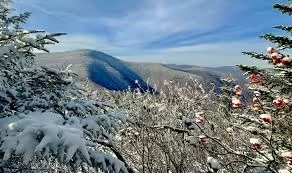
Winter transforms the Catskills into a veritable playground for wildlife tracking enthusiasts. The landscape, usually blanketed with snow, offers unique opportunities to observe and document animal behavior through their tracks. The colder months drive many animals into higher levels of activity as they search for food, making the Catskills an ideal location for tracking.
Benefits of snow as a natural tracking medium
Snow serves as an excellent medium for capturing animal tracks due to its malleability and the high contrast it provides against most animal tracks. Fresh snowfall acts like a blank slate, clearly imprinting details such as claw marks, stride length, and track patterns. Snow also helps in preserving tracks longer than other substrates, allowing for comprehensive analysis and study.
Basic equipment needed for winter tracking
Winter tracking necessitates a few essential pieces of equipment to ensure both accuracy in recording data and personal safety. Some must-have items include:
- Tracking Field Guide: A reliable guide specific to the region to help identify tracks accurately.
- Measuring Tape: To measure the dimensions of tracks and stride lengths.
- Camera: Vital for documenting tracks and the surrounding environment.
- GPS Device: For marking locations and navigational purposes.
- Notebook and Pencil: For jotting down observations and notes.
Dressing appropriately for the weather, with layers and waterproof gear, is also crucial to stay comfortable and safe during prolonged tracking sessions in the snow.
By equipping yourself with the right tools and knowledge, you can confidently explore the wintery Catskills and deepen your connection with the local wildlife.
Understanding Track Patterns
Different Walking Patterns and Gaits of Common Catskill Animals
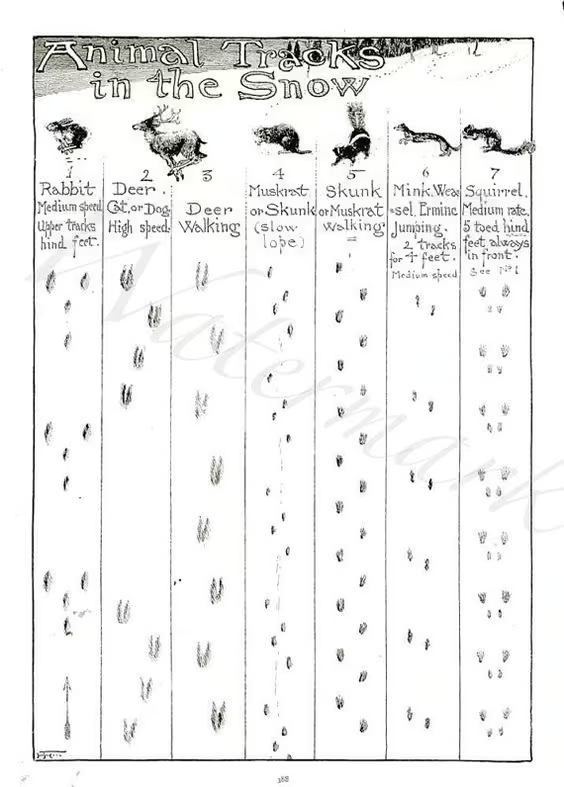
When tracking wildlife in the winter wilderness of the Catskills, it’s essential to understand the different walking patterns and gaits of common local animals. Each species moves uniquely, which helps distinguish their tracks. For instance, bears typically walk in a plantigrade gait, where the entire foot touches the ground, leaving a distinct heel and toe print. Coyotes, on the other hand, primarily use a digitigrade gait, walking on their toes and producing tracks that show defined paw pads and claw marks. Bobcats exhibit a similar digitigrade gait but with retractable claws, often resulting in cleaner footprints without visible claw impressions.
How to Measure and Document Tracks Properly
Accurate measurement and documentation of tracks are critical for credible wildlife tracking. To measure tracks properly:
- Length and Width: Use a measuring tape to determine the length and width of the track. Measure from the farthest points – the heel to the tip of the longest toe.
- Stride and Straddle: Calculate the stride (distance between successive steps of the same foot) and the straddle (width between left and right tracks). This helps identify the gait pattern.
- Depth and Clarity: Note the depth and clarity of the track, which could provide clues about the animal’s size and the snow’s condition at the time.
Document these measurements in a notebook and take clear photographs from different angles. Using a GPS device to mark the location can also be helpful for analysis and record keeping.
Distinguishing Between Similar-Looking Tracks
At times, differentiating between similar-looking tracks can be tricky. For example, coyote and dog tracks may look alike, but there are subtle differences:
- Coyotes: Tracks are generally more oval and compact with claw marks that curve into the track.
- Dogs: Tracks tend to be broader and rounder with claw marks splaying outward.
Similarly, distinguishing a bobcat from a domestic cat involves examining the size and environment. Bobcat tracks are larger and are often found in more remote, rocky areas.
By understanding these nuances, you can improve your tracking skills and gain insightful observations of the rich wildlife in the Catskills.
Common Catskill Tracks: Bear
Identifying Characteristics of Bear Paw Prints
When tracking bears in the snowy Catskills, it is essential to recognize the distinct features of bear paw prints. Bears are plantigrade animals, which means they walk with their entire foot on the ground. This results in tracks that show a heel and toe print, much like human footprints. A bear’s front paw print is wider and typically measures around 4-7 inches in width, while the rear paw print is more elongated, measuring around 6-9 inches in length. Both the front and back paw prints will display five toes with clearly visible claw marks.
Typical Locations and Habitats for Bear Tracks
Bears in the Catskills are commonly found in diverse habitats. They frequent forested areas, mountain ridges, and streamside environments. You will often encounter bear tracks near food sources like berry bushes, oak trees with acorns, and areas with ample ground vegetation. Bears are also known to wander along trails and dirt roads, making these ideal spots for track spotting.
Seasonal Behavior Patterns Affecting Track Presence
Bear activity is highly seasonal, and this directly affects the presence of their tracks. In the winter, bears enter a state of torpor, a light hibernation, significantly reducing their activity. However, you may still find tracks during this period if warmer temperatures cause them to awaken briefly. In late fall, prior to hibernation, bears are highly active, foraging extensively to build up fat reserves. This pre-hibernation period is an excellent time to spot bear tracks as they scavenge for food. Similarly, in early spring, emerging bears leave numerous tracks as they search for their first post-hibernation meals.
Understanding these seasonal patterns provides valuable context for when and where you are likely to find bear tracks in the Catskills. Keep this information in mind as you venture out to enhance your wildlife tracking experience.
Next up, we will examine another fascinating animal resident of the Catskills, the coyote, and learn about their distinctive tracks.
Coyote Track Identification
Distinctive Features of Coyote Tracks Including Claw Marks
Coyotes’ tracks are well-defined and distinct, making them easier to identify in the snowy landscape of the Catskills. Typical coyote tracks are about 2.5 to 3.5 inches long and 2 to 2.5 inches wide. The most notable feature is the presence of claw marks, as coyotes do not retract their claws like felines do. This helps distinguish their tracks from those of cats.
Track Patterns and Stride Length
Coyotes move with a direct register trot, meaning their hind paws land in the same spot as their front paws, creating a neat and organized pattern. When they run, the stride length increases to about 16-20 inches, indicating a faster pace. In contrast, a walking coyote’s stride may be around 12-14 inches. Observing these patterns helps differentiate between a leisurely gait and a chase or evasion.
Common Areas to Find Coyote Activity
Coyotes are adaptable and can thrive in varied habitats. In the Catskills, you can commonly find their tracks along forest edges, fields, and near bodies of water. They are especially active during dusk and dawn, known as crepuscular periods. Pay attention to tracks leading to and from potential hunting grounds, as coyotes often traverse these paths.
Now that you can identify coyote tracks with confidence, you’re better equipped to appreciate the elusive presence of these intelligent predators in the wild.
Bobcat Track Recognition
Unique Characteristics of Bobcat Prints
Identifying bobcat tracks can be a thrilling and rewarding experience. Bobcat prints are generally asymmetrical and showcase four rounded toes that lack visible claw marks. A defining feature is the M-shaped heel pad. Additionally, bobcat tracks measure roughly 2-3 inches in width.
Bobcats are stealthy creatures, and their prints often reflect their cautious and deliberate movements. You might notice a slight drag mark accompanying each step, indicating the bobcat’s careful walking pattern in snowy conditions.
Preferred Habitats Near Rocky Ledges
Bobcats thrive in diverse environments, but they have a particular affinity for rocky ledges and outcroppings. These areas offer ample cover, making it easier for bobcats to hunt and avoid larger predators. In the Catskills, look for bobcat tracks near forest edges, swamps, and rocky terrains.
While exploring these habitats, be mindful of the bobcat’s elusive nature. They are most active at dawn and dusk, which can be the best times to observe their tracks.
Differences Between Bobcat and Other Feline Tracks
Distinguishing bobcat tracks from those of other felines, such as domestic cats, requires attention to detail. Bobcat tracks are larger and more robust, with clearer impressions in the snow. The lack of visible claw marks and the M-shaped pad are key identifiers.
Domestic cat tracks are typically smaller and often found near human settlements, whereas bobcat tracks are more likely to be located deeper in the wild, showing a more significant stride length of 20-27 inches. Paying close attention to these specifics can help you accurately identify and enjoy the experience of tracking bobcats in the Catskills.
Safety and Best Practices
Guidelines for Safe Wildlife Observation
Tracking wildlife in the Catskills can be an exhilarating experience, but safety is paramount. Here are some essential guidelines:
- Stay Alert and Aware: Always be mindful of your surroundings and keep an eye out for any signs of wildlife behavior.
- Keep Your Distance: Observe animals from afar using binoculars or a camera with a zoom lens. Never approach wildlife too closely, as this can be dangerous for both you and the animal.
- Travel in Pairs: Whenever possible, go tracking with a partner. Not only is this safer, but it also allows for shared observations.
- Inform Others: Let someone know your tracking route and expected return time.
- Emergency Preparedness: Carry a first aid kit, a charged mobile phone, or a GPS device for emergencies.
Respecting Animal Habitats and Maintaining Distance
Respect for wildlife and their habitats is crucial while tracking. Here are some key points:
- Do Not Disturb: Avoid disturbing animals, especially during sensitive times like breeding or caring for young.
- Stay on Trails: Stick to established trails to minimize your impact on the environment.
- No Feeding: Do not feed any wildlife. Feeding can change their behavior and make them reliant on humans.
- Leave No Trace: Clean up after yourself and pack out all trash. Leave nature as you found it.
- Photograph Responsibly: If taking pictures, use a long lens to avoid getting too close to the animal.
Best Times of Day for Tracking
The time of day can significantly affect your tracking success:
- Dawn and Dusk: These are often the best times for tracking, as many animals are most active during these periods.
- Avoid Midday: Animal activity tends to decrease during the heat of the day, making it harder to find fresh tracks.
- Night Tracking: Only recommended for experienced trackers due to increased difficulty and risk.
With these safety and best practices in mind, you can ensure a rewarding and safe experience while tracking winter wildlife in the snowy Catskills.
______



