

Introduction to Winter Wildlife Tracking
Overview of Winter Tracking Opportunities in the Catskills
The Catskills are a winter wonderland, providing ample opportunities for wildlife-tracking enthusiasts. With its diverse habitats and abundant wildlife, the region becomes a prime location for spotting animal tracks in the snow. The stunning snowy landscapes make for an ideal setting to discover the fascinating world of animal tracking. From forests to meadows, and even around the rivers and streams, the Catskills offer various ecosystems where a myriad of creatures leave their trails.
Best Conditions for Spotting Animal Tracks in Snow
The best time to spot animal tracks in the snow is right after a fresh snowfall. The pristine, undisturbed snow creates a perfect canvas for capturing tracks before they get weathered or obscured. Early mornings are particularly favorable for tracking, as fewer human activities and minimal sun exposure help preserve the tracks longer. It’s also essential to consider the snow’s consistency. Powdery snow can capture clear, detailed prints, whereas wet, heavy snow may muddle the tracks.
Importance of Tracking Skills for Wildlife Observation
Mastering tracking skills is crucial for anyone interested in wildlife observation. These skills allow you to identify not just the species, but also their behaviors, feeding patterns, and movement through the landscape. By learning to read tracks, observers gain insights into the lives of animals they might seldom see otherwise. Tracking enhances one’s appreciation for nature and fosters a deeper connection with the environment, enabling more responsible and informed wildlife interactions.
Tracking wildlife in the winter Catskills is both an adventure and an educational experience. Understanding tracking conditions and honing these skills opens up a world of discovery and appreciation for the natural world.
Essential Tracking Equipment
Basic Tools Needed for Track Identification
When heading out for a wildlife-tracking adventure in the Catskills, you’ll want to come prepared with the right tools. Basic gear essential for track identification includes:
- Tracking Field Guide: A comprehensive guidebook can help you identify animal tracks accurately.
- Measuring Tape: Essential for measuring the dimensions of tracks, which aids in species identification.
- Notebook and Pencil: Documenting your findings is key. A waterproof notebook is ideal for snowy conditions.
- Camera: Taking clear photos of tracks can be useful for later analysis and sharing with fellow trackers.
Appropriate Winter Gear for Tracking Expeditions
Winter tracking requires not only the right tools but also the right attire. Here’s a rundown of appropriate winter gear:
- Layered Clothing: Dress in layers to stay warm and adapt to changing weather. A moisture-wicking base layer, insulating middle layer, and waterproof outer shell are recommended.
- Waterproof Boots: Keeping your feet dry is crucial. Insulated, waterproof boots with good traction are a must.
- Warm Accessories: Hats, gloves, and scarves are vital for keeping extremities warm in freezing temperatures.
- Snowshoes: Depending on snow depth, snowshoes can help you move more efficiently and avoid sinking into deep snow.
Safety Considerations While Tracking in Snow
Your safety is paramount when tracking wildlife in the Catskills. Keep these considerations in mind:
- Let Someone Know Your Plans: Inform a friend or family member of your itinerary and expected return time.
- Carry a Map and Compass: Even in familiar areas, a map and compass can prevent you from getting lost. GPS devices are also helpful but don’t rely on them solely.
- Emergency Kit: Include first-aid supplies, extra food and water, a firestarter, and a whistle for signaling if necessary.
- Check the Weather: Always check the weather forecast before heading out. Avoid tracking in severe conditions.
Having the right equipment not only enhances your tracking experience but ensures you stay safe and comfortable. As you gear up with these essentials, you’ll be better prepared to dive into the exciting world of winter wildlife tracking.
Common Catskills Animal Tracks
Bear Track Characteristics and Identification Tips
Spotting bear tracks in the Catskills during winter can be an exhilarating experience. Bear tracks are distinguishable by their large, asymmetrical impressions, with five distinct toes and claws. The hind tracks often resemble human footprints but are wider and have more pronounced claw marks. They can measure up to 8 inches long for adult black bears.
- Tips for Identifying Bear Tracks:
- Look for large, oval-shaped tracks.
- Check the pattern: bears usually walk with their front and hind feet aligning in a straight line.
- Observe the claw marks, which are typically visible ahead of the toe prints.
Coyote Track Patterns and Distinctive Features
Coyotes are common in the Catskills, and their tracks are easier to find in fresh snow. Coyote tracks resemble those of domestic dogs but are more elongated and narrow. They usually have a signature “X” shape between pads due to the close proximity of their toes. The tracks can measure around 2.5 to 3.5 inches in length.
- Distinctive Features:
- Coyotes often show a direct register walk, where the hind foot steps directly into the front footprint.
- Tracks are oval with sharply distinct claw marks.
- Look for patterns indicating a trotting gait, which is common for coyotes covering ground efficiently in pursuit of prey.
Bobcat Prints and Typical Locations Near Rocky Areas
Bobcat tracks are a treasure for any wildlife tracker in the Catskills. These elusive felines leave behind round paw prints that are characteristically smaller than those of a mountain lion, generally about 2 inches in diameter. Unlike coyote prints, bobcat tracks don’t usually show claw marks, due to their retractable claws.
- Identifying Bobcat Tracks:
- Round and symmetrical, with a larger leading toe.
- Absence of visible claw marks.
- Commonly found near rocky areas or regions with lots of underbrush, they are ideal bobcat habitats for hunting.
Each of these animals leaves unique tracks, aiding in understanding their behaviors and movements in the winter landscape. This adds excitement and educational value to each winter tracking expedition.
Track Identification Techniques
Measuring and Documenting Tracks Properly
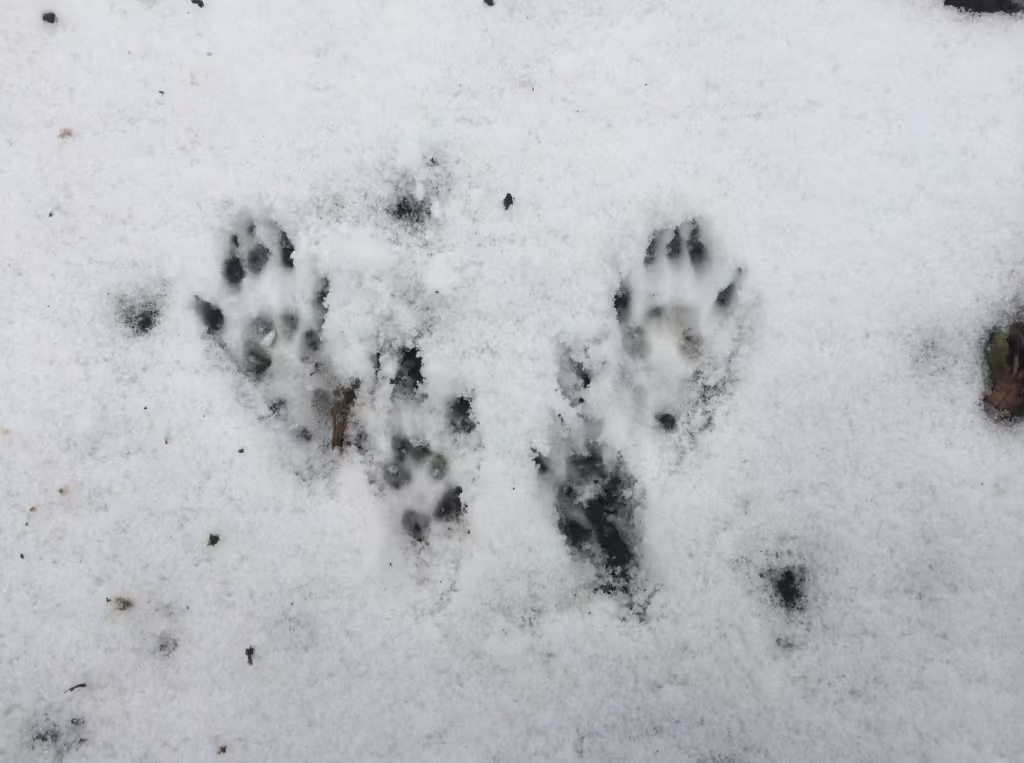
Measuring and documenting animal tracks is crucial for accurate identification. Start by using a measuring tape to determine the length and width of the track. Record the dimensions in a notebook for future reference. Take note of any distinct features such as claw marks, the shape of pads, and the number of toes. Additionally, capturing photographs from multiple angles provides a visual record that you can analyze later. Ensure you place an object, like a coin or a ruler, next to the track for scale in your photos.
Differentiating Between Similar Animal Prints
Animal tracks can often look alike, so learning to differentiate between them is essential. For example, bear tracks are quite large and have distinct claw marks. In contrast, bobcat prints are smaller, rounder, and lack claw marks because cats retract their claws when they walk. Coyote tracks, on the other hand, are elongated, narrow, and typically show an “X” shape between the pads. Familiarize yourself with these subtle differences to improve your tracking skills.
Observing Track Patterns and Animal Movement
Tracking isn’t just about individual prints; it’s also about observing track patterns and understanding animal movement. Pay attention to how tracks are spaced. For instance, coyotes often show a direct-registering pattern where the rear foot lands in the front track, creating a straight line. In contrast, bears may produce a more staggered pattern. Understanding these patterns helps in predicting the animal’s behavior and trajectory, offering deeper insights into their habits and routines.
Prime Tracking Locations
Best Trails for Wildlife Tracking in the Catskills
The Catskills offer numerous trails perfect for wildlife tracking, filled with various terrains and rich habitats. Some of the best trails include:
- Kaaterskill Rail Trail: Ideal for beginners due to its flat terrain and accessibility, this trail often reveals deer, rabbits, and even the occasional coyote tracks.
- Giant Ledge Trail: Known for its rocky outcrops and dense woods, it’s a prime spot for bobcat track enthusiasts.
- Overlook Mountain Trail: With its combination of open areas and forest, this trail is great for spotting diverse tracks, including bears in early winter.
Identifying Promising Tracking Environments
When it comes to identifying the best tracking environments, consider areas where animals are likely to feed, drink, or take shelter. Some key environments to target include:
- Riverbanks and Streams: Animals frequent these areas for water, leaving tracks along the soft, muddy edges.
- Dense Forests: Sheltered from wind and providing food sources, forests often have a variety of animal tracks.
- Open Meadows: During daylight, these areas can reveal tracks of animals crossing to find food or mates.
Seasonal Considerations for Different Locations
Seasonality plays a crucial role in wildlife tracking. Understanding how seasons affect animal behavior and movement can enhance your tracking experience:
- Early Winter: Right after the first major snowfall, tracks are freshest. Focus on trails like the Kaaterskill Rail Trail for an abundance of early animal activity.
- Mid-Winter: Animals establish routines and survival habits. Target areas near water sources and sheltered forest trails.
- Late Winter to Early Spring: As temperatures begin to rise, animals become more active. Trails such as the Giant Ledge Trail offer potential sightings of tracks as animals come out of hibernation or increase their foraging.
By understanding the best trails, identifying promising environments, and considering seasonal changes, you’ll maximize your chances of successful wildlife tracking in the Catskills.
For the next step in your tracking journey, learning responsible practices ensures a sustainable and respectful interaction with the wildlife.
Responsible Tracking Practices
Guidelines for Minimizing Impact on Wildlife
When tracking wildlife in the Catskills, it’s vital to minimize our impact on the animals and their habitats. Here are some essential guidelines:
- Stay on established trails to avoid disturbing animal habitats.
- Keep noise to a minimum to prevent startling wildlife.
- Observe animals from a distance. Use binoculars for a closer look without causing stress.
- Do not feed wildlife—this can alter their natural behaviors and dependence on humans.
Ethical Tracking Behavior and Wildlife Photography
Becoming an ethical wildlife tracker means respecting the animals and their home:
- Take only pictures, leave only footprints. Refrain from collecting natural items like antlers or feathers.
- Use a long lens for photography to maintain a safe distance from animals.
- Avoid using flash as it can disturb animals, especially at night.
- Be patient and quiet while observing to avoid altering the animals’ natural behaviors.
Respecting Protected Areas and Animal Habitats
Protected areas in the Catskills are crucial for wildlife conservation. Respect these areas by:
- Adhering to rules and guidelines set out by local authorities.
- Avoiding sensitive areas, such as nesting sites or den locations, to give animals the privacy they need.
- Educate yourself about the specific species and their habitat requirements to avoid unintentional harm.
By following these practices, you ensure a respectful and sustainable wildlife tracking experience, enriching your understanding and appreciation of the Catskills’ incredible biodiversity.