

Introduction to Classic American Motels and Cultural Heritage
Historical significance of motels in American travel culture
Motels have been an iconic part of American travel culture since the early 20th century. Originally designed to provide a place for motorists to rest during their long road trips, these establishments became synonymous with the freedom and adventure of the open road. By the 1950s, they were integral to the rise of vacation travel, offering affordable and convenient lodging to families exploring the country by car.
Evolution from simple lodging to cultural ambassadors
Over the decades, classic American motels have evolved from mere lodging options into cultural ambassadors. They now often reflect the local flavor and history of their locations. Patrons can see this through unique designs, regional motifs, and curated local experiences that motels offer. This transformation has allowed motels to serve not just as rest stops, but as windows into the local heritage and community values.
The emerging trend of local cultural integration
A growing trend in the motel industry is the integration of local culture. This is achieved through partnerships with local artisans, showcasing regional artworks, and incorporating local landmarks and history into the motel experience. By doing so, motels not only enhance their appeal but also contribute to preserving and promoting the cultural heritage of their regions. This trend is increasingly appreciated by travelers seeking authentic and immersive experiences.
These elements create a vibrant and enriching environment, setting the stage for deeper community connections.
Partnerships with Local Artisans
Displaying Local Artwork in Motel Rooms and Common Areas
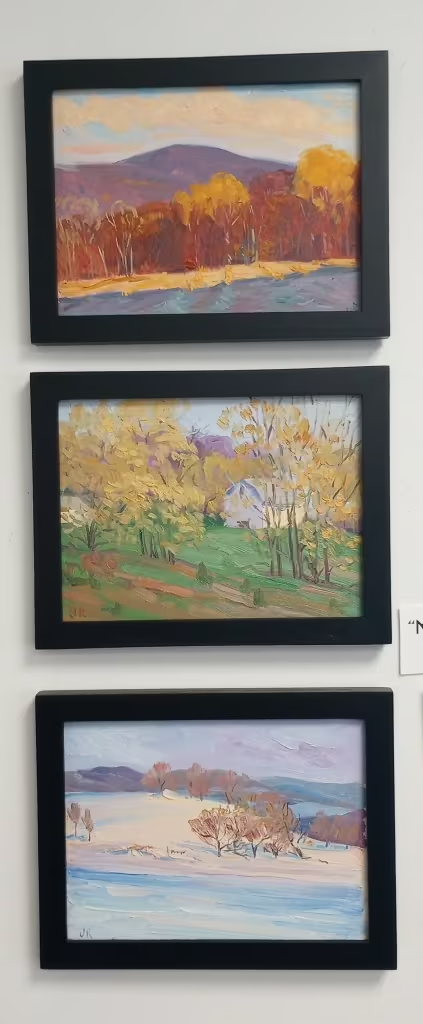
Classic American motels are reinventing themselves by exhibiting local artwork, both in rooms and common areas. Guests can now enjoy regional paintings, sculptures, and installations that offer a visual journey into the local culture. This enhances the overall ambiance and gives visitors a taste of the area’s artistic flavor. By displaying pieces from local artists, motels not only beautify their spaces but also support the local art community, creating a win-win for everyone involved.
Collaborating with Regional Craftspeople for Unique Furnishings and Decor
Motels are also teaming up with regional craftspeople to create one-of-a-kind furnishings and decor. These collaborations result in handcrafted furniture, textiles, and decorative items that reflect the local style and traditions. From intricately carved wooden bed frames to custom-made ceramic lamps, every detail adds to the authentic charm of the motel. This practice not only showcases the talent of regional artisans but also provides guests with a unique and memorable stay experience.
Supporting Community Events
Hosting Cultural Festivals and Local Celebrations
Classic American motels are becoming vibrant centers for community engagement by hosting cultural festivals and local celebrations. These events draw both residents and travelers to motels, enhancing the local cultural scene. Whether it’s music festivals, food fairs, or holiday celebrations, motels provide a unique venue that embodies the spirit of the region. Festival-goers can enjoy the local flavors and sounds, immersing themselves in the community’s cultural fabric.
Providing Space for Community Gatherings and Exhibitions
Motels are increasingly serving as communal hubs by offering their spaces for community gatherings and exhibitions. Their common areas and open spaces can be transformed into venues for art shows, book clubs, or town meetings. This approach not only supports local artists and organizers but also attracts a wider audience to the motel. By providing a platform for local talent and community activities, motels strengthen their ties with the surrounding area and foster a sense of belonging among guests and locals alike.
Promoting Regional Events to Motel Guests
To further integrate with the local culture, motels actively promote regional events to their guests. They often have bulletin boards filled with information about upcoming events, from farmer’s markets to theater performances. Some motels even offer ticket packages or shuttle services to popular local attractions, making it easier for guests to participate in and experience the local culture. This proactive approach ensures that guests can fully immerse themselves in the unique regional offerings during their stay.
By hosting and promoting these community events, motels cultivate meaningful connections with the local culture and enhance the overall guest experience.
Local Heritage Integration
Showcasing Local History Through Photographs and Artifacts
Integrating local history into the visual decor is another way motels connect guests with the region’s heritage. Common areas and guest rooms may exhibit historical photographs, vintage maps, and chronicles of local events. Displaying artifacts unique to the area’s history, such as mining tools in a former mining town or fishing equipment by a lakefront property, further solidifies this connection. This repository of local stories serves as a living museum, situating guests within the historical context of their travel destination. If space is an issue, the opportunity remains to showcase these elements on the motel’s website.
Offering Area-Specific Educational Materials to Guests
Motels are also keen on offering educational materials that highlight regional specifics, helping guests deepen their understanding of local culture. These can range from guided area maps with historical landmarks to brochures on local flora and fauna. Some motels partner with local historians or experts to create detailed pamphlets or even digital content accessible through the website, mobile apps, or in-room tablets. By providing these resources, motels enable their guests to explore and appreciate the cultural landscape at their leisure, enriching their travel experience.
Tying these elements together, motels become gateways to local heritage, turning an overnight stay into an educational journey. This focus on local heritage integration not only enhances the guest experience but also supports the preservation and celebration of regional cultures.
Balancing Culture and Affordability
Maintaining Competitive Pricing while Adding Cultural Value
Maintaining a balance between delivering cultural experiences and staying affordable is crucial for motels. One effective strategy is to focus on offering unique, localized decor elements and cultural aesthetics. By working with local artisans and suppliers, motels can secure distinctive furnishings and art at reduced costs, enhancing the guest experience without significantly increasing prices.
Leveraging Local Partnerships for Cost-Effective Improvements
Strong relationships with local businesses and craftspeople can also lead to mutually beneficial arrangements. For instance, local artists might provide artwork for display in exchange for exposure and promotion among the motel’s guests. Additionally, buying materials directly from regional suppliers can reduce transportation costs and support the local economy, further enhancing the motel’s cultural appeal while controlling expenditures.
Creating Sustainable Cultural Programs within Budget Constraints
Sustainability in cultural programs involves careful planning and community engagement. Hosting small-scale cultural events or educational activities can be both enriching and economical. Motels can partner with local cultural bodies or educational institutions to curate and deliver these experiences. Such collaborations not only bring authenticity to the cultural programming but also help distribute costs, ensuring long-term viability and affordability.
These initiatives allow motels to provide enhanced cultural value to their guests without compromising their primary function as affordable lodging. By creatively integrating local culture in cost-effective ways, motels can enrich their offerings and build stronger connections with the communities they serve.
Future of Cultural Integration in Motels
Emerging Trends in Motel-Community Partnerships
Motels are increasingly partnering with local communities to create immersive cultural experiences. By engaging with local tourism boards, historical societies, and local influencers, motels can provide unique offerings that reflect regional heritage. This trend not only enhances the guest experience but also supports local economies. Programs like “Stay and Play” packages that include museum tickets, guided tours, or participation in local festivals are becoming popular. These collaborations ensure that guests experience the culture first-hand, fostering a deeper connection with the area.
Potential for Expanded Cultural Programming
The potential for expanded cultural programming is vast. Motels can offer educational workshops on local traditions, cooking classes featuring regional cuisine, and interactive craft sessions with local artisans. By tapping into the rich cultural fabric of their surroundings, motels can provide guests with memorable and educational experiences. Additionally, motels can host regular cultural nights where local musicians, storytellers, and performers share their craft. These events not only attract overnight guests but also the local community, creating a vibrant cultural hub.
Role of Technology in Enhancing Cultural Experiences
Technology is playing an increasingly significant role in enriching cultural experiences at motels. Virtual reality (VR) tours of local sites, augmented reality (AR) displays that bring historical artifacts to life, and app-based guides that offer personalized cultural itineraries are some examples. These technological advancements provide guests with a deeper understanding of the area’s cultural landscape. Moreover, motels can use social media platforms to promote upcoming cultural events and share guest experiences, thereby extending the cultural narrative beyond the stay.
By integrating these elements, motels are becoming more than just places to sleep—they are turning into gateways to rich cultural experiences that educate and delight guests.