
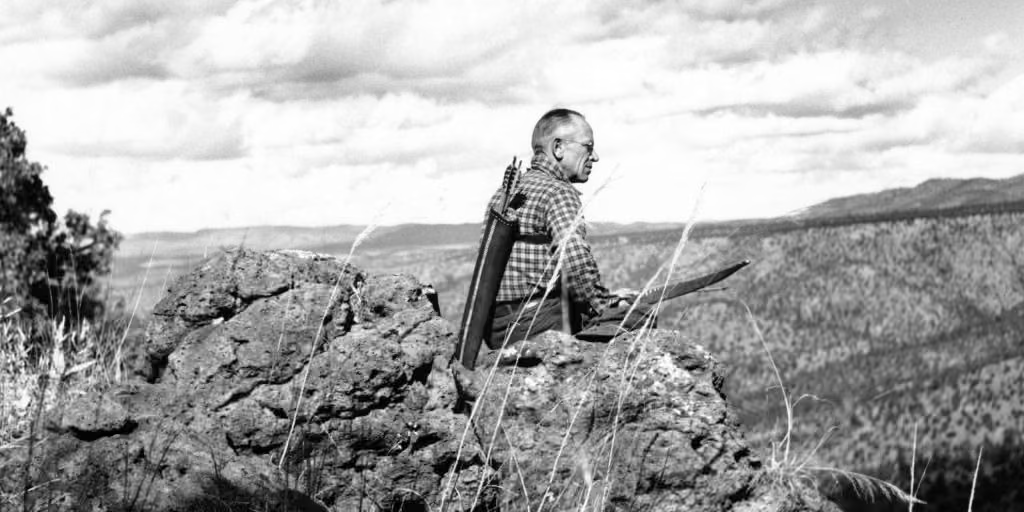
With the beginning of the hunting season, throughout the Catskills and Northeast, PA hunters drive a new wave of eco-tourism as the temperatures drop heading into late November. Hunters play a crucial role in habitat maintenance through their financial contributions, direct involvement in conservation projects, population management efforts, advocacy for land protection, and participation in educational initiatives. Their involvement helps ensure the long-term health and sustainability of wildlife habitats.
Many founding conservationists incorporated the crucial role of hunting in their core principles, including Aldo Leopold, whose ideas we explore below.
Aldo Leopold’s Early Life and Influences
Experiences as a Forest Ranger that Shaped His Conservation Philosophy
Leopold’s career as a forest ranger was crucial in forming his conservation ideals. His first assignment was in the Apache National Forest in Arizona and New Mexico. Here, he witnessed firsthand the impacts of overgrazing, deforestation, and unmanaged wildlife populations. These observations led him to question the conventional practices of natural resource management. Leopold started considering new methods focusing on the ecological health of entire landscapes rather than just individual components.
Early Observations of Ecological Degradation that Influenced His Thinking
Leopold’s time as a ranger allowed him to see ecological degradation up close. He noticed how indiscriminate hunting and land mismanagement were leading to dwindling wildlife populations and deteriorating habitats. These experiences deeply influenced his thinking and became the bedrock for his land ethic philosophy. By observing the interconnectedness of wildlife, plants, and land, Leopold began advocating for a more holistic approach to conservation, where each element of the ecosystem was considered vital to the overall health of the environment.
Next, we will delve into the core principles of Leopold’s land ethic philosophy and how it evolved from traditional game management to a broader ecosystem-based perspective.
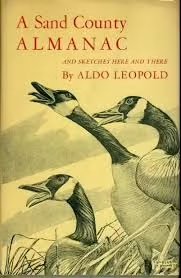
The Sand County Almanac, available in the Upper Delaware Inn Tiny Lending Library
Development of the Land Ethic
Core Principles of Leopold’s Land Ethic Philosophy
Aldo Leopold’s land ethic was revolutionary in its approach, articulating a fundamental shift in how humanity interacts with the natural world. The cornerstone of his philosophy is the idea of respecting the intrinsic value of all elements within an ecosystem. Leopold argued that ethical behavior should not be confined to human interactions but should extend to the land, including soil, water, plants, and animals.
Leopold’s ethical framework emphasizes that a thing is right “when it tends to preserve the integrity, stability, and beauty of the biotic community” and is wrong otherwise. This principle underscores the importance of maintaining the health and balance of entire ecosystems rather than focusing on individual species or resources.
The Concept of Viewing Land as a Community
Leopold challenged the traditional view of land as a commodity to be exploited. Instead, he proposed seeing land as a community to which we belong. This perspective requires a profound respect for the interconnectedness of all living things and emphasizes our role as stewards of the natural world. It calls for humans to act responsibly, understanding that our actions profoundly impact the entire community of life.
Evolution from Traditional Game Management to Ecosystem-Based Thinking
Leopold’s views evolved from conventional practices focused on maximizing the productivity of game species for hunting to a more holistic, ecosystem-based approach. He recognized that preserving biodiversity and ecosystem health was critical for the sustainability of all species, including humans.
Leopold’s land ethic extended beyond mere conservation; it encompassed a vision of harmony between people and the natural world. This philosophy laid the groundwork for modern conservation efforts that aim to balance ecological integrity with human needs. Embracing his land ethic means cultivating a deep appreciation for the natural world and our place within it, fostering a sustainable and ethical relationship with our environment.
Next, we’ll explore how Leopold’s principles paved the way for ethical hunting practices and the role of hunters in maintaining ecological balance.
Ethical Hunting Framework
Aldo Leopold’s concept of ethical hunting intertwined with his land ethic philosophy. It was not merely about the act of hunting but about fostering a respectful and sustainable relationship with the ecosystem. For Leopold, ethical hunting involved recognizing the intrinsic value of wildlife and land, and treating them as members of a community rather than merely resources. This shift in perspective laid the groundwork for sustainable wildlife management.
Leopold’s Definition of Ethical Hunting
Leopold defined ethical hunting as engaging in practices that promote ecological balance and biodiversity. Ethical hunting respects the interconnectedness of all species and emphasizes the importance of maintaining healthy populations. Unlike traditional hunting, which might prioritize game species over others, Leopold’s approach considered the broader ecological implications of hunting. This meant hunters should be knowledgeable about the environment and exercise restraint to prevent overexploitation.
The Role of Hunters as Stewards
Hunters, in Leopold’s view, were not just participants in nature but stewards of it. This stewardship role meant that hunters had a responsibility to ensure that their activities did not disrupt the intricate balance of the ecosystem. By understanding and respecting the natural cycles, hunters could contribute positively to conservation efforts. Ethical hunters practiced moderation, ensuring that their actions supported population stability and habitat preservation.
Principles of Sustainable Wildlife Management
Implementing Leopold’s ethical hunting framework involves several key principles:
- Sustainable Harvest: Only take what the population can replenish. This avoids depleting resources and supports long-term ecological health.
- Habitat Preservation: Protect and restore habitats to support diverse wildlife populations. This reinforces the need for hunters to contribute to habitat conservation efforts.
- Biodiversity Support: Recognize and protect the interdependence of species within the ecosystem. Ethical hunting practices should aim to maintain or enhance biodiversity, ensuring all species are respected.
- Education and Awareness: Hunters should continually educate themselves about ecological principles and the specific needs of the environments they interact with. This knowledge empowers them to make informed and ethical decisions in the field.
These principles of ethical hunting not only support conservation but also foster a deeper connection between hunters and the natural world. Through these practices, hunters can play a vital role in maintaining ecological balance and promoting biodiversity.
The wide-reaching impact of Leopold’s principles can be seen in modern wildlife management practices, ensuring we value and protect the natural world for future generations.
Impact on Modern Conservation
Influence on Contemporary Wildlife Management Practices
Aldo Leopold’s pioneering ideas have profoundly influenced contemporary wildlife management practices. His land ethic philosophy, which emphasizes the interconnectedness of ecosystems and the moral responsibility to protect them, laid the groundwork for modern conservation efforts. Today, wildlife managers use Leopold’s principles to balance the needs of wildlife with the preservation of their habitats. This approach helps maintain ecological stability and biodiversity, ensuring that various species thrive in their natural environments.
Contribution to the Development of Scientific Game Management
Leopold’s contributions to scientific game management are invaluable. He advocated for a shift from exploitation-focused hunting to a more scientific and sustainable approach. By emphasizing the importance of using data and scientific research to guide hunting and wildlife management, Leopold helped shape policies that prioritize long-term ecological health. His work inspired the development of methodologies to monitor wildlife populations, assess habitat conditions, and implement adaptive management strategies. This scientific rigor is now a cornerstone of effective wildlife management practices worldwide.
Integration of Leopold’s Principles in Current Hunting Regulations
Leopold’s ethical framework has also been integrated into current hunting regulations. Policies now commonly reflect his ideas of ethical hunting, which include:
- Sustainable harvest limits to prevent overhunting
- Habitat preservation efforts to ensure healthy wildlife populations
- Encouragement of hunter education programs to promote ethical behavior and conservation awareness
These regulations, influenced by Leopold’s philosophy, ensure that hunting practices contribute positively to wildlife management and conservation goals. Hunters are now seen as key partners in conservation, playing a crucial role in maintaining ecological balance and fostering a deep connection with nature.
Connection to Eco-tourism
Aldo Leopold’s philosophy has profoundly influenced modern eco-tourism, embedding sustainable practices into the industry’s core. By translating Leopold’s land ethic into actionable principles, eco-tourism aims to balance recreational activities with ecosystem preservation.
Translation of Leopold’s Ethics into Sustainable Tourism Practices
Leopold’s concept of viewing land as a community rather than a commodity serves as a foundation for sustainable tourism. Here are a few ways this is put into practice:
- Responsible Resource Use: Eco-tourism emphasizes utilizing natural resources in ways that do not harm the ecosystem. This often includes limiting visitor numbers to prevent overuse and implementing guidelines that minimize environmental impact.
- Education and Awareness: Educating tourists about the local ecosystem and conservation efforts helps foster a deeper connection and respect for natural habitats. It ensures that visitors understand their role in preserving the spaces they enjoy.
- Local Community Involvement: By involving local communities in tourism efforts, eco-tourism supports economic sustainability while promoting stewardship and pride in maintaining the natural environment.
Balancing Recreational Use with Ecosystem Preservation
Eco-tourism strives to find the sweet spot between offering enjoyable experiences and preserving the ecosystem. This balance is maintained through:
- Sustainable Infrastructure: Developing visitor facilities using eco-friendly methods and materials helps reduce the environmental footprint. Trails, lodges, and campsites are designed with minimal impact and maximum benefit to the visitor experience.
- Monitoring and Regulation: Constantly monitoring environmental conditions ensures that tourism does not degrade natural habitats. Adjusting practices based on real-time data helps maintain ecological health.
- Promoting Low-Impact Activities: Encouraging activities like bird watching, photography, and guided nature walks instead of high-impact recreational pursuits helps protect delicate ecosystems.
Modern Applications of the Land Ethic in Wildlife Tourism
Leopold’s land ethic continues to inform wildlife tourism, emphasizing ethical interactions with wildlife. Some key principles include:
- Non-Invasive Viewing: Wildlife tourism often incorporates non-invasive viewing methods, such as binoculars and guided tours, ensuring animals are observed without disturbing their natural behaviors.
- Supporting Conservation Projects: Many eco-tourism operations contribute a portion of their revenue to local conservation projects, directly supporting the protection and restoration of habitats and species.
- Eco-Certification Programs: These programs ensure that tourism operators adhere to stringent environmental and ethical standards. Certification helps tourists make informed choices about the sustainability of their travel experiences.
Leopold’s principles have thus become integral to modern eco-tourism, highlighting the importance of ethical and sustainable practices. As we delve deeper into the legacy and contemporary relevance of Leopold’s work, we see the enduring impact of his vision on today’s environmental ethics and conservation efforts.
Legacy and Contemporary Relevance
Ongoing Influence on Environmental Ethics and Conservation
Aldo Leopold’s land ethic has left an indelible mark on modern environmental ethics and conservation practices. His vision of viewing the land as a community has fostered a sense of moral responsibility towards nature. Today, environmentalists and conservationists echo Leopold’s principles in their advocacy for preserving natural habitats and promoting biodiversity. His philosophy is embedded in the ethos of many environmental organizations, motivating efforts to protect ecosystems and ensure the sustainable use of natural resources.
Application of Leopold’s Principles in Current Biodiversity Challenges
Leopold’s principles are incredibly relevant in facing today’s biodiversity challenges. As the world witnesses unprecedented rates of species extinction and habitat loss, Leopold’s call for a holistic approach to conservation resonates more than ever. This approach prioritizes ecosystem health and biological diversity over short-term economic gains. Conservation strategies now incorporate measures like habitat restoration, the establishment of wildlife corridors, and the protection of endangered species, aligning closely with Leopold’s ideology.
Relevance to Modern Sustainable Hunting Practices
Leopold’s ideas also significantly influence modern sustainable hunting practices. Ethical hunting, as defined by Leopold, involves respecting the balance of nature and understanding the intricate relationships within ecosystems. Hunters today are often seen as stewards of the environment, participating in conservation efforts through regulated hunting that supports population control and habitat management. Sustainable hunting adheres to principles such as limiting harvest to avoid over-exploitation, ensuring species have adequate habitat, and contributing to conservation initiatives.
In recognizing hunters as key figures in conservation, Leopold’s legacy continues to inform contemporary practices, emphasizing a balanced and respectful relationship with nature.
______



