
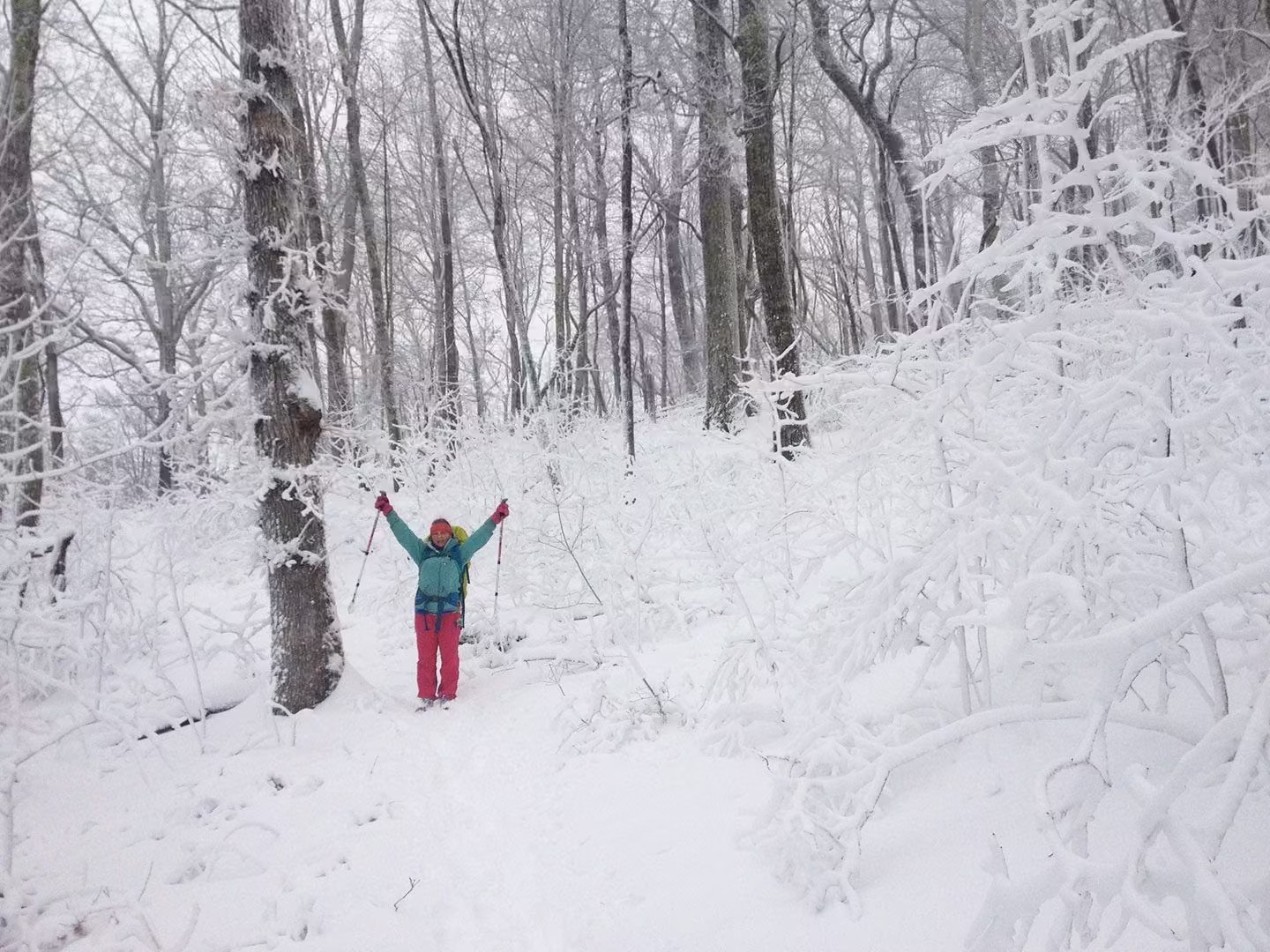
Introduction to Winter Hiking in the Catskills
Overview of the Catskills Region and its Winter Landscape
Nestled in southeastern New York State, the Catskills are a hiker’s paradise all year round. When winter arrives, it transforms the rugged landscapes into a tranquil snow-covered wonderland. With sprawling forests, frozen waterfalls, and snow-draped peaks, the region offers an unparalleled winter hiking experience. The mountains here are characterized by their dense woods, rocky paths, and panoramic vistas that provide stunning backdrops for adventurers.
Best Times for Winter Hiking (December through March)
The prime season for winter hiking in the Catskills spans from December through March. During these months, the trails are typically blanketed with snow, and temperatures range from chilly to downright frigid. Early winter can bring in the first layers of snow and fairly mild conditions, making it an excellent time for those new to winter hiking. By mid-January, the snowpack is often established, and experienced hikers can revel in more challenging conditions. March offers longer daylight hours and the beginning of snowmelt, though trails can be icy.
General Characteristics of Catskills Winter Trails
Winter trails in the Catskills are known for their scenic beauty and a mix of challenges. They vary in difficulty from brisk, tree-lined paths to rigorous climbs with high elevation gains. Commonly, trails are marked but can be obscured by snowfall. While the terrain can be unpredictable with snow and ice, hikers are rewarded with clear, crisp air and often pristine, undisturbed snow. Proper preparation, including wearing appropriate gear and checking weather conditions, is crucial for safely enjoying these gorgeous but demanding trails.
Transitioning into the next section, we’ll dive into the essential winter hiking preparation to ensure a safe and enjoyable experience in this winter wonderland.
Essential Winter Hiking Preparation
Winter hiking in the Catskills requires careful preparation to ensure safety and enjoyment. Here’s everything you need to know to get ready for your winter adventure:
Required Winter Hiking Gear and Clothing
Dressing appropriately is crucial for winter hiking. Layering is your best strategy:
- Base layer: Moisture-wicking fabric to keep you dry.
- Mid-layer: Insulating material like fleece or down.
- Outer layer: Waterproof and windproof shell to protect against the elements.
Don’t forget these essentials:
- Hiking boots: Waterproof and insulated for warmth and traction.
- Gaiters: To keep snow out of your boots.
- Gloves and hat: Essential for keeping extremities warm.
- Socks: Wool or synthetic blends are best for warmth and moisture control.
- Backpack: To carry extra layers, food, water, and safety equipment.
Weather Monitoring and Trail Condition Checks
Before you head out, check the weather forecast and trail conditions. The Catskills can experience rapidly changing weather, which can affect your hike significantly. Reliable websites for weather updates and trail reports include:
Snow and ice add to the challenge, so consider the use of:
- Microspikes or crampons: For better traction on icy trails.
- Trekking poles: To help with balance and stability.
Safety Precautions and Emergency Preparedness
Safety should be your priority. Here are some key precautions:
- Hike with a group: There’s safety in numbers.
- Tell someone your plans: Share your itinerary with a friend or family member.
- Bring a map and compass: Don’t rely solely on your phone’s GPS.
- Carry extra supplies: Including high-energy snacks, water, and a first-aid kit.
Additionally, be prepared for emergencies:
- Emergency blanket: Lightweight and essential for warmth if you get stranded.
- Whistle: To signal for help.
- Portable charger: To keep your phone powered for emergency calls.
Success in winter hiking comes with preparation, so follow these guidelines to enjoy the snowy trails while staying safe.

View from Giant’s Ledge in winter.
Giant Ledge Trail
Trail Difficulty and Length Details
The Giant Ledge Trail is a moderately difficult hike, especially in winter. The trail is approximately 3.2 miles round trip, with an elevation gain of around 1,000 feet. While the length might seem manageable, the snow and ice can significantly increase the difficulty. The terrain includes rocky sections and some steep ascents, requiring extra caution and proper gear.
Key Viewpoints and Winter Scenic Highlights
One of the main attractions of the Giant Ledge Trail is its breathtaking viewpoints. In winter, the trail offers stunning panoramas of the Catskills mountains, beautifully blanketed in snow. Along the path, you will encounter several ledges that provide perfect spots for taking in the winter landscape. The first ledge, reached after about 1.5 miles, is a popular spot for its expansive views of the surrounding peaks and valleys.
Specific Winter Challenges and Considerations
Winter hiking on the Giant Ledge Trail comes with its unique set of challenges. Icy patches and deep snow can make the rocky trail particularly slippery and harder to navigate. Therefore, microspikes or crampons are highly recommended for better traction. Additionally, the trail can be less visible under thick snow, making navigation more challenging. Always start your hike early in the day to avoid being caught out in the dark and carry a reliable map and GPS.
As temperatures drop, staying warm is crucial. Wear layers and ensure you have waterproof clothing to stay dry. Also, be prepared for strong winds at the exposed ledges, which can make the cold feel even more intense.
Remember, preparation is key to a successful and enjoyable winter hike on the Giant Ledge Trail.
Overlook Mountain Trail
Trail Description and Elevation Gain
The Overlook Mountain Trail is a moderately challenging yet rewarding hike in the Catskills, stretching a total distance of 4.6 miles round trip with an elevation gain of approximately 1,400 feet. This well-traveled path offers a steady ascent, making it accessible to hikers who are prepared for a rigorous uphill trek.
Historic Fire Tower and Hotel Ruins
One of the main attractions on the Overlook Mountain Trail is the historic fire tower that provides breathtaking, panoramic views of the surrounding Catskills and the Hudson Valley. The fire tower, a relic of a bygone era, offers a unique vantage point for winter scenery that is both serene and stunning. Adjacent to the fire tower lies the ruins of the Overlook Mountain House, a once lavish hotel that now stands as a hauntingly beautiful reminder of the past. Explorers often find the snow-blanketed ruins particularly enchanting, adding an element of mystical beauty to the winter landscape.
Winter Parking and Access Information
Winter parking for the Overlook Mountain Trail can be somewhat challenging due to snow and ice. The designated parking area is located at the trailhead on Meads Mountain Road in Woodstock. It is crucial to check road conditions beforehand, as the parking area can become inaccessible due to heavy snow. In some cases, finding a safe place to park further down the road may be necessary. Be sure to follow all signage and local regulations to avoid any issues.
As you prepare for your winter adventure on the Overlook Mountain Trail, remember to embrace the journey’s unique seasonal demands and opportunities for breathtaking views.
Artist’s Rock Trail Loop
Route Description and Notable Features
Artist’s Rock Trail Loop is a scenic 3.1-mile loop trail that meanders through the picturesque forests of the Catskills. The trail offers a moderate challenge, featuring a 459-foot elevation gain that is achievable even in winter. As you journey through the trail, expect to traverse rocky terrain and serene woodlands, with snow-dusted trees creating a magical winter wonderland. This trail is popular among nature enthusiasts due to its diverse landscape and the tranquility it offers.
Panoramic Views of Hudson Valley
One of the main highlights of the Artist’s Rock Trail Loop is the breathtaking panoramic views of the Hudson Valley. At the summit, you’ll be rewarded with sweeping vistas that stretch across the rolling hills and wintry landscapes. The views are especially stunning after a fresh snowfall, with the valley blanketed in white and the crisp winter air providing clear visibility. Don’t forget to bring your camera to capture the winter’s serene beauty.
Winter-Specific Trail Markers and Navigation
Navigating the Artist’s Rock Trail Loop in winter requires attention to trail markers and signs. The trail markers are often color-coded but can be partially obscured by snow or ice. Pay close attention to these markers to ensure you stay on the correct path. It’s also wise to have a map of the trail and a GPS device for backup. Additionally, keep an eye out for trail junctions and landmarks that can help you navigate your way safely through the loop.
Equipped with the knowledge of the route, scenic highlights, and navigation tips, you can embark on this captivating winter hike with confidence.
Winter Trail Safety and Etiquette
Leave No Trace Principles in Winter Conditions
Winter hiking in the Catskills invokes a greater need to follow Leave No Trace principles. Snow and ice conceal much of the trail and surroundings, making it critical to minimize your impact. Here are some key principles:
- Plan Ahead and Prepare: Make sure you have all necessary equipment, including a map, compass, and snow-specific gear.
- Travel and Camp on Durable Surfaces: With trails covered in snow, stick to the marked path and avoid trampling on potential delicate vegetation hidden beneath.
- Dispose of Waste Properly: Carry all trash out, including food scraps and biodegradable items. Snow does not decompose waste.
- Leave What You Find: Respect the natural environment. Leave rocks, plants, and other natural objects as you find them.
- Minimize Campfire Impact: Use a stove or fire pan for cooking instead of building fire pits, which can linger as permanent scars.
Group Hiking Recommendations
Hiking in groups is a sage strategy for winter escapades. Not only does it boost safety, but it also enriches the experience. Here’s how to manage group hiking responsibly:
- Maintain Group Cohesion: Ensure everyone hikes within sight and sound of each other.
- Adapt to the Slowest Member: Set a pace that suits everyone’s fitness level to avoid stranding anyone.
- Communication is Key: Equip each member with basic communication tools like whistles or radios, especially if the group must split.
Emergency Contact Information and Resources
Being prepared for emergencies is non-negotiable in winter hiking. Here are some essential resources:
- Emergency Contacts: Always have a list of emergency numbers, including local forest services and ranger stations.
- Personal Emergency Devices: Carry a Personal Locator Beacon (PLB) or a satellite messenger for crucial emergency communication when cell service is unavailable.
- First Aid Kit: Equip a comprehensive first aid kit tailored for cold injuries like frostbite and hypothermia.
While winter hiking in the Catskills offers stunning experiences, it’s essential to respect the environment and prioritize safety for a memorable adventure.
______



