
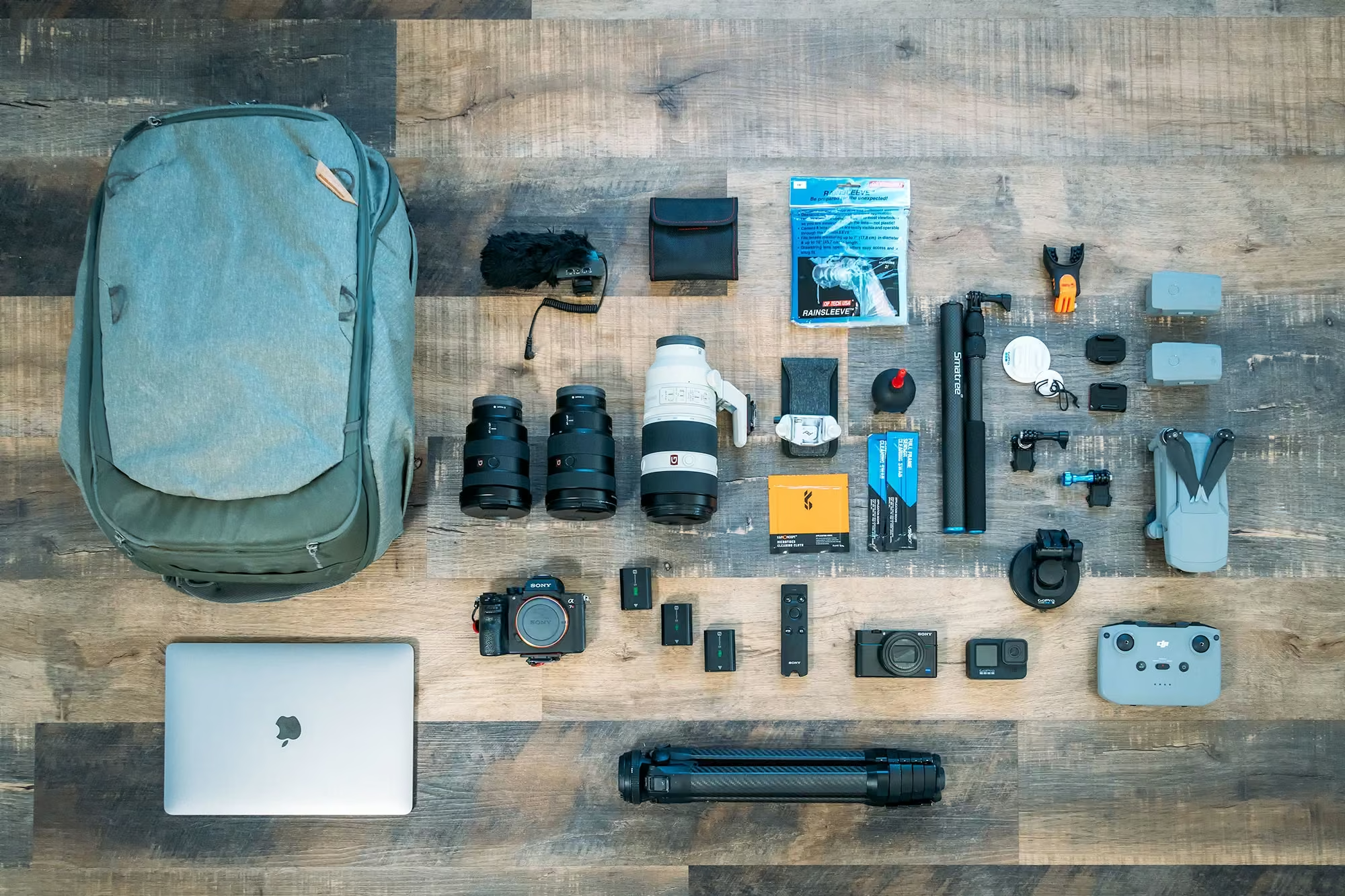
Essential Camera Equipment for Winter
Weather-Sealed Camera Bodies and Their Importance in Cold Conditions
When venturing into winter wonderlands, having a weather-sealed camera body is crucial. These bodies offer protection against snow, rain, and humidity, ensuring that internal components remain safe from moisture damage. This is particularly important in cold conditions, where condensation can wreak havoc on sensitive electronics. Weather-sealing helps prevent interruptions in your shoot caused by sudden snow flurries or unexpected drizzles, allowing you to focus on capturing that perfect winter shot.
Best Lens Choices for Winter Photography
When it comes to winter photography, having the right lens can make all the difference. There are two primary choices:
- Wide-Angle Lenses: Perfect for capturing expansive snowy landscapes and frosty panoramas. These lenses allow you to take in a broader scene, making them ideal for creating dramatic, immersive photos.
- Telephoto Lenses: Great for wildlife and distant subjects. Whether you’re capturing an elk grazing in a snowy meadow or detailing frost-laden trees, telephoto lenses help you bring far-off subjects into clear, sharp focus.
Choosing lenses with weather-sealing similar to your camera body ensures consistent performance and protection from the elements.
Backup Batteries and Their Reduced Performance in Cold Weather
Cold weather can significantly reduce the performance and lifespan of camera batteries. It’s essential to carry multiple fully-charged backup batteries during your winter shoots. Storing batteries in an inner pocket close to your body helps keep them warm and prolongs their charge. Also, consider investing in a battery holder or warmer to maintain optimal battery performance during longer shoots. Remember, a well-prepared photographer is always ready to swap out a battery to keep the session going strong.
Transiting into cold weather protection for your gear, these essential components will help to ensure your equipment remains operational and protected throughout your winter adventures.
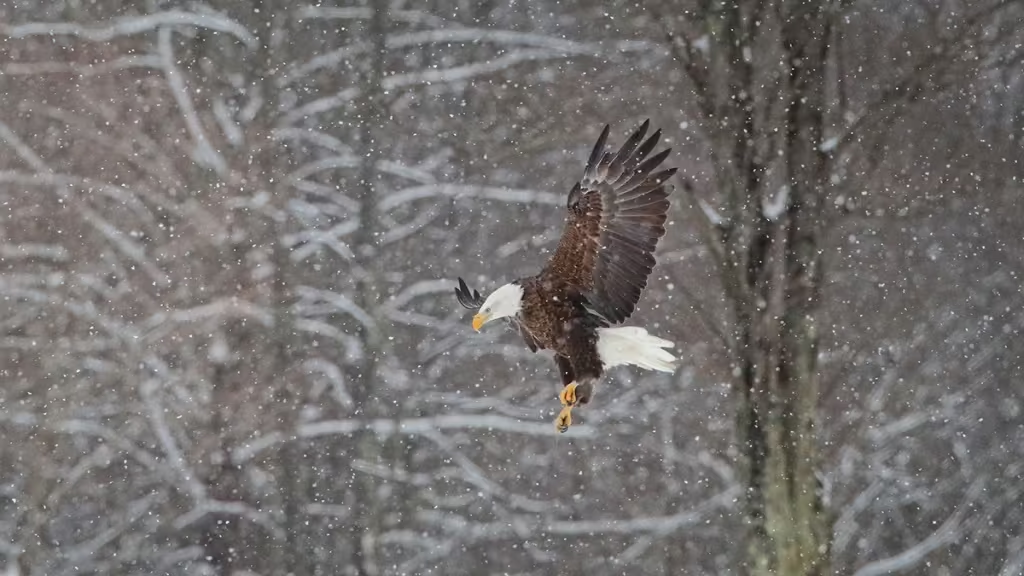
Cold Weather Protection for Gear
Camera Rain Covers and Protective Cases
When shooting in winter, camera rain covers and protective cases are essential. These covers shield your gear from snow, sleet, and ice, ensuring it stays dry and functional. Look for covers that fit snugly over your camera and lens, providing easy access to controls without sacrificing protection. Additionally, hard protective cases can safeguard against physical damage when traveling through rough terrain.
Lens Warming Solutions to Prevent Fogging
Fogging is a common problem in cold weather, occurring when warm, moist air meets cold surfaces. To prevent this, consider using lens warming solutions such as portable lens heaters or chemical hand warmers attached to the lens. These solutions maintain a steady temperature, preventing condensation from forming on the glass and ruining your shots.
Moisture-Absorbing Silica Gel Packets and Their Proper Usage
Moisture can be detrimental to camera gear, leading to mold, corrosion, and other issues. Silica gel packets are excellent for absorbing excess moisture. Toss a few packets into your camera bag or protective case to keep the environment dry. Remember to “recharge” these packets by drying them out in an oven periodically, ensuring they remain effective.
Stability and Support Equipment
All-Weather Tripods with Proper Feet for Snow and Ice
Navigating the challenges of winter photography means having a tripod that can handle snow and ice. All-weather tripods are specifically designed to withstand cold temperatures and provide stable support. Look for tripods with spiked or adjustable feet that can dig into the snow, giving you extra stability. These tripods are usually made of materials like carbon fiber, which are lightweight and resistant to the cold.
Remote Shutter Releases to Minimize Camera Shake
Winter conditions can make using a camera shutter manually challenging due to the need to wear gloves or deal with the cold. Remote shutter releases solve this issue by allowing you to snap photos without touching your camera. This minimizes camera shake, especially important for long exposure shots that winter landscapes often require. They’re easy to use and come in both wired and wireless options.
Tripod Maintenance in Winter Conditions
Cold weather can be tough on tripods, so proper maintenance is crucial. After each shoot, take the time to clean your tripod, removing any snow, ice, or moisture. This prevents rusting and ensures that moving parts don’t freeze or become stuck. Periodically lubricate the joints and check for any signs of wear and tear, making sure your tripod is always ready for the next winter adventure.
Transitioning from winter photography challenges to logistical aspects can enhance your overall shooting experience.
Lighting Equipment for Winter Shoots
Weather-Resistant Flash Units and LED Panels
When the sun sets early and the winter days are short, having reliable lighting equipment is crucial. Weather-resistant flash units and LED panels are designed to withstand cold and wet conditions, ensuring your shots remain well-lit even in harsh environments. These units come with seals and protective coatings that prevent moisture and snow from damaging electrical components.
Light Modifiers Suitable for Snow Conditions
Snow-covered landscapes can reflect light in surprising ways, creating both challenges and opportunities for photographers. Using light modifiers like diffusers and reflectors helps control the light and manage harsh shadows. Choose materials that are sturdy and resistant to weather conditions, such as flexible, waterproof fabrics, to keep them functional and durable during winter shoots.
Portable Power Solutions for Lighting Equipment
Cold weather can drain batteries much faster than usual, making portable power solutions indispensable. Invest in high-capacity power banks or battery packs designed for cold temperatures. Keep these power solutions insulated and close to your body when not in use to maintain their performance. This precaution ensures you have ample power to keep your lighting equipment running throughout your shoot.
Winter photography demands gear that can handle tough conditions while delivering top-notch performance. With the right lighting equipment, your snowy landscapes and winter scenes will truly shine.
Transportation and Storage Solutions
Weatherproof Camera Bags and Backpacks
When heading out for winter photography, a reliable weatherproof camera bag or backpack is indispensable. These bags are designed to withstand snow, rain, and sleet, keeping your valuable gear dry and protected. Look for features like water-resistant zippers, sealed seams, and durable outer materials that can endure harsh conditions. Brands such as Lowepro and Think Tank are well-known for their robust, weatherproof camera bags. Additionally, compartments should be well-padded to shield your equipment from shocks and drops.
Insulated Gear Storage Solutions
Just as important as a weatherproof bag is insulated storage for your gear. Insulated compartments help maintain a stable temperature for your camera and lenses, preventing damage from extreme cold. Some camera bags come with removable insulated inserts, while others have built-in insulated sections. These storage solutions are essential for protecting electronics and preventing battery drain caused by freezing temperatures. Ensuring that your gear stays warm during transportation can drastically improve its performance and longevity.
Proper Techniques for Transitioning Gear Between Temperatures
Cold weather often means constantly moving between indoor and outdoor environments, each with significantly different temperatures. This can cause condensation to form on your equipment, potentially damaging sensitive components. To avoid this, use the following techniques:
- Gradual Transition: Don’t bring your camera directly from the cold into a warm room. Instead, place your gear in a sealed plastic bag before entering the warmer area. Allow it to slowly acclimate to the new temperature before unpacking.
- Silica Gel Packets: Store moisture-absorbing silica gel packets inside your camera bag to combat condensation. These packets absorb excess humidity, protecting your equipment from moisture damage.
Using these practices ensures your equipment remains in top shape, ready for your next outdoor adventure.
Next, we’ll explore essential personal comfort and safety gear to ensure you stay warm and safe during your winter shoots.
Personal Comfort and Safety Gear
Winter photography can be a rewarding experience, but it also presents unique challenges. Ensuring your personal comfort and safety is crucial to a successful outing.
Photography-Specific Winter Gloves and Hand Warmers
Cold weather can be brutal on your hands, making it difficult to adjust settings or even press the shutter. Invest in photography-specific winter gloves that offer both warmth and dexterity. These gloves typically feature thin, yet insulating materials and often have touch-screen compatible tips.
Hand warmers are another must-have item. They can be slipped into your gloves or pockets to provide additional warmth. Brands like HotHands offer disposable hand warmers that can provide warmth for up to 10 hours, helping to keep your extremities functional during long shoots.
Appropriate Clothing Layers for Extended Outdoor Shoots
Layering your clothing is critical when spending extended periods outdoors. Start with a moisture-wicking base layer to keep sweat away from your skin. Add an insulating layer, such as a fleece or down jacket, to trap heat. Finally, wear a waterproof, windproof outer layer to shield you from the elements.
Key areas to focus on include your head, hands, and feet. A thermal hat, insulated gloves, and wool socks can make a significant difference in comfort and endurance.
Emergency Supplies for Winter Photography Adventures
Always be prepared for emergencies when venturing out in winter conditions. Essential supplies include:
- A fully charged phone and portable charger
- A map and compass
- An emergency blanket or bivy
- Extra food and water
- A first aid kit
- A multi-tool
These items can help you navigate unexpected situations and ensure your safety until help arrives.
Ensuring your gear remains functional and stable in cold conditions is essential for capturing those perfect winter shots.



