
Introduction to Winter Car Safety
Importance of Being Prepared for Winter Driving Emergencies
The Upper Delaware Inn in Hancock, New York is located close to Exit 87 of Route 17. Each month we host guests whose journey has been interrupted by a vehicle breakdown. The challenges of a breakdown along the highway increase dramatically during the winter months. Driving in winter can be challenging. Snow, ice, and freezing temperatures can turn a simple trip into a risky adventure. Being prepared for winter driving emergencies isn’t just a good idea—it’s vital. A sudden snowstorm can leave you stranded for hours, and a properly stocked emergency kit can make a huge difference. It’s about ensuring you have the essentials to deal with anything that comes your way.
Understanding the Risks of Winter Travel
Winter travel comes with a unique set of hazards. Ice and snow reduce tire traction, making it easier to lose control of your vehicle. Visibility can drop suddenly due to snow or fog, and mechanical failures are more common in cold temperatures. Moreover, if you get stranded, the cold can quickly become life-threatening. Understanding these risks helps emphasize why preparedness is not just recommended but necessary.
Benefits of Maintaining a Well-Stocked Survival Kit
A well-stocked survival kit is your insurance policy against winter’s unpredictabilities. It provides immediate access to tools and supplies that can help you get back on the road or stay safe until help arrives. Essential items like food, water, and warm clothing ensure you can survive in the harshest conditions. Tools for vehicle recovery, such as shovels and tow ropes, can be the difference between getting stuck and getting home safely. Investing the time to assemble and maintain your kit can save you from difficult and potentially deadly situations.
Essential Emergency Tools
Winter driving challenges us with unpredictability, so ensure your vehicle gets outfitted with essential emergency tools. Here’s what you need to include in your car to handle common winter driving issues efficiently:
Flashlight with Extra Batteries
A flashlight with extra batteries is indispensable during nighttime emergencies. Should you find yourself stuck in the dark, a reliable flashlight helps you see clearly while signaling for help or addressing any car troubles. Make sure your flashlight is durable, weather-resistant, and provides sufficient light output. Also, keep spare batteries on hand to ensure you’re never left in the dark.
Jumper Cables
Cold weather can be tough on your vehicle’s battery. Jumper cables are vital for resolving battery-related issues quickly. This tool enables you to jump-start your car using another vehicle’s battery, saving you from being stranded in the cold. Opt for a set that’s long, heavy-duty, and designed to handle low temperatures.
Basic Tool Kit
Having a basic tool kit can save the day for minor repairs. Your kit should include essential items like screwdrivers, pliers, a wrench set, and duct tape. These tools can help you address small issues on the spot, such as tightening loose parts or making quick fixes, reducing the need for roadside assistance.
By equipping your vehicle with these essential emergency tools, you’ll be better prepared to handle unexpected winter challenges. Each item plays a vital role in ensuring your safety and keeping your journey on track, no matter the conditions.
Safety and First Aid
Winter driving can be unpredictable, making it essential to be ready for any situation. A comprehensive first-aid kit, emergency contact information, and reflective warning devices are key components to ensure your safety.
Comprehensive First-Aid Kit Contents and Importance
A well-stocked first-aid kit can be a lifesaver during winter emergencies. Your kit should include:
- Bandages and adhesive tape
- Antiseptic wipes and ointment
- Gauze pads and gauze rolls
- Scissors and tweezers
- Pain relievers like ibuprofen and aspirin
- Emergency blanket
- Instant cold packs
- First-aid manual
Each item addresses different potential emergencies, from minor cuts to more serious injuries, ensuring immediate care until professional help arrives.
Emergency Contact Information and Documentation
Having emergency contact information and essential documents ready can expedite assistance. Ensure you have:
- Emergency contact numbers (family, friends)
- Insurance details
- Medication lists and health information
- Vehicle registration and roadside assistance info
Keep these documents in a waterproof pouch to protect them from moisture.
Reflective Warning Devices and Emergency Signals
Visibility is crucial during emergencies. Equip your vehicle with:
- Reflective triangles
- Road flares
- Reflective vests
These items enhance your visibility to other drivers, reducing the risk of further accidents and ensuring you are easily located.
To transition to what’s next, consider how these preparations mesh with other supplies and tools to make winter driving safer and more manageable.
Survival Supplies
Non-perishable Food Items and Energy Bars
When prepping for winter car emergencies, prioritize non-perishable food items. These foods don’t spoil easily and provide necessary nutrients. Energy bars, granola, nuts, dried fruits, and canned goods are excellent choices. Opt for items high in protein and carbohydrates to keep your energy up during a prolonged emergency.
Bottled Water and Storage Considerations
Hydration is crucial, even in cold weather. Keep bottled water in your car, but be mindful of freezing temperatures. Store water bottles wrapped in blankets or within insulated containers to prevent freezing. Aim for at least one gallon per person per day.
Warm Blankets and Extra Winter Clothing
Staying warm is essential in winter emergencies. Pack warm blankets, preferably wool or thermal ones, as they provide substantial insulation. Additionally, carry extra winter clothing such as hats, gloves, scarves, and thermal socks. Layering is key to retaining body heat. Having these items ready ensures you can stay warm and minimize the risk of hypothermia or frostbite.
Remember, packing these survival supplies in your winter car kit can make a significant difference in any emergency situation.
Traction and Recovery Items
Winter driving can lead to unexpected challenges, like getting stuck in snow or ice. To manage these situations, having the correct traction and recovery items in your car is crucial.
Sand, Cat Litter, or Traction Mats for Stuck Vehicles
When your car loses traction, it’s essential to have something that can help you regain it. Carrying sand, cat litter, or traction mats can be extremely beneficial. Sprinkling sand or cat litter under your tires can provide the necessary grip to move forward. Traction mats are another effective option; simply place them under the tires to help gain traction. These items offer a simple yet effective solution to one of winter driving’s most common problems.
Shovel for Snow Removal
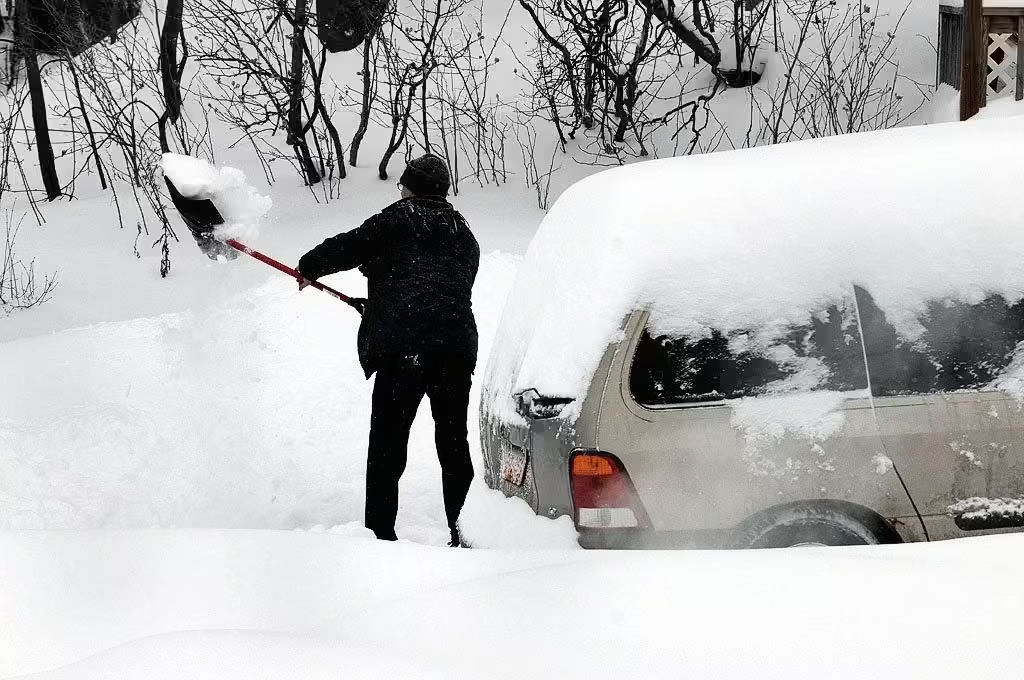
A compact, collapsible shovel is a must-have. Heavy snow can quickly accumulate, making it difficult to move your vehicle. A shovel allows you to clear snow away from the tires and undercarriage, making it easier to get back on the road. It’s a small investment that can save you a lot of trouble.
Tow Rope or Chain for Emergency Situations
If your car becomes immobile, a tow rope or chain can be invaluable. These items are designed for pulling a stuck vehicle out of snow or mud. Make sure your tow rope or chain is rated for your vehicle’s weight to ensure safe use. Whether you need a tow from a passing vehicle or roadside assistance, having your own equipment can expedite the process.
Having these traction and recovery items in your vehicle equips you to handle the challenges winter driving can present. As you prepare, remember that these tools are just one part of a comprehensive winter survival kit.
Communication and Power
Cell Phone Charger and Backup Power Bank
Ensuring your cell phone has sufficient charge during winter travel is crucial for staying connected in emergencies. Keep a dedicated car charger for your phone, and consider investing in a backup power bank. A fully charged power bank can offer several additional charges, providing peace of mind when you’re stranded. Make sure the power bank is suitable for low-temperature use to ensure it performs well in cold conditions.
Emergency Radio for Weather Updates
An emergency radio is another vital tool for winter car emergencies. Select a model that can tune into NOAA weather alerts, providing real-time updates on storm trajectories, road closures, and severe weather warnings. Some emergency radios come with hand-crank or solar-charging options, making them reliable even when your car battery fails.
Extra Batteries for Electronic Devices
Maintaining backup batteries for essential electronic devices can be lifesaving. This includes extra batteries for your flashlight, emergency radio, and any other battery-operated tools in your survival kit. Choose high-quality batteries that perform well in cold weather, as standard batteries may lose power quickly in subzero temperatures.
By having these communication and power items, you ensure that you can stay connected and informed during winter driving emergencies. Your preparedness will not only keep you safer but also give you the necessary tools to navigate unforeseen challenges on the road.
Maintenance and Storage
Regular Checking and Updating of Kit Contents
Keeping your winter car survival kit in prime condition requires diligence. Regularly check the contents to ensure nothing has expired or become unusable. Periodically, go through your kit to look for:
- Expired medications in the first-aid kit. Replace these promptly.
- Leaky batteries in flashlights or other battery-powered devices. Dispose of and replace them immediately.
- Food items or water that may be past their expiration dates. Swap these out with fresh supplies.
Regular updates ensure that your kit remains reliable when you need it most.
Proper Storage Location in Vehicle
The storage location within your vehicle can significantly impact the efficiency and accessibility of your survival kit. Store your supplies:
- In the trunk: This provides ample space and keeps the kit organized.
- Under seats: Smaller items can be stowed for easy access.
- Glove compartment: Keep crucial documents and emergency contacts here.
Ensure that all items are secure and won’t be thrown around if you need to stop suddenly.
Seasonal Kit Modifications
Adjust your kit based on seasonal needs to maintain its usefulness all year round. For instance:
- In winter, add extra blankets, heavier clothing, and additional traction materials like sand or cat litter.
- During warmer months, include plenty of water and sunscreen while removing some of the heavier winter gear.
These modifications ensure your survival kit is always appropriate for current weather conditions.
______



