

Introduction: The Hidden Impact of Space Psychology in Motels
Physical Spaces Shape Satisfaction
Walk into a motel and your mood can shift instantly. The environment—lighting, layout, colors—impacts how comfortable, welcome, or even stressed you feel. Small spatial choices can spark a sense of refuge or unease. Guest satisfaction often starts not with a smile at check-in, but the underlying sense of comfort that comes from well-designed spaces.
Design Directly Influences Emotions
Motel design quietly shapes emotional responses. A cramped or cluttered lobby may trigger anxiety, while thoughtfully arranged spaces can promote calm and trust. Guests aren’t always aware of these subtle cues, but they feel the effects: positive experiences begin when spatial psychology works in harmony with hospitality.
Gaining a Competitive Edge
Understanding the power of spatial psychology gives motel owners an edge. By tuning into how design choices affect emotions, owners can craft experiences that stand out. A welcoming environment can mean the difference between a one-time stay and a loyal guest.
With these foundations set, let’s dive deeper into the science of why our brains react to motel spaces the way they do.
The Science Behind Spatial Psychology
How Our Brains Process Spaces
Our brains are constantly taking in information from the spaces around us. When you step into a room, your mind instantly scans the layout, lighting, colors, and even the smells. These cues tell your brain if the area feels safe, comfortable, or welcoming. This initial reaction happens in seconds, often long before you realize it.
Environmental Psychology in Hospitality
Environmental psychology studies how physical settings affect the way people feel and behave. In hospitality, even the smallest change—like the arrangement of furniture or the color of walls—can impact how guests experience their stay. Motels that understand these connections can make guests feel more at ease and cared for.
Principles That Affect Guest Comfort
Several psychological factors shape a guest’s comfort:
- Clear pathways and open layouts help guests feel less stressed and more in control.
- Soft textures and warm lighting can make spaces feel cozy and safe.
- Functional spaces that avoid clutter help guests relax and enjoy their surroundings.
Paying attention to these elements makes guests more likely to feel content and want to return.
First Impressions: Entrance and Lobby Design
Welcoming Transitions: From Outside to In
The experience of arriving at a motel starts outside. A clean, clearly marked entrance with easy-to-follow signage and welcoming landscaping helps put guests at ease. When guests move from the exterior into the lobby, transitions should feel natural and comfortable. This can be achieved by providing a smooth, clutter-free walkway and a visible, inviting doorway. The goal is to help guests feel guided and valued from the very beginning.
Lobby Layout: Setting the Tone for the Stay
Inside, the lobby acts as the first true impression of the property. An open and organized layout with clear pathways creates a sense of order, reducing initial confusion or anxiety. Space for simple seating allows guests to pause and gather themselves, especially after travel. Keeping the front desk visible, but not dominating, helps guests know where to go next without feeling overwhelmed. A balance of openness and cozy nooks can signal both efficiency and comfort.
Design for Calm and Comfort
Details matter in easing stress and fostering positive impressions. Soft lighting rather than harsh overheads sets a relaxed mood. Using soothing colors and natural textures creates a sense of welcome. Details like plants or artwork can provide visual interest without clutter. Even simple touches—like a bowl of fresh fruit or soothing background music—can make a significant difference in how guests perceive the environment and, by extension, the property as a whole.
A carefully considered entrance and lobby design shapes how guests feel the moment they arrive, setting the foundation for their entire stay. Thoughtful use of space and sensory elements is key to starting every visit on a high note.
Room Configuration: Maximizing Comfort in Limited Spaces
Creating Spaciousness with Smart Furniture Placement
Effective furniture placement can make even a compact motel room feel generous and open. Start by arranging larger pieces, like the bed or sofa, against the longest uninterrupted wall. This opens up floor space and provides a natural, intuitive flow. Use raised or minimalist furniture styles, which provide cleaner sightlines and help the room breathe visually. Functional but lightweight pieces—such as slender desks, floating nightstands, or wall-mounted shelves—reduce clutter and support an uncluttered look.
Balancing Function and Psychological Comfort
A comfortable motel room offers more than physical utility; it eases the mind. Incorporate surfaces where guests need them most, like side tables by the bed or a bench for luggage. Keep walking paths clear, using multi-purpose furniture to maximize usefulness without crowding the space. Little details—such as soft throws, headboards, or a cozy rug—add warmth and comfort, helping guests feel at home even in unfamiliar surroundings.
Avoiding Common Spatial Arrangement Mistakes
Resist overfilling the room; excess furniture can make spaces feel cramped and cause anxiety. Avoid placing large pieces close to entry doors or blocking natural light sources, as this can disrupt the sense of openness. Ensure all items have a functional reason to be there, and regularly assess rooms from a fresh perspective to catch trouble spots—like awkward traffic patterns or unnecessary clutter.
A thoughtfully arranged room can leave guests feeling relaxed and cared for, setting a positive tone for their entire stay.
The Psychology of Color in Motel Design
How Color Shapes Guest Experience
Color isn’t just about style—it influences how guests feel from the moment they walk in. A room’s palette can instantly create a sense of relaxation, energy, or calm. Soft blues and gentle greens tend to evoke tranquility and help reduce stress, which is why they work so well in sleeping areas. Bolder colors, like reds or oranges, can be energizing but easily become overwhelming if overused.
Strategic Color Choices for Different Spaces
Each motel area has its own needs. Guestrooms should prioritize restful, muted hues to aid sleep and quietly frame the space. Bathrooms do well with crisp whites or soothing aquas, signaling cleanliness. For workspace corners or writing desks, neutral tones with subtle warm accents can help boost focus without causing eye fatigue.
Balancing Trends and Timelessness
Trendy color schemes might look fresh briefly but can feel dated fast. Timeless choices—like creamy neutrals or classic earth tones—never go out of style and support psychological comfort. By thoughtfully balancing new colors with proven palettes, motels create inviting spaces that appeal to today’s tastes but remain welcoming for years.
Feeling comfortable in a motel is about more than just the way a room looks—it’s how every detail shapes the guest’s experience and memory of their stay.
Lighting Psychology: Beyond Basic Illumination
How Lighting Affects Mood, Sleep, and Satisfaction
Lighting shapes more than how a room looks—it changes how guests feel, rest, and remember their stay. Soft, warm light at night helps guests relax and signals it’s time to wind down, while brighter, cooler lights during the day can energize guests for their morning routines. Bad lighting, whether too harsh or too dim, can quickly sour their impression and even affect sleep quality.
Layered Lighting for Depth and Comfort
A single light source makes a space feel flat. Layered lighting uses a mix of overhead lights, lamps, and accent lighting to add depth. Task lighting—like bedside lamps—lets guests control brightness for reading or working, while ambient lighting creates a calming background. Dimmers and adjustable lights add flexibility, helping guests set the right mood.
Balancing Efficiency and Comfort
Energy-efficient lighting is a must for modern motels, but it shouldn’t come at the cost of coziness. LED bulbs, tuned to a warm color temperature, save power and mimic natural light. Motion sensors add convenience and reduce waste, especially in hallways or bathrooms. The best lighting choices let guests feel both cared for and undisturbed, promoting a relaxed, memorable stay.
Intentionally designed lighting works quietly behind the scenes to boost comfort and transform every guest experience.
Sound Design: The Overlooked Element of Spatial Psychology
Acoustic Qualities and Guest Perception
The acoustics of a motel room shape how guests feel about their entire stay. Unwelcome noise, such as hallway chatter or parking lot clatter, can make spaces feel less private and reduce perceived quality, even if everything looks inviting. On the other hand, rooms that block outside sound make guests feel secure and restful, raising their satisfaction.
Effective Strategies for Quiet Comfort
Smart sound management doesn’t require huge upgrades. Simple steps like sealing gaps around doors, using thicker curtains, and adding soft furnishings like rugs or padded headboards help absorb noise. Soundproofing shared walls or placing rooms away from elevators and ice machines can cut unwanted disturbances without major renovations.
Creating Positive Environments with Sound
Noise control doesn’t mean total silence. Subtle ambient sounds, like gentle white noise or calming nature recordings, support relaxation and mask irritating sounds. Playing soft music in public areas can uplift the mood and set a welcoming tone for communal spaces.
Each of these details works quietly behind the scenes, shaping your guests’ impressions and bringing a sense of calm. With thoughtful sound choices in place, attention naturally turns to the subtle impact of scent, touch, and temperature on the overall guest experience.
Sensory Elements: Scent, Texture, and Temperature
Multi-Sensory Design: Creating Lasting Impressions
Every guest touchpoint—from the subtle scent in the air to the tactile comfort of bedding—shapes how a stay is remembered. Engaging multiple senses goes well beyond simple aesthetics. Pleasant aromas like fresh linen or gentle lavender evoke happiness and calm, triggering positive emotional associations as soon as guests enter a room.
The Comfort of Texture
Textures provide guests with immediate physical cues that influence relaxation and ease. Soft, plush towels, smooth bedding, and chairs with gentle upholstery encourage comfort and belonging. In contrast, rough or low-quality materials can leave guests feeling uneasy or dissatisfied, even in an otherwise attractive setting.
Scent and Temperature: Invisible Comfort Factors
Room scent has powerful effects on mood and perception, subtly communicating cleanliness or luxury. Thoughtful scent choices can help guests feel truly at home. Equally, maintaining a comfortable and adjustable temperature lets guests control their environment, ensuring everyone’s comfort, regardless of preference or the outside weather.
Together, these sensory details work quietly in the background, shaping memorable, comfortable experiences that make guests eager to return. To build on this immersive approach, paying attention to privacy and guests’ sense of personal space becomes equally important.
Privacy and Territory: Psychological Boundaries in Motel Design
Establishing Personal Space in Temporary Accommodations
Guests instinctively carve out a sense of territory, even during short motel stays. This psychological need shapes how guests interact with their rooms—they gravitate toward private nooks or areas where they feel separated from public spaces. Thoughtful layouts that separate sleeping zones from entrances, offer visual barriers, or include small personal touches like reading lamps or window blinds help create these boundaries.
Design Choices That Promote Security
Simple design elements can have a big impact on perceived privacy. Opaque curtains or frosted glass in bathrooms give guests confidence that their activities won’t be watched. Well-placed furniture can divide spaces, letting people feel some ownership over “their” part of the room. Secure locks, door viewers, and “do not disturb” signs add layers of psychological and physical safety.
Navigating Staff Access and Guest Privacy
Striking a balance between attentive service and personal space is crucial. Clear protocols—like staff knocking before entering or waiting for a response—show respect for boundaries. Placing amenities, such as extra towels or coffee makers, in easily accessible spots minimizes unnecessary staff intrusion. Transparent communication about housekeeping schedules empowers guests to tailor their space and routine, reinforcing comfort and control.
Empowering guests to define their space within your motel not only helps them feel secure, but also fosters a stronger connection to your property. With boundaries established, guests relax, settle in, and remember their stay for all the right reasons.
Biophilic Design: Connecting Guests with Nature
The Psychological Benefits of Incorporating Natural Elements
Nature has a calming effect on people. When motel guests see natural elements—like greenery, natural light, wood, or water features—they tend to feel less stressed and more at ease. This sense of connection with nature can improve overall well-being, boost mood, and enhance relaxation. Guests often sleep better and find it easier to unwind in environments inspired by nature, leading to more positive feelings about their stay.
Simple Ways to Bring Nature Indoors
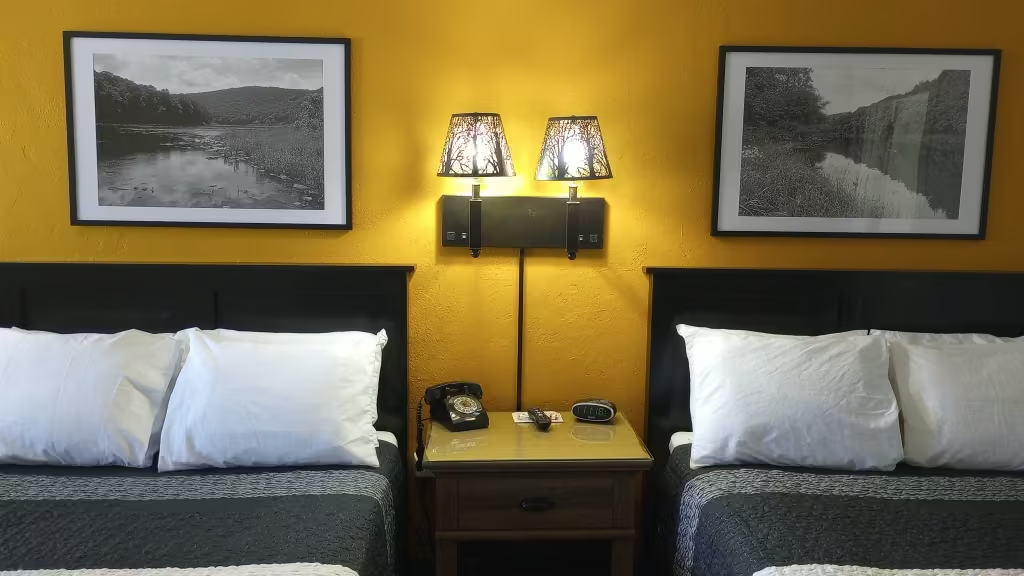
Motels don’t need a full outdoor garden to gain these benefits. Simple touches can make a big difference. Adding potted plants to rooms and common areas brings instant life and freshness. Using wood finishes or stone accents in design elements gives a natural, earthy feel. Opening up rooms to natural daylight with bigger windows or light-colored curtains maximizes sunlight, making spaces feel warmer and more inviting. Even artwork or photos of landscapes can create a subtle connection to the outdoors.
Boosting Guest Satisfaction and Loyalty
When guests sense they are in a space that feels alive and tranquil, they tend to rate their experience more highly. The soothing atmosphere encourages guests to stay longer, return on future trips, and recommend the motel to others. Nature-inspired design helps guests feel grounded, comfortable, and taken care of—powerful reasons for building brand loyalty and steady business.
As spaces become more enjoyable through small but meaningful natural touches, motels set the stage for a guest experience that feels fresh and memorable.
Technology Integration: Enhancing Space Without Overwhelming It
Balancing Convenience and Comfort
Modern motel guests expect convenient technology—think smart TVs, high-speed Wi-Fi, or digital check-in—but too much tech can make rooms feel cluttered or impersonal. The key is to integrate technology so it serves guests without dominating the space. Choose tech with a discreet design, hide cords, and avoid overcrowding surfaces. Seamless, subtle incorporation creates a sense of ease, supporting relaxation instead of overstimulation.
The Impact of Tech Placement
Where you place digital devices shapes how guests perceive the size and flow of the room. Mounting TVs on walls saves valuable table space, while placing outlets near beds or desks helps guests charge devices without hassle. Carefully integrated tech gives the room a modern feel without reducing comfort or making spaces feel crowded.
Intuitive Guest Interactions
Technology must feel natural to use. Guests should be able to adjust lighting or connect to Wi-Fi with clear instructions, minimizing frustration. Use simple, clearly labeled controls and limit unnecessary devices. This approach ensures guests feel empowered, not confused by gadget overload.
A thoughtfully balanced approach to technology helps maintain welcoming, comfortable spaces while delivering the digital convenience today’s travelers expect.
Budget-Friendly Psychological Design Improvements
High-Impact, Low-Cost Ways to Elevate Perception
Small, thoughtful design tweaks can transform a motel’s vibe without straining the budget. For instance, updating lampshades, throws, or curtains with calming, neutral tones can instantly make a room feel more relaxing. Add wall hooks or shelves to maximize storage, freeing space and reducing visible clutter. Swapping in plush towels or quality pillows makes a strong tactile impression, boosting guests’ comfort.
Prioritizing Investments for Greatest Effect
Not every upgrade offers the same value. Focus on changes guests touch, see, or interact with directly. Fresh paint in soothing hues creates cleaner, happier impressions. Upgrading light bulbs for better warmth or replacing old shower heads improve everyday experiences. Simple soundproofing—like door sweeps or soft rugs—cuts noise without large investments.
Incremental Implementation for Ongoing Success
Rolling out updates a little at a time lets owners measure results and control costs. Start with one or two high-traffic areas, observe guest feedback, and prioritize next steps based on what guests notice most. By thinking strategically, owners can build a more inviting space over time and see steady return on every design dollar invested.
Subtle, effective design improvements ensure guests notice your care every time they enter the room.
Measuring Success: Evaluating Psychological Impact on Guest Satisfaction
Collecting Meaningful Guest Feedback
Evaluating the impact of your motel’s spatial psychology starts with guest feedback. Go beyond traditional satisfaction surveys—add questions about mood, comfort, lighting, color, and even scents. Ask guests what made them feel at home or uneasy. Offer digital, in-person, and even anonymous channels to gather honest responses, ensuring diverse perspectives are heard.
Essential Metrics to Track
Some metrics go a long way in revealing the results of your efforts:
- Average ratings for room cleanliness, comfort, and ambiance
- Open-ended comments on environment and aesthetics
- Return guest rates and length of stay
- Direct mentions of elements like lighting, peace, or decor in online reviews
- Response to design changes—positive or negative trends post-renovation
By connecting these data points, you can spot specific factors that shape how guests feel.
Using Data for Continuous Improvement
Don’t let your findings collect dust. Take clear patterns—maybe guests consistently mention noise or lighting—and address them directly. Test new design tweaks one at a time, then measure the before and after. This approach helps you prioritize what truly enhances your guest experience and guides future design investments.
By actively tracking and responding to feedback, you build spaces guests truly appreciate and remember.
Conclusion: Creating Psychologically Satisfying Spaces That Drive Business Success
Connecting Comfort to Business Growth
Understanding psychological comfort isn’t just good for guests—it’s a smart business move. When motel spaces meet emotional needs, guests feel safe, relaxed, and valued. This leads to glowing reviews, return stays, and word-of-mouth referrals. Even subtle details, like soft lighting or calming colors, influence how people rate their whole experience.
Long-Term Benefits of Investing in Spatial Psychology
Investments in guest comfort pay off over time. Thoughtful design reduces complaints and builds trust in your brand. Satisfied visitors are more likely to recommend your motel, driving up occupancy rates and revenue. Small changes in layout, scent, or sound go a long way in creating loyalty.
Quick Wins to Get Started
For motel owners, start with noticeable fixes:
- Clear clutter from common areas
- Add welcoming colors and textures
- Adjust lighting for relaxation
- Use plants or art for warmth
- Listen to guest feedback on comfort
Regularly review what’s working and where guests feel less at home. Even incremental improvements can transform the energy in your property, making it memorable for all the right reasons.



