

Introduction: The Evolving Landscape of Hospitality Marketing
The hospitality industry has long trusted the 5 P’s—Product, Price, Place, People, and Promotion—to guide how it connects with guests. This classic framework built a foundation for everything from hotel design to menu creation. But today’s travelers want more than a good deal or a comfortable bed; they crave moments that feel personal, unique, and unforgettable. Traditional marketing strategies focused on services, but now, experience is king.
Modern guests arrive with high expectations and endless choices. Simply delivering the basics is not enough. The rise of review sites and social media means every guest interaction can become part of a brand’s public story. The industry is shifting its mindset from service delivery to creating lasting memories.
Standing out in this evolving landscape requires a new approach. Memorable hospitality is built on four key steps: thoughtful personalization, genuine emotional connections, delightful surprises, and unwavering consistency. By embracing this shift, organizations can transform ordinary stays into extraordinary stories that guests love to share.
Understanding the 5 P’s in Modern Hospitality
The Classic 5 P’s: Foundations of Hospitality Marketing
For decades, hospitality marketing has relied on the 5 P’s: Product, Price, Place, People, and Promotion. Each pillar played a distinct role. “Product” referred to rooms, amenities, and services. “Price” guided rate-setting strategies and value perceptions. “Place” connected guests with locations and distribution channels. “People” highlighted staff’s direct impact, while “Promotion” spanned advertising and communications to fill rooms and tables.
How Digital Change and New Guests Have Shifted Each P
The digital revolution has transformed all five elements. Products are more than rooms—they’re experiences, like cooking classes or custom adventures. Dynamic pricing tools fluctuate with demand and guest preferences. Place is no longer just physical; it includes online travel agencies and direct booking platforms. People go beyond front desk smiles to include branded apps and instant messaging. Promotion is now personalized with targeted ads, influencer partnerships, and engaging content.
Today’s guests want more than great service—they want stories to tell. Their expectations push hotels and restaurants to design seamless, creative, and tech-empowered experiences at every step.
Why the 5 P’s Aren’t Enough for Memories
While the 5 P’s lay a solid foundation, they no longer guarantee that guests will remember their stay or recommend it. What lingers in a guest’s mind isn’t just the product or the price—it’s the unique, thoughtful moments that spark emotion. Standard service is easily forgotten; meaningful personal touches are remembered and shared. Creating these memories means going beyond the basics and crafting special, authentic guest journeys.
This shift is changing how hospitality teams design their entire guest flow, shaping every detail with intention.
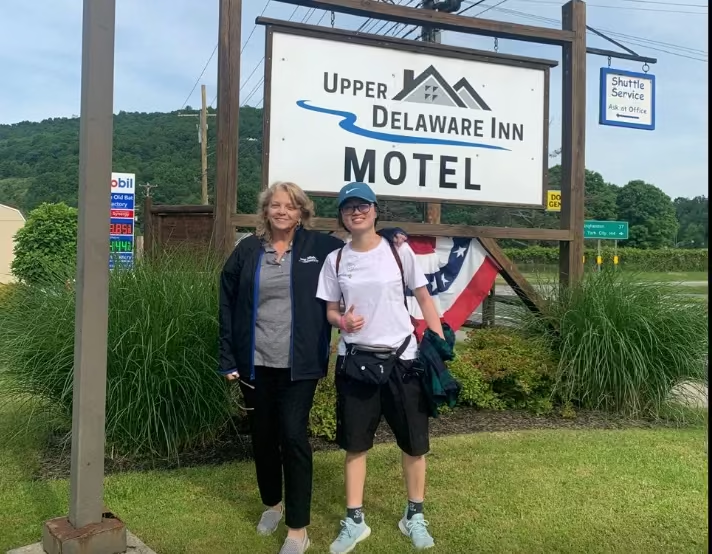
The Psychology of Memorable Experiences
Why Some Moments Last
Not every moment on a trip stays with a guest. The most powerful memories come from experiences that trigger strong emotions. Humans naturally latch onto moments that surprise us, move us, or make us feel special. It’s not just about what happens, but how we feel about it that decides what sticks.
The Peak-End Rule at Work
Science shows that people tend to remember two parts of any experience best: the emotional high points and the final moments. This “peak-end rule” means a guest’s memory of their hotel stay will hinge on the most intense or joyful event and how things ended. For example, a welcome treat or a thoughtful goodbye note may linger in the mind well after departure.
Emotions Cement Memories
Emotions act like glue for the memories we form. When guests feel genuinely cared for, excited, or understood, those feelings attach to the memory. Personal touches, meaningful conversations, and authentic gestures can make guests feel these positive emotions, making their experience unforgettable.
Understanding what drives memorable experiences lets hospitality teams move beyond simply meeting expectations. By crafting moments that tap into emotion, brands can ensure guests remember their stay for all the right reasons.
Step 1: Personalization – Beyond Generic Service
Making Hospitality Personal, Not Predictable
Modern guests want more than competent service—they crave experiences tailored to their unique preferences and needs. Personalization starts with understanding who your guests really are, but it must go far beyond using their names or remembering drink orders.
Collecting and Using Guest Data Ethically
Data lies at the heart of true personalization, but earning a guest’s trust is essential. Ethical data collection means being transparent about what is gathered and obtaining clear consent. Simple touchpoints—like pre-arrival surveys, guest profile preferences, and feedback forms—offer valuable insights. The best brands focus on relevance, not quantity, ensuring every data point helps craft a more meaningful experience without crossing privacy boundaries.
Property management systems, loyalty apps, and reservation tools can capture stay patterns, favorite room types, or dietary restrictions. To maintain trust, only use data for its intended purpose and readily allow guests to update their preferences.
Scaling Personalization Without Losing Authenticity
Scaling authentic personalization requires a blend of technology and human touch. Smart systems flag guest birthdays or highlight returning visitors’ preferences, yet the magic happens when staff use this data to create unscripted, heartfelt moments. Training teams to recognize opportunities and empower them to act creates genuine connections.
Brand standards should guide—not restrict—service, making room for employees to anticipate and act on guests’ individual desires. This empowers front-line teams to be creative, like arranging a surprise favorite dessert or adapting housekeeping routines for a late sleeper.
Case Study: Ritz-Carlton’s Art of Anticipating Needs
The Ritz-Carlton is renowned for tailoring experiences based on guest preferences. They maintain a detailed guest preference system that documents subtle likes and dislikes, from pillow firmness to preferred cuisine. When a guest checks in, this profile travels with them, allowing staff across properties to recognize their needs instantly. The result? Personalized touches that delight and remind guests they are more than just a reservation number.
Personalization distinguishes average service from unforgettable stays. As hospitality leaders, the challenge is to make every guest feel seen and valued at every turn, translating small insights into large, lasting impressions.
Step 2: Emotional Connection – Creating Meaningful Interactions
Training Teams to Recognize and Respond to Emotions
Creating standout hospitality isn’t just about service; it’s about forming connections. Training staff to read and respond thoughtfully to guests’ emotional cues is a game-changer. This begins with equipping teams to observe body language, tone of voice, and subtle signals. Short workshops on empathy and active listening are beneficial. They help staff recognize a traveler’s anxiety. They help them notice a family’s excitement. This lets staff tailor their approach effectively. When teams consistently practice genuine curiosity and offer sincere attention, guests feel seen and understood.
Designing Touchpoints for Positive Emotions
Memorable stays are built through simple, intentional moments. Whether it’s a heartfelt greeting at check-in, a handwritten note left in the room, or remembering a guest’s favorite beverage, each touchpoint should deliberately evoke positive feelings. Training sessions can guide employees to ask the right questions, spot opportunities for authentic empathy, and create comfort for every guest. Even digital interactions matter—personalized messages or creative responses on chat platforms add warmth to tech-driven hospitality.
Case Study: Building Bonds with Local Experiences
Airbnb shows how emotion-rich hospitality can turn brief encounters into lifelong memories. By encouraging hosts to share personal stories or offer local tips, Airbnb transforms the guest experience. Travelers connect with hosts through shared meals, city walks, or unique cultural activities—leaving with meaningful stories, not just souvenirs. These emotional bonds can inspire return visits and glowing recommendations.
Genuine connections are the heartbeat of memorable hospitality, laying the groundwork for delighting guests in ways they’ll never forget.
Step 3: The Element of Surprise – Exceeding Expectations
Adding Delight to the Guest Experience
Surprises make experiences memorable. In hospitality, these unexpected moments take a stay from routine to remarkable. Anticipating what guests want—even before they ask—sets the stage for delight. A well-timed upgrade, a special treat in the room, or a handwritten note can catch guests off guard in the best way. The key isn’t extravagance, but sincerity and relevance.
Balancing Consistency with Unexpected Joy
While guests appreciate reliable standards, too much predictability can lead to forgettable visits. Balancing consistency with strategic surprises creates emotional highs that guests remember. Clear service guidelines ensure quality, while empowering staff to break script for delightful moments injects genuine warmth and personality into the experience.
Disney: Empowering Magic-Makers
Disney’s approach stands out. Cast members are trained and empowered to create “magical moments”—personal acts of kindness, quick thinking, and special treats. They listen carefully and notice small details to deliver surprises—like a lost balloon replaced before a child sheds a tear, or an extra fastpass handed out on a rainy day. The consistency of Disney’s service forms a dependable base, but its true magic comes from employees’ freedom to exceed expectations through thoughtful gestures.
These memorable surprises drive stories guests carry and share long after their stay, sowing the seeds for loyalty and advocacy. Empowering staff to make these choices, while maintaining a consistent service framework, is what transforms a pleasant visit into an extraordinary memory.
Step 4: Consistency and Excellence – The Foundation of Trust
Systems for Quality Across Guest Touchpoints
Creating guest loyalty goes beyond single wow moments; it’s about delivering reliably great service every time. Memorable hospitality depends on well-defined systems. These systems set clear standards for greetings, room cleanliness, dining experiences, and problem resolution. Clear checklists, frequent team communication, and ongoing staff training all work together to ensure every guest receives the same high level of care, whether it’s their first visit or tenth.
Continuous Improvement and Hospitality Excellence
Even with high standards, guest expectations change. This makes continuous improvement essential. Top hotels regularly gather guest feedback via surveys, direct conversations, and online reviews. They use this data to tweak processes, add services, and empower staff to solve problems on the spot. Small improvements, done consistently, build a strong reputation for excellence.
Case Study: Four Seasons and Consistent Luxury
The Four Seasons brand is a global symbol of dependable luxury. Every property follows rigorous training standards and operational protocols. Wherever you are in the world, you can expect a Four Seasons stay to offer the same warm welcome and discreet, thoughtful service. Their commitment to staff empowerment allows team members to address guest needs proactively, reinforcing trust and turning one-time visitors into loyal advocates.
Delivering excellence consistently creates the dependable foundation needed for any memorable guest experience. Keeping quality high while continuously raising the bar ensures guests always look forward to their next visit.
The Experience Mapping Framework
Pinpointing Key Moments in the Guest Journey
Understanding what makes a guest’s stay unforgettable starts with mapping their journey, moment by moment. Every step—from browsing your website to checkout—carries the potential to leave a mark. To start, list every guest touchpoint: booking, arrival, room experience, amenities, staff interactions, and even departure follow-ups. Pay attention to transitional moments like check-in or housekeeping, as these often shape first and lasting impressions.
Ask: Where might guests feel anxious, delighted, or surprised? These emotional peaks and valleys are critical to address, as they often anchor memories. Gathering guest feedback, observing real guest behavior, and shadowing guests on their journey all help surface these pivotal times.
Evaluating Emotional Impact at Each Touchpoint
Each guest interaction—whether a warm greeting or a fresh set of towels—carries an emotional weight. To evaluate this impact, use feedback forms, quick post-interaction surveys, and social media monitoring. Look for language that conveys feeling: “welcomed,” “cared for,” “frustrated,” or “ignored.” Patterns here can show where experiences shine or need attention.
Interviewing guests and frontline staff enhances your understanding, as they can describe emotions guests might not put in writing. Collaborate with team members to gather diverse perspectives on which touchpoints have the strongest impact, both positive and negative.
Mapping and Improving Experience Offerings
Now, turn your insights into a visual journey map. Many professionals use simple grid diagrams, sticky notes, or digital mapping tools. Start with a timeline of the guest’s journey and plot key touchpoints. Attach guest emotions gathered from feedback and direct observation to each point.
A practical step is to prioritize improvements on high-impact moments. For example:
- Personalize greetings based on guest profiles at check-in.
- Introduce small, thoughtful gestures at traditionally mundane moments (like speedy solutions during room issues).
- Standardize excellence in emotional hotspots—where past guest feedback indicates deep satisfaction or distress.
Workshopping these maps with your team can spark creative solutions, ensuring everyone is invested in elevating each step of the guest experience.
Refining your experience map is an ongoing process. Guest expectations evolve and so must your journey maps. Regularly revisit your map, integrate new insights, and test enhancements in pilot runs before scaling changes more broadly.
By embedding these tools and techniques into daily operations, hospitality teams can consistently deliver standout experiences and foster memorable stays.
Technology as an Experience Enabler
Digital Tools Elevating Human Connection
Today’s guests crave ease and authenticity, not just convenience. Digital tools now bridge guests and staff, enabling communication and service from booking to checkout. Mobile apps let guests check in, order amenities, or request late checkouts, while chatbots are on hand for quick questions. But the magic lies in blending these tools with real hospitality—making life smoother without losing the warmth of a genuine welcome.
Data-Driven Personalization with Privacy
Hotels can use guest data—from preferences to previous stay details—to create truly tailored experiences. For example, a returning guest might find their favorite drink waiting in their room. It’s crucial, though, to gather only what is necessary, keep it secure, and clearly share privacy policies. When guests trust that their information is handled respectfully, they’re more likely to share it, fueling better personalization without feeling exposed.
Game-Changing Technologies on the Horizon
Emerging solutions are raising the bar: contactless check-in, smart room controls, and AI-driven insights all improve comfort and anticipation of needs. Virtual reality previews help guests choose their favorite rooms or explore amenities before arrival. These innovations don’t replace people—they empower teams to focus on meaningful moments, letting technology handle the routine.
This ongoing transformation calls for creative adoption of fresh ideas and tools, ensuring hospitality evolves while keeping the guest experience at its heart.
Measuring the ROI of Memorable Experiences
Moving Beyond Satisfaction Scores
Traditional guest satisfaction scores offer only a partial view of what truly matters in hospitality today. Memorable experiences are less about checking boxes and more about the lasting emotional imprint left with guests. While surveys and ratings are still relevant, they don’t fully capture the emotional moments that spark storytelling, loyalty, or repeat stays.
Metrics That Matter
To measure the impact of memorable experiences, organizations need to focus on:
- Emotional Impact Scores: Use guest feedback to identify emotional words—like “surprised,” “cared for,” or “special”—which signal meaningful interactions.
- Memory Recall: Ask guests to recall standout moments in post-stay communications. The frequency and depth of these stories show which experiences stick.
- Social Mentions: Track mentions, reviews, and photos on social media. Authentic guest-generated content points to truly memorable moments.
Linking Experiences to Tangible Results
Connecting these experiences to business outcomes is crucial. Loyal guests tend to return more often, book higher-value stays, and recommend your property. It’s helpful to track:
- Repeat Booking Rate: An increase points toward a more emotionally connected guest base.
- Net Promoter Score (NPS): Though not perfect, NPS can reveal shifts in advocacy after intentional experience improvements.
- Lifetime Value (LTV): Calculate the long-term revenue from a loyal guest. Guests who feel emotionally connected are worth more over time—often spending more and bringing friends, too.
A Practical Example
Suppose a hotel implements a new surprise welcome amenity based on guest preferences. Post-stay feedback highlights more guests recalling this moment than before. Social media photos of the amenity spike, and the rate of return guests rises the next quarter. The cost of the amenity is quickly offset by increased bookings and positive word-of-mouth, demonstrating the real return on creating memorable experiences.
Focusing on emotional resonance and memory creation provides a clearer, more actionable picture of guest experience ROI.
Implementation Challenges and Solutions
Overcoming Barriers to Transforming Hospitality Experiences
Transforming hospitality experiences often faces resistance. One major barrier is cultural inertia; team members get comfortable with the “way things have always been done.” Fear of change, lack of clarity about new expectations, and concerns over added workload can stall progress. Another challenge is uneven buy-in—leaders may push for guest-centric change, but front-line teams might not see the value or feel empowered to act.
Resource constraints can also undermine experience initiatives. Budget, personnel, and time are often stretched. It can be hard to prioritize long-term improvements when short-term operational demands take center stage.
Building a Culture Ready for Experience
Empowering staff is key. Open communication helps everyone understand both the vision and their role in it. Leaders should explain the “why” behind changes, encourage questions, and celebrate early wins. Involving team members in brainstorming new guest moments or addressing pain points boosts engagement and ownership.
Training isn’t just about processes—it’s about mindset. Soft skills like empathy, adaptability, and storytelling should be woven into learning programs. Staff should be encouraged—and trusted—to make small but meaningful decisions that delight guests.
- Example: Recognizing and rewarding staff who create memorable moments can reinforce the importance of guest experience.
- Example: Hosting regular feedback sessions helps uncover pain points early and turn obstacles into opportunities.
Making the Most of Resources
Allocating resources wisely means focusing on high-impact areas. Not every touchpoint needs reinvention; pinpoint critical moments that shape memory and loyalty. Data and guest feedback highlight where enhancements matter most.
Collaboration across departments can yield creative, cost-effective solutions. Sometimes, empowering staff with modest discretionary budgets lets them personalize surprises without expensive overhauls. Tracking outcomes—like positive reviews, repeat bookings, and word-of-mouth—justifies reinvestment and guides future strategies.
By addressing these organizational hurdles head-on and focusing on culture, empowerment, and smart resource allocation, hospitality brands lay the groundwork for extraordinary guest experiences. This internal foundation enables the evolution toward meaningful, lasting industry impact.
Conclusion: The Future of Hospitality is Experiential
Standing Out Where Experiences Matter Most
Hospitality is no longer just about rooms, rates, or rewards. In today’s culture of choice, hotels must create moments that linger in memory—moments guests want to talk about, share, and relive. This shift changes everything. It’s not what’s on your amenities list, but how your brand makes people feel, that moves the needle in a crowded market.
Crafting Memory as Competitive Advantage
Why do guests return, recommend, or become brand advocates? It’s rarely because you checked all the traditional boxes. Instead, the businesses winning loyalty are the ones that create personal stories and foster emotional connections. When your service is rooted in empathy, individualized attention, and genuine surprise, you set yourself apart from cookie-cutter competitors.
Experience-driven hospitality is hard for others to imitate. While another property might match your price or amenities, true emotional resonance and memorable guest stories are yours alone—and that’s a lasting differentiator.
How to Begin the Journey
Start by asking: “What will guests remember most from their time with us?” Encourage staff to listen and act with care. Make small gestures that spark joy or ease frustrations. Build feedback loops with your guests and team to refine your approach. Invest in training—not only in procedures, but in emotional intelligence and creative problem solving. Seek quick wins: a personal note, a remembered favorite, or a thoughtful surprise.
These small steps build the foundation for extraordinary experiences that drive loyalty and word-of-mouth growth.
Human Connections Are the Heartbeat
Even as technology evolves, the craving for meaningful connection remains. Digital tools should empower—not replace—human touch. When people feel known and valued, both guest and staff satisfaction grow. This isn’t just good business; it’s good hospitality.
As the landscape transforms, organizations focused on making memories will thrive. Those ready to nurture emotional impact and lasting bonds are the ones positioned for enduring success.



