
Introduction to the Beaverkill River
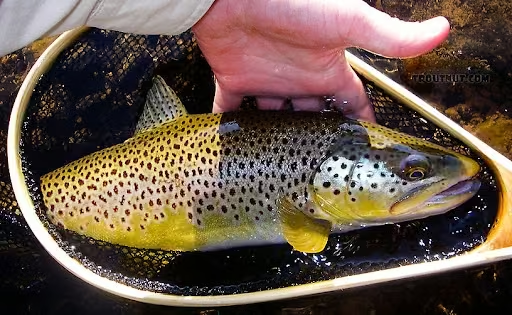
The Beaverkill River runs through the heart of the Catskills in New York, winding its way over 44 miles before joining the East Branch of the Delaware River. Revered as the birthplace of American fly fishing, this legendary waterway has shaped the sport and the culture surrounding it for generations. Anglers from around the country are drawn to its clear, swift currents. They are attracted to gravel-bottomed stretches where wild and stocked trout thrive.
What gives the Beaverkill its fame is more than just abundant fish—it’s a unique blend of ecology, history, and tradition. Each bend of the river holds stories of early American anglers crafting new techniques and tackle, influencing the broader tapestry of fly fishing. The river’s pools and riffles are more than physical landmarks—they serve as milestones in a deep cultural heritage.
The Beaverkill is not just a stream. It is a touchstone of angling history and spirit. It sets the stage for the remarkable landscapes, renowned fishing spots, and longstanding traditions that continue to define it today.
The Natural Landscape of the Beaverkill
A River Carving Through the Catskills
The Beaverkill River winds for 44 miles through the scenic Catskills of New York State, forming its own lively path before joining the Delaware River. Born from mountain springs and small feeder streams, the Beaverkill tumbles over rocks and gravel, creating clear, cool waters that trout love. The river traces a varied route. Sometimes, it rushes through narrow banks lined with dense forest. At other times, it spreads out into gentle riffles and wide pools where the sun hits the water just right.
Ecological Features That Create Trout Paradise
What makes the Beaverkill so special for trout? It’s all about the river’s natural recipe. Clean, oxygen-rich water keeps fish healthy, while overhanging trees provide shade and shelter. Rocky bottoms give insects plenty of places to thrive, fueling the food chain for wild and stocked trout alike. The mix of deep holes, fast runs, and slow eddies produces a range of habitats, supporting a healthy and diverse population of aquatic life.
Seasons Shape the River’s Personality
The Beaverkill’s vibe shifts with each season. In spring, snowmelt feeds powerful flows, stirring up hatches that bring trout to the surface. Summer brings sparkling currents lined with lush green, but lower water can make fish wary and selective. Autumn’s cool air and colorful leaves are perfect for peaceful days on the water, while winter often sees the river’s edges icing over, quieting the landscape and promising a fresh start for the next fishing season.
The relationship between place, water, and wildlife gives the Beaverkill its lasting appeal, setting the stage for legendary fishing spots and stories to come.
Iconic Locations Along the Beaverkill
Junction Pool: The Meeting Place
Junction Pool is where two famed rivers, the Beaverkill and Willowemoc, come together. This confluence creates a deep, slow-moving pool that is legendary for its consistent trout action. Anglers are drawn here for the chance to cast over rising fish during hatches, with the current swirling in ways that test skill and patience. The sight of glassy water framed by lush greenery makes Junction Pool one of the most photographed spots in American fly fishing history.
Jones Falls and Other Landmarks
Jones Falls is a picturesque cascade along the mid-river that stirs up oxygen and draws in trout. Its rushing water and rocky banks become a natural gathering spot for both fish and anglers. Other notable stretches, like Cairns Pool and Wagon Track Pool, offer quiet sections with riffles and undercuts—perfect hiding places for wary browns and rainbows.
Pilgrimage Sites for Anglers
Certain pools and access points along the Beaverkill have become must-visit sites for passionate anglers. The Covered Bridge Pool near Roscoe, for example, combines scenic charm with reliable fishing. Classic riffles and gentle bends downstream allow for wading and dry fly presentation. These legendary places aren’t just celebrated for catches—they connect today’s anglers with the river’s storied past, shaping the essence of the Beaverkill experience.
Moving along, the story of angling here is continuously shaped by the river’s evolving traditions and the people who call these waters home.
The Historical Evolution of Fly Fishing on the Beaverkill
The Roots of a Tradition
Fly fishing on the Beaverkill began in the early 19th century, when settlers along the Catskill rivers first sought trout for food. At that time, fishing was a necessity. Local streams teemed with brook trout, and anglers used basic hand-crafted rods and lines to fill their tables. As the region grew more settled, the Beaverkill became more than just a source of sustenance—it became a place for relaxation and social life, where the surrounding natural beauty encouraged a slower, more thoughtful approach to fishing.
From Survival to Sport
The evolution from subsistence to sport fishing here was gradual. Improved transportation brought urban anglers seeking respite from city life. These visitors helped shift local attitudes: fly fishing turned from a means of survival into an art form. Gentle casts, careful observation of insects, and the pursuit of the perfect trout became central to a new angling culture. People began to fish not to survive, but to enjoy the river’s challenge and tranquility.
Innovations Born on the Water
Changing tackle and new techniques soon followed. Local anglers adapted English fly fishing traditions to meet the demands of the Beaverkill’s clear, fast waters and wary trout. They developed lighter rods and finer lines, perfect for the river’s tight banks and subtle hatches. Flies tied to match local insects became the standard, leading to a uniquely American style. Experimentation and sharing knowledge along the riverbank drove progress, shaping the sport into a tradition rooted in both innovation and respect for the natural world.
Flowing from humble beginnings to a cherished pastime, the story of fly fishing on the Beaverkill is woven from the creativity, skill, and camaraderie of generations.
Legendary Anglers of the Beaverkill
Pioneering Spirits of the River
The magic of the Beaverkill is woven tightly with the legends who waded its waters. In the late 1800s, local anglers began to shape American fly fishing by developing their own styles and techniques, adapted to the river’s fast, clear currents and wary trout. Their inventiveness and passion turned the Beaverkill into a living classroom for new generations of anglers.
Theodore Gordon and Trailblazers
Theodore Gordon stands out as the most celebrated pioneer here. Known as the father of American dry-fly fishing, Gordon learned from British masters but made his own mark by designing lighter rods, delicate leaders, and innovative fly patterns just for the Beaverkill. His presence inspired other anglers and set a standard for ethical, skillful fishing on these waters.
Alongside Gordon, local figures experimented and refined their craft through long seasons, careful observation, and patient trial. Many traditions—like reading the river’s subtle currents or adapting flies to match emerging hatches—were born from their riverbank trials.
Stories and Lasting Influence
Tales of famous expeditions echo along the banks. Stories are told of persistent anglers braving spring floods for early-season trout, or dusk gatherings where the right fly yielded legendary catches. These episodes became part of the river’s spirit, fueling a creative culture and camaraderie unique to the Beaverkill.
Such stories are more than history—they continue to inspire those who wade into the river today, shaping the ongoing heritage of American fly fishing.
The Catskill Fly Tying Tradition
Evolution of Patterns Inspired by the River
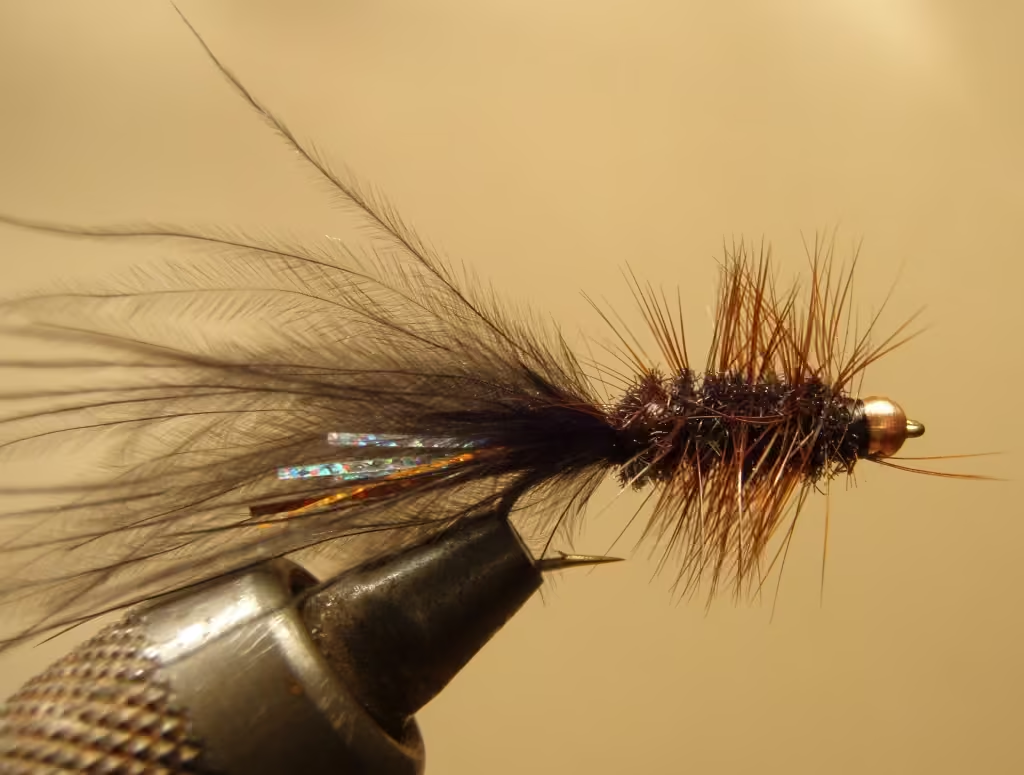
The Beaverkill’s challenging waters gave rise to a special style of fly tying. Early anglers found that traditional English flies struggled in these clear, fast runs. To catch wary trout, they needed lighter, more realistic patterns. Fly tyers started using local materials like wood duck feathers and delicate hackles, creating dry flies that would drift right on the surface, imitating the river’s natural insect hatches perfectly. This hands-on ingenuity transformed the sport.
The Catskill School Takes Root
A distinct approach, soon called the Catskill school of fly tying, developed in small workshops and riverside cabins. Anglers like Theodore Gordon meticulously observed aquatic insects and recreated their look with homemade flies. The Catskill style is known for its delicate proportions, slender bodies, upright wings, and sparse hackling—perfect for tempting wild trout. These flies weren’t just functional; they were crafted with artistry, blending beauty and utility.
Iconic Flies Born of the Beaverkill
Some flies became legendary, forever linked to the Beaverkill’s identity. The Quill Gordon, one of the earliest dry flies tied in America, mimics the early-season mayflies hatch and is still a favorite each spring. The Hendrickson, with its subtle pink and dusty hues, copies another important hatch and is prized by locals and visitors alike. Patterns like the Light Cahill and Red Quill soon followed, each tailored to match the river’s changing seasons and abundant insect life.
This unique tradition lives on today, with new tyers drawing inspiration from the river’s rhythms and the timeless patterns that continue to fool generations of Beaverkill trout.
Conservation History and Challenges
Early Preservation Efforts
Generations of anglers and locals have safeguarded the Beaverkill, recognizing its fragile beauty and importance. In the early days, trout populations faced serious threats from overfishing and habitat loss. Swift action by local advocates led to river clean-up projects and efforts to set aside public lands, laying the groundwork for a conservation-minded community spirit.
Historical Threats to the River
Logging in the 19th and early 20th centuries stripped the mountains, sending sediment sliding into the river and clouding its clear waters. Pollution from mills and towns added new challenges. As the popularity of the region grew, development brought roads and vacation homes, which further strained the river’s balance.
Role of Conservationists
Local organizations and passionate stewards have worked tirelessly to protect the Beaverkill’s waters. From bank stabilization projects to catch-and-release campaigns, their efforts reflect deep respect for this historic river. Education, advocacy, and habitat restoration sustain the river’s legacy, allowing future generations to experience its remarkable character.
Moving beyond its preservation story, the Beaverkill continues to inspire with its enduring place in American culture and literature.
Literary and Cultural Legacy
The River in American Fishing Literature
The Beaverkill River has long inspired writers, journaling not just the art of fly fishing but the river’s soul. Early angling books drew from days spent wading its currents. These pages captured the thrill of casting in crystal waters, quiet patience, and moments of connection to nature. Many legends and newcomers alike found their voices here, weaving stories of adventure, learning, and camaraderie. The river, both character and setting, remains a muse for outdoor writers, who celebrate its peaceful mornings and spirited trout.
Art and Essays Shaped by the Beaverkill
Painters and illustrators have also put the Beaverkill’s beauty on canvas. Sweeping bends, reflected skies, and mossy banks appear in an array of American outdoor art. Poets and essayists tell of mist rising over water, sunlight glinting off fly line, and the lively dance of trout. Such works have elevated the Beaverkill beyond a fishing destination—turning it into a symbol of wild landscapes cherished in American imagination.
A Symbol in Outdoor Culture
For generations, the Beaverkill’s name has meant more than just great fishing. In campsites and clubs, anglers recount tales from its waters—each story building on a legacy of skill, patience, and respect for nature. The river has come to represent the spirit of American angling: a blend of curiosity, gratitude, and deep appreciation for the outdoors. Its influence ripples through literature, art, and the way people think about wild places, sustaining an enduring cultural bond between the river and those who love it.
This connection keeps the Beaverkill vital, as new generations are drawn into its story. Anglers, readers, and artists alike continue to find meaning, inspiration, and community along its storied banks, ensuring this cultural legacy remains as lively and inviting as the river itself.
Fishing the Beaverkill Today
Modern Angling on Historic Waters
Fishing the Beaverkill isn’t just a way to connect with the past; it’s a living tradition that continues to evolve. Locals and visitors alike stroll the riverbanks with a mix of classic bamboo rods and modern graphite outfits. There’s a shared respect for time-honored angling ethics: catch-and-release is widely observed, barbless hooks are standard, and leaving no trace is second nature. Friendly greetings and advice on the water reinforce a sense of community built over generations.
Navigating the River’s Seasons
The character of the Beaverkill shifts with the calendar. In early spring, melting snow swells the river, making wading tricky but creating prime conditions for hungry trout. May and June bring legendary hatches—especially the famed Hendricksons—which draw both fish and anglers in droves. Summer slows things down, with trout seeking deeper, cooler pools while flies get lighter and leaders finer. Fall dresses the river in golden maples, offering quiet solitude and active fish preparing for winter. Even deep winter holds opportunities for persistent anglers willing to brave the cold.
Techniques: Balancing Tradition and Innovation
While many anglers cherish classic dry fly presentations—the hallmark of Beaverkill heritage—recent techniques keep the river’s fishing fresh. You’ll see careful nymphing in riffles, delicate Euro-style tactics on tricky water, and the occasional streamer swung through deep runs. Today’s flies blend old favorites like the Quill Gordon with innovative patterns tailored for shifting water conditions.
The Beaverkill experience is a tapestry of tradition, community, and creativity. Its enduring lure depends on anglers who honor its legacy, adapt as stewards, and leave the river better with every visit.
Preserving the Legacy for Future Generations
New Initiatives and Ongoing Restoration
Conservation efforts on the Beaverkill are more active than ever, driven by a broad coalition of anglers, organizations, and local residents. Recently, restoration projects have targeted streambank erosion and invasive species, with volunteers planting native shrubs to stabilize banks and protect trout habitats. Clean-up days are common, with anglers collecting litter and monitoring water quality. Efforts like these renew the river’s health, ensuring it can support wild trout for years to come.
Balancing Access and Protection
Maintaining public access to the Beaverkill is key to its legacy, but it comes with challenges. Clear signage, designated parking, and developed trails help minimize human impact on sensitive banks and spawning grounds. Local clubs encourage catch-and-release policies, and most anglers today use barbless hooks to reduce harm to fish. These simple actions allow everyone to enjoy the river while keeping its ecosystem in balance.
Community and the River’s Future
Every year, conservationists host educational workshops and youth days to connect new generations with the river’s values: stewardship, respect, and a love for wild places. By working together, anglers and advocates continue the work of those who came before—letting the Beaverkill inspire and thrive in the hands of tomorrow’s caretakers.



