
Motels have long served as evocative settings in literature, film, and music, symbolizing transience, isolation, and sometimes the search for connection. Their unique characteristics often make them ideal backdrops for storytelling, allowing creators to explore themes of longing, escape, and the human experience.
Motels in Literature
In literature, motels frequently represent a crossroads or a temporary refuge. For instance, in Raymond Carver’s short stories, motels often feature as places where characters confront their lives’ complexities. In “The Bath,” a motel serves as a backdrop for an emotional encounter that reveals the fragility of relationships. The starkness of motel rooms reflects the characters’ inner turmoil and transient lifestyles.
Similarly, in “The Road” by Cormac McCarthy, motels are depicted as places of fleeting safety amidst a post-apocalyptic landscape. The characters’ brief stays in these motels highlight their vulnerability and the harsh realities of their world. The isolation of motel rooms amplifies the themes of survival and despair.
Motels in Film
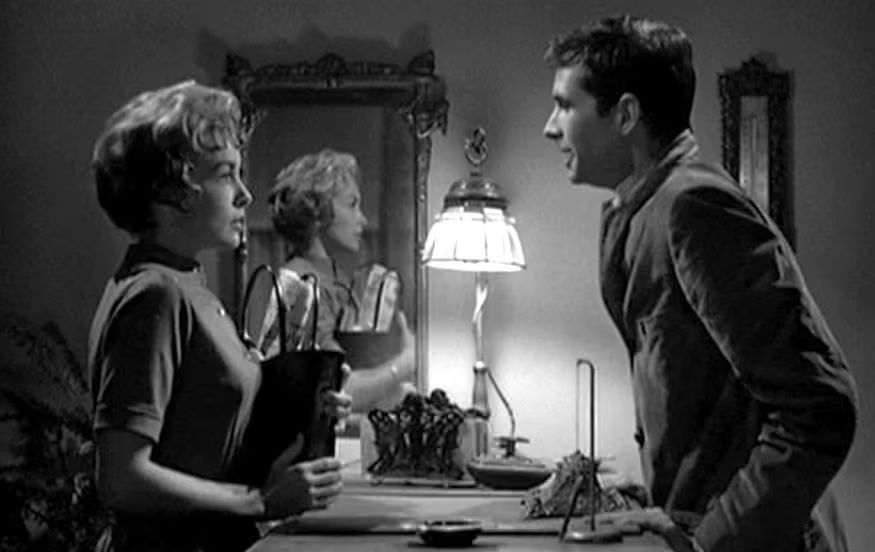
Motels have also played significant roles in cinema, often embodying themes of mystery and danger. Alfred Hitchcock’s “Psycho” features the infamous Bates Motel, which becomes synonymous with horror and psychological tension. The motel’s eerie atmosphere is crucial to the film’s suspense, serving as a physical manifestation of Norman Bates’ disturbed psyche.
In contrast, films like “The Florida Project” use motels to illustrate socio-economic struggles. The story centers around children living in a budget motel near Disney World, juxtaposing the magic of childhood with the harsh realities of poverty. This setting allows for a poignant exploration of innocence amidst adversity.
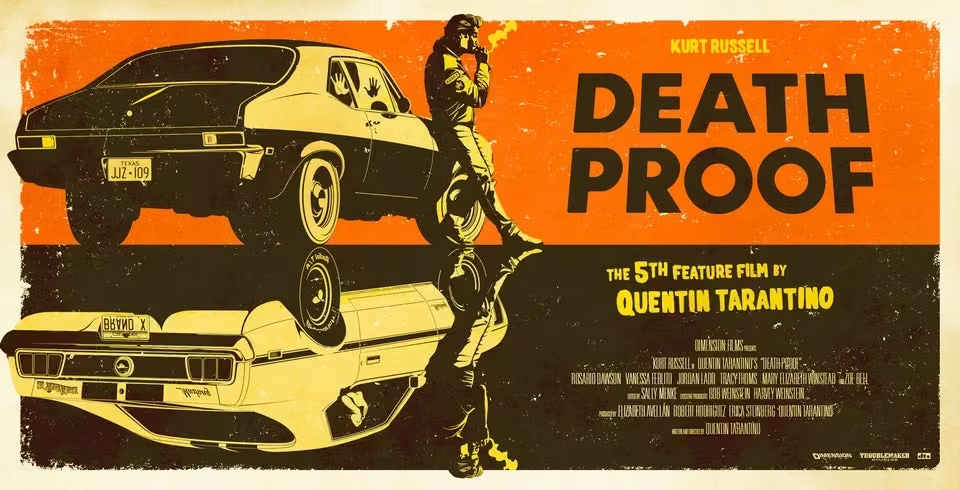
Additionally, Quentin Tarantino’s “Death Proof” features motels as locales for pivotal character interactions and violent confrontations. The motels serve as both refuge and trap, enhancing the film’s themes of revenge and survival.
Motels in Music
Musically, motels have inspired numerous songs that capture their essence as symbols of fleeting romance and heartache. The band The Motels emerged in the early 1980s with hits like “Only the Lonely,” which encapsulates feelings of isolation often associated with motel stays. Their music evokes a sense of longing that resonates with listeners who have experienced similar emotions during transient moments in their lives.
Royel Otis’s song “Motels” further explores this theme by portraying a young man’s experiences and relationships within a motel setting. The lyrics reflect on love and change while capturing the essence of youth and freedom associated with such locations. This modern take on motels highlights their continued relevance in contemporary music.
Moreover, many country songs reference motels as places where stories unfold—be it heartbreak or new love. Artists like Miranda Lambert often use motels to symbolize escape or reflection after tumultuous relationships.
Conclusion
Motels serve as powerful symbols across literature, film, and music, representing transience and emotional complexity. They provide settings that amplify themes of isolation, longing, and human connection. Whether through the stark realities depicted in literature or the atmospheric tension in films, motels continue to resonate with audiences as spaces where life’s pivotal moments unfold. Their portrayal across various media underscores their significance as more than just places to stay; they are reflections of our journeys through life’s uncertainties.
______



