
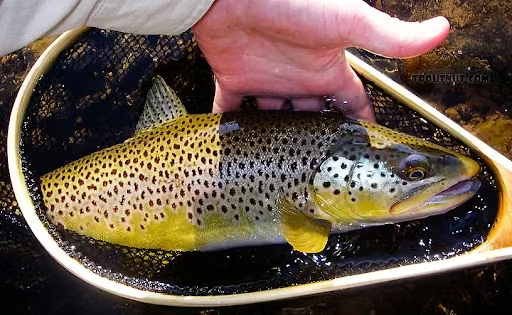
Fly tying for lunker brown trout on the Upper Delaware River is an art that combines skill, knowledge of local entomology, and an understanding of the river’s unique conditions. This river is renowned for its large, wild brown trout population, which can exceed 28 inches in length. To effectively target these fish, anglers must be adept at creating and/or selecting flies that mimic the natural food sources available in the river.
The Benefits of Fly Tying
Fly tying offers a range of hidden rewards that extend beyond merely crafting flies for fishing. Here are some key benefits:
Personal Satisfaction and Achievement
- Creating Your Own Flies: Tying your own flies provides a unique sense of accomplishment. The thrill of catching a fish on a fly you crafted yourself is unparalleled, as it reflects your skill and creativity.
- Customization: Fly tying allows you to replicate specific insect patterns or create original designs tailored to the fishing conditions you encounter. This customization can enhance your success on the water, as you can adapt your flies to match what fish are currently feeding on.
Cost-Effectiveness
- Potential Savings: While the initial investment in tools and materials can be significant, over time, tying your own flies can be more economical than purchasing them. For example, tying certain patterns can save considerable money compared to buying commercially tied flies. With the upfront costs covered, subsequent flies can be made at a fraction of the cost.
- Sustained Supply: By tying your own flies, you ensure that you always have the patterns you need on hand, eliminating the frustration of finding specific flies in stores.
Community and Connections
- Social Engagement: Fly tying is often seen as a solitary hobby; however, it can foster connections with other enthusiasts. Many fly tiers share their techniques and experiences through social media platforms and local clubs, creating a supportive community.
- Learning Opportunities: Engaging with others who tie flies can lead to valuable learning experiences. Workshops, classes, and online tutorials provide avenues for improving your skills and expanding your knowledge about materials and techniques.
Therapeutic Benefits
- Mindfulness and Relaxation: The process of fly tying can be meditative. Many find that focusing on the intricate details of tying helps reduce stress and provides a peaceful escape from daily life[4]. This creative outlet not only enhances your fishing experience but also serves as a rewarding pastime during off-season or inclement weather.
While fly tying may initially seem like a financial burden due to equipment costs, the hidden rewards—including personal satisfaction, potential savings, community connections, and therapeutic benefits—make it a fulfilling endeavor for many anglers.
Understanding the Upper Delaware River
The Upper Delaware River is characterized by its cold, clean waters and rich insect life, making it a prime location for fly fishing year-round. The best times to fish are typically from April to June during the major hatches of mayflies, caddisflies, and stoneflies, as well as in the fall when resident brown trout become particularly aggressive.
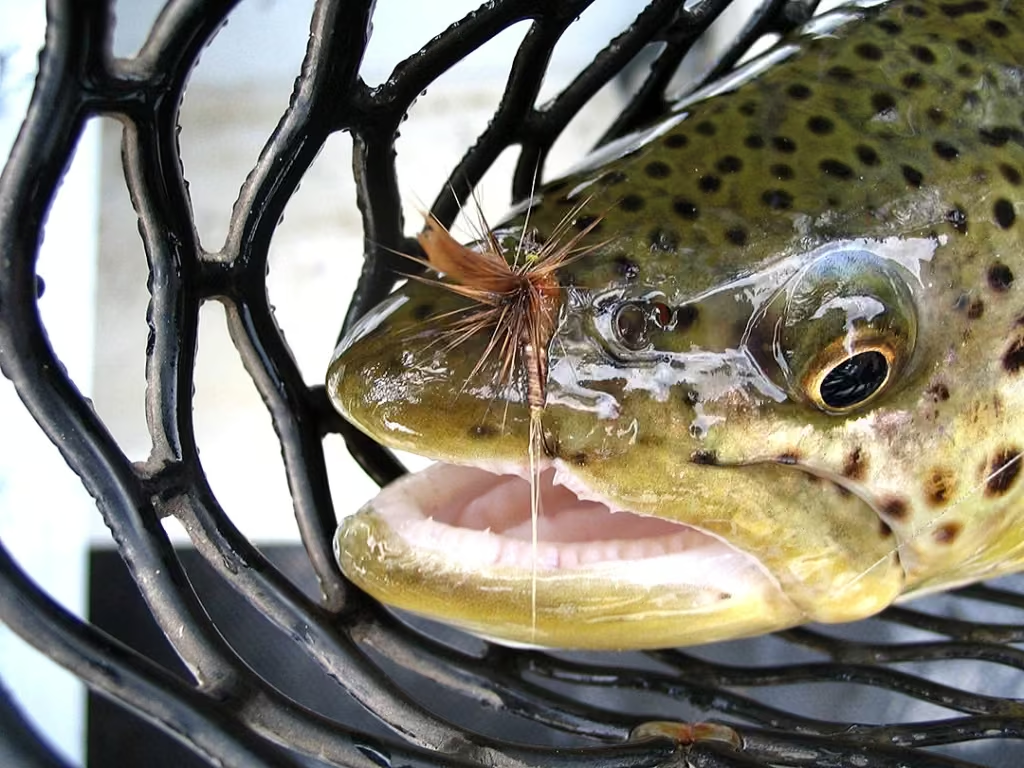
Key Fly Patterns for the Upper Delaware
Successful fly tying for brown trout involves selecting patterns that closely imitate local insects and baitfish. Here are some effective flies to consider:
- Blue Winged Olive (BWO): Sizes 16-20 are particularly effective during hatches in spring and fall.
- Hendrickson: A classic dry fly in sizes 12-14 that mimics one of the first major hatches of the season.
- Woolly Bugger: This versatile streamer can be tied in various colors (black, white, root beer) and is effective when fishing deeper waters or fast currents.
- Zonkers: Another streamer pattern that imitates baitfish such as shiners and alewives, crucial for enticing larger browns.
- Caddis Patterns: As caddisflies emerge in late spring and summer, patterns like Elk Hair Caddis can be very productive
Techniques for Success
When targeting lunker browns, presentation is key. The following techniques can enhance your chances of success:
- Natural Drift: Achieving a drag-free drift is essential when using dry flies. This means casting upstream and allowing the fly to float naturally with the current.
- Weighted Flies: During colder months or when fish are hugging the bottom, using weighted streamers or nymphs can help keep your offering in the strike zone
- Leader Length: A longer leader (12-15 feet) is often recommended to improve presentation and reduce visibility to wary fish
- Time of Day: Early morning and late evening are prime times for fishing when browns are more actively feeding on surface insects. Night fishing with larger streamers or mouse patterns can also yield impressive results.
Challenges and Rewards
Fishing for lunker brown trout on the Upper Delaware requires patience and adaptability. The fish are known for their intelligence and wariness; thus, anglers must be prepared to adjust their tactics based on conditions. Observing insect activity and matching hatch patterns is crucial. Despite these challenges, successfully hooking a wild brown trout in this pristine environment is immensely rewarding. The thrill of watching a large trout rise to your carefully tied fly remains one of the most exhilarating experiences in fly fishing. Whether you’re a seasoned angler or new to the sport, mastering fly-tying techniques specific to this river will undoubtedly enhance your fishing adventures on the Upper Delaware.
- Match the darker flies: When there are many flies to choose from, trout tend to eat the darker ones first.
- Use a variety of sizes: Mimic the different sizes of flies that are present, such as larger march browns and smaller blue wing olives.
- Make well-tied flies: Ensure your flies are well-tied.
- Use a long leader: Try using a leader that’s 15–18 feet long.
- Fish at night: Some say the best way to catch a trophy brown is to fish at night using large streamers or mouse patterns.
- Use emergers: These are proven patterns for the Upper Delaware.
- Use the Zug Bug nymph: This is a proven pattern for subsurface action.



