
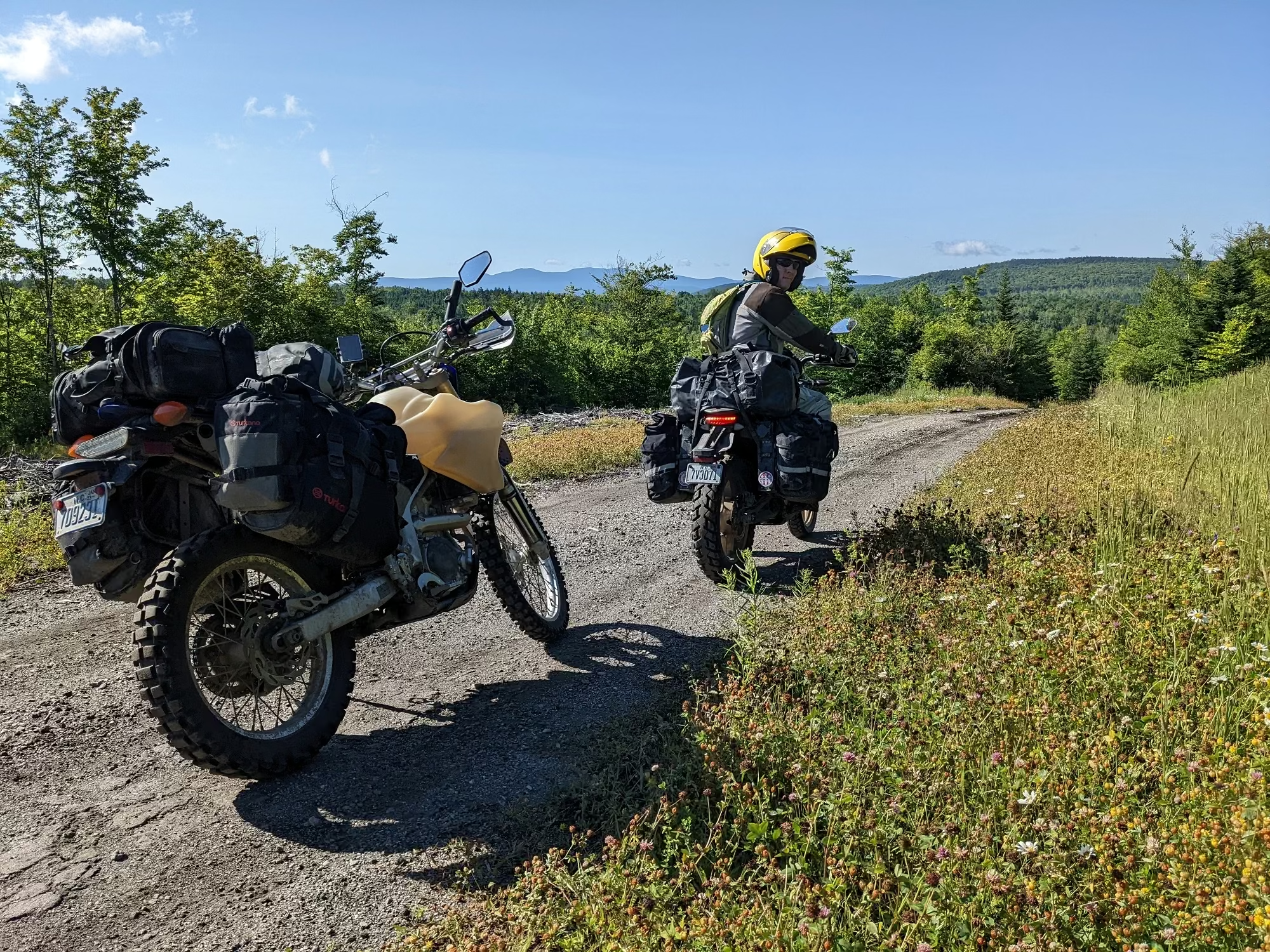
Understanding NEBDR Terrain Challenges
The consistent flow of BDR riders has ceased with the wintery weather. Nonetheless, we celebrate the many hundreds of riders who stayed with us at the Upper Delaware Inn in Hancock, NY this season. We eagerly await the return of the enthusiasm they bring to our lives. Expecting that through the holiday visits with friends plans will be laid for the challenges of the NEBDR next year, here are some tips to consider for tackling the challenges of the NEBDR trail.
Overview of Common Difficult Sections and Terrain Types on the NEBDR
Embarking on the North East Backcountry Discovery Route (NEBDR) is an adventure that presents a variety of terrain types. Riders should anticipate encountering rocky paths, wet and muddy trails, steep climbs, and narrow forest roads. Each section presents unique obstacles requiring different riding techniques. It’s essential to be prepared for everything from loose gravel to tight switchbacks.
Identifying Seasonal Challenges and Weather Impacts
Weather conditions can dramatically affect the NEBDR terrain. In spring, melting snow can cause swollen rivers and boggy trails that are tough to cross. Summer might bring dry, dusty conditions, making visibility challenging. Fall introduces slippery leaves and unexpected cold snaps. Understanding the seasonal impacts on the terrain helps in planning when to start your ride, what gear to bring, and the skill set required for each section of the route.
Importance of Proper Route Planning and Preparation
Proper planning is crucial for tackling the NEBDR. Researching the latest route conditions, understanding the terrain, and preparing for the weather are key steps. Make a habit of checking updates from riders who recently completed the route. Equip yourself with the necessary gear, including proper tires and safety equipment. Mapping out your journey and knowing alternative routes can save you time and effort if you encounter impassable sections. Preparation according to terrain and weather ensures a safer and more enjoyable adventure.

Essential Riding Skills for Technical Sections
Proper Body Positioning for Different Terrain Types
When navigating the varied terrains of the NEBDR, mastering body positioning is crucial. On gravel or loose surfaces, keep a balanced stance with your knees slightly bent and stand on the foot pegs. This helps maintain stability and allows the bike to move freely beneath you. On uphill sections, lean forward to shift your weight towards the front wheel, which helps in maintaining traction and control. Conversely, on descents, shift your weight back to assist with braking and balance. For rocky or uneven terrain, stay loose and flexible, using your legs as shock absorbers and keeping a firm grip on the handlebars without locking your elbows.
Throttle Control Techniques for Loose Surfaces and Steep Climbs
Throttle control is another critical skill for tackling the challenging surfaces and climbs on the NEBDR. On loose gravel, sand, or dirt, smooth and controlled throttle application is essential. Avoid abrupt acceleration which can cause the rear wheel to spin out. Instead, gently roll the throttle to maintain a consistent speed without losing traction. For steep climbs, a steady throttle is your best friend. Too little power can cause stalling, while too much can lead to wheel spin. Find the sweet spot where you’re delivering enough power to climb without losing control.
Balancing Techniques for Navigating Rocky Sections
Balancing while riding through rocky sections is no easy feat. The key is to keep your center of gravity low and stay relaxed. Use your legs to keep balance and let them absorb the shocks from the uneven terrain. Engage your core muscles to help stabilize your upper body, and shift your weight as needed to maintain equilibrium. When encountering large rocks or obstacles, use the “pop and drop” technique: pop the front wheel over the obstacle and shift your weight back to drop the rear wheel smoothly.
Anticipating and understanding these essential riding skills will not only enhance your safety but also make your NEBDR adventure more enjoyable. Stay prepared and always be ready to adapt to the changing conditions of the trail.
Mastering Water Crossings
Assessing Water Depth and Current Strength
Before attempting any water crossing, evaluating the depth and strength of the current is crucial. This helps determine whether it’s safe to cross and ensures you pick the best line. Walk through the water if possible, using a stick to gauge depth or spot hidden obstacles. Aim for areas where the water is shallow and the current is weaker.
Proper Technique for Crossing Different Types of Water Obstacles
For various water obstacles, adjusting your approach is vital:
- Shallow Stream: Maintain a steady, moderate throttle. Stand up to better balance and control the bike. Use a lower gear to ensure consistent power.
- Deep Water Crossings: Opt for low speed and high gear. Look ahead, not down, to keep a balanced posture. Feather the clutch to maintain traction and avoid bogging down.
- Rocky Riverbed: Go slow and steady. Keep a light grip on the handlebars, allowing the bike to move naturally over the rocks.
Recovery Strategies if Things Go Wrong
Despite the best preparation, crossings can go awry. If you lose control, release the bike and focus on your safety. Sweep the bike to shore by the handlebars or footpegs if it falls. Avoid restarting immediately to prevent water from entering the engine.
Transition seamlessly into essential techniques for handling varied conditions ensures preparedness and builds confidence on the NEBDR trail.
Conquering Mud and Wet Conditions
Choosing the Right Line through Mud Holes
Navigating through mud holes can be daunting, but choosing the right line is crucial to maintaining control. Aim for the shallowest edges as they often offer better traction. Avoid the deepest and darkest sections, which might conceal hidden hazards. Look for tracks left by previous riders—they can provide a safer path as long as they don’t seem overly worn.
Maintaining Momentum While Avoiding Wheel Spin
Maintaining momentum in muddy conditions is key to avoiding getting bogged down. Keep a steady throttle and resist the urge to over-rev, which can cause wheel spin and loss of traction. Seamlessly adjust your speed to the changing terrain while keeping your body weight balanced. Low gear will give you better control and torque to keep moving without stalling.
Recovery Techniques for Getting Stuck in Mud
Sometimes, despite your best efforts, you’ll find yourself stuck in the mud. Here are some recovery techniques:
- Rocking Out: Gently rock your bike back and forth while applying a bit of throttle to regain traction.
- Tire Grips: If your tires are spinning, try placing sticks, rocks, or a traction mat under the wheels to provide grip.
- Buddy Push: If you’re riding with others, don’t hesitate to ask for a push to help get your bike out.
- Lighten the Load: Reduce the weight on the bike by dismounting while keeping the throttle steady and pushing the bike out yourself, or with help if available.
By selecting the right path and maintaining your momentum, you can master muddy and wet conditions on the NEBDR trail and continue your adventure confidently.
Mountain Section Navigation
Techniques for Ascending Steep Mountain Trails
When approaching steep mountain trails on the NEBDR, maintaining a steady momentum is key. Start by standing up on your pegs, which helps lower your center of gravity and provides better control. Keep your eyes focused on the path ahead, rather than the front tire, to identify potential obstacles early. Use a mix of throttle and clutch control to ensure a smooth ascent. Applying too much throttle can cause your rear wheel to spin, while not enough might lead to stalling. Steady, consistent power is your best friend here. Always aim for the path of least resistance – avoid large rocks and slippery roots if possible.
Safe Descent Strategies on Loose Surfaces
Descending on loose surfaces demands just as much, if not more, technique than ascending. Begin by adopting a cautious approach: maintain a lower gear to use engine braking effectively and keep your speed in check. Lightly apply both front and rear brakes simultaneously, with a slight emphasis on the rear brake to prevent the front wheel from locking up. As you descend, keep your body weight back and low. This improves traction and control, especially when navigating over loose gravel or scattered rocks. Feather the clutch and brake, ensuring you remain smooth and gradual in your inputs to prevent skidding.
Navigating Switchbacks and Tight Turns
Switchbacks and tight turns can be tricky, especially at higher elevations with loose terrain. Approach these turns by reducing your speed well in advance while maintaining a balanced body position – lean towards the turn and keep your weight on the outer peg. Look through the turn, not at your front wheel, to place yourself in the right trajectory. Use your rear brake judiciously to help control your speed and maintain balance. When necessary, employ a feet-down technique, where you dab your foot for additional stability. Stay alert and be ready to shift your weight and adjust throttle control as needed to smoothly navigate each turn.
Understanding these techniques will enhance your riding experience and safety on the NEBDR, preparing you for the unique challenges the terrain presents.
Alternative Routes and Bypass Options
Known Bypass Routes for Extremely Technical Sections
When the NEBDR (Northeast Backcountry Discovery Route) presents sections that are beyond your technical riding skills or when conditions are particularly challenging, it’s vital to know the bypass options available. Some segments can be incredibly treacherous with rocky paths, steep inclines, or deep water crossings which might be too demanding to tackle. Locating these bypass routes ahead of time will keep your ride enjoyable and safe.
When to Choose Alternate Paths Based on Conditions and Skill Level
Severe weather conditions or deteriorating trail conditions might require a change in your riding path. Make the decision to take an alternate route if:
- The terrain is beyond your skill level.
- Weather conditions have made the trail too hazardous.
- Your bike isn’t equipped for the current trail conditions.
- Riding fatigue or a drop in concentration level.
Riding smartly means being prepared to re-route when necessary, ensuring you have a pleasurable riding experience without excessive risk.
Resources for Finding Current Route Conditions and Alternatives
Leverage various resources to stay updated on the NEBDR conditions and find reliable bypass options:
- NEBDR official website: Provides current conditions and route updates.
- Adventure motorcycle forums: Engage with an active community of riders who share real-time trail conditions and tips.
- Local riding groups: Join local groups that often share trail conditions or suggest alternate routes.
Armed with this knowledge, your ride through the mesmerizing NEBDR becomes not just about the thrill but an adventure marked by smart decisions and preparedness.
______



