
Understanding Winter Bushwhacking in the Catskills
Unique Challenges of Off-Trail Hiking in Winter Conditions
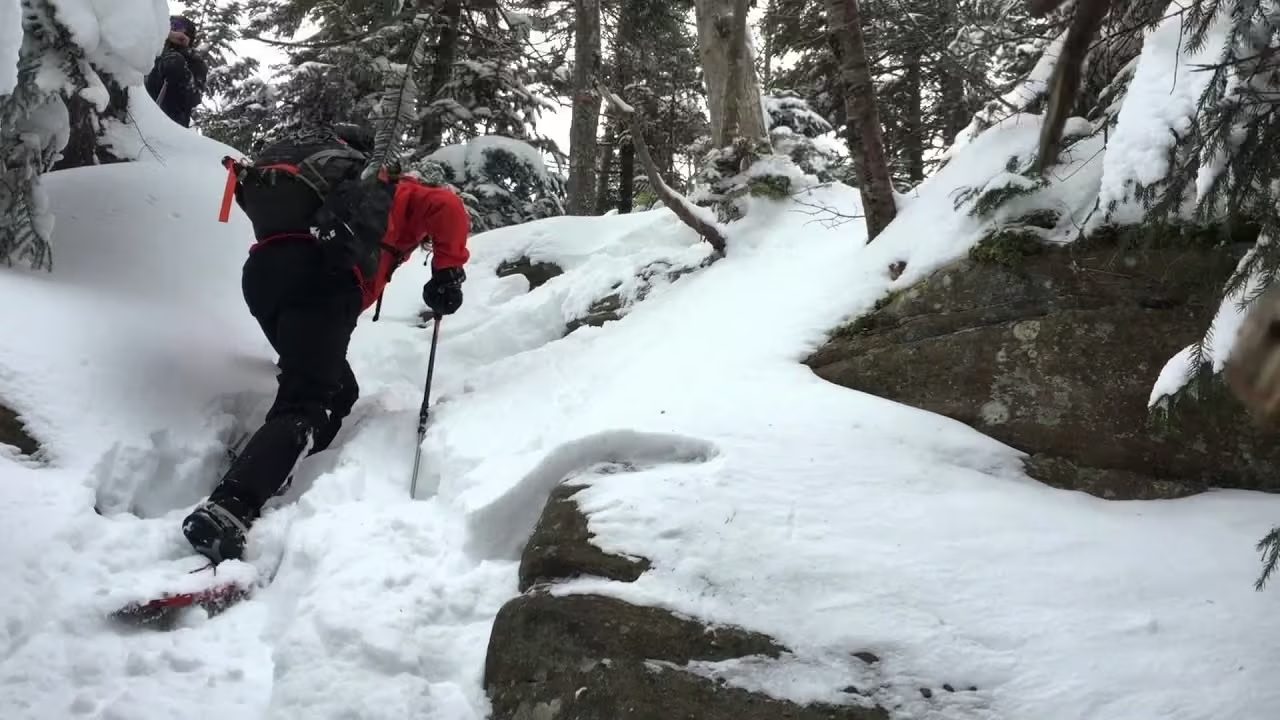
Winter bushwhacking adds an extra layer of complexity to off-trail hiking. Snow-laden vegetation can obscure the landscape, making it difficult to navigate. The deep snow can slow you down and require greater energy expenditure. Additionally, fluctuating weather conditions can quickly turn a manageable situation into a hazardous one.
Wind chill and rapidly dropping temperatures can lead to frostbite or hypothermia if you’re not properly prepared. Ice-covered streams and hidden crevasses under snow pose serious risks as well. Adequate preparation and awareness of these unique challenges are crucial when bushwhacking in winter.
Differences Between Marked Trail Hiking and Bushwhacking
Marked trails provide clear paths and signage, reducing the likelihood of getting lost. In contrast, bushwhacking in winter requires you to rely entirely on your navigation skills. Without trail markers, using GPS and a compass becomes essential. You’ll need to identify natural landmarks that are often concealed under snow.
Bushwhacking also demands a higher level of physical fitness. You’re plowing through untouched snow, climbing overfallen trees, and navigating around icy rocks. Marked trails typically receive maintenance, whereas bushwhacking routes are as rugged as they come.
Why the Catskills Present Special Considerations for Winter Navigation
The Catskill Mountains are known for their dense forests and steep terrains, making winter navigation particularly tricky. The area receives substantial snowfall, which can obscure trails and landmarks. Elevation changes can make weather conditions unpredictable—what starts as a clear day can turn into a snowstorm in a matter of hours.
Frequent temperature fluctuations lead to icy conditions, complicating footing, and increasing the danger of slips and falls. The remoteness of certain areas in the Catskills also means that if you run into trouble, help is not readily accessible. Therefore, understanding these specific challenges and preparing for the worst-case scenarios is essential for safe winter bushwhacking in the Catskills.
And as you gear up for your winter adventure, having the right equipment is non-negotiable.
Essential Gear for Winter Bushwhacking
Choosing the Right Snowshoes for Deep Snow Conditions
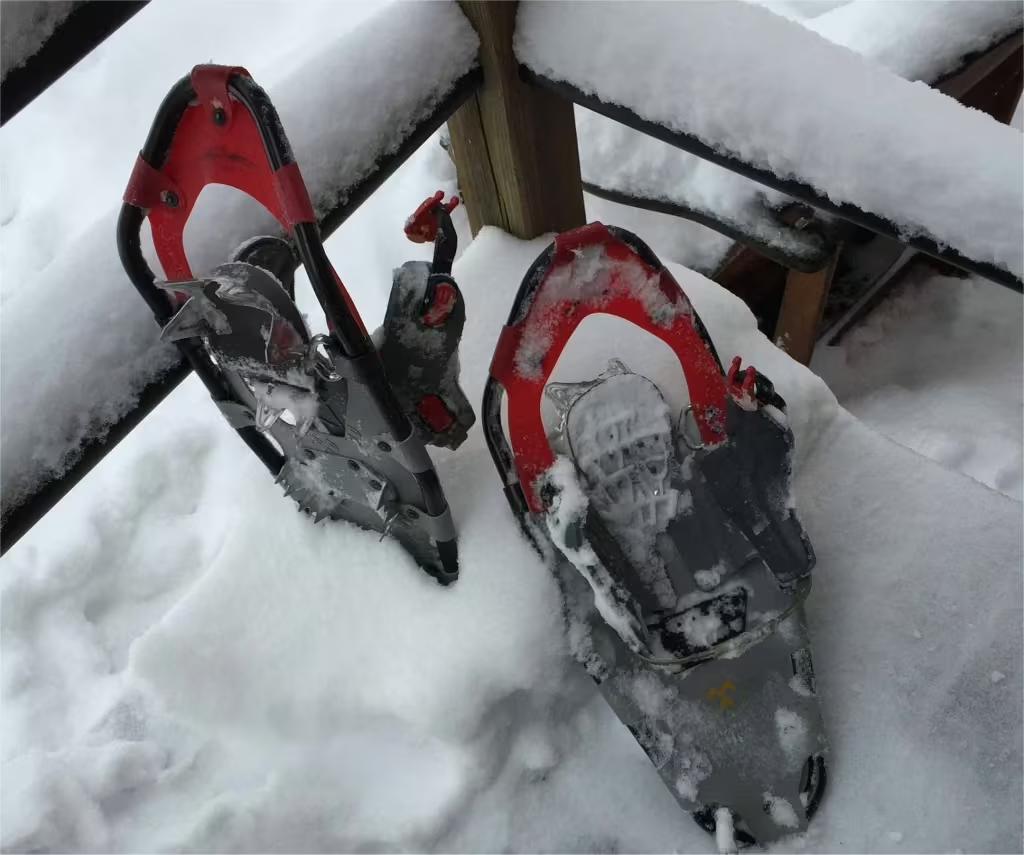
Selecting the appropriate snowshoes is crucial for winter bushwhacking success. The dense forests and varied terrain of the Catskills demand snowshoes that provide both flotation and traction. Look for models with broader decks to stay afloat in deep snow and aggressive crampons to handle icy patches. Adjustable bindings ensure a snug fit, compatible with different types of winter boots. Lightweight frames can be a game-changer when trekking through heavy snow.
Must-Have Navigation Tools and Emergency Equipment
Navigating the Catskills requires reliable tools. A GPS device specifically designed for winter conditions is vital. Ensure it has long battery life and cold weather resistance. Complement this with a traditional map and compass as fail-safes. A fully charged, portable power bank is essential to keep electronic gadgets functional in freezing temperatures.
Emergency equipment is non-negotiable. Pack a whistle, headlamp with extra batteries, multi-tool, and a compact, high-quality first aid kit. Emergency blankets and fire-starting gear can be lifesavers if you find yourself in an unexpected situation.
Backup Gear Considerations for Unexpected Situations
Backup gear is your insurance policy against the unpredictable nature of winter bushwhacking. Always carry an extra set of insulating layers, such as down jackets or fleece pullovers, stowed in waterproof bags. A secondary set of gloves and socks can make a big difference in maintaining body warmth and combatting dampness.
Communication devices, like a satellite phone or personal locator beacon (PLB), should be part of your safety protocol. These tools can bridge the critical gap when you are deep in the wilderness, far from cellular networks. Pack extra food supplies with high-caloric content to ensure you have the energy required to face extended periods outdoors.
With proper gear and a strategic approach, winter bushwhacking in the Catskills becomes an exhilarating and safe adventure.
Mastering Winter Layering Strategies
Mastering winter layering strategies is crucial for bushwhacking in the Catskills. The right layers help you stay warm, dry, and comfortable during your adventure.
Core Principles of the Three-Layer System
The three-layer system consists of:
- Base Layer: This layer sits closest to your skin and should be moisture-wicking to keep sweat away. Choose materials like merino wool or synthetic fibers.
- Middle Layer: This insulating layer retains body heat. Fleece or down jackets work well to maintain warmth without adding excessive bulk.
- Outer Layer: The outermost layer protects you from wind and snow. A waterproof and breathable shell is essential for preventing moisture from penetrating through.
Adjusting Layers During Different Activity Levels
Adjusting your layers based on activity levels is key to maintaining comfort. When you’re working hard and generating heat, vent or remove layers to prevent overheating. This is especially true when climbing a steep slope. Once you stop or descend, put layers back on to preserve warmth.
- High activity: Open zippers, remove gloves, or shed a layer.
- Low activity: Add layers, close zippers, and put on extra gear to trap heat.
Moisture Management Techniques Specific to Bushwhacking
Bushwhacking can be physically demanding, making moisture management critical. Here are some techniques:
- Ventilating: Use the pit zips or venting systems on your outer layer to release moisture without removing the jacket.
- Glove liners: Swap wet glove liners for dry ones to keep your hands comfortable.
- Sweat management: Carry extra base layers to change out of damp clothes when you take breaks.
By mastering these winter layering strategies, you can ensure a safer and more enjoyable bushwhacking experience in the Catskills.
Navigation Techniques in Snow-Covered Terrain
Using GPS and Traditional Navigation Methods
Navigating the dense, snow-covered forests of the Catskills requires a mix of modern technology and traditional skills. A dependable GPS device is essential for accurate positioning and route planning, especially since landmarks are often buried under snow. Ensure your GPS has a long battery life. Carry extra batteries warmed in an inner pocket. This can prevent loss of power due to cold conditions.
Traditional tools like a map and compass are vital backups. Learn to interpret topographical maps, and be proficient in using a compass for orienteering. In case your GPS fails or experiences interference, these skills can help you find your way safely.
Identifying Landmarks When Everything’s Covered in Snow
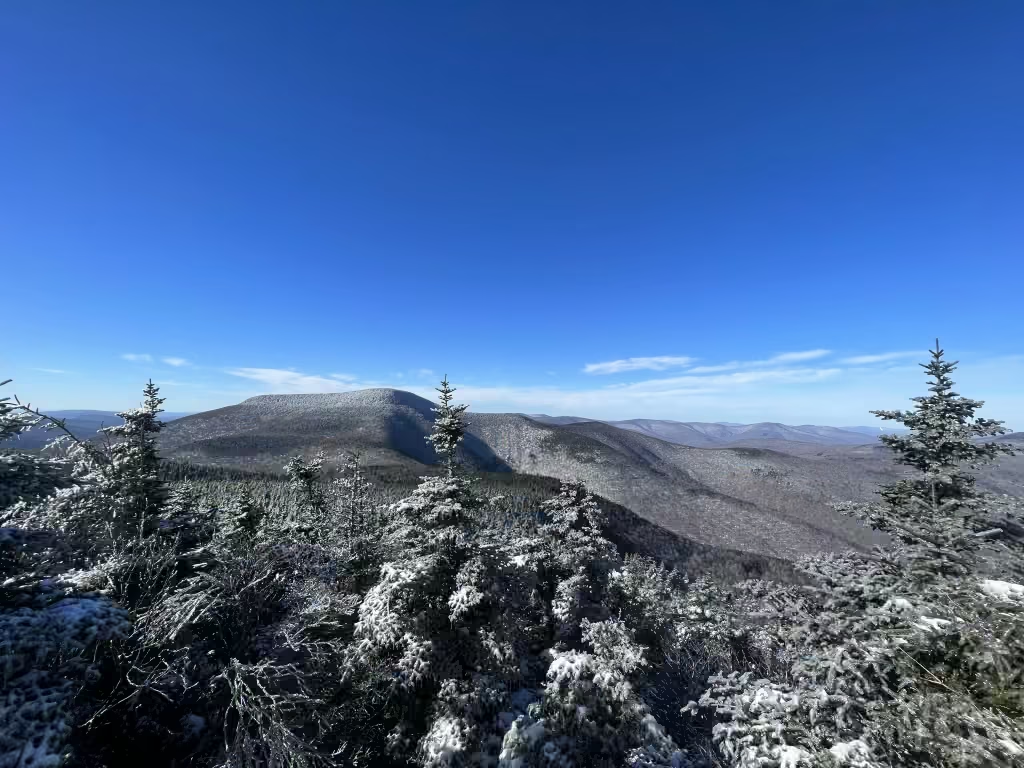
One of the biggest challenges of winter bushwhacking is recognizing natural landmarks that are obscured by snow. Trees and boulders that serve as reliable markers in other seasons may look similar under a blanket of snow. Rely on larger, more permanent features like mountain profiles, river bends, or rock outcrops that remain identifiable.
Use these larger landmarks in conjunction with your GPS waypoints and compass bearings. Techniques such as visualizing the terrain and maintaining mental maps also aid in orientation.
Tracking and Backtracking Strategies
Safety in the wilderness often depends on your ability to track and backtrack effectively. In deep snow, each step leaves an imprint that you can follow back if necessary. Periodically check your GPS waypoints and compare them with your physical surroundings to ensure you are on the right path.
Mark your trail at regular intervals, using biodegradable markers or flagging tape that you remove on your return. In dense forests, maintain sightlines through the trees. Break branches or leave small markers to help retrace your steps more accurately. Always remember, establishing a clear backtracking strategy is as crucial as progressing forward.
Plan your routes, recognize larger and unchanging landmarks, and use a combination of GPS and traditional tools. This way, you can navigate the snow-clad Catskills with confidence. Additionally, mastering these navigation techniques sets the foundation for other important aspects of safe winter hiking.
Trail Etiquette and Environmental Protection
Leave No Trace Principles for Winter Bushwhacking
Winter bushwhacking in the Catskills requires mindful adherence to Leave No Trace principles. These guidelines are crucial to ensure the pristine nature of the environment remains untouched. Key practices include:
- Pack out all trash: This includes biodegradable items like food scraps. With snow cover, decomposition is slow, and litter can harm wildlife.
- Avoid creating new trails: Stick as much as possible to any lightly trodden paths to minimize soil disturbance. In the winter, stick to snow-covered areas to prevent damage to underlying vegetation.
- Minimize human impact: Choose durable surfaces like rocks or snow pits for rest stops and campsites. If building a snow shelter, dismantle it when you leave.
Respecting Wildlife and Their Winter Habitats
Disturbance to wildlife in the winter can have severe consequences, as harsh conditions already challenge their survival:
- Observe from a distance: Use binoculars if necessary to observe animals without altering their behavior.
- Avoid nesting or den sites: Steer clear of tracks and signs indicating animal habitats, especially for hibernating species.
- Limit noise levels: Keep voices low and avoid unnecessary loud noises to prevent startling wildlife.
Group Size Considerations and Impact Minimization
While group bushwhacking can improve safety, it also increases environmental impact:
- Limit group size: Smaller groups (4-6 people) cause less environmental disruption and are easier to manage.
- Space out: Spread out while hiking in single file to lessen the impact on snow-covered vegetation.
- Share gear: Reduce overall carrying weight and impact by collectively deciding on shared gear and equipment.
You can bushwhack through the Catskills by observing these principles. This approach is respectful to both nature and fellow adventurers. As we move forward, understanding emergency preparedness and safety protocols becomes crucial.
Emergency Preparedness and Safety Protocols
Creating and Following a Winter-Specific Emergency Plan
Winter bushwhacking in the Catskills demands a well-thought-out emergency plan tailored to the unique challenges of the season. Before heading out, ensure someone knows your detailed plan, including your route, expected times of arrival, and return. Pack essential emergency items like a whistle, signal mirror, and bright clothing for visibility. Also, equipment such as an emergency bivvy sack and a fire-starting kit could save your life if you get stranded.
Recognizing and Responding to Early Signs of Hypothermia
Hypothermia is one of the most dangerous threats in winter bushwhacking. Recognizing its early signs can be life-saving. Symptoms include shivering, slurred speech, clumsiness, and confusion. If you or your companions exhibit these signs, immediately seek shelter and prevent further heat loss. Replace wet clothing with dry, insulated layers, and use your emergency gear to create warmth. Consuming warm beverages and high-energy foods can also help your body generate heat.
Communication Strategies When Off Established Trails
When off established trails, communication becomes crucial. Carry a charged satellite phone or a personal locator beacon (PLB) to signal for help if necessary. Regularly check in with family or friends if you can establish a cellular connection. Keep a log of your location and direction. Note landmarks too. This practice not only aids in navigation. It also provides vital information if you need to relay your position to rescuers. Always keep your communication devices accessible and protected from the cold, as low temperatures can quickly drain battery life.
Preparedness extends beyond gear and supplies. Awareness and proactive measures can ensure you navigate winter bushwhacking safely. They help you enjoy the rigorous beauty of it. The knowledge and strategies you employ now will pave the way for memorable adventures with minimal risks.



