

Introduction to Off-Trail Hiking in the Catskills
Overview of Catskill Park’s Wilderness Areas and Off-Trail Opportunities
The Catskill Park offers a vast expanse of wilderness just waiting to be explored by the intrepid hiker. Spanning over 700,000 acres, the park includes 35 peaks over 3,500 feet, providing numerous opportunities for off-trail adventures. Beyond the well-marked trails, you’ll find hidden valleys, rugged terrains, and unmarked summits that challenge even the most seasoned hikers. These areas promise solitude and unmatched natural beauty for those willing to venture off the beaten path.
Importance of Experience and Preparation for Off-Trail Navigation
Off-trail hiking in the Catskills is not for the unprepared. It demands advanced navigation skills, a solid understanding of topography, and the ability to read the terrain. Unlike marked trails, off-trail routes require you to rely heavily on map and compass skills, GPS technology, and a well-honed sense of direction. Prior experience in backcountry travel is crucial, as the risks increase significantly once you leave the marked paths.
Preparation goes beyond just navigation skills. Ensuring you have proper gear, adequate food and water, and an emergency plan is vital. Before heading out, plan your route meticulously and always let someone know your itinerary. This preparation can be the difference between a successful adventure and a dangerous situation.
Legal Considerations and Leave No Trace Principles
When exploring the Catskills off-trail, it’s essential to adhere to legal considerations and Leave No Trace principles. Many parts of the Catskill Park are sensitive ecological areas, and staying on marked trails when possible helps protect these habitats. However, if you do go off-trail, ensure you have the appropriate permits and understand the boundaries of private property to avoid trespassing.
Leave No Trace principles are vital to preserving the wilderness for future adventurers. Always carry out all trash, minimize your impact on the environment, avoid disturbing wildlife, and preserve the natural beauty of the area. Practicing these principles is not just about following rules; it’s about respecting the land and ensuring that it remains pristine for years to come.
Preparation, respect, and responsibility are the cornerstones of off-trail hiking in the Catskills. By honing your skills, gathering the right gear, and practicing responsible hiking, you can enjoy the unparalleled beauty and challenge that the Catskills have to offer.
Essential Skills and Safety Considerations
Advanced Navigation Skills Required for Off-Trail Hiking
Off-trail hiking in the Catskills demands a high level of navigation skill. Without marked paths, you’ll rely on maps, compasses, and GPS devices. It’s crucial to accurately read topographical maps and understand the terrain, contours, and landscape features. Practice triangulation to pinpoint your location using known landmarks. Familiarize yourself with orienteering techniques to prevent getting lost. Develop the ability to recognize natural signs and terrain changes to stay oriented.
Recommended Gear and Emergency Preparation
Proper gear is critical for a safe off-trail hike. Essential items include:
- A detailed topographic map and a reliable compass
- A GPS device or smartphone with offline maps
- Extra batteries or a portable charger
- High-quality hiking boots with ankle support
- Layered clothing suitable for varied weather conditions
- A first aid kit customized for wilderness settings
- Sufficient food and water for the entire trip plus extra
- A lightweight emergency shelter or tarp
Additionally, pack items like a multi-tool, headlamp, firestarter, and signaling devices such as a whistle or mirror. Always inform someone of your route and expected return time.
Weather Considerations and Seasonal Challenges
The Catskills’ weather can be unpredictable, presenting unique challenges each season. Stay updated with weather forecasts and prepare for sudden changes.
- Spring and Fall: Variable temperatures and conditions. Prepare for rain, mud, and potential snow at higher elevations.
- Summer: Warm temperatures and high humidity. Ensure ample water, sun protection, and be aware of regional insects.
- Winter: Harsh conditions with significant snowfall. Specialized gear such as crampons, snowshoes, and insulated clothing are essential. Frostbite and hypothermia are serious concerns.
Adapt your gear and plans to the seasonal conditions to enhance your safety.
Understanding these factors will ensure your off-trail adventure is both exhilarating and safe. Familiarity with the essential skills and considerations will pave the way for tackling more challenging routes in the Catskills.
Lesser-Known Bushwhacking Routes
Hidden Valleys and Unmarked Peaks Worth Exploring
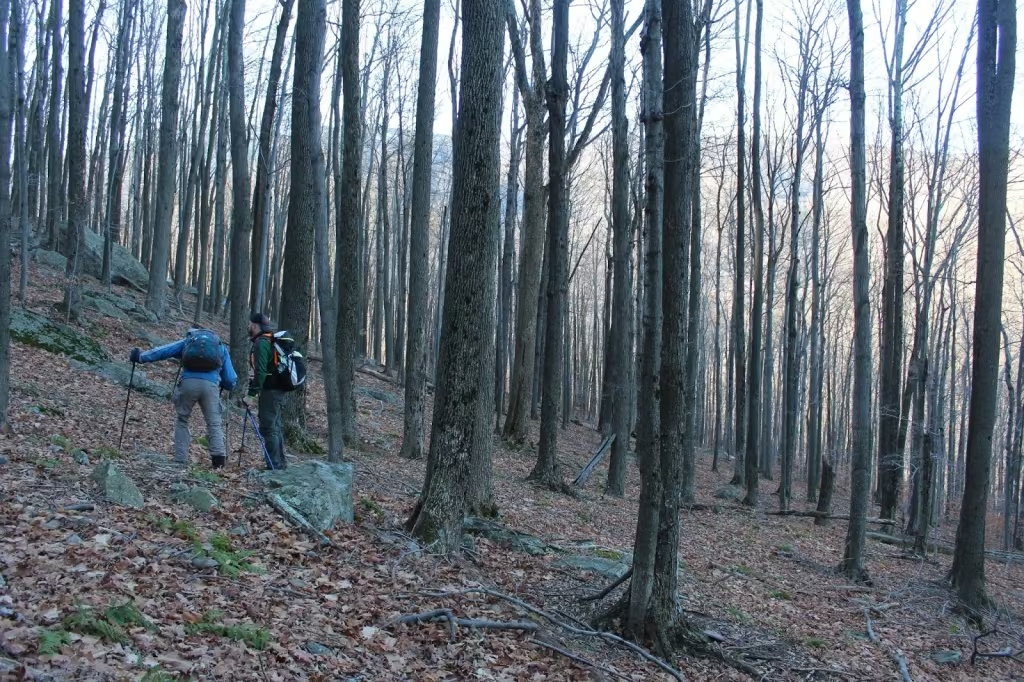
For the adventurous and seasoned hiker, the Catskills offer numerous less-trodden paths that promise solitude and discovery. Hidden valleys such as Westkill Valley and unmarked peaks like Fir Mountain provide unique challenges and breathtaking vistas away from the crowds. These gems are perfect for those who seek a more intimate connection with nature and enjoy the thrill of navigation without defined trails. One of the most challenging routes would be to tackle Slide Mountain from Woodland Valley, climbing its north face.
Navigation Tips for Specific Unmarked Areas
Navigating unmarked areas requires a firm understanding of topographic maps, compass skills, and GPS devices. To tackle the Catskills’ lesser-known routes, it’s paramount to:
- Scout Ahead: Pre-plan your route using detailed topographic maps to identify potential landmarks.
- Frequent Check-Ins: Consistently verify your position using a map and compass to avoid disorientation.
- Natural Navigation Aids: Pay attention to natural features such as river bends, distinct vegetation changes, and unique rock formations that serve as waypoints.
Potential Hazards and Special Considerations
Engaging in off-trail hiking in the Catskills brings about specific hazards that require careful attention, including:
- Dense Undergrowth: Bushwhacking often involves pushing through thick vegetation, which can obscure your path and cause scratches. Wear durable, long-sleeved clothing to protect yourself.
- Limited Visibility: Dense forests can limit visibility, making it easy to lose your way. Always maintain a line of sight with a natural landmark.
- Wildlife Encounters: Be aware of the presence of wildlife, including black bears and ticks. Carry bear spray and check for ticks regularly.
By honing your navigation skills, respecting nature, and preparing for hazards, you can enjoy the rewarding experience of exploring the Catskills’ hidden valleys and unmarked peaks.
Planning Your Off-Trail Adventure
Resources for Detailed Topographic Research
Embarking on an off-trail adventure in the Catskills requires meticulous planning and research. Start by gathering detailed topographic maps from reliable sources such as the US Geological Survey. These maps highlight elevation changes, water sources, and potential obstacles along your route.
Consider using online platforms like Caltopo for custom map creation. This tool allows you to layer various map types and input GPS coordinates, ensuring a comprehensive view of your hiking area.
Additionally, investing in guidebooks, such as those by the Catskill 3500 Club, provides valuable insights on less-traveled paths and expert tips for navigation.
Suggested Itineraries and Camping Options
Planning your itinerary is pivotal for a successful off-trail hike. Here are a few suggestions: Devil’s Tombstone State Campground or North-South Lake Stae Campground.
For lesser-known routes, consider exploring governmental NYS Department of Environmental Conservation sites, which offer up-to-date camping regulations and locations. Ensure you have permits if required and are aware of the areas where backcountry camping is permitted.
Emergency Exit Routes and Safety Protocols
Safety is paramount on any off-trail adventure. Always have an emergency exit plan, including knowing the shortest route back to trailheads or roads. Use landmarks and watercourses as guides to navigate in case of an emergency for quick exits.
Carry a personal locator beacon (PLB) or satellite messenger for remote areas, ensuring you can alert rescuers if necessary.
Establish a clear communication plan with someone not on the hike, detailing your route, expected return time, and emergency contacts. Pack a first aid kit, and be familiar with basic first-aid techniques, as well as survival skills like building a fire and purifying water.
Being well-prepared will not only enhance your off-trail experience but also ensure you tackle the Catskills’ rugged beauty safely.
______



