
Introduction to Mountain Bird Photography in the Catskills
Discovering Unique Opportunities
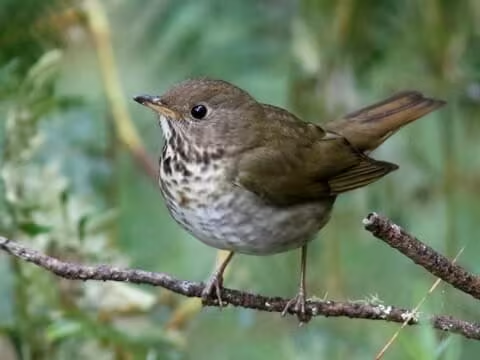
The Catskill high peaks provide a fresh challenge for bird photographers looking to capture rare and elusive species. In this region, misty mornings and rugged terrain bring the chance to spot high-elevation specialists that rarely descend to lower forests. Patient birders may be rewarded by sightings of Bicknell’s Thrush, Blackpoll Warblers, or Golden-crowned Kinglets—species that are hard to find anywhere else.
Exploring the Spruce-Fir Ecosystem
These elusive birds thrive in the dense spruce-fir forests found at elevations between 3,000 and 4,000 feet. The air is cool and filled with the scent of conifers. Moss covers the ground, and thick branches provide perfect shelter for resident and migratory birds. This environment offers beautiful, textured backgrounds for photography, but also presents challenges like low light and tangled underbrush.
The Importance of Early Mornings
For anyone hoping to document mountain birds, the early hours are essential. Birds are most active just before and after sunrise, foraging and singing as the forest wakes up. The soft golden light of dawn offers the best chance to capture clear, vibrant images without harsh shadows. Arriving early not only improves your odds of spotting key species, but also means you’ll experience the high peaks at their most peaceful.
With these opportunities in mind, let’s turn to understanding the unique forest environment that makes the Catskills so special for bird photography.
Understanding the Catskill High Peaks Environment
Spruce-Fir Forest Habitat and Resident Species
The upper elevations of the Catskill High Peaks are cloaked in dense spruce-fir forests. These woodlands, typically found between 3,000 and 4,000 feet, feel worlds apart from the mixed hardwoods below. Moss blankets the fallen logs, while mist often lingers in the morning air. This quiet, cool setting is home to several bird species rarely seen elsewhere in the Catskills. Bicknell’s Thrush prefers the tangled spruce branches, while Blackpoll Warblers and Golden-crowned Kinglets flit among the canopy. The dense needles and thick understory create both a challenge and a rewarding backdrop for photographers.
The Influence of Spring Migration
Spring migration brings a special energy to these forests. From late May to early June, male birds arrive first, staking out territories with vigorous song. Females soon follow, fueling rapid courtship and nest-building behavior. This brief window presents prime opportunities for capturing elusive species in vibrant plumage and busy routines. Because many migrants refuel and rest here after crossing long distances, dawn hours are often bustling with activity. Weather at these elevations can change quickly, so being prepared for sudden shifts in light and temperature is key.
Navigating Weather and Elevation Challenges
Photographing at high elevations means facing unique environmental hurdles. Mornings can be chilly, damp, and foggy. Clouds may settle on the peaks, muting the light and softening contrast in photos. Rain showers and gusts of wind come with little warning, especially in spring. Forest floors may be slippery with dew or mud, and trails can be rugged. Planning ahead with layers, waterproof gear, and non-slip footwear is essential for both comfort and safety. Flexibility and patience go a long way—conditions can shift, creating moments of magic just as quickly as they challenge you.
A true appreciation for this habitat enriches each photographic outing, revealing new possibilities with every visit.
Essential Gear for Mountain Bird Photography
Camera and Lens Selection for Forest Environments
Capturing birds in the misty spruce-fir forests calls for a camera that performs well in low-light. Choose a DSLR or mirrorless camera with strong ISO performance. Fast autofocus helps lock onto lively birds darting through dense branches. Lenses in the 300–600mm range offer enough reach to frame distant subjects, but be sure to pick ones with image stabilization.
A wide maximum aperture—think f/2.8 or f/4—lets in more precious light before sunrise, producing brighter shots and helping to keep your shutter speed fast enough to freeze flight.
Weatherproofing for Unpredictable Catskills Conditions
Weather changes quickly on the high peaks. Protect your gear with weather-sealed camera bodies and lenses. Always have a rain cover and a dry bag for stowing equipment when storms sweep in. Lens cloths are essential for dealing with condensation and fog on glass surfaces.
Your comfort counts, too: waterproof boots, a reliable rain jacket, and gloves that allow camera operation will set you up for those crisp, damp mornings.
Accessories for Early Morning Shoots
Early mornings mean dim light and damp terrain. A sturdy yet lightweight tripod helps you steady long lenses without sinking into mossy ground. For focusing on elusive birds in the dark, a headlamp with a red light option lets you see without startling wildlife.
Don’t forget extra memory cards and high-capacity batteries—cold temperatures can drain charge quickly. Carry a small thermos for warmth and ample lens wipes to tackle dew.
Equipped with the right gear, you’ll be ready for any twist the Catskill peaks throw at you as you chase that perfect morning photo.
Mastering Low Light Photography Techniques
Getting the Most from Pre-Dawn and Early Morning Settings
Mountain bird photography in the Catskills often happens before the sun climbs high, so success begins with understanding your camera’s low light capabilities. Start by setting your ISO higher than you might during the day—usually between 800 and 3200—while carefully watching for noise. A wide aperture like f/4 or f/5.6 lets in more light and helps keep shutter speeds quick enough to freeze fast motion, especially when birds are just waking up and moving about.
Fine-Tuning Exposure: Balancing ISO, Aperture, and Shutter Speed
Balancing your exposure triangle is key. Open up your aperture as much as you can with your lens. Keep your shutter speed above 1/500 second for perched birds, and higher for flight shots to avoid blur. If you notice images becoming grainy, try finding a compromise between ISO and aperture instead of reducing your shutter speed too much. Camera bodies with superior low light performance really shine here, making the most of limited ambient light.
Techniques for Sharp Images in Dim Conditions
A sturdy tripod or monopod is a must for keeping shots crisp before sunrise. Use the camera’s burst mode for a greater chance at catching a perfectly sharp frame. Rely on autofocus but be ready to shift to manual if your camera struggles with low-contrast scenes—common in misty spruce-fir forests. A remote shutter release or the camera’s self-timer helps eliminate shake from hand-pressing the shutter. Tracking birds quietly and minimizing movement increases your odds of steady, sharp captures in these challenging, enchanting conditions.
Now that you’re equipped to tackle darkness, the next steps will help you time your sessions to make the most of the lively early morning activity in this unique mountain world.
The Early Bird Advantage: Timing Your Photography Session
Arriving Before Dawn – Setting Yourself Up for Success
Reaching the high peaks before 6 AM puts you in the heart of bird activity at the best light. Mountain birds are most vocal and visible right after sunrise as they claim territory and search for food. The forest is quieter, and human disturbance is minimal, letting you observe natural behaviors. Early light in the spruce-fir zone is soft yet vibrant, giving your shots a pleasing, golden quality that’s tough to replicate later in the day.
Understanding Bird Rhythms and Activity Patterns
Birds like Bicknell’s Thrush and Blackpoll Warbler follow daily cycles. In spring, these species are up before sunlight crests the mountains. Their feeding peaks at dawn as they fuel up after a chilly night. Pay attention to differences between species—some, such as the Golden-crowned Kinglet, favor low shrubs right after sunrise before climbing higher. Knowing these routines helps you position yourself where birds are likely to appear.
Minimizing Disturbance While Photographing
Keeping a low profile matters. Move slowly, dress in muted tones, and pick a spot with good cover. Use natural features—like boulders or clustered spruces—to break up your shape. Avoid loud movements or chatter. Try to set up before the first light so birds return to their morning routines without noticing you. This helps you capture genuine interactions while keeping the wildlife stress-free.
With a mindful, well-timed approach, you’ll be rewarded both in your images and your experience among these remarkable mountain species.
Positioning Strategies for Optimal Morning Light
Maximizing Directional Morning Light
When the sun creeps above the Catskill ridges, its low angle washes the spruce-fir canopy in golden hues. To maximize this warm, slanting light, position yourself so the sun is either behind or slightly to the side of your intended perch or active bird area. Early rays cut through mist, giving a gentle backlight that highlights edges and feathers, setting mountain species aglow against a shadowy background. Avoid having the sun directly in front, which creates harsh contrast and silhouettes.
Scouting for Light in Advance
Light in the high peaks changes quickly, especially above 3,000 feet where gaps in the canopy open unique sight lines. Visit your chosen spot a day or two before your main shoot. Pay attention to where pockets of sunlight hit branches, blowdowns, and mossy perches. Use weather apps to predict clear versus misty mornings, and mark GPS waypoints for the best light angles. Knowing which perches receive early light helps you predict where birds might appear, particularly during frenetic morning feeding.
Employing Backlighting and Sidelighting Techniques
Backlighting can create striking rim-lit silhouettes and translucent effects on tails and wings. Position yourself so the bird is between you and the sun, and watch for moments when feathers catch the glow. Side lighting, with the sun at an angle, brings out fine color details and adds pleasing depth. Move quietly in small increments to adjust your angle without spooking your subject. A slight crouch or shift can drastically change your results, often revealing unexpected drama in a common location.
Thoughtful positioning in the first hours of daylight dramatically enhances your images’ mood and clarity, capturing the Catskill mountain birds at their luminous best. As you refine these strategies, adapting to the terrain and ever-changing light will become second nature, setting you up for even more satisfying encounters in this unique ecosystem.
Species-Specific Photography Approaches
Notable Mountain Residents and Their Habits
The Catskill high peaks are home to several elusive mountain bird species, each with its own rhythm. Bicknell’s Thrush prefers dense spruce-fir thickets, foraging low and often hidden in undergrowth. Blackpoll Warblers flit through the canopy, hunting insects and rarely pausing in open view. Golden-crowned Kinglets, tiny and energetic, travel in active flocks, often high above the mossy forest floor. Knowing where and how these birds feed—and when they’re most likely to be active—makes all the difference.
Tailoring Your Techniques
Adapt your approach to the species at hand. For thrushes and ground-feeders, move quietly and keep low, using natural cover. Listen for their distinct calls before visual contact. Warblers often require tracking movement amidst branches; keep your camera at the ready and anticipate sudden bursts into sunlight. For kinglets, patience is key—they rarely sit still, so burst mode and a fast shutter speed help freeze their lively motions.
Maximizing Spring Migration Opportunities
Spring migration is a golden opportunity. Resident species are more active, and birds in transit stop frequently to rest and feed. Early morning, after first light, offers the richest moments for interaction—these birds feed voraciously before human presence increases. By learning their spring routines and peak foraging zones in the Catskills’ spruce-fir landscape, you’ll find prime chances to document a variety of behaviors and fleeting encounters.
An understanding of these patterns sets you up for success as you continue your journey in capturing these remarkable montane birds.
Field Ethics and Conservation Considerations
Responsible Practices in Sensitive Mountain Habitats
Photographing birds in the Catskill high peaks is a privilege, but it also comes with responsibility. The spruce-fir ecosystem at these elevations is fragile. Stick to established trails to avoid trampling rare plants or disturbing the understory where birds feed and nest. Use telephoto lenses so you can keep a respectful distance from your subjects—getting too close can force birds to flee or abandon their nests.
Minimizing Impact While Documenting Behavior
Be mindful of your presence. Move slowly and avoid loud noises. Stay alert for signs of stress in birds, such as warning calls or frequent movement away from you. Limiting your time in one location, especially near nesting sites, helps prevent disruption to ongoing behaviors. Early mornings offer great light, but sensitive species may be most vulnerable then, so use patience and discretion.
Photography for Conservation Awareness
Photos from these high peaks can help raise awareness about the unique and threatened species of the region. When sharing your images, include educational captions that highlight conservation needs and the importance of protecting fragile mountain habitats. These images have power—use them to inspire responsible enjoyment and stewardship of the Catskills, fostering care for these ecosystems.
Next, let’s explore how thoughtful post-processing can bring out the best in your mountain bird photos while remaining true to nature.
Post-Processing Tips for Mountain Bird Images
Handling Forest and Low-Light Challenges in Post
Forest photography often means shadows, deep greens, and tricky low-light conditions that can leave your images looking flat or noisy. When post-processing, start with noise reduction tools to smooth grain while still keeping feather details sharp. Adjust white balance to correct any blue or green color cast caused by dawn light filtering through the canopy. Use exposure sliders to bring up shadow details without washing out highlights—this helps the bird pop against the moody forest.
Enhancing Detail While Staying True to Nature
It’s tempting to crank up contrast and saturation, but subtlety is key for natural-looking mountain bird images. Use selective sharpening on the bird’s eye and plumage to highlight crisp details. Dodge and burn tools can gently brighten the bird or important features and darken distracting backgrounds. Keep colors realistic—avoid overly vibrant greens or artificial blues by referencing field guides or reference images.
Organizing and Cataloging Your Collection
Effective cataloging starts in your editing software. Create folders by date, location, and species, making future retrieval simple. Apply consistent naming conventions and add keywords for species, behaviors, and weather. Back up your files to cloud storage or external drives to safeguard your growing collection.
With a strong post-processing routine, your Catskill mountain bird images will hold both detail and authenticity, setting a foundation for a striking portfolio.
Conclusion: Developing Your Mountain Bird Portfolio
Building a Compelling Collection
Developing a rich portfolio of mountain bird photography from the Catskills is about more than capturing a single striking image. Aim to showcase a variety of species, habitats, and behaviors. Include both close-up portraits and wide shots that highlight the spruce-fir ecosystem’s character. Balance action shots with serene moments, as every image tells part of the region’s story.
Learning From Each Outing
Every field session brings new lessons. Review your images to spot recurring challenges. Maybe you missed focus in the low light or struggled with cluttered backgrounds. Take notes after each trip—Did a certain technique help? Did you notice a pattern in bird activity? Reflecting on successes and setbacks accelerates your growth as a photographer.
Expanding Opportunities With the Seasons
The Catskills transform with each passing month. Spring migration offers a chance to capture rare visitors, while summer reveals breeding behaviors in lush greenery. In fall, shifting foliage adds new colors and moods. Revisit key sites at different times of year to round out your portfolio with diverse scenes and bird species.
Building a collection takes patience, curiosity, and time spent on the mountain trails. By documenting these elusive birds throughout the changing seasons, you create a visual record that celebrates and supports the unique life of the Catskill high peaks.



