

Introduction to Native American Heritage in the Upper Delaware River Basin
The Upper Delaware River Basin has a deep and enduring connection to Native American heritage. This region was historically home to indigenous tribes such as the Lenape, who flourished along the river’s rich banks and forests. The river basin was not just a place to live—it was vital to the identity and survival of these communities. The landscape offered an abundance of wildlife, fertile soil, and natural resources that supported diverse ways of life.
Tribes of this area developed a close relationship with the land. The river served as a lifeline, shaping trade, travel, and daily customs. Its waters and surrounding woodlands influenced spiritual life and seasonal traditions. Cultural practices passed through generations honored the rhythms of local ecosystems.
Exploring these traditions offers valuable insight into how indigenous communities adapted to—and cared for—this distinctive region. Their cultural knowledge, values, and environmental understanding continue to inform modern perspectives on stewardship and heritage. This story of deep connection and resilience echoes into present-day life throughout the Upper Delaware.
The Major Tribes of the Upper Delaware: Historical Context
The Lenape and Neighboring Peoples
The Upper Delaware River region was first and foremost home to the Lenape, also known as the Delaware people. Their territory, called Lenapehoking, spanned Pennsylvania, New Jersey, New York, and Delaware. Groups such as the Munsee, a branch of the Lenape, lived in the basin’s northern areas, while neighboring tribes inhabited nearby regions and sometimes shared hunting grounds or trade routes.
Social Structures and Governance
Pre-colonial Lenape society was organized into clans, known as phratries, which traced descent through the mother’s line. Important decisions were made by councils of elders, and leadership roles were often held by respected individuals rather than through inherited royalty. Tribal life centered on communal living, cooperation, and respect for elders’ wisdom. The social structure encouraged harmony with nature and emphasized the importance of group consensus in governance.
Patterns of Settlement and Displacement
The presence of the Lenape in the Upper Delaware goes back thousands of years. They lived in semi-permanent villages near water sources and moved with the seasons for hunting, fishing, and gathering. With the arrival of Europeans in the 17th century, their way of life changed rapidly. Treaties, land sales under pressure, and forced removals led to the gradual displacement of Lenape communities from their ancestral land. By the mid-1800s, most Lenape relocated westward, causing a profound loss of homeland but not of identity.
The region’s landscapes and waters continue to hold powerful meaning for the Lenape and their descendants, connecting them to a time before disruption.
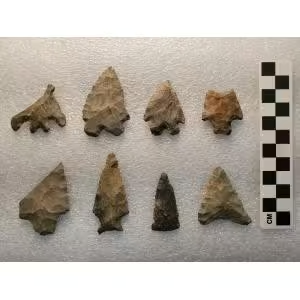
Spiritual Connections to the Land and Water
Sacred Relationship with the Delaware River
For the Lenape and other indigenous peoples of the Upper Delaware River Basin, the land and water were more than natural resources; they formed the heart of spiritual life. The river was viewed as a living relative, offering both physical nourishment and deep spiritual meaning. Each bend of the river, each spring, and forest clearing carried a story and a sense of presence, connecting people to their ancestors and the spirit world.
Rituals Aligned with Nature
Ritual practices marked the changing seasons, reflecting cycles of planting, harvest, hunting, and fishing. These ceremonies showed gratitude for the gifts provided by the earth and water, and often included offerings, songs, and dances. The timing of these rituals helped ensure balance—expressing respect and mindful use rather than domination.
Origin Stories and Landmarks
The landscape itself told powerful stories. Sacred sites in the region, such as certain hills, rock formations, and river confluences, played a key role in Lenape mythology. These stories explained the origins of the world, the people, and the animals, tying identity and ethics directly to specific geographical features. This storytelling tradition kept the landscape alive in memory and purpose.
This enduring spiritual bond with the land and water continues to shape the values and perspectives of Lenape descendants today.
Traditional Ecological Knowledge and Sustainable Practices
Nurturing the Land: Indigenous Approaches
The tribes of the Upper Delaware River Basin, particularly the Lenape, developed agricultural and land management techniques that were closely tied to the rhythms of their environment. They practiced companion planting, such as growing corn, beans, and squash together—a method that enriched the soil and reduced the need for additional clearing. Fields rotated naturally, allowing the land to rest and recover.
Balanced Hunting, Fishing, and Gathering
Seasonal migration guided their approach to hunting, fishing, and gathering. By following animal patterns and harvest cycles, they avoided overuse and ensured food sources remained plentiful each year. Fishing seasons were tied to spawning runs; hunting was selective, respecting animal populations. These traditions kept the ecosystem in balance and avoided depletion of resources.
Early Conservation Wisdom
Much of this ecological knowledge reflects principles echoed by today’s conservationists. The tribes’ respect for natural cycles, limits, and biodiversity laid groundwork for practices that support sustainability. Their understanding of the land continues to inspire those seeking harmony with the environment.
Their ways of living gracefully adapted with change. This spirit lives on through cultural customs, shaping the resilience and creativity at the heart of their identity.
Material Culture and Artistic Traditions
Adapting to the River Environment
The Lenape and neighboring tribes living along the Upper Delaware River developed materials and tools uniquely suited to the region’s forests and waterways. They used river stones and hardwoods to craft tools for fishing, hunting, and farming. Canoes were hollowed out from sturdy tree trunks, making them agile for river travel. Woven baskets, made from native plants, were designed for gathering wild foods and transporting goods.
Symbolism and Tribal Identity
Artistic traditions were woven into daily life and cultural identity. Patterns on pottery, beadwork, and clothing carried special meanings—often representing family ties, animals, or spiritual beliefs. Symbols and motifs passed down generations helped preserve tribal stories and reinforce unity.
Cultural Expression and Change
Contact with European settlers introduced new materials, like metal tools and glass beads, which Native artists quickly incorporated into their work. Despite these changes, the core artistic themes—connection to land, nature, and community—remained central. Adaptation of materials and designs highlighted the resilience of tribal identity even as cultures changed around them.
Stories and language, closely tied to these material traditions, served as a bridge between generations, reinforcing the importance of oral history in keeping culture alive.
Language and Oral Traditions of the Delaware River Tribes
The Lenape Linguistic Heritage
The Lenape language, an Algonquian tongue, once flourished along the Upper Delaware River. It was not just a means of everyday communication, but a vessel for tribal laws, kinship terms, and environmental wisdom. Other neighboring tribes spoke similar dialects, making inter-tribal trade and diplomacy easier. The words used for local plants, animals, and seasonal changes also highlight how deeply the language connected people to their homeland.
Storytelling and Knowledge Preservation
Oral tradition shaped every aspect of life for Delaware River tribes. Storytelling passed down practical knowledge—like how to read floods or recognize medicinal plants—and also reinforced values such as respect, sharing, and gratitude. Many stories revealed the spirits and histories of the river, mountains, and forests. Elders, known for their wisdom, taught children about clan history, rituals, and the interconnectedness of all living things. These stories created a strong sense of place and community.
Reviving Language and Tradition Today
Although past disruptions, including forced displacement, threatened the survival of Lenape and related languages, there has been a growing movement to bring them back. Families, schools, and tribal organizations are now developing language courses and children’s books in Lenape. Public storytelling events and digital archives further help younger generations reconnect to their roots. This revival is reshaping identity, empowering Delaware River descendents, and ensuring their traditions thrive.
Today, this drive goes hand in hand with caring for the land and strengthening cultural pride.
The Impact of European Contact and Colonial Expansion
Early Relationships and Exchanges
When European settlers arrived in the Upper Delaware River Basin, they initiated trade and negotiated treaties with the Lenape and neighboring tribes. Early interactions sometimes involved the sharing of goods and knowledge. However, misunderstandings over land ownership and cultural differences quickly surfaced.
Displacement and Demographic Change
As colonial settlements grew, land pressures mounted. The Lenape and other tribes faced displacement through forced land sales, broken treaties, and government policies. Gradually, many indigenous families were pushed from their ancestral homelands, disrupting traditional ways of life and causing population declines.
Cultural Response and Preservation
Indigenous communities resisted in many ways. Some adopted European practices for survival, while others maintained secret ceremonies or moved to less accessible areas. Through adaptation and resilience, many traditions, stories, and spiritual practices continued despite great upheaval.
Communities still honor their connection to the river and their ancestors, passing along knowledge and values to new generations.
Contemporary Tribal Communities: Continuity and Revival
Present-Day Tribal Descendants and Locations
Today, descendants of the Lenape and related tribes have been pushed far from their homeland. Many are found in Oklahoma, Wisconsin, and Ontario. Despite this diaspora, their connection to the Upper Delaware River Basin remains strong. Some families still live within the region, while others return for gatherings and cultural events.
Keeping Traditions Alive
Though centuries of disruption have created challenges, tribal members continue to teach and celebrate their heritage. Family elders share ceremonial knowledge, food traditions, and crafts with younger generations. Powwows, language classes, and online communities help bridge the distance, allowing traditions to thrive.
Cultural Renaissance and Renewal
Recently, there’s been a powerful revival of Lenape culture. Art, music, dance, and storytelling are gaining visibility. Efforts to reclaim ancestral names for places, document traditional plant uses, and preserve sacred sites are ongoing. Public education campaigns are fostering awareness, and community leaders encourage open dialogue with non-native neighbors.
This living heritage continues to enrich the region’s identity and inspires others to seek harmony with the land and water.
Native American Influence on Modern Environmental Stewardship
Traditional Principles Inspiring Today’s Conservation
The Lenape and other tribes of the Upper Delaware have long held deep respect for nature, shaping their daily choices with values of balance and reciprocity. These indigenous ideas, such as taking only what you need and giving back to the land, inspire many modern conservation efforts in the region. Indigenous lessons about rotating crops, planting in harmony with seasons, and protecting waterways have become blueprints for some local agricultural and restoration projects.
Partnerships and Stewardship Efforts
Collaboration between tribal representatives and environmental agencies is growing. Together, they address river health, native plant restoration, and protect animal habitats. Such partnerships encourage mutual respect, blending scientific research with tribal ecological knowledge to care for the land. Tribe-involved projects often feature traditional burning and planting methods, helping restore natural balance.
Meeting Modern Challenges with Ancestors’ Wisdom
Facing issues like invasive species and pollution, the basin’s communities draw on Native wisdom for practical, sustainable solutions. By using time-tested gathering and fishing practices, tribes help regulate wildlife populations while teaching others the importance of mindful stewardship. This rooted, respectful approach supports the thriving landscapes seen today.
The next section will explore how cultural heritage and tribal sites are shared with the broader community.
Cultural Heritage Tourism and Educational Initiatives
Honoring Sacred Sites and Place-Based History
Across the Upper Delaware River Basin, sites with deep tribal roots are being recognized and protected. Long-standing trails, ancient village locations, and river crossings once central to daily Lenape life now serve as places of learning and reflection. Efforts to preserve these areas focus on respecting their spiritual and cultural meaning, often through interpretive signage or collaborative management with Native communities. Visitors are encouraged to approach these places with sensitivity and learn the layered stories they hold.
Sharing Indigenous Perspectives Through Education
Programs led by tribal members, elders, or educators give the public a more personal view into Native lifeways. These include guided walks, living history demonstrations, and school presentations. Such offerings often highlight how indigenous ecological understanding is linked to cultural survival. Oral histories and storytelling create a space for intergenerational knowledge-sharing, ensuring younger generations and guests alike develop respect for the land and its original caretakers.
Tourism as Pathway to Economic and Cultural Vitality
Heritage tourism in the basin doesn’t just foster understanding—it helps support tribal economies and cultural leadership. Local arts, traditional food tastings, and cultural events provide both educational and income-generating opportunities. Care is taken to present these experiences in partnership with Native people, so tourism remains respectful, authentic, and beneficial to the community.
As these connections grow, they create a broader sense of stewardship and shared responsibility throughout the region.
Legal Recognition and Land Rights: Ongoing Challenges
Status of Federal Recognition
Federal recognition remains a major challenge for tribes with historical connections to the Upper Delaware River Basin. While some Lenape communities have achieved recognition in areas like Oklahoma and Wisconsin, those with roots in the basin often lack official status. This lack of recognition limits their ability to claim ancestral land, access federal support, and protect cultural sites.
Land Claims and Treaty Rights
Historical land claims in the Upper Delaware region are complicated. Treaties made centuries ago were often broken or ignored, leading to forced removals and a patchwork of unresolved legal rights. Native groups face hurdles in pursuing litigation or negotiations because of shifting boundaries, lost documentation, and resistance to returning land. Many sacred sites fall outside reservation boundaries, increasing the risk of development and destruction.
Recent Legal Developments
Recent years have seen some legal progress, such as increased dialogue between Indigenous groups and conservation agencies. However, significant obstacles persist—limited funding, slow legal processes, and disputes with private landowners can stall preservation efforts. Tribal advocates continue to work for protection of sacred areas and stronger cultural resource laws, but full sovereignty and restitution remain a work in progress.
As these challenges endure, the enduring strength of Native communities shapes how their culture remains an active part of the region today.
Conclusion: The Enduring Legacy of Native American Cultures
The story of the Upper Delaware River Basin is inseparable from the heritage of its Native American peoples. Their wisdom, traditions, and relationship with the river continue to shape the region’s identity. Recognizing their contributions means seeing the land as they did—alive and interwoven with daily life. Honoring indigenous voices helps preserve valuable lessons in environmental care and respect. Supporting these communities ensures that cultural knowledge and ethical stewardship are kept alive for generations, rooting us all more deeply in the land’s enduring story.



