
Introduction to the Upper Delaware River Region
Geographic Significance
The Upper Delaware River region holds a remarkable geographic significance as it has been a historical Native American territory for centuries. Indigenous habitation of the region reaches back over 10,000 years. This area, with its lush landscapes and abundant natural resources, provided an ideal environment for the Native American tribes, particularly the Lenape people. The diverse terrain which includes forests, rivers, and fertile lands, offered a rich habitat that sustained the tribe with essential resources such as food, water, and materials for tool-making.
The Presence of the Lenape Tribe
The Lenape tribe, also known as the Delaware Indians, were the primary inhabitants of this region. They relied on the river and surrounding lands for their daily sustenance and cultural practices. Evidence suggests that the Lenape established semi-permanent villages along the riverbanks and utilized the resources within the rich ecosystem. They were known for their resilience and adaptability, creating a harmonious relationship with the environment that provided them both sustenance and spiritual fulfillment.
Importance of Archaeological Discoveries
Archaeological discoveries in the Upper Delaware River region have been pivotal in shedding light on the rich cultural past of the Lenape tribe. Excavations have unearthed various artifacts such as tools, weapons, and ceremonial items, offering a glimpse into the daily lives and practices of the Native American inhabitants. Understanding these artifacts allows researchers to piece together the methods and techniques used by the Lenape in their everyday activities, such as hunting, fishing, and crafting. Moreover, these discoveries provide invaluable insights into their societal structures, trade practices, and spiritual beliefs.
The region continues to be of interest to archaeologists, as every new find contributes to a broader understanding of the cultural heritage of not only the Lenape tribe but also the diverse tapestry of Native American history.
Types of Artifacts Found in the Region
Common Categories of Artifacts
The Upper Delaware River Region has an abundance of artifacts that offer a glimpse into the lives of the Lenape people. The most commonly found artifacts include tools, weapons, and ceremonial items. These artifacts are an essential resource for understanding how the Lenape thrived in this region.
Significance of Arrowheads
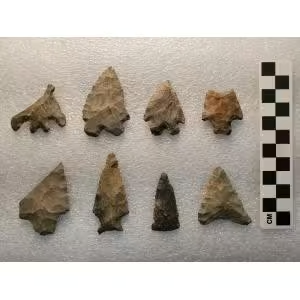
Arrowheads are among the most frequently discovered artifacts. They come in various designs and sizes, each serving a distinct purpose. The different shapes and materials of arrowheads provide insights into the hunting practices and technological advancements of the Lenape tribe. Some arrowheads were designed for hunting big game, while others were used for smaller prey. The craftsmanship involved in shaping these tools reflects the skill and knowledge of the Lenape artisans.
Preservation State of Artifacts
The preservation state of discovered artifacts varies significantly. Some items, especially those made from stone, are found in relatively good condition. This is due to the durability of the material and the favorable environmental conditions in the region. However, organic materials like wood and bone are often more degraded, requiring careful and advanced preservation techniques. The artifacts’ conditions help archaeologists understand the context in which they were used and the challenges faced by the Lenape people.
Overall, the types of artifacts found in the Upper Delaware River region provide invaluable clues about the Lenape’s way of life. These discoveries continue to enrich our understanding of Native American history and their sophisticated culture.
Lenape Tools and Technologies
Hunting and Fishing Tools
The Lenape people were adept hunters and fishers, employing a variety of tools for these vital activities. They crafted spears, bows, and arrows for hunting game like deer, turkeys, and smaller mammals. Fishing tools included bone hooks, nets, and weirs, which were strategically placed in rivers and streams to trap fish. These tools were designed with precision, reflecting a deep understanding of their environment.
Stone Tools for Food Preparation and Crafting
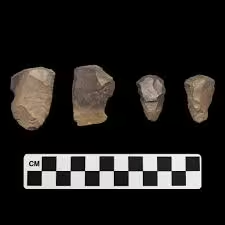
Stone tools played a significant role in the daily lives of the Lenape. They used hammerstones, grinding stones, and mortars and pestles to process food. These tools were essential for grinding grains, nuts, and roots into flour or meal, enhancing food preservation and preparation techniques. Additionally, stone adzes and axes were used in woodworking, aiding in the construction of shelters and crafting various household items.
Evolution of Tool-Making Techniques
The Lenape’s tool-making techniques evolved over time, demonstrating their ingenuity and adaptability. Initially, they relied on simple flaking methods to create sharp edges on stones. Over generations, they developed more sophisticated techniques like pressure flaking, which allowed for finer, more precise tools. This evolution is evident in the variety and quality of artifacts discovered, such as intricately crafted arrowheads and beautifully polished stone tools.
The practical and innovative nature of the Lenape’s tools and technologies provides a remarkable insight into their way of life and their ability to thrive in the Upper Delaware River Region.
Archaeological Excavation Sites
Notable Archaeological Sites
The Upper Delaware River region has several notable archaeological sites that have unveiled significant insights into Lenape history and culture. Among these, the Minisink Archaeological Site stands out. This site has provided a plethora of information through its well-preserved artifacts and structures, dating back thousands of years. Another key site is the Cushetunk Site, known for its array of artifacts that highlight the Lenape’s daily and ceremonial life.
Key Discoveries and Their Historical Context
At these sites, key discoveries include pottery shards, tools, weapons, and food remnants. These artifacts help archaeologists understand the Lenape’s lifestyle and adaptation over time. For instance, the variation in pottery design offers clues about the tribe’s interaction with neighboring groups. Tools and weapons such as stone knives, axes, and fishhooks shed light on their hunting and fishing practices. The discovery of fire hearths and storage pits also reveals their methods of cooking and food storage, providing a vivid picture of Lenape domestic life.
Ongoing Excavation Projects and Research
Currently, ongoing excavation projects continue to uncover new facets of the Lenape heritage. Archaeologists use advanced technologies like ground-penetrating radar to uncover hidden structures without extensive digging. Collaborative efforts between researchers and local Native American communities ensure that these projects honor and respect the cultural significance of the artifacts. These collaborations also provide a more comprehensive understanding by integrating oral histories and tribal knowledge with archaeological evidence.
These excavation efforts not only preserve the history of the Lenape people but also enrich our understanding of their contributions to the region’s cultural heritage.
Cultural Significance of Artifacts
Insights into Lenape Daily Life and Customs
Archaeological artifacts serve as a window into the daily life and customs of the Lenape people. These artifacts, including pottery shards, tools, and personal items, reveal the functional aspects of Lenape existence. For instance, the discovery of grindstones and hammerstones indicates the processing of food and materials, essential for sustenance and craftsmanship. Additionally, household items suggest a communal lifestyle, with shared responsibilities and resources. Such discoveries provide a comprehensive understanding of the Lenape’s social structure, daily routines, and their interaction with the environment.
Spiritual and Ceremonial Significance of Certain Artifacts
Some artifacts unearthed from the Upper Delaware River region have profound spiritual and ceremonial significance. Items such as ceremonial pipes, burial goods, and carved figurines suggest elaborate rituals and a deep connection to the spiritual world. These objects often held symbolic meanings and were used in rituals to honor deities, ensure successful hunts, or mark significant life events. The intricate designs and materials used in crafting these items underscore the importance of spiritual practices in Lenape culture and their reverence for the natural and supernatural worlds.
Connection Between Artifacts and Tribal Traditions
Artifacts also highlight the connection between the Lenape’s daily life and their tribal traditions. For example, the design of tools and weapons reflects traditional techniques passed down through generations. Similarly, pottery styles and decorations reveal a blend of practicality and artistic expression, rooted in cultural heritage. These artifacts document the ways in which the Lenape adapted their traditional knowledge to the resources and challenges of their environment, maintaining cultural continuity while evolving technologically and socially.
Understanding these cultural significances not only enriches our historical knowledge but also fosters a deeper appreciation for the Lenape’s contribution to the region’s heritage. As we preserve and study these artifacts, we continue to unravel the rich tapestry of the Lenape’s history, ensuring their legacy endures.
Preservation and Modern Significance
Current Conservation Efforts
The Upper Delaware River region’s rich indigenous history is mirrored in its diverse range of Lenape artifacts. Ongoing conservation efforts are vital to ensuring these artifacts are preserved for future generations. Conservationists and archaeologists are employing advanced techniques such as digital imaging and 3D modeling to document and preserve these items meticulously. These technological advancements help in minimizing physical handling, thereby reducing the risk of damage.
Additionally, climate-controlled environments are created to store the more delicate artifacts, maintaining consistent temperature and humidity levels to prevent deterioration. Regular monitoring and maintenance further ensure that these precious pieces of history remain intact over time.
Role of Museums and Educational Institutions
Museums and educational institutions play a crucial role in the preservation of Lenape artifacts. They not only serve as custodians of these historical objects but also facilitate public education and awareness. Institutions such as the Museum of Indian Culture provide vital resources for researchers and historians, enabling deeper understanding of the Lenape’s heritage.
Educational programs and exhibitions organized by these institutions offer the general public a glimpse into the rich history and culture of the Lenape people. Through interactive displays, workshops, and lectures, visitors can gain insights into the tribe’s daily life. They learn about the tribe’s tools and technologies. Visitors also discover the tribe’s profound connection with the land.
Importance for Modern Native American Communities
For modern Native American communities, these artifacts hold significant value. They serve as tangible links to their ancestors, providing a sense of identity and continuity. The discoveries made in the Upper Delaware River region help contemporary Lenape people connect with their heritage. They foster a deeper understanding and appreciation of their cultural legacy.
Acknowledgment and integration of these findings into modern cultural practices can empower and enrich native communities. They offer an opportunity to revive traditional crafts, ceremonies, and customs, ensuring that the rich history of the Lenape people is not only preserved but also celebrated and continued.
These artifacts act as a bridge between the past and the present, illustrating the resilience and adaptability of the Lenape people. We cherish and protect these historical treasures. By doing so, we honor the enduring legacy of the Lenape tribe. Their contributions to regional and national history are significant.



