

Why Investing in Physical Plant Upkeep is Essential for Motel Owners.
Understanding the Value of Physical Plant Maintenance
The Direct Relationship Between Property Maintenance and Business Success
Taking care of your motel’s physical plant is crucial for business success. Well-maintained properties not only look inviting but also work better, resulting in fewer disruptions to service. When guests see that everything is in good repair, from the HVAC systems to the plumbing, it boosts their confidence in the overall quality of your establishment. Happy guests are more likely to leave positive reviews, return for future stays, and recommend your motel to others, driving long-term success.
How Preventive Maintenance Impacts Guest Satisfaction and Revenue
Preventive maintenance plays a key role in maintaining guest satisfaction and boosting revenue. Regular check-ups and repairs ahead of time help avoid inconvenient breakdowns that can turn guest experiences sour. When guests encounter issues like malfunctioning air conditioning or clogged pipes, it tarnishes their impression of your business. Keep everything running smoothly, and they’ll enjoy a comfortable stay, leading to higher occupancy rates and potentially increased room rates.
The True Cost of Deferred Maintenance in the Hospitality Industry
Deferred maintenance, or putting off necessary repairs, can be detrimental in the long run. Initially, it might seem like a cost-saving measure, but eventually, those small issues can evolve into major problems that are far more expensive to fix. For example, a small leak that goes unattended can cause extensive water damage, requiring costly remediation efforts. Moreover, the downtime associated with major repairs can lead to significant revenue loss and, worse, damage to your motel’s reputation.
By understanding the value of physical plant maintenance, motel owners can see the direct link between a well-maintained property, guest satisfaction, and business success. This awareness is the foundation for prioritizing essential repairs and preventing costly issues down the road.
Key Areas Requiring Regular Maintenance in Motels
Critical Systems that Need Consistent Monitoring
Regular maintenance of critical systems such as HVAC, plumbing, and electrical is vital for motels. HVAC systems are essential for guest comfort. They need routine checks to ensure optimal functioning, as their malfunction can lead to uncomfortable temperatures and unhappy guests. Plumbing systems should be inspected regularly for leaks, clogs, and other issues. Addressing these problems early can prevent extensive damage and costly repairs down the line. Electrical systems also require constant oversight to ensure safety and efficiency. Faulty wiring or outdated electrical panels can be fire hazards, besides causing interruptions in service.
Common Areas and Guest Room Maintenance Priorities
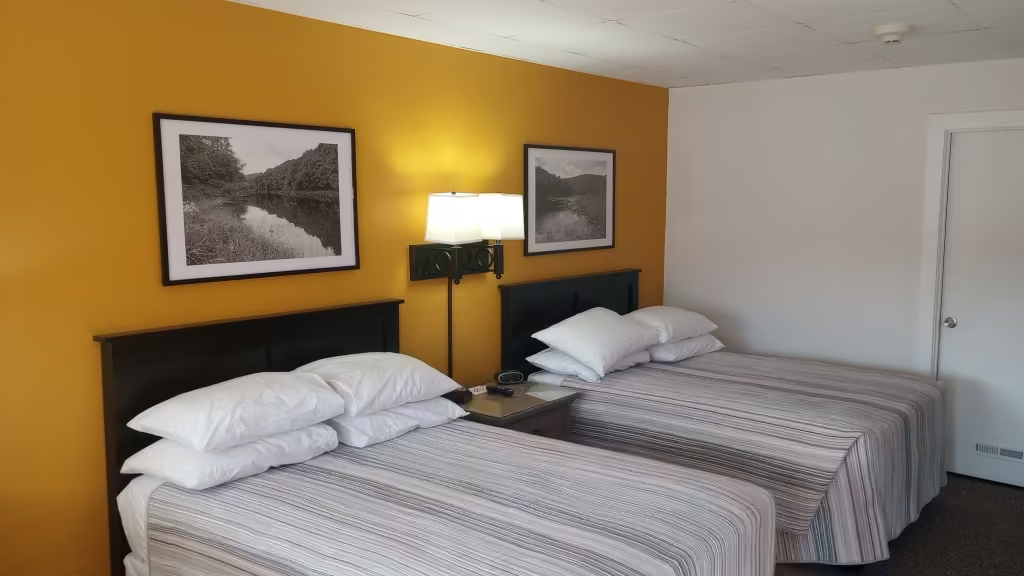
Maintaining common areas and guest rooms is crucial for delivering a positive guest experience. Regular cleaning and upkeep of lobbies, hallways, and dining areas are necessary to create a welcoming environment. Guest rooms should be checked regularly for issues such as broken furniture, malfunctioning appliances, and general wear and tear. Ensuring that everything works correctly and appears well-maintained can significantly enhance guest satisfaction and encourage repeat visits.
Exterior Maintenance and Curb Appeal Considerations
Exterior maintenance plays a significant role in attracting guests and creating a positive first impression. Well-maintained landscaping, clean parking lots, and freshly painted exteriors contribute to a motel’s curb appeal. Regularly inspecting the property’s exterior can also help identify and address potential problems, such as roof damage, gutter clogs, or worn-out signage, before they escalate into more severe issues.
By focusing on these key areas, motel owners can ensure their properties remain in top condition, thus contributing to overall business success. Proper maintenance practices not only enhance guest satisfaction but also prevent costly repairs and extend the life of the property.
Keeping these maintenance priorities in check builds a solid foundation for your property, which sets the stage for a more comprehensive approach to maintenance, ensuring long-term benefits.
Creating an Effective Maintenance Strategy
Developing a Comprehensive Preventive Maintenance Schedule
An effective maintenance strategy starts with a detailed preventive maintenance schedule. This schedule should outline regular checks and services for critical systems such as HVAC, plumbing, and electrical units. Regular inspection and upkeep can prevent minor issues from escalating into costly repairs. It’s important to adhere to manufacturer guidelines for maintenance intervals and to document each service activity to track performance and lifespan of the equipment.
Balancing Routine Maintenance with Emergency Repairs
While preventive maintenance is crucial, businesses must also prepare for unexpected issues. Balancing routine maintenance with the capability to address emergency repairs ensures the property remains operational and guest services are not disrupted. It’s essential to have a contingency plan, including a list of trusted contractors for rapid response. Time is of the essence in emergency scenarios, so having clear procedures can greatly reduce downtime.
Implementing a Reliable Inspection and Reporting System
A well-organized inspection and reporting system is fundamental to any maintenance strategy. Regular inspections can identify potential problems early, and a reliable reporting system ensures swift action. Digital tools can streamline this process by allowing real-time updates and tracking of maintenance tasks. Staff should be trained to recognize and report issues promptly. Consistent and accurate reporting not only keeps the property in top condition but also aids in future planning and budgeting.
Maintaining an effective strategy requires ongoing evaluation and adjustment. This ensures not only the longevity and efficiency of the property but also enhances guest experience and satisfaction.
Financial Benefits of Proactive Maintenance
Keeping up with proactive maintenance plays a crucial role in enhancing the financial health of a motel. By focusing on regular upkeep, owners can prevent minor issues from ballooning into costly repairs, thereby securing both short-term savings and long-term financial stability. Here’s why proactive maintenance is a smart investment for motel owners.
Long-term Cost Savings through Prevention vs. Reactive Repairs
One of the most significant advantages of proactive maintenance is the long-term cost savings. When minor issues are addressed early, they don’t have the chance to escalate into more significant problems that require expensive repairs. For instance, routinely servicing HVAC systems helps avoid sudden breakdowns and the high costs associated with emergency fixes or equipment replacement. Consistent checkups can identify and resolve plumbing leaks before they cause extensive water damage, saving owners from hefty repair bills.
Improved Property Value and Asset Longevity
Regular maintenance contributes to the longevity of a property’s assets. Well-maintained properties tend to hold their value better over time. A property that looks good and functions optimally is more likely to attract guests, thereby increasing occupancy rates and revenue. Moreover, maintaining the physical plant ensures that major systems like plumbing and electrical are in top shape, prolonging their lifespan and reducing the need for premature replacements. This results in substantial savings and a better return on investment in the long run.
Reduced Operational Disruptions and Revenue Loss
Operating a motel efficiently means minimizing disruptions to guest services. Proactive maintenance ensures that critical systems are always in good working order, which reduces the likelihood of sudden malfunctions that could inconvenience guests and disrupt operations. By reducing unexpected downtime, motels can maintain smooth daily operations, ensuring guest satisfaction and consistent revenue streams. In contrast, reactive repairs can cause significant interruptions, potentially leading to negative guest experiences, bad reviews, and lost income.
Ensuring proactive maintenance sets the stage for smooth operations and financial prudence, providing the dual benefits of saving on costs and enhancing guest satisfaction. By fostering these best practices, motel owners are well-equipped to reap these financial rewards, avoiding the pitfalls of deferred maintenance and securing a thriving business.
Leveraging Technology for Better Maintenance Management
Modern Maintenance Management Software Solutions
Investing in modern maintenance management software is a game-changer for motels. These tools streamline the entire process, from scheduling routine checks to logging emergency repairs. With an intuitive interface, staff can quickly access records, track progress, and ensure no task gets overlooked. This efficiency translates directly into better operations and fewer disruptions for guests.
Digital Tracking and Scheduling of Maintenance Tasks
Digital tracking not only simplifies scheduling but also adds a layer of accountability. Teams can record completed tasks and set reminders for future maintenance, ensuring nothing slips through the cracks. This approach allows motel owners to keep a close eye on all aspects of maintenance, from HVAC systems to cleaning schedules. Consistent follow-through becomes automatic, which contributes to a more comfortable and safe environment for guests.
Using Data Analytics to Optimize Maintenance Operations
Data is an invaluable asset when it comes to optimizing maintenance operations. By leveraging analytics, motel owners can identify patterns and predict when systems are likely to fail. This prediction lets you tackle issues before they become major problems, saving both time and money. Over time, data-driven insights enhance decision-making and ensure maintenance resources are used effectively.
Avoiding costly repairs and improving guest experiences are just a few benefits of technology in maintenance management. Ensuring a proactive strategy and efficient operations ultimately leads to sustained property value and smooth day-to-day operations.
Building a Culture of Maintenance Excellence
Training Staff for Maintenance Awareness and Reporting
Establishing a culture of maintenance excellence begins with training. Motel staff should be educated on the importance of routine maintenance and how it directly impacts guest satisfaction, revenue, and property value. Training programs should cover basic maintenance tasks and the proper procedures for reporting issues. By empowering every team member to identify and report maintenance needs, potential problems can be addressed before they become costly repairs.
Establishing Clear Maintenance Protocols and Responsibilities
Clear maintenance protocols and responsibilities are essential for a well-functioning motel. Every staff member should understand their roles and responsibilities regarding property upkeep. Develop a concise maintenance manual detailing specific tasks, their frequency, and the personnel responsible. This ensures consistency and accountability across the board.
Measuring and Improving Maintenance Performance Metrics
To maintain high standards, it’s vital to measure and improve maintenance performance metrics. Establish key performance indicators (KPIs) such as response times, completion rates, and recurring problems. Regularly review these metrics to identify trends, areas for improvement, and success stories. Implementing a feedback loop allows for continuous improvement, keeping the maintenance team motivated and the property in top shape.
By focusing on staff training, clear protocols, and performance metrics, motels can foster a culture that prioritizes maintenance excellence. This proactive approach ensures a well-maintained property, leading to enhanced guest experiences and long-term success.



